Comparing Bill Gates Net Worth and Kim Jong Un Net Worth: Perspectives on Wealth and Power
Estimating the net worth of Bill Gates and Kim Jong Un involves fundamentally different financial methodologies. While Bill Gates’s wealth is tracked through public corporate disclosures, stock market valuations, and philanthropic audi...
Estimating the net worth of Bill Gates and Kim Jong Un involves fundamentally different financial methodologies. While Bill Gates’s wealth is tracked through public corporate disclosures, stock market valuations, and philanthropic auditing, Kim Jong Un’s assets are largely obscured by state secrecy, making his true financial status a matter of geopolitical estimation rather than standard personal accounting.
Contents
The Financial Transparency of Bill Gates
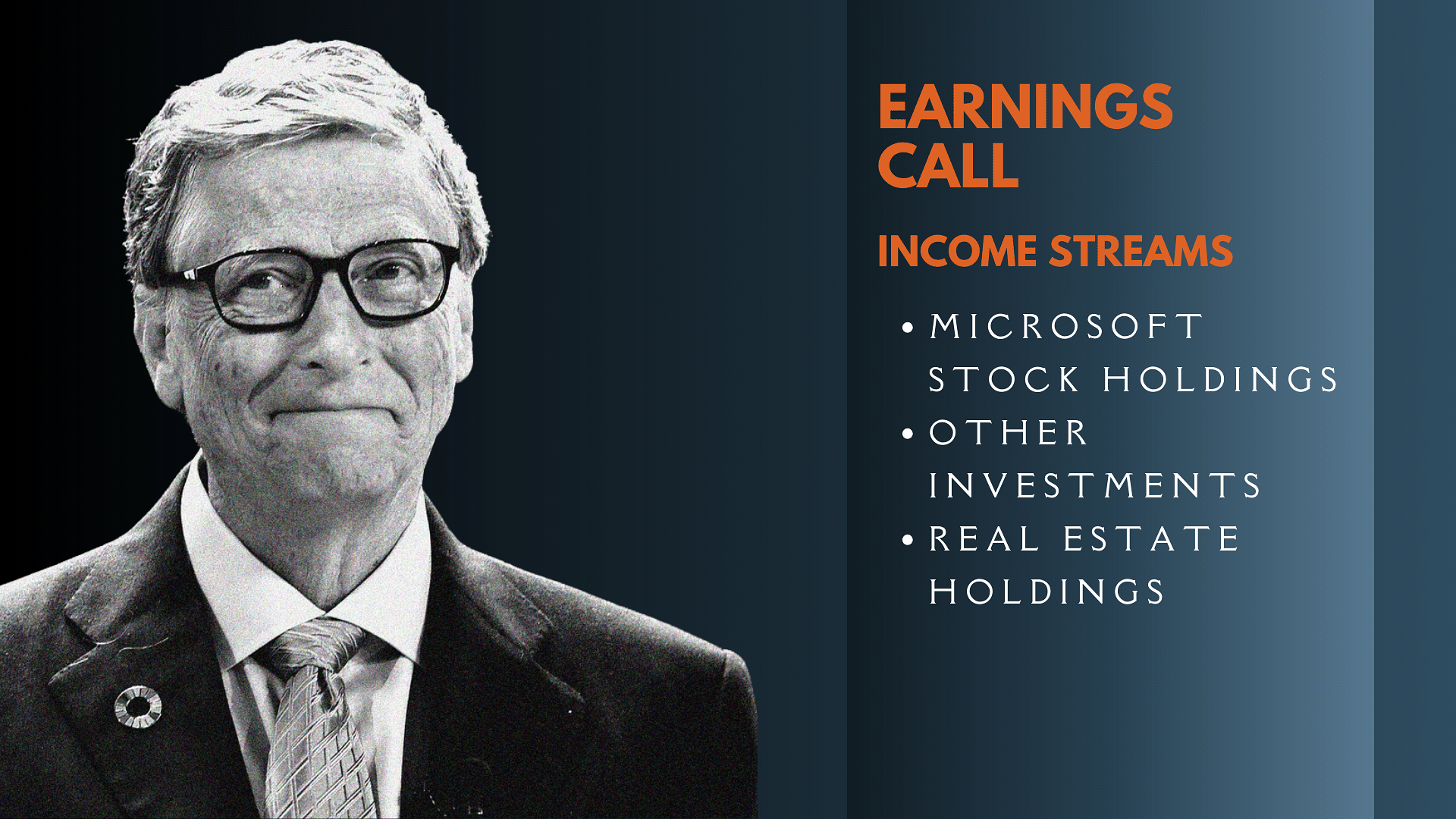
Bill Gates, the co-founder of Microsoft and a prolific philanthropist through the Bill & Melinda Gates Foundation, represents one of the most transparent financial profiles in the world. His wealth is derived primarily from his historical equity in Microsoft, his investment firm Cascade Investment, and a diversified portfolio of real estate, farmland, and publicly traded companies.
Because his assets are held in public markets, analysts can calculate his net worth with a high degree of precision. As of 2026, his wealth fluctuates in real-time based on the performance of the tech sector and global financial markets. Regulatory filings, such as those submitted to the U.S. Securities and Exchange Commission (SEC), ensure that significant holdings are publicly visible, allowing for accurate tracking by major financial indices like Bloomberg and Forbes.
The Complexity of State-Controlled Wealth
In contrast, Kim Jong Un’s "net worth" is an analytical construct rather than a traditional bank balance. Analysts at intelligence agencies and academic institutions distinguish between personal wealth and the control of state assets. In the Democratic People's Republic of Korea (DPRK), the distinction between the leader’s private holdings and the state’s resources is virtually non-existent.
Estimating Kim Jong Un’s financial footprint requires identifying luxury imports, palace properties, and international slush funds that bypass global sanctions. Unlike a corporate leader, his "wealth" is tied to his political grip on the country. Most international observers treat his financial estimations as anecdotal or speculative, as there are no public equity filings, tax disclosures, or transparent auditing processes to verify his personal claims to capital.
Comparative Wealth Indicators
When evaluating these two individuals, it is essential to categorize the type of wealth they represent. The following table highlights the structural differences in how their economic positions are determined:
| Feature | Bill Gates | Kim Jong Un |
|---|---|---|
| Primary Source | Public Equity (Microsoft, Cascade) | State Control / Controlled Resources |
| Asset Visibility | Fully Audited/Public | Highly Classified/State Secret |
| Legal Status | Private Individual | Sovereign Leader |
| Market Influence | Drives Market Capitalization | Influences Geopolitical Risk |
| Calculation Method | SEC Filings and Market Valuation | Intelligence Estimates / Luxury Imports |
The Role of Regulatory Oversight
For Bill Gates, regulatory compliance is a mandatory aspect of wealth management. As a high-profile shareholder, he is subject to the rules governing insider trading, public disclosure of significant holdings, and tax reporting in the United States. This transparency provides the public and investors with a clear view of his divestment from Microsoft and his shift toward other sectors, such as clean energy and agriculture.
Kim Jong Un operates entirely outside of standard international financial regulations. His access to wealth is often predicated on evading the very sanctions designed to limit the financial capabilities of the North Korean regime. Reports from groups like the UN Panel of Experts have historically noted how luxury goods and revenue streams are funneled to leadership, but these findings represent instances of illegal trade rather than a verifiable personal net worth.
Why Direct Comparison Is Challenging
The primary difficulty in comparing these two figures lies in the definition of "net worth." In a capitalist system, net worth equals assets minus liabilities, measured in liquid currency or marketable equity. If one were to apply this formula to Bill Gates, the answer is a concrete dollar amount subject to daily market shifts.
Applying this formula to Kim Jong Un is logically inconsistent because he functions as a head of state. If one counts the entirety of North Korea's state-owned enterprises or infrastructure as part of his "net worth," the figures are mathematically incomparable to an individual's private investment portfolio. Conversely, if one attempts to isolate his personal cash holdings, the lack of transparency makes any specific figure purely journalistic conjecture rather than verified accounting.
Historical Context of Wealth Accumulation
Bill Gates’s wealth accumulation followed the trajectory of the late 20th-century technology boom. His path is documented through the growth of Microsoft from a software startup to a global enterprise, and his subsequent diversification efforts. His wealth is a byproduct of value creation in global software markets, which provides a traceable history of capital appreciation.
Kim Jong Un’s financial position is defined by hereditary succession. The wealth of the Kim family is built upon the institutionalized command economy of North Korea. Because his status is tied to political lineage rather than a career in business, his "assets" are essentially guaranteed by the stability of the regime. Any analysis of his wealth is inherently an analysis of the regime’s ability to generate or procure revenue through state-sponsored activities, legal or otherwise.
Frequently Asked Questions
1. Is Kim Jong Un’s net worth public record? No. Kim Jong Un does not publish a personal financial statement. Any estimates provided by media outlets or research groups are based on speculative intelligence gathering regarding luxury goods and state-controlled assets, not verified personal financial disclosures.
2. Why does Bill Gates’s net worth change so frequently? His net worth changes daily because it is tied to the stock market. As the share prices of companies he holds in his portfolio, such as Microsoft, Berkshire Hathaway, or Canadian National Railway, fluctuate, his total net worth adjusts accordingly.
3. Does Kim Jong Un pay taxes on his wealth? The concept of "taxes" does not apply to the North Korean leader in the way it does in private economies. As the supreme leader, he exercises control over the state treasury. His personal expenditures are typically managed through state offices rather than personal taxable income.
4. Can individuals verify Bill Gates’s philanthropic spending? Yes. As the Bill & Melinda Gates Foundation is a private foundation, it is required by U.S. law to file Form 990-PF annually with the Internal Revenue Service. These documents are public and provide detailed information about the foundation’s assets, investments, and grants.
5. How do sanctions affect Kim Jong Un’s financial position? Sanctions target the North Korean economy and specific revenue streams associated with the ruling family. While these measures are designed to restrict the regime's ability to finance military or nuclear programs, their impact on the leader's private access to luxury goods is mitigated by sophisticated, clandestine networks that operate outside the international banking system.
Final Recommendation
When researching the financial status of high-profile individuals, always distinguish between publicly traded, audited wealth and state-controlled assets. For individuals like Bill Gates, rely on SEC filings and institutional reports to track current valuations. For individuals in positions of absolute state power like Kim Jong Un, recognize that "net worth" is an informal label for state influence and access to national resources, which cannot be accurately quantified through standard financial methodologies. Always verify claims through reputable, non-partisan financial reporting agencies.
Image Gallery