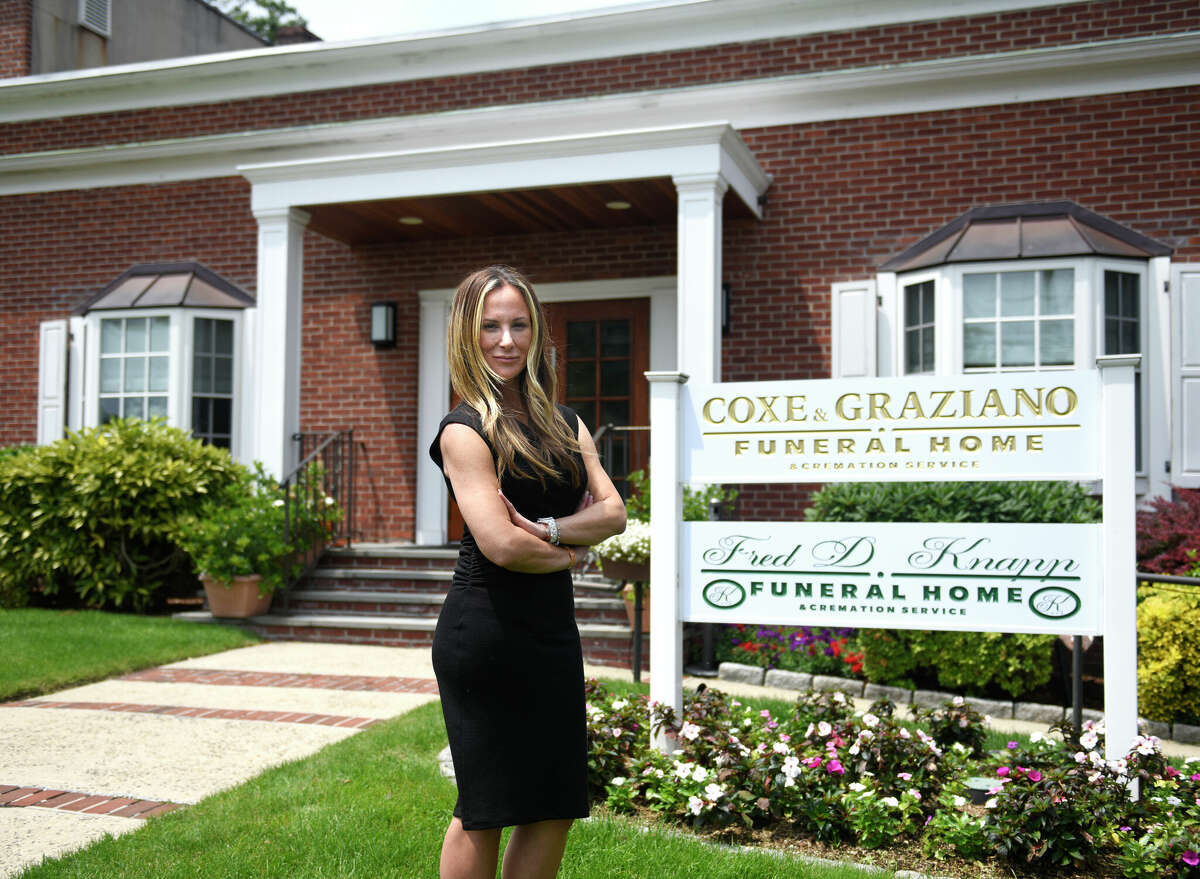
Comprehensive Guide to Knapp Johnson Funeral Services and Planning
Knapp Johnson Funeral Home provides compassionate and professional death care services to families navigating the loss of a loved one, offering traditional burials, cremation options, and personalized memorials tailored to individual w...
Knapp Johnson Funeral Home provides compassionate and professional death care services to families navigating the loss of a loved one, offering traditional burials, cremation options, and personalized memorials tailored to individual wishes. Selecting a funeral home is a critical step in honoring a life, managing legal documentation, and beginning the grief recovery process within a supportive community framework.
Contents
Understanding Local Funeral Services and Community Legacy
Navigating the loss of a family member requires partnering with an establishment that understands both state regulatory compliance and local customs. Funeral homes serve as the primary logistical bridge between grieving families, medical examiners, clergy, and cemeteries. Professional mortuary services encompass everything from immediate transportation of the deceased to securing burial transit permits and filing death certificates with vital statistics offices.
When engaging with a local provider, families often look at historical establishment roots, facility capacity, and staff empathy. A reputable provider maintains clean, welcoming viewing rooms, state-of-the-art preparation facilities, and a fleet of professional vehicles including hearses and service limousines.
Core Offerings of Full-Service Mortuaries
- Immediate need arrangements coordinated 24/7 following a passing at home, hospital, or care facility.
- Filing of official death certificates and coordination with attending physicians or coroners.
- Embalming and restorative arts performed by licensed funeral directors and morticians.
- Organization and execution of religious, secular, or military memorial ceremonies.
- Direct liaison with cemeteries, crematory operators, and insurance assignees.
Pre-Planning vs. Immediate-Need Arrangements
Proactive planning alleviates emotional and financial stress for surviving relatives. Making funeral arrangements in advance allows individuals to document their exact preferences regarding casket choices, music, readings, and disposition methods.
Immediate-need arrangements, by contrast, demand rapid decision-making during acute grief. Understanding the procedural differences between these two pathways ensures families remain informed and empowered during difficult moments.
Comparison of Funeral Planning Pathways
| Feature | Pre-Planned Arrangements | Immediate-Need Arrangements |
|---|---|---|
| Emotional Impact | Low stress; decisions made calmly without time pressure. | High stress; decisions made under strict time constraints. |
| Financial Control | Price-locking and insurance funding options protect against inflation. | Subject to current market rates; immediate payment is required. |
| Customization Level | High detail; every aspect of the service can be pre-scripted. | Moderate detail; constrained by availability and short deadlines. |
| Family Burden | Relieves survivors of financial and logistical guesswork. | Requires grieving family members to make complex choices quickly. |
Options for Final Disposition: Burial and Cremation
Choosing between traditional earth burial and cremation is the most foundational decision in funeral planning. Each path involves distinct religious, personal, and ecological considerations, as well as varying price points.
Traditional earth burial typically requires purchasing a cemetery plot, an outer burial container (vault or grave liner), a casket, and professional opening and closing fees from the cemetery grounds crew. Public viewings and formal chapel services are customary prior to the burial procession.
Cremation reduces human remains through heat and vaporization, yielding cremated remains that can be scattered in a meaningful location, interred in a columbarium niche, or placed in a permanent urn for home placement. Cremation does not preclude a traditional funeral service; many families choose to hold a visitation with an ornate rental casket prior to the cremation process.
Financial Transparency and Cost Breakdown
Understanding funeral pricing is a legal right protected by the Federal Trade Commission's Funeral Rule, which mandates that providers furnish clear, itemized General Price Lists (GPL) upon request. Transparency ensures that families can select specific services and merchandise that fit their budget without paying for unwanted packages.
Typical Cost Components in Professional Funeral Services
- Basic Services Fee: Non-declinable overhead charge for professional services of the funeral director and staff, securing permits, and shelter of remains.
- Professional Care: Embalming, cosmetology, hair styling, dressing, and casketing of the deceased.
- Ceremony and Visitation: Use of facilities and staff supervision for viewings, memorial services, or graveside rites.
- Transportation: Transfer of remains to the funeral home, hearse rental, and service vehicle usage.
- Merchandise: Selection of caskets, outer burial containers, urns, custom memorial folders, and acknowledgment cards.
- Cash Advances: Third-party fees paid on behalf of the family, including cemetery plot opening fees, obituary notices, certified death certificates, and clergy honorariums.
Step-by-Step Guide to Coordinating a Memorial Service
Executing a seamless memorial service requires structured coordination across multiple administrative and logistical fronts. Following a reliable workflow ensures that no critical legal or ceremonial detail is overlooked.
- Notify Authorities and Secure Pronunciation: Ensure the legal pronouncement of death is officially documented by a physician, hospice nurse, or coroner.
- Contact the Funeral Home: Inform the chosen mortuary to arrange the respectful transfer of the deceased into their care.
- Gather Vital Statistics Data: Compile information required for the death certificate, including full legal name, social security number, date of birth, occupation, and parents' names.
- Select Disposition and Service Type: Meet with the funeral director to finalize choices regarding burial or cremation, venue selection, and clergy or celebrant participation.
- Draft the Obituary: Collaborate with the funeral home or local newspapers to publish notice of passing, service times, and charitable donation preferences.
- Finalize Memorial Details: Review the music playlist, photo displays, floral arrangements, and casket bearer selections prior to the day of the service.
Frequently Asked Questions
What should I do immediately after a loved one passes away?
Notify the appropriate medical personnel or authorities if the death occurs at home, then contact a licensed funeral home to initiate transfer and care of the deceased. The professional funeral director will guide you through the next immediate steps regarding documentation and scheduling.
Can a funeral service be customized to reflect personal hobbies or beliefs?
Yes, modern funeral homes routinely accommodate personalized tributes, including themed decor, non-traditional music, military honors, and unique celebration-of-life elements. Discuss your specific vision with the funeral director during the arrangement conference.
What is the Federal Trade Commission Funeral Rule?
The Funeral Rule is a federal regulation that gives consumers the right to buy only the funeral goods and services they want, view itemized price lists over the phone or in person, and receive written pricing disclosures before signing any contract.
Is embalming legally required by state law?
Embalming is rarely mandated by law for immediate burial or cremation, though most funeral homes require it if a public open-casket viewing is scheduled. Refrigeration is a common alternative when preservation is needed without chemical embalming.
How many certified copies of the death certificate should I order?
Families generally need between five and ten certified copies of the death certificate to settle financial accounts, close credit cards, claim life insurance policies, transfer property deeds, and notify government agencies.
Professional Guidance for Your Time of Need
Navigating the passing of a family member is profoundly challenging, but partnering with experienced, transparent funeral professionals ensures the process is handled with dignity and precision. To begin planning or to discuss immediate arrangements, contact your trusted local funeral service provider to schedule a confidential consultation with a licensed director.
Image Gallery