Understanding Ultrasonic Cat Repellent Noise: A Guide to Effective Deterrents
Cat repellent noise refers to the use of high-frequency ultrasonic sound waves designed to deter neighborhood cats from entering specific outdoor areas. These devices emit tones typically ranging from 19 kHz to 25 kHz, which are uncomf...
Cat repellent noise refers to the use of high-frequency ultrasonic sound waves designed to deter neighborhood cats from entering specific outdoor areas. These devices emit tones typically ranging from 19 kHz to 25 kHz, which are uncomfortable for felines but generally remain inaudible to the average adult human ear, providing a humane, non-toxic solution for garden protection.
Contents
As we move through 2026, the technology behind ultrasonic pest management has evolved from simple steady-state emitters to sophisticated, variable-frequency devices. Property owners increasingly turn to these "silent" solutions to protect flower beds, bird feeders, and vegetable patches from feline encroachment. However, understanding the physics of sound, the biological limitations of feline hearing, and the legal considerations of noise pollution is essential before installing these systems.
The Biological Foundation: Why High-Frequency Noise Works
To understand why "cat repellent noise" is effective, one must first examine the auditory range of the domestic cat (Felis catus). While a healthy young human can hear sounds up to approximately 20 kHz, cats have a much broader hearing range, extending up to 64 kHz. This evolutionary trait allowed their ancestors to detect the high-pitched ultrasonic squeaks of small rodents.
Ultrasonic deterrents exploit this sensitivity by producing a sound pressure level (SPL) that is perceived by the cat as a loud, jarring noise—similar to a police siren or a fire alarm. Because the sound is localized to the garden where the device is installed, it creates a "psychological barrier." The cat associates the specific area with an unpleasant auditory experience and eventually learns to avoid the zone altogether.
Frequency Selection and Habituation
One of the primary challenges with older 20th-century deterrents was "habituation." If a device emits the exact same tone at the same volume indefinitely, a cat may eventually realize the sound poses no physical threat and begin to ignore it.
Modern 2026-standard devices utilize frequency sweeping or randomized modulation. Instead of a single 22 kHz tone, the device might cycle rapidly between 19 kHz and 25 kHz. This variation prevents the cat's brain from filtering out the noise as background "white noise," maintaining the deterrent's effectiveness over long periods.
Technical Specifications of Modern Ultrasonic Devices
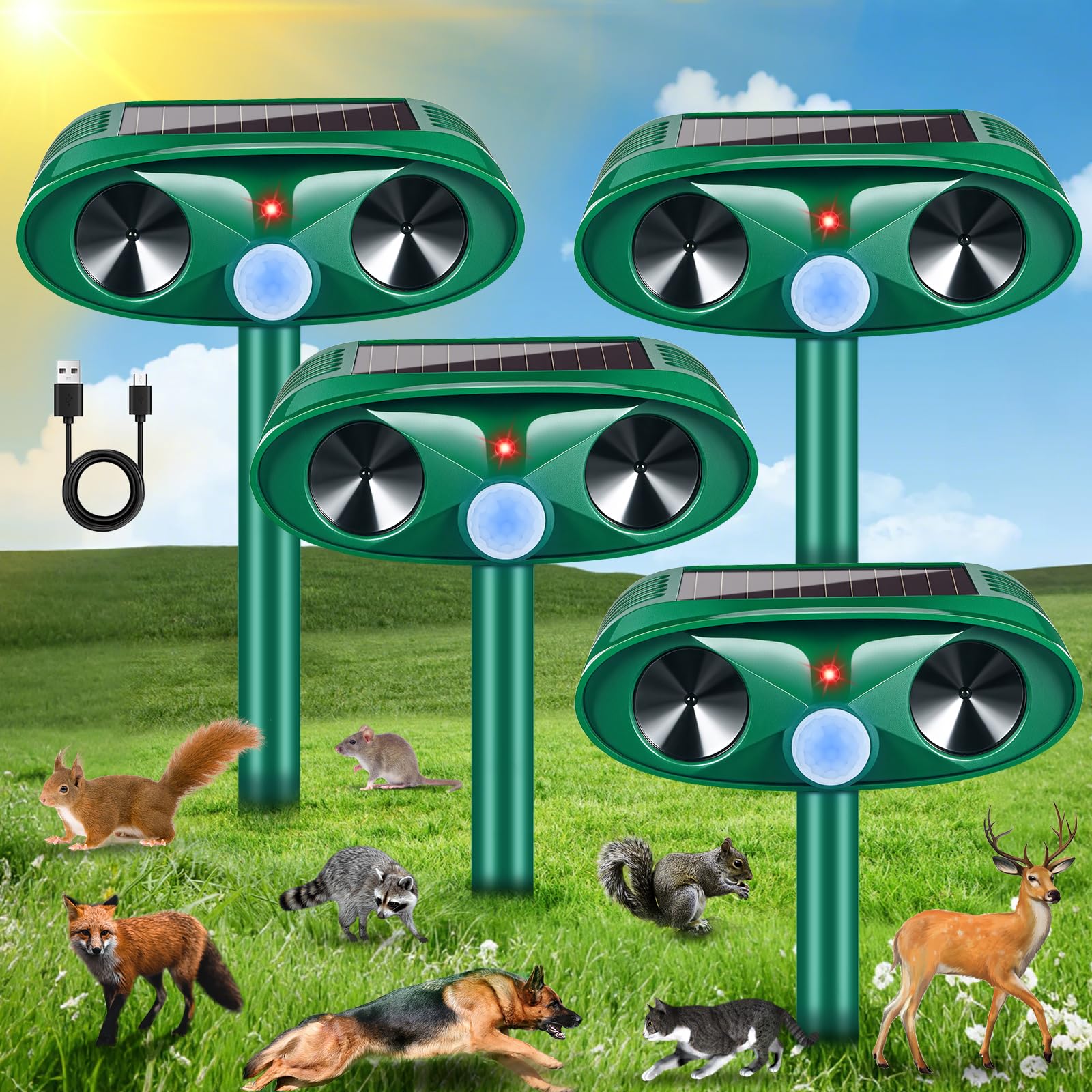
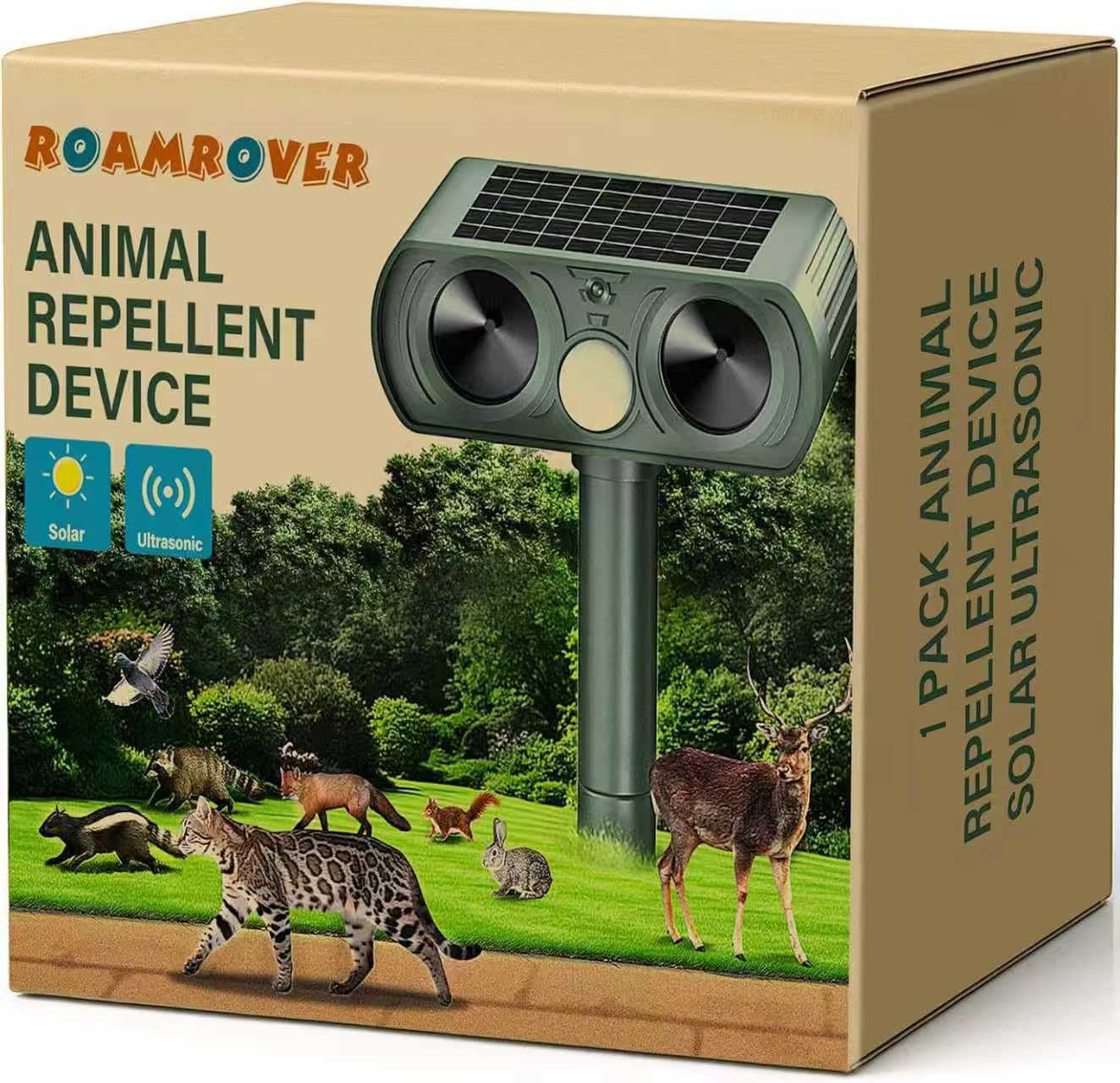
When selecting a device for cat repellent noise, technical specifications dictate the success of the installation. A high-quality unit is not merely a speaker; it is an integrated system comprising sensors, processors, and specialized transducers.
Passive Infrared (PIR) Sensors
Effective devices are almost always motion-activated. A constant ultrasonic blast is not only energy-inefficient but also increases the likelihood of habituation and may cause unnecessary stress to non-target animals passing nearby. The PIR sensor detects the heat signature of a moving animal. Once triggered, the device emits the ultrasonic burst for a set duration (usually 10 to 30 seconds).
Sound Pressure Levels (Decibels)
The "volume" of the ultrasonic noise is measured in decibels (dB). For a deterrent to be effective across a standard garden, it usually needs to produce between 90 dB and 110 dB at the source. It is important to note that sound follows the inverse square law: the intensity of the sound drops significantly as the distance from the source increases. A device that is effective at 5 meters may be completely ignored at 15 meters.
Power Management and Weatherproofing
By 2026, solar-powered units with lithium-ion backup batteries have become the industry standard. These units must have an Ingress Protection (IP) rating of at least IP44 or IP66 to ensure they can withstand rain, snow, and irrigation systems. Poorly sealed units often fail due to internal corrosion, leading to frequency shifts that might make the noise audible (and annoying) to humans.
Strategic Placement and Environmental Factors
The effectiveness of cat repellent noise is highly dependent on how and where the device is installed. Unlike scent-based repellents, which can drift around corners, sound travels in a straight line—a "line of sight" requirement.
- Obstacle Clearance: Sound waves at high frequencies are easily absorbed or deflected by solid objects. A dense hedge, a wooden fence, or even thick ornamental grass will create an "acoustic shadow" behind which a cat can move undetected and undisturbed.
- Height and Angle: Most devices should be placed at the "ear level" of the target animal, typically 15 to 25 centimeters off the ground. Angling the device slightly downward can help prevent the sound from carrying too far into a neighbor's property while concentrating the intensity on the garden floor.
- Distance Limitations: While manufacturers often claim ranges of 15 meters or more, the most reliable "active zone" is usually within the first 7 to 10 meters. For larger estates, a multi-unit array is often required to ensure total coverage without dead zones.
Comparison of Deterrent Methods
While ultrasonic noise is a leading choice for many, it is helpful to compare it against other common garden deterrents available in 2026.
| Method | Mechanism | Pros | Cons |
|---|---|---|---|
| Ultrasonic Noise | High-frequency sound | Humane, invisible, low maintenance | Blocked by obstacles; affects some dogs |
| Motion-Water | Targeted water jet | Highly effective; physical deterrent | Requires hose connection; can freeze |
| Scent Repellents | Citrus, coleus canina | Easy to apply; low cost | Requires frequent reapplication; rain-sensitive |
| Physical Barriers | Netting, "scat" mats | 100% reliable for specific spots | Can be unsightly; difficult for large areas |
| Visual Scares | Reflective tape, fake owls | Inexpensive; no power needed | Cats quickly realize they aren't real |
Impact on Non-Target Species and Human Neighbors
One of the most frequent concerns regarding cat repellent noise is its effect on other animals. Because "ultrasonic" is a broad term, the specific frequency chosen matters immensely.
Dogs and Other Pets
Dogs can hear up to approximately 45 kHz. If an ultrasonic device is set to a lower frequency (around 20 kHz), it is well within the hearing range of a neighborhood dog. While the sound is directed into your garden, a sensitive dog next door might still hear the "fringe" noise. According to organizations like the RSPCA, it is vital to ensure that deterrents do not cause distress to animals that are not the intended targets.
The "Mosquito" Effect in Humans
While most adults cannot hear above 15-17 kHz, children and young adults often have much more sensitive hearing. Some individuals may perceive a high-pitched "hissing" or "clicking" when an ultrasonic device activates. In 2026, local noise ordinances in many jurisdictions have begun to include provisions for "ultrasonic nuisance," particularly if the devices are aimed directly at public sidewalks or neighboring windows.
Wildlife Considerations
Research indicates that certain rodents and bats are also sensitive to these frequencies. If you are trying to encourage a bat-friendly garden, ultrasonic noise may interfere with their echolocation or cause them to avoid the area. Conversely, if you have a rodent problem, these devices may provide a secondary benefit by deterring mice and rats.
Scientific Efficacy: Does the Research Support It?
The debate over the efficacy of ultrasonic cat repellents has persisted for years. A study cited by the Journal of Applied Animal Welfare Science suggests that while these devices do reduce the frequency of feline visits, they rarely eliminate them 100% on their own.
Success often depends on the individual cat's "personality" and age. Older cats often suffer from high-frequency hearing loss, making them entirely immune to ultrasonic deterrents. Furthermore, a highly motivated cat (one seeking a specific high-value food source or a mate) may be willing to endure the discomfort of the noise to reach its goal. Therefore, cat repellent noise should be viewed as one tool in an integrated pest management strategy rather than a "magic bullet."
Frequently Asked Questions
Can humans hear cat repellent noise?
Most adults over the age of 25 cannot hear the primary frequency of these devices. However, children, teenagers, and some sensitive adults may hear a high-pitched whistle or a buzzing sound. High-quality devices are designed to minimize "signal leakage" into the audible range, but cheap or aging units may produce audible artifacts.
Will ultrasonic noise hurt my cat or the neighbor's cat?
No, the sound is designed to be an irritant, not a source of physical pain or hearing damage. It is the equivalent of a human hearing a very loud, annoying alarm. Once the cat moves out of the line of sight or the range of the device, the discomfort ceases immediately.
Do these devices work through walls or windows?
No. Ultrasonic sound waves are very "thin" and lack the energy to penetrate solid barriers. A glass window, a brick wall, or even a thick wooden fence will almost entirely block the sound. This is beneficial for neighbors, as it means the noise is mostly contained within the intended property.
Does rain affect the effectiveness of the sound?
Heavy rain and high humidity can "dampen" sound waves, slightly reducing the effective range of the device. Additionally, the sound of heavy rain might provide enough "masking noise" to make the ultrasonic blast less startling to a cat. However, the PIR sensors in modern units are generally unaffected by weather.
Why is the cat ignoring the device?
There are three common reasons: the cat is older and has lost high-frequency hearing; the device is poorly placed and the cat is in an "acoustic shadow"; or the cat has become habituated to a constant, non-varying tone. Switching the device to a "variable frequency" mode or moving its location often resolves the issue.
Practical Recommendations for 2026
If you are dealing with persistent feline visitors in 2026, the most effective approach is a layered defense. Start by installing a high-quality, solar-powered ultrasonic device with a variable frequency sweep. Ensure it is placed in a clear line of sight to the entry point the cat uses most frequently.
To augment the noise, consider biological deterrents. Planting Coleus canina (the "Scaredy Cat Plant") or scattering citrus peels can provide a secondary sensory deterrent that works even if the cat is out of the sound's range. Finally, ensure there are no "attractants" in your garden, such as uncovered sandboxes (which cats use as litter boxes) or accessible bird seed, which might give a cat a reason to endure the noise. By combining high-frequency technology with smart garden management, you can maintain a cat-free zone effectively and humanely.
Image Gallery