Choosing a Flax Meal Substitute: A Culinary and Nutritional Guide
Choosing the best flax meal substitute depends on whether your recipe relies on flax for binding eggs, providing structural bulk, adding moisture, or boosting fiber. Ground chia seeds serve as the premier 1:1 alternative for binding an...
Choosing the best flax meal substitute depends on whether your recipe relies on flax for binding eggs, providing structural bulk, adding moisture, or boosting fiber. Ground chia seeds serve as the premier 1:1 alternative for binding and baking, while almond meal, sunflower seed meal, and psyllium husk satisfy specific low-carb, allergen-free, or high-fiber requirements.
Contents
Understanding the Culinary Roles of Flax Meal
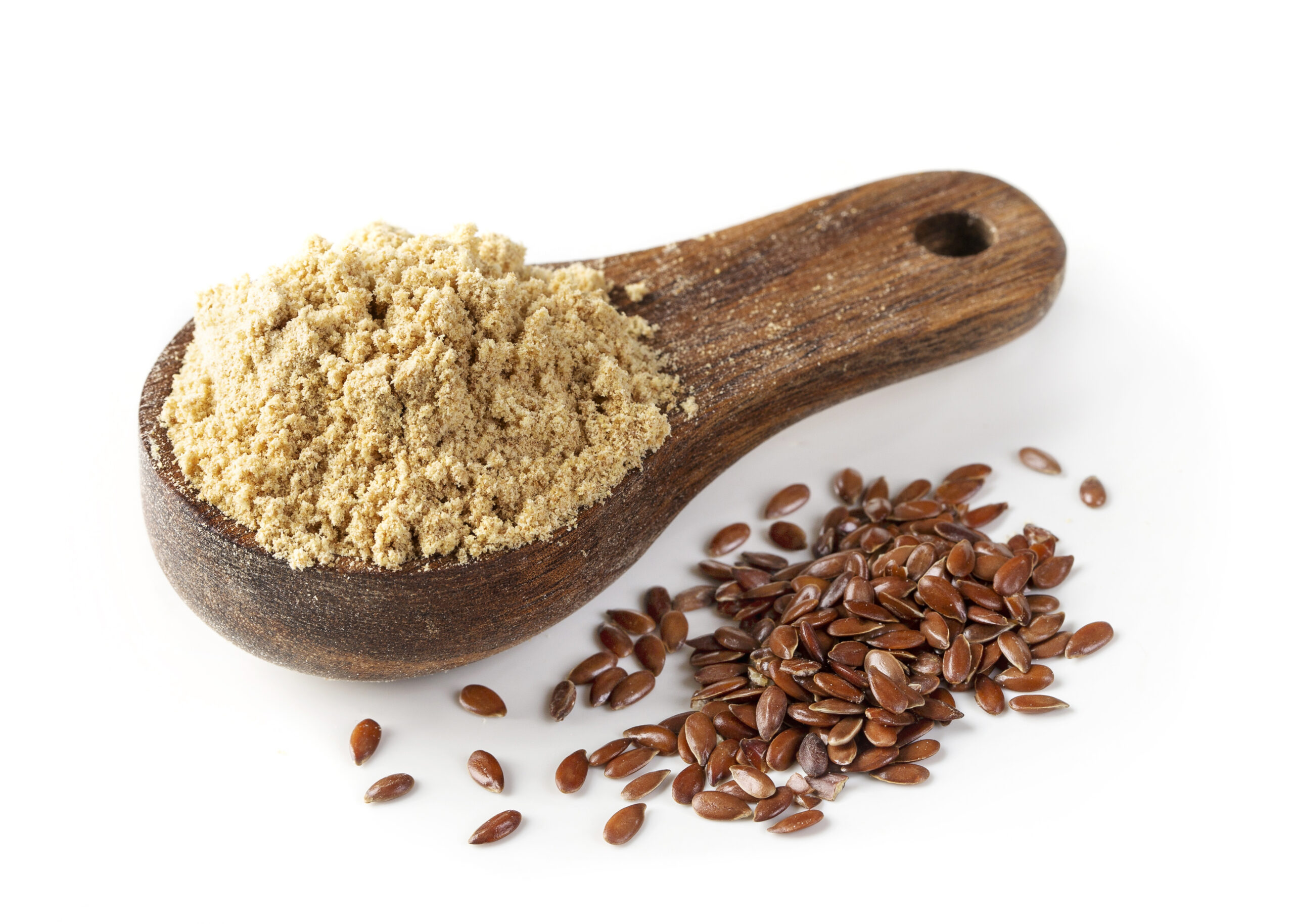
Flax meal—produced by grinding whole flaxseeds—is a versatile ingredient in modern cooking and baking. Selecting an effective replacement requires evaluating what job flax meal performs in a specific recipe. Substituting flax meal in a recipe without identifying its primary function can compromise texture, rise, and moisture content.
- Primary Roles of Flax Meal
- Egg Binding (Gelling/Hydrocolloid)
- Moisture & Fat (Natural Oils)
- Structure & Bulk (Gluten-Free Flour)
- Nutritional Boost (Fiber & Omega-3)
In culinary applications, flax meal primarily functions in four ways:
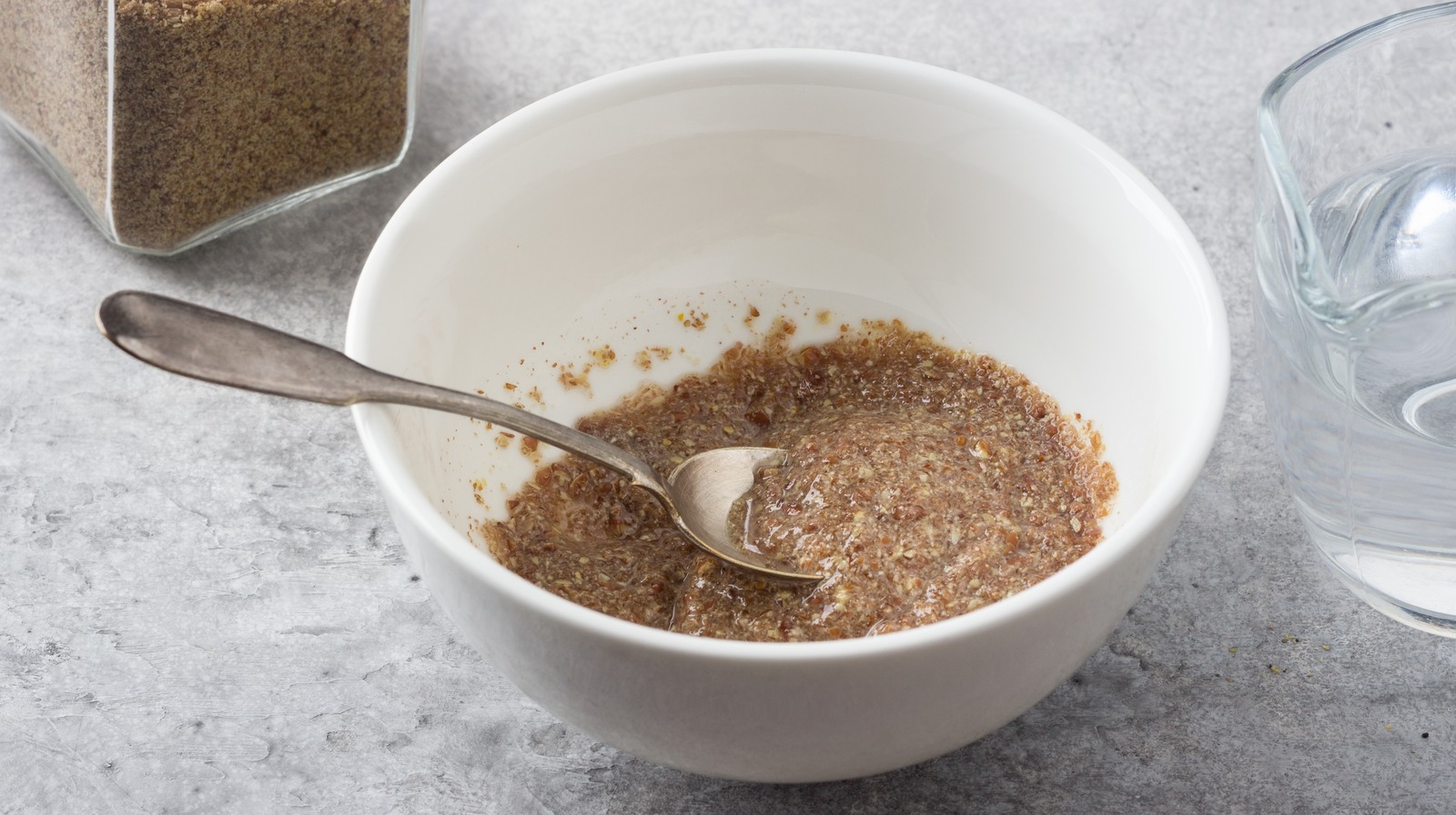
- Hydrocolloid Binding (Egg Replacement): Flax meal contains high concentrations of soluble mucilage gums—complex polysaccharides located in the outer seed coat. When mixed with water, these gums swell and form a viscous, elastic gel. In vegan and egg-free baking, a "flax egg" (1 tablespoon of flax meal mixed with 3 tablespoons of water) mimics the emulsifying and structural qualities of a whole egg.
- Moisture and Fat Retention: Flax meal contains roughly 40% fat, largely composed of alpha-linolenic acid (ALA), an omega-3 fatty acid. This high-fat content adds richness, tenderizes crumbs, and prevents baked goods from drying out rapidly.
- Dry Bulk and Structure in Low-Carb Baking: In gluten-free and ketogenic recipes, flax meal acts as a flour substitute or grain-free binder. It provides physical structure to breads, crackers, and muffins without adding dense wheat gluten or high-glycemic carbohydrates.
- Nutritional Fortification: Flax meal is frequently added to smoothies, oatmeal, yogurts, and energy bars to increase dietary fiber, plant-based protein, and micronutrients like magnesium and thiamine.
Top Substitutes for Egg Replacement and Binding
When a recipe calls for flax meal as a binding agent or egg replacement, the primary objective is to replicate its mucilaginous, liquid-absorbing properties.
1. Ground Chia Seed Meal (The Best 1:1 Substitute)
Ground chia seeds represent the most accurate substitute for flax meal across almost every culinary application. Like flax, chia seeds contain exceptional levels of soluble fiber and hydrophilic mucilage on their outer hulls.
- Substitution Ratio: Replace flax meal with ground chia seed meal at a 1:1 ratio. To replace a single egg, mix 1 tablespoon of ground chia seeds with 3 tablespoons of lukewarm water and allow it to rest for 5 to 10 minutes until a thick gel forms.
- Texture and Flavor: Chia seeds feature a mild, neutral taste that interferes less with delicate flavors than the nutty, slightly bitter undertones of dark flax meal. White chia seeds can be ground to maintain a light visual profile in white cakes or light-colored breads.
- Best Used For: Quick breads, muffins, pancakes, cookies, meatballs, and plant-based veggie burgers.
2. Psyllium Husk Powder
Psyllium husk is derived from the seeds of the Plantago ovata plant and is recognized for its high concentration of soluble fiber. It creates a strong gel network when combined with liquids, making it a powerful binder in gluten-free baking.
- Substitution Ratio: Use 1/3 to 1/2 the amount of psyllium husk powder compared to flax meal. Because psyllium absorbs significantly more water than flax, mix 1 teaspoon of psyllium husk powder with 3 tablespoons of warm water to replace one flax egg.
- Texture and Flavor: Psyllium provides structural elasticity and moisture retention, producing a bread crumb that closely mimics gluten networks. It has a neutral-to-earthy flavor.
- Best Used For: Yeast breads, gluten-free sandwich loaves, pizza doughs, and baked goods requiring structural stretch.
3. Commercial Egg Replacers
Commercial powder egg substitutes typically combine potato starch, tapioca flour, and leavening agents (such as sodium acid pyrophosphate or baking soda).
- Substitution Ratio: Follow the manufacturer instructions on the package, typically 1.5 teaspoons of powder mixed with 2 tablespoons of water to replace one egg or one flax egg binder.
- Texture and Flavor: Commercial binders create light, airy structures without adding fats or strong seeds. However, they lack the fat content of flax, which may yield a slightly drier crumb if extra fat is not compensated for elsewhere in the recipe.
- Best Used For: Cakes, crisp cookies, and delicate pastries where a seedless texture and pale appearance are necessary.
4. Fruit Purees (Applesauce, Mashed Banana, or Pumpkin)
Fruit purees supply both moisture and pectin-based binding in baked items.
- Substitution Ratio: Use 1/4 cup (approx. 60 ml) of unsweetened fruit puree to replace 1 tablespoon of flax meal plus its associated liquid (or one flax egg).
- Texture and Flavor: Applesauce adds neutral sweetness and substantial moisture, whereas mashed banana introduces strong fruit flavor and extra sugar. Pumpkin puree provides dense moisture and a subtle earthy tone with minimal sweetening impact.
- Best Used For: Moist brownies, snack cakes, dense muffins, and pancake batters.
Best Substitutes for Low-Carb and Grain-Free Baking
When flax meal is used as a base flour in ketogenic, low-carb, or gluten-free recipes, replacing it requires balancing fat, fiber, and absorbency.
1. Almond Meal and Almond Flour
Almonds can be finely ground into almond flour (blanched) or almond meal (unpeeled). Both offer a rich, nutty profile and high fat content comparable to flaxseed meal.
- Substitution Ratio: Substitute almond meal or almond flour for flax meal at a 1:1 ratio by volume.
- Key Adjustments: Almond meal lacks the water-gelling mucilage of flax meal. If replacing flax meal in a recipe that relies on flax for binding, you may need to add an extra egg or 1/2 teaspoon of xanthan gum to hold the structure together.
- Nutritional Profile: High in healthy monounsaturated fats, vitamin E, and plant protein, with a lower total fiber count than pure flax.
2. Sunflower Seed Meal (Nut-Free Keto Option)
Ground sunflower seed meal is an ideal substitute for individuals with tree nut allergies who require a low-carb, high-fat flour alternative.
- Substitution Ratio: Use sunflower seed meal at a 1:1 ratio to replace flax meal or almond meal.
- Chemical Reaction Warning: Sunflower seeds contain chlorogenic acid, an organic compound that reacts with alkaline leavening agents (baking soda or baking powder). This reaction can cause the baked product to develop a harmless green tint as it cools. To prevent green discoloration, add 1 to 2 teaspoons of lemon juice or apple cider vinegar to the wet ingredients to balance the pH level.
- Best Used For: Nut-free keto breads, savory crackers, and grain-free muffins.
3. Coconut Flour
Coconut flour is produced from dried, defatted coconut meat. It differs significantly from flax meal due to its extreme absorbency.
- Substitution Ratio: Use 1/4 to 1/3 cup of coconut flour for every 1 cup of flax meal called for in the recipe. Additionally, increase the liquid ingredients or add 1 extra egg for every 1/4 cup of coconut flour used.
- Texture and Flavor: Coconut flour yields a light, cake-like texture with a subtle coconut aroma. Due to its drying nature, precise liquid measurement is critical.
- Best Used For: Light cakes, quick breads, and pancakes when carefully reformulated.
Substitutes for Fiber and Nutritional Enhancement
If flax meal is added to a dish primarily to increase dietary fiber, healthy fats, or micronutrients, binding capability is secondary to nutritional density.
| Substitute | Key Nutritional Strength | Best Culinary Application |
|---|---|---|
| Hemp Hearts | High Protein & Essential Amino Acids | Smoothies, Yogurt, Salad Dressings |
| Ground Chia | Soluble Fiber & ALA Omega-3 | Oatmeal, Smoothies, Puddings |
| Wheat Germ | B-Vitamins & Minerals (Contains Gluten) | Cereals, Crumbing, Non-GF Baking |
1. Hemp Hearts (Shelled Hemp Seeds)
Hemp hearts offer a complete plant-based protein profile containing all nine essential amino acids, along with gamma-linolenic acid (GLA) and omega-3 fatty acids.
- Substitution Ratio: Use hemp hearts at a 1:1 ratio.
- Flavor Profile: Rich, buttery, and distinctly nutty, resembling pine nuts or sunflower seeds.
- Best Used For: Topping yogurts, blending into smoothies, sprinkling over salads, or mixing into unbaked energy bites.
2. Wheat Germ
Wheat germ is the nutrient-dense embryo of the wheat kernel, packed with vitamin E, folic acid, phosphorus, and zinc.
- Substitution Ratio: Use wheat germ at a 1:1 ratio in non-gluten-free applications.
- Dietary Note: Wheat germ contains gluten and is unsuitable for individuals with celiac disease or non-celiac gluten sensitivity.
- Best Used For: Stirring into warm cereals, breading baked poultry or fish, and boosting whole-wheat bread doughs.
Comprehensive Flax Meal Substitute Comparison Table
The following table compares the primary substitutes for flax meal based on culinary function, substitution rates, flavor profiles, and dietary compatibility.
| Substitute Name | Primary Function | Conversion Ratio (vs. 1 tbsp Flax Meal) | Flavor Impact | Dietary Compatibility |
|---|---|---|---|---|
| Ground Chia Seeds | Binding / Egg Replacer / Bulk | 1:1 ratio (1 tbsp chia + 3 tbsp water = 1 egg) | Neutral to mild nutty | Gluten-Free, Keto, Vegan, Nut-Free |
| Psyllium Husk Powder | Structural Binding / Elasticity | 1/3 to 1/2 tbsp (1 tsp psyllium + 3 tbsp water) | Earthy, mostly neutral | Gluten-Free, Keto, Vegan, Nut-Free |
| Almond Meal / Flour | Low-Carb Flour / Bulk | 1:1 ratio (requires extra binder if replacing egg) | Mildly sweet, nutty | Gluten-Free, Keto, Vegan (Contains Nuts) |
| Sunflower Seed Meal | Low-Carb Flour / Bulk | 1:1 ratio (add acid to prevent green color) | Savory, seed-like | Gluten-Free, Keto, Vegan, Nut-Free |
| Unsweetened Applesauce | Binding / Moisture | 1/4 cup (approx. 60 ml) per egg equivalent | Sweet, fruity | Gluten-Free, Low-Fat, Vegan, Nut-Free |
| Commercial Egg Replacer | Binding / Leavening | Follow package (usually 1.5 tsp + 2 tbsp water) | Neutral | Gluten-Free, Low-Fat, Vegan, Nut-Free |
| Hemp Hearts | Nutritional Fortification | 1:1 ratio | Rich, nutty, buttery | Gluten-Free, Keto, Vegan, Nut-Free |
| Coconut Flour | Low-Carb Flour | 1/4 to 1/3 ratio (requires substantial liquid) | Mildly sweet coconut | Gluten-Free, Keto, Vegan, Nut-Free |
How to Choose the Right Substitute: A Decision Framework
To select the most effective flax meal substitute for your specific recipe, follow this three-step decision process:
Step 1: Identify the Recipe Role
Determine why flax meal is present in the original recipe:
- If it is listed alongside water as an egg binder (e.g., "1 flax egg"), select ground chia seeds or psyllium husk powder.
- If it makes up a large proportion of the dry ingredients in a grain-free recipe (e.g., keto bread or crackers), choose almond meal or sunflower seed meal.
- If it is listed as a small additive in a smoothie, cereal, or smoothie bowl, select hemp hearts or whole/ground chia seeds.
Step 2: Check Dietary Restrictions
Filter your options against medical or dietary requirements:
- Tree Nut Allergies: Avoid almond meal. Select ground chia seeds, sunflower seed meal, or psyllium husk.
- Strict Ketogenic / Low-Carb Diets: Avoid sweet fruit purees and wheat germ. Select ground chia seeds, almond flour, or sunflower seed meal.
- Celiac Disease / Gluten Sensitivity: Avoid wheat germ. Ensure that psyllium, chia, or oat-derived products are certified gluten-free to prevent cross-contamination.
Step 3: Adjust Liquid and Hydration Levels
Flax meal absorbs water at a rate distinct from most traditional flours.
- When using absorbent alternatives like psyllium or coconut flour, monitor batter viscosity carefully. Add extra water or plant milk 1 tablespoon at a time if the batter appears excessively stiff or dry.
- When using non-gelling alternatives like almond flour to replace flax meal in baking, introduce a binding agent (such as an egg, chia gel, or 1/4 teaspoon of xanthan gum) to maintain structural integrity.
Common Mistakes When Replacing Flax Meal
Replacing flax meal without considering its chemical and physical behavior can result in baking failures. Avoid these common errors:
- Using Whole Seeds Instead of Ground Meal: Whole flaxseeds or whole chia seeds pass through the digestive system largely unabsorbed and cannot create a binding gel network. The outer seed coat must be broken to release mucilage and internal lipids. Always use finely ground seeds for baking applications.
- Substituting Coconut Flour at a 1:1 Ratio: Coconut flour absorbs several times its weight in water due to its unique fiber structure. Replacing flax meal with coconut flour at a direct 1:1 ratio produces dry, crumbly, and inedible baked goods. Always reduce the volume of coconut flour to 25–30% of the original flax meal measure and increase liquid ingredients.
- Ignoring the Chlorogenic Acid Reaction in Sunflower Seed Meal: Combining sunflower seed meal with baking soda without adding an acid (such as lemon juice, vinegar, or cream of tartar) will turn the baked product green as it cools. While safe to eat, the color change can be visually unappealing.
- Over-Hydrating Psyllium Husk: Adding psyllium husk powder directly to dry ingredients without adjusting liquid quantities can yield a gummy, overly dense texture. Always pre-hydrate psyllium powder in warm water before integrating it into wet batters.
Frequently Asked Questions
What is the absolute best 1:1 substitute for flax meal?
Ground chia seed meal is the best overall 1:1 substitute for flax meal. It possesses nearly identical gelling properties, soluble fiber content, and healthy fats, allowing it to perform seamlessly as both an egg binder and a low-carb flour component without altering liquid requirements.
Can I use almond flour instead of flax meal to make a flax egg?
No, almond flour cannot be used to make an egg replacement gel. Almond flour lacks the soluble mucilage fiber necessary to absorb liquid and form a viscous gel. While almond flour works well as a dry flour substitute for flax meal, it will not bind ingredients together on its own.
How do I replace flax meal in a keto bread recipe?
To replace flax meal in keto bread, use ground chia seed meal at a 1:1 ratio for identical binding and moisture. Alternatively, use almond meal or sunflower seed meal at a 1:1 ratio, but add a small amount of binder (such as 1/2 teaspoon of psyllium husk powder or xanthan gum) to replace the lost gelling action.
Is chia seed gel prepared the exact same way as a flax egg?
Yes. To make a chia egg, mix 1 tablespoon of finely ground chia seeds with 3 tablespoons of room-temperature or lukewarm water. Stir thoroughly and allow the mixture to sit undisturbed for 5 to 10 minutes until it develops a thick, gelatinous consistency.
Can I use whole flaxseeds if I don't have ground flax meal?
Yes, you can make fresh flax meal by grinding whole flaxseeds in a high-speed blender, spice grinder, or clean coffee grinder. Grind in short pulses until a uniform, fine meal is achieved. Avoid over-blending, which can generate friction heat and turn the seeds into a sticky paste similar to seed butter.
Final Culinary Guidance
When replacing flax meal, match your substitute to the specific mechanical role required by your recipe. For binding, rely on ground chia seed meal or psyllium husk powder. For low-carb bulk and structural baking, select almond meal or sunflower seed meal. For raw nutritional enrichment, reach for hemp hearts. Testing small batches and monitoring hydration levels will yield consistent, high-quality baking and cooking results.
Image Gallery