Navigating the Use of Cream for Postpartum Belly Firming
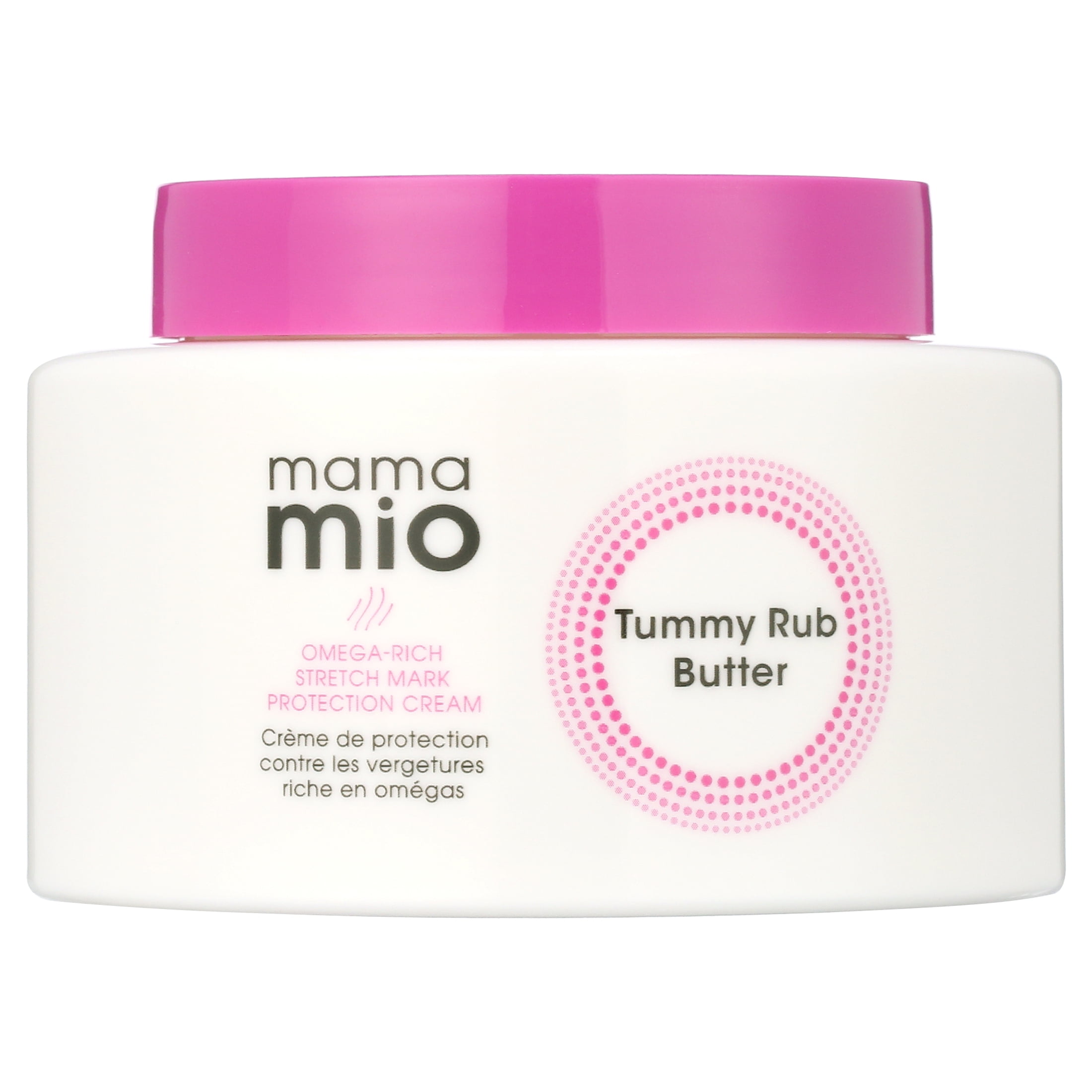
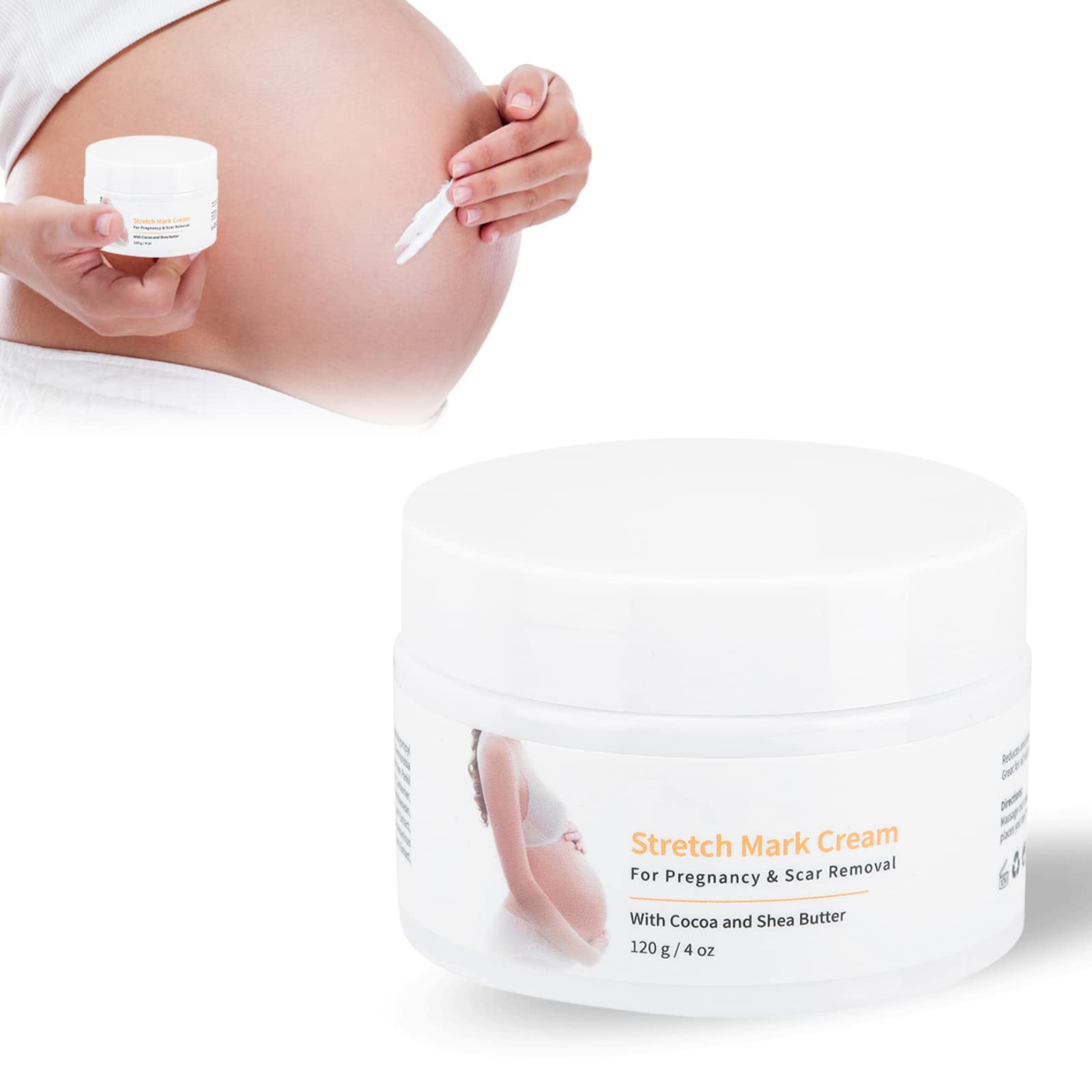
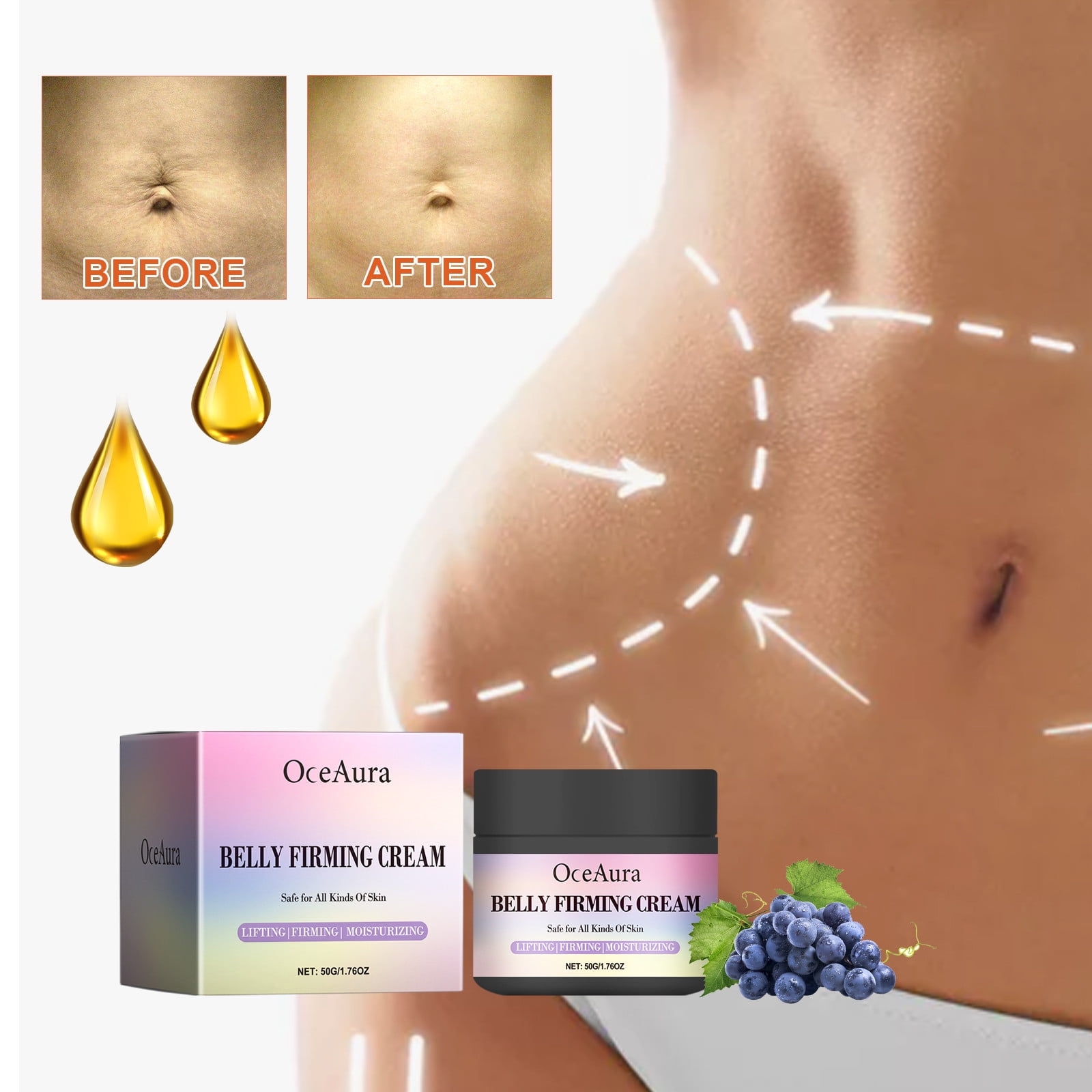
Topical creams marketed for postpartum belly firming are cosmetic products formulated to hydrate and support the skin's elasticity as it recovers following childbirth. While these products can improve skin texture and moisture levels,...
Topical creams marketed for postpartum belly firming are cosmetic products formulated to hydrate and support the skin's elasticity as it recovers following childbirth. While these products can improve skin texture and moisture levels, they do not medically tighten stretched abdominal muscles or reduce excess body fat. Their primary function is to provide superficial support to the skin’s appearance during the natural healing process.
Contents
Understanding Postpartum Abdominal Changes
Following pregnancy, the abdominal area undergoes significant physiological transformations. The skin, which has been stretched to accommodate fetal growth, requires time to retract. Simultaneously, the underlying musculature, specifically the rectus abdominis muscles, may have separated—a condition known as diastasis recti.
It is a common misconception that topical applications can repair the structural integrity of these muscles or drastically alter loose skin caused by significant collagen fiber stretching. Topical creams focus on the epidermis and dermis. By delivering humectants, emollients, and antioxidants, these products aim to soften the skin and maintain its pliability, which can make the abdomen appear smoother as the body gradually returns to its pre-pregnancy state.
The Role of Ingredients in Topical Firming Products
When evaluating creams for postpartum use, understanding the chemical composition is essential. Manufacturers often include ingredients intended to promote skin health, though scientific evidence regarding their ability to "firm" the belly is limited to surface-level dermatological improvements.
- Hyaluronic Acid: A potent humectant that attracts water to the skin, helping to plump the surface and reduce the appearance of fine lines or stretch marks.
- Retinoids (Vitamin A derivatives): Often researched for collagen production; however, users should exercise extreme caution. Many retinoids are not recommended for use while breastfeeding due to potential absorption concerns. Always consult a healthcare provider before use.
- Peptides: Short chains of amino acids that serve as building blocks for proteins like collagen and elastin. They are frequently included to support the structural appearance of the skin.
- Cocoa Butter and Shea Butter: These emollients are traditional choices for maintaining skin suppleness. They are highly effective at moisturizing the skin, which can prevent the itching and irritation that often accompanies skin retraction.
- Centella Asiatica: Often found in skincare, this herb is used to support skin barrier repair and soothe inflamed tissue.
Evidence-Based Expectations
Managing expectations is a critical component of postpartum recovery. Consumers often look for "firming" results that imply muscle tightening or fat loss, yet topical creams are physically unable to perform these functions. The recovery of the abdomen is largely dictated by genetics, physical activity levels, nutritional intake, and the amount of weight gained during pregnancy.
A cream can aid in the following ways:
- Hydration: Preventing dry, brittle skin can make stretch marks appear less prominent.
- Massage: The act of applying the cream—if accompanied by light, circular massage—can improve local blood circulation, which supports healthy skin cell turnover.
- Barrier Protection: Ensuring the skin barrier is intact helps the body focus its resources on healing rather than repairing damage from environmental stressors.
Comparative Overview of Topical Solutions
| Feature | Moisturizing Creams | Firming Lotions | Oils (e.g., Almond/Vitamin E) |
|---|---|---|---|
| Primary Goal | Hydration | Improved skin texture | Elasticity maintenance |
| Active Agents | Glycerin, Ceramides | Peptides, Antioxidants | Fatty acids, Vitamins |
| Best For | Daily maintenance | Targeted surface smoothing | Dry or sensitive skin |
| Absorption | Fast | Moderate | Slow |
Safety and Regulatory Considerations
The postpartum period is a unique medical state, particularly if a parent is nursing. When selecting a product, the safety of ingredients for the infant is paramount. Certain compounds, such as high-concentration caffeine or specific essential oils, may be discouraged by dermatologists or pediatricians for breastfeeding individuals.
In the United States, the Food and Drug Administration (FDA) categorizes most belly firming creams as cosmetics rather than drugs. This means these products do not undergo the same rigorous clinical trial requirements for efficacy that pharmaceuticals do. Consumers should look for products with transparent ingredient lists and avoid those that make "guaranteed" medical claims. Always patch-test a small area of skin before widespread application to ensure no allergic reaction occurs.
Integrating Firming Creams into Your Routine
To maximize the benefits of any topical product, consistency is required. Applying the cream immediately after a shower, while the skin is still slightly damp, can help lock in moisture more effectively.
- Preparation: Gently exfoliate the area once a week to remove dead skin cells.
- Application: Use a dime-sized amount and massage in a circular motion toward the center of the abdomen.
- Consistency: Apply once or twice daily. Improvements in skin texture are generally not instantaneous; noticeable results from improved hydration may take several weeks of consistent use.
- Integration: Combine topical use with hydration (drinking plenty of water) and, once cleared by a medical provider, core-strengthening exercises.
Frequently Asked Questions
Can these creams help with diastasis recti? No. Diastasis recti is a mechanical separation of the abdominal muscles. Topical creams cannot reach or alter the fascia or muscle tissue involved in this condition. Correcting diastasis recti typically requires specialized physical therapy or, in severe cases, surgical intervention.
Do these products remove stretch marks? They cannot remove stretch marks, which are essentially scars in the dermis. However, keeping the skin well-hydrated can reduce the visual depth and color contrast of fresh (red/purple) stretch marks, potentially helping them fade to a more neutral tone more quickly.
How soon can I start using these creams after birth? There is no universal timeline, but it is standard advice to wait until any surgical incisions (such as from a C-section) have fully healed and been cleared by an obstetrician. Avoid applying any topical product directly over an unhealed incision.
Are there ingredients I should avoid if I am breastfeeding? Yes. Always consult your pediatrician or OB-GYN. Ingredients like strong retinoids or certain synthetic fragrances should generally be avoided until you have verified their safety profile for lactating individuals.
Why do some creams feel "tighter" than others? Some formulations contain film-forming polymers that create a temporary tightening sensation on the surface of the skin as the product dries. This is a temporary visual and sensory effect and does not indicate a permanent structural change to the skin or muscle.
Conclusion and Next Steps
Postpartum recovery is a gradual process that relies primarily on time and bodily healing. While a cream for postpartum belly firming can be a valuable part of a self-care routine—helping to improve skin hydration, reduce itching, and enhance surface texture—it is best viewed as a supportive tool rather than a corrective treatment.
For the most effective results, focus on a balanced approach: utilize high-quality moisturizers to maintain skin health, maintain adequate hydration levels, and engage in recovery-focused physical therapy once cleared by your healthcare provider. If you have specific concerns regarding skin laxity or muscle recovery, consult a dermatologist or a pelvic floor physical therapist who can provide professional guidance tailored to your medical history.
Image Gallery