Exploring the Architectural and Historical Significance of Mariano Rivera's Properties
Mariano Rivera’s real estate holdings reflect a life defined by legendary athletic achievement, meticulous planning, and a deep connection to his roots in both New York and Panama. As one of the most dominant relief pitchers in Major L...
Mariano Rivera’s real estate holdings reflect a life defined by legendary athletic achievement, meticulous planning, and a deep connection to his roots in both New York and Panama. As one of the most dominant relief pitchers in Major League Baseball history, spending his entire 19-year career with the New York Yankees, Rivera invested carefully in residential properties that balanced privacy, family life, and athletic training needs. Examining the properties associated with the Baseball Hall of Famer reveals a portfolio characterized by luxury, functionality, and long-term residency.
Contents
Understanding the scope of Mariano Rivera’s real estate footprint involves looking at his primary long-term residence in Westchester County, New York, as well as his connection to his homeland of Panama. These properties illustrate how elite sports figures manage privacy, security, and lifestyle changes following retirement. This analysis breaks down the architectural details, geographic locations, and real estate transactions associated with the legendary closer.
The Westchester County Residence: A Private Sanctuary
The anchor of Mariano Rivera’s real estate portfolio has long been his estate in Westchester County, New York. Situated just north of New York City, Westchester offers the ideal blend of suburban privacy and convenient access to Yankee Stadium during his active playing days.
Location and Neighborhood Characteristics
Westchester County has historically served as a preferred enclave for professional athletes, executives, and celebrities who require proximity to Manhattan without sacrificing space. Rivera’s choice of this region allowed him to raise his family away from the relentless media glare of New York City while maintaining a manageable commute to the Bronx. The area is known for its rolling hills, heavily wooded lots, security-conscious municipalities, and high-end residential architecture.
Architectural Layout and Amenities
Properties in this tier of Westchester real estate typically feature expansive square footage, custom-built construction, and high-end security infrastructure. While specific architectural blueprints are private, luxury homes in Rivera’s former or current neighborhood categories generally incorporate:
- Multi-acre lots providing natural buffers and gated security perimeters.
- Custom interior finishes, including chef-grade kitchens, multiple master suites, and specialized entertainment wings.
- Recreational facilities tailored to professional athletes, such as private fitness centers, home theaters, and expansive outdoor grounds.
- Sustainable landscaping and privacy plantings designed to shield the property from public view.
Real Estate Footprint Comparison
| Property Location | Primary Function | Estimated Era / Acquisition | Key Features |
|---|---|---|---|
| Westchester County, New York | Primary Family Residence | Active Playing Career to Present | Multi-acre privacy, custom security, proximity to New York City. |
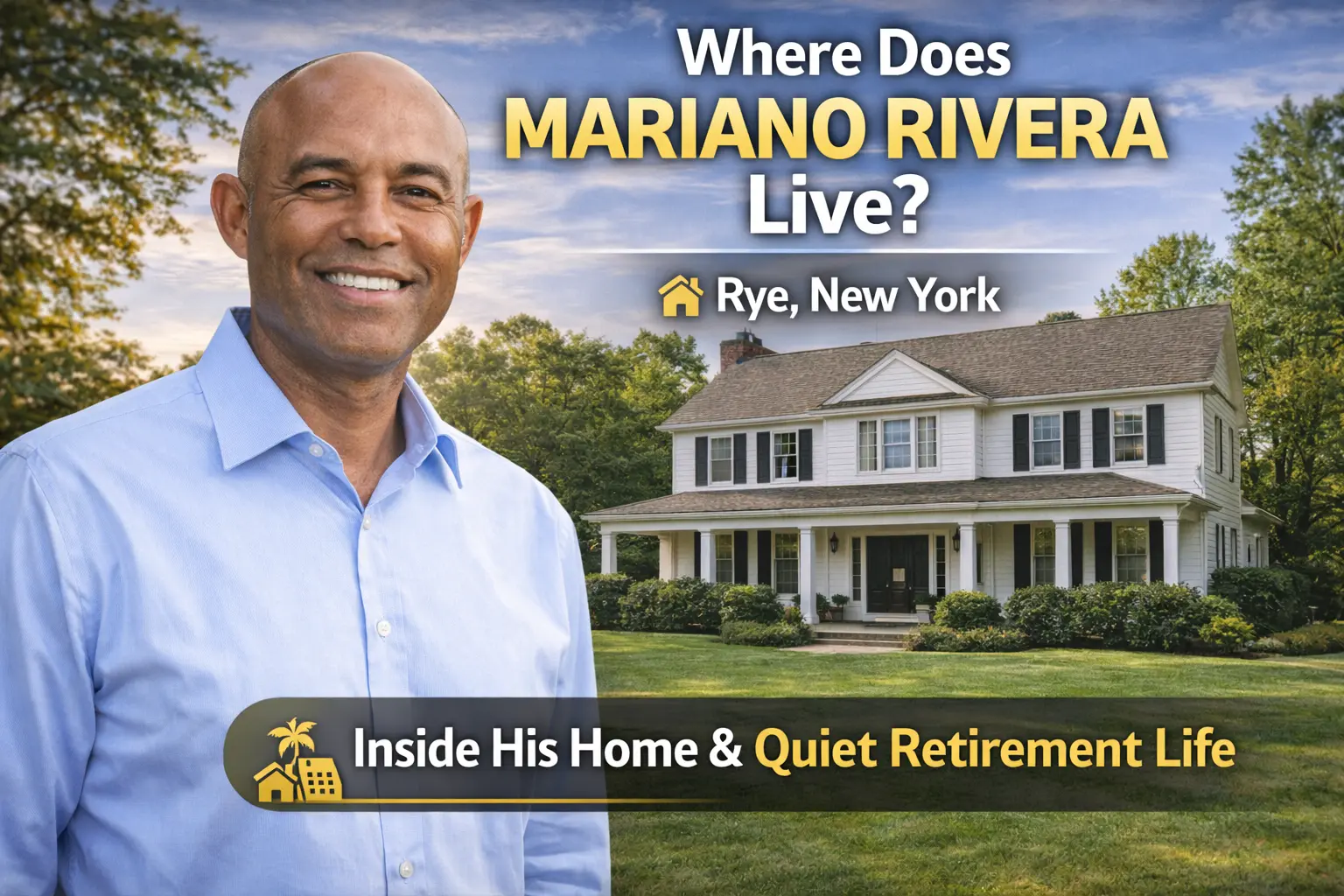
| Rye, New York (Adjacent Suburbs) | Regional Investment / Transition | Post-Career Holding | Suburban convenience, high-end architectural finish. |
| Panama (Puerto Caimito / Regional) | Hometown Ties / Vacation | Lifelong Connection | Waterfront or ancestral ties, community engagement projects. |
Connection to Panama: Roots in Puerto Caimito
Beyond his New York-area real estate, Mariano Rivera maintains a profound connection to his birthplace of Puerto Caimito, Panama. While not a commercial luxury estate in the traditional sense, his ongoing investments and presence in Panama form a vital component of his property profile.
Philanthropic and Community Real Estate
Rivera has consistently channeled resources back into Puerto Caimito, funding community centers, churches, and youth baseball facilities. Rather than focusing purely on private luxury compounds in Central America, his real estate footprint in Panama emphasizes community upliftment. These projects reflect his deep humility and commitment to the fishing village where he grew up repairing nets with his father before discovering baseball.
Residential Presence
When visiting Panama, Rivera utilizes private family residences that accommodate extended family gatherings. These properties emphasize security, local architectural styles adapted to tropical climates, and seamless indoor-outdoor living spaces. They serve as a seasonal retreat from his North American commitments.
Real Estate Investment Strategies of Elite Athletes
The trajectory of Mariano Rivera’s property holdings offers insight into prudent asset management among elite professional athletes. Real estate serves as a tangible, long-term store of value, contrasting with the volatile nature of career earnings.
Privacy and Security Considerations
For a player of Rivera’s stature—holding the all-time Major League record with 652 saves and earning unanimous induction into the National Baseball Hall of Fame—residential privacy is paramount. High-profile athletes face unique security challenges, making gated entries, advanced surveillance systems, and private acreage non-negotiable elements when selecting a home. Westchester County provided the necessary zoning and municipal support to maintain this level of seclusion.
Long-Term Holding vs. Flipping
Unlike speculative real estate investors who buy and sell properties rapidly for short-term profit, Rivera’s history indicates a preference for long-term residency and stability. By settling into Westchester County for decades, he minimized transactional friction, property taxes associated with frequent turnover, and the logistical challenges of relocating a growing family.
Frequently Asked Questions
Where is Mariano Rivera’s primary home located?
Mariano Rivera’s primary long-term residence is located in Westchester County, New York. This location provided him with convenient access to Yankee Stadium throughout his career while offering suburban privacy and security for his family.
Does Mariano Rivera still own property in Panama?
Yes, Rivera maintains strong personal and real estate ties to Panama, specifically his hometown of Puerto Caimito. In addition to private family accommodations, his presence in the region includes significant investments in community infrastructure, churches, and athletic facilities.
What features are typical of homes in Westchester County's luxury market?
Luxury homes in Westchester County typically feature multi-acre heavily wooded lots, custom security gates, expansive square footage, gourmet kitchens, home fitness centers, and professional landscaping designed to ensure maximum privacy from neighboring properties and public roads.
How did Rivera’s career with the New York Yankees influence his real estate choices?
Playing his entire 19-year career for a single New York-based franchise allowed Rivera to establish permanent roots in the tri-state area rather than relocating frequently. This stability encouraged long-term investments in Westchester County rather than temporary rental arrangements.
Are Mariano Rivera’s properties open to the public?
No, all of Mariano Rivera’s residential properties are private private-family estates. They are not open for public tours, nor are their exact street addresses publicized to protect the privacy and security of the residents.
Practical Guidance on Researching Athlete Real Estate
For individuals tracking sports real estate trends or analyzing how athletes structure their asset portfolios, observing long-term residency patterns offers clear lessons. Prioritizing stable, secure locations over speculative urban markets protects personal well-being and capital alike. When examining public records or reported real estate transactions of retired athletes, always rely on verified municipal records, title deeds, and reputable journalistic sources rather than unverified social media rumors. Long-term property retention, community reinvestment, and robust security integration remain the hallmarks of successful estate planning in professional sports.
Image Gallery