Navigating Morningstar Ratings and Fidelity Funds for 2026 Portfolio Strategy
This article focuses on the intersection of Morningstar’s analytical fund research and Fidelity Investments’ mutual fund and ETF offerings. It is intended for self-directed investors and financial professionals evaluating fund performa...
This article focuses on the intersection of Morningstar’s analytical fund research and Fidelity Investments’ mutual fund and ETF offerings. It is intended for self-directed investors and financial professionals evaluating fund performance, cost-efficiency, and risk-adjusted returns within the 2026 market landscape.
Contents
Decoding the Morningstar Rating System for Fidelity Portfolios
The Morningstar Rating for funds, often referred to as the star rating, is a quantitative assessment of a fund’s past performance, adjusted for risk and cost. As of 2026, these ratings are calculated based on a fund’s Morningstar Risk-Adjusted Return measure. This metric evaluates the monthly excess returns of a fund over a risk-free rate, adjusted for the variation in those returns.
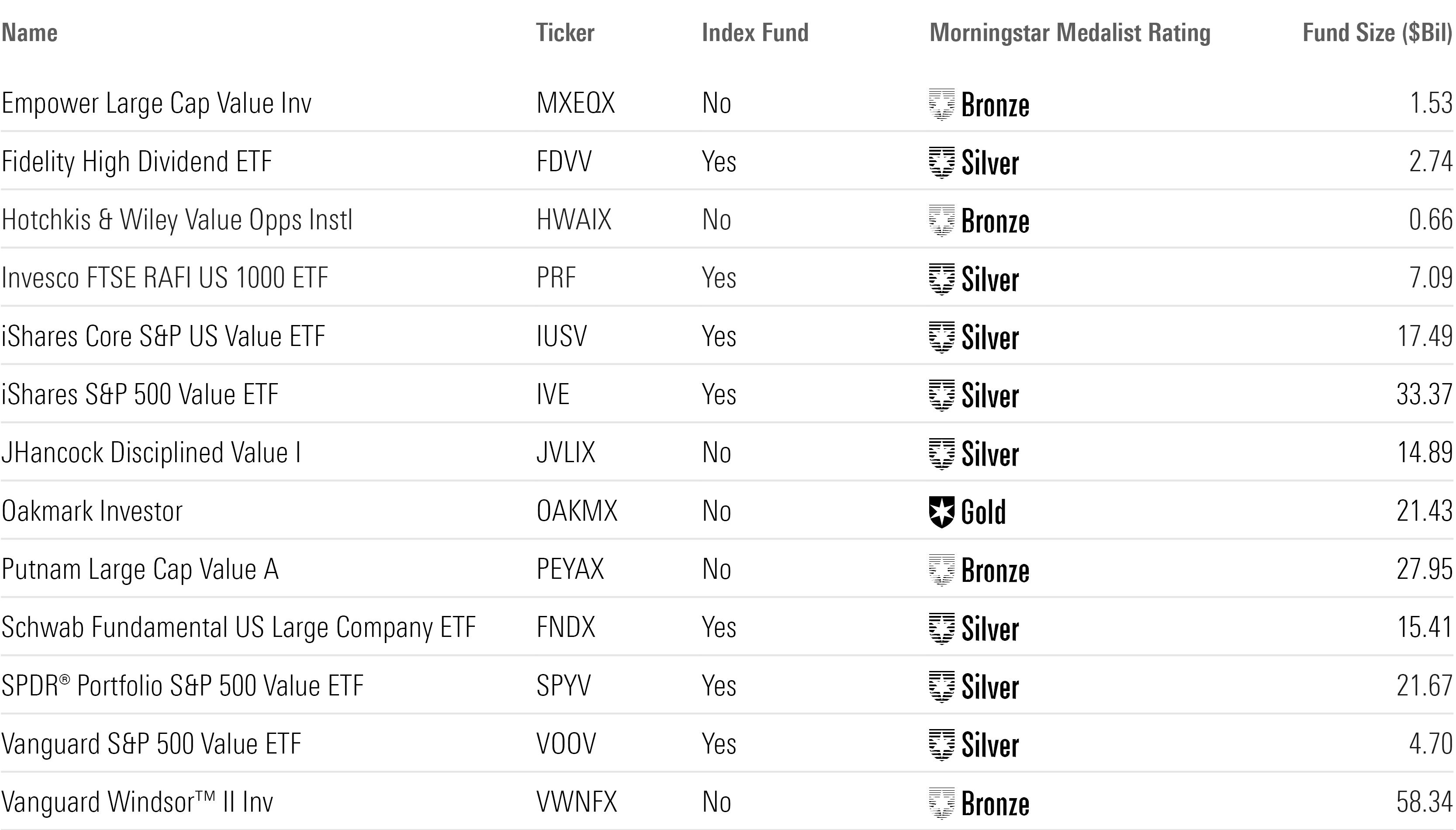
When applying this to Fidelity funds, investors must distinguish between the quantitative star rating and the qualitative Morningstar Medalist Rating. While the star rating looks exclusively at the past, the Medalist Rating—Gold, Silver, Bronze, Neutral, and Negative—is forward-looking. Analysts at Morningstar assess the "People," "Parent," and "Process" pillars to determine if a Fidelity fund is likely to outperform its benchmark or peers over a full market cycle. In 2026, many of Fidelity’s low-cost index funds continue to hold high conviction ratings due to their tight tracking error and minimal expense ratios.
Comparative Analysis of Fidelity Fund Categories and Performance Metrics
Investors often utilize Morningstar’s Category groups to compare Fidelity’s active and passive strategies against the broader universe. The following table illustrates how different Fidelity asset classes currently align with market benchmarks and expense efficiency.
| Fidelity Fund Category | 2026 Average Expense Ratio | Morningstar Category | Primary Investment Strategy |
|---|---|---|---|
| Fidelity 500 Index | 0.015% | Large Blend | Passive S&P 500 Tracking |
| Fidelity Contrafund | 0.85% | Large Growth | Active Fundamental Research |
| Fidelity Total Bond | 0.45% | Intermediate Core Bond | Active Fixed Income Management |
| Fidelity International Index | 0.035% | Foreign Large Blend | Passive MSCI EAFE Tracking |
Evaluating Fidelity’s Active Management vs. Passive Indexing
A primary point of contention in 2026 portfolio construction is the trade-off between Fidelity’s actively managed funds and their zero-expense ratio index products. Active managers argue that in volatile 2026 market sectors, such as emerging technology or specialized energy transitions, human oversight provides superior downside protection.
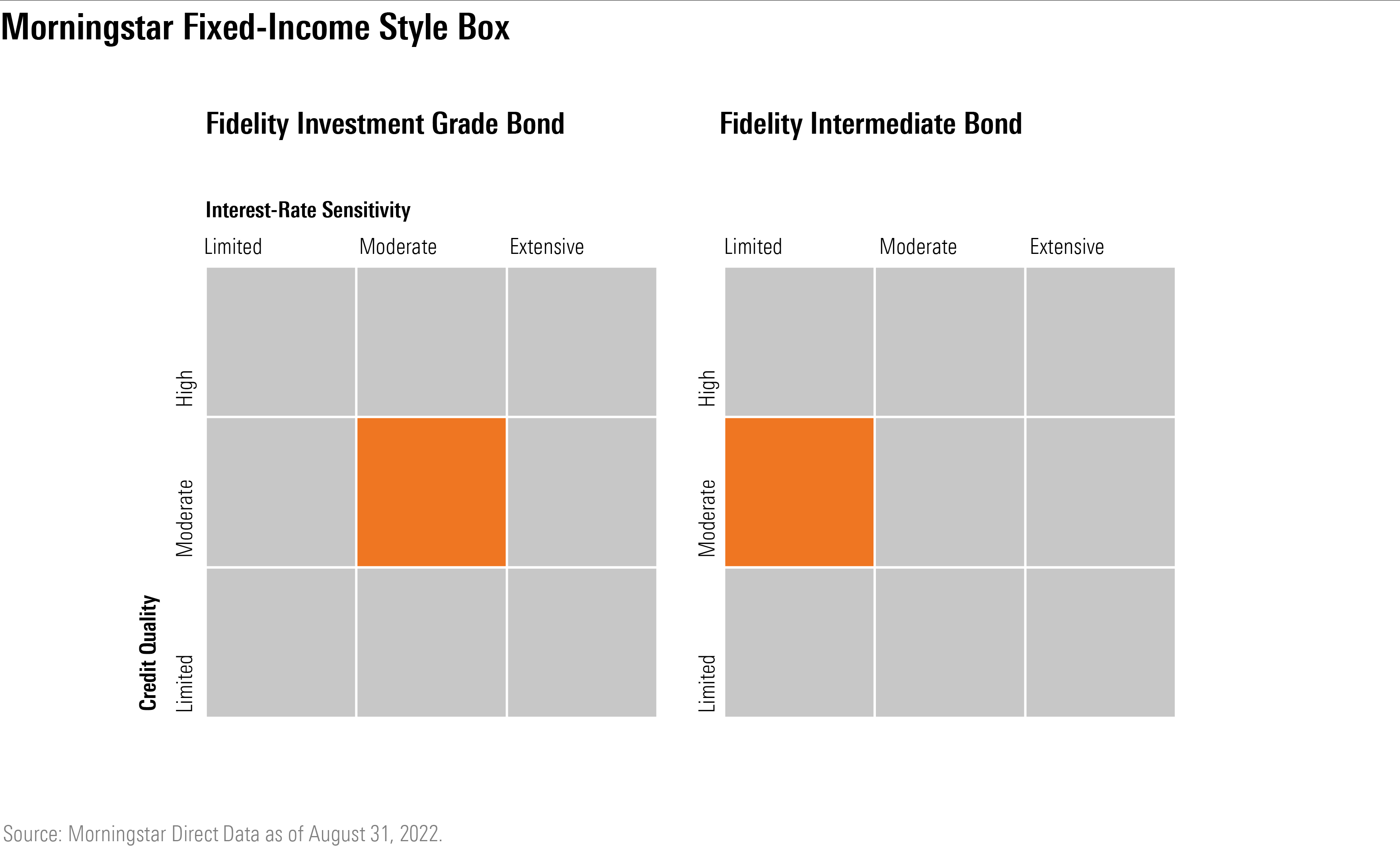
Conversely, Morningstar data consistently highlights that for core equity exposure, low-cost index products frequently outperform active counterparts over a ten-year horizon. When selecting a Fidelity fund, verify the "Style Box" on the Morningstar profile. A fund that drifts from its stated style—for example, a large-cap growth fund holding mid-cap value stocks—can introduce unintended factor tilts into your portfolio, potentially increasing volatility beyond your risk tolerance.
Operational Requirements for Analyzing Funds in 2026
To maximize your research utility, navigate the Morningstar website or terminal using these technical filters:
- Identify the Fund's Prospectus Net Expense Ratio: This figure is your guaranteed cost of ownership. In 2026, there is no justification for paying high fees for standard beta exposure.
- Review the Manager Tenure: Morningstar assigns high importance to the stability of the management team. If a Fidelity fund has experienced a recent change in lead portfolio manager, it may be placed under review.
- Assess Portfolio Overlap: If you hold multiple Fidelity equity funds, use the "Instant X-Ray" tool to ensure you are not inadvertently over-concentrating in specific sectors like semiconductors or financials.
- Check the Tax-Cost Ratio: For taxable accounts, prioritize funds with a lower tax-cost ratio, which measures how much of a fund's annualized return is lost to taxes on distributions.
Risk Management and Portfolio Volatility
Institutional investors and sophisticated retail traders utilize Morningstar’s Beta and Alpha statistics to stress-test their Fidelity holdings. A Beta of 1.0 indicates the fund moves in lockstep with the market; a Beta above 1.0 suggests heightened volatility. Given the fiscal environment of 2026, many investors are gravitating toward Fidelity funds with lower Betas and higher Sharpe Ratios, indicating better return-per-unit-of-risk.
Key Performance Considerations for 2026
Portfolio Diversification Strategy Do not rely on star ratings alone. Ensure that your total allocation maintains appropriate geographic and sectoral diversification. Morningstar’s Portfolio tab provides an "Equity Style Box" map that helps visualize whether your combined Fidelity holdings are leaning too heavily toward growth or value.
Fee Discipline Expense ratios are the only component of fund performance that the investor can fully control. Regularly audit your Fidelity portfolio to ensure that you are not paying active management premiums for performance that effectively mimics an index fund.
Common Inquiries Regarding Fidelity and Morningstar
How often are Morningstar ratings updated for Fidelity funds? Morningstar updates the quantitative star ratings for Fidelity funds monthly, based on the most recent month-end performance data. Qualitative Medalist ratings are reviewed annually or whenever there is a significant change in the fund's management or strategy.
Does Fidelity provide Morningstar data directly in my account dashboard? Yes, Fidelity’s research portal integrates Morningstar data, including star ratings, analyst commentary, and risk metrics, directly into the "Research" tab of your personal investment dashboard.
Are there Fidelity funds that are consistently rated highly by Morningstar? Fidelity’s broad-market index funds and specific actively managed funds with long-tenured managers often maintain high ratings. However, consistency is never guaranteed; investors should monitor the "Manager Score" and "Parent Pillar" for changes.
What is the difference between a Gold Medalist rating and a 5-star rating? A 5-star rating is a backward-looking quantitative score based on past risk-adjusted returns. A Gold Medalist rating is a forward-looking assessment by Morningstar analysts who believe the fund will outperform its benchmark over the long term.
Should I sell a Fidelity fund if its Morningstar rating drops? A drop in rating is not an automatic sell signal. It serves as a prompt for re-evaluation. Investigate why the rating dropped: was it purely performance-based, or was there a fundamental change in the management team or the fund’s investment process?
Strategic Next Steps for Your Investment Journey
To refine your investment approach, perform an annual audit of your Fidelity positions using the criteria outlined. Start by isolating your highest-fee funds and comparing their five-year performance against the relevant Fidelity index benchmarks. If you determine your portfolio requires recalibration, utilize the Fidelity "Portfolio Analysis" tool to simulate the tax impact of rebalancing before executing any trades. Maintaining a disciplined, evidence-based approach is the most effective way to navigate the complexities of 2026 market cycles.
Image Gallery