Understanding 12 A.M. Pacific Time: Precise Conversions and Operational Impact for 2026
12 a.m. Pacific Time marks the exact beginning of a new day in the Pacific Time Zone. When it is 12 a.m. Pacific Standard Time (PST) or Pacific Daylight Time (PDT), it represents the transition point where the date increments by one. T...
12 a.m. Pacific Time marks the exact beginning of a new day in the Pacific Time Zone. When it is 12 a.m. Pacific Standard Time (PST) or Pacific Daylight Time (PDT), it represents the transition point where the date increments by one. This specific time is critical for global scheduling, digital deployments, and international financial market operations throughout 2026.
Contents
Technical Definitions of Pacific Time in 2026
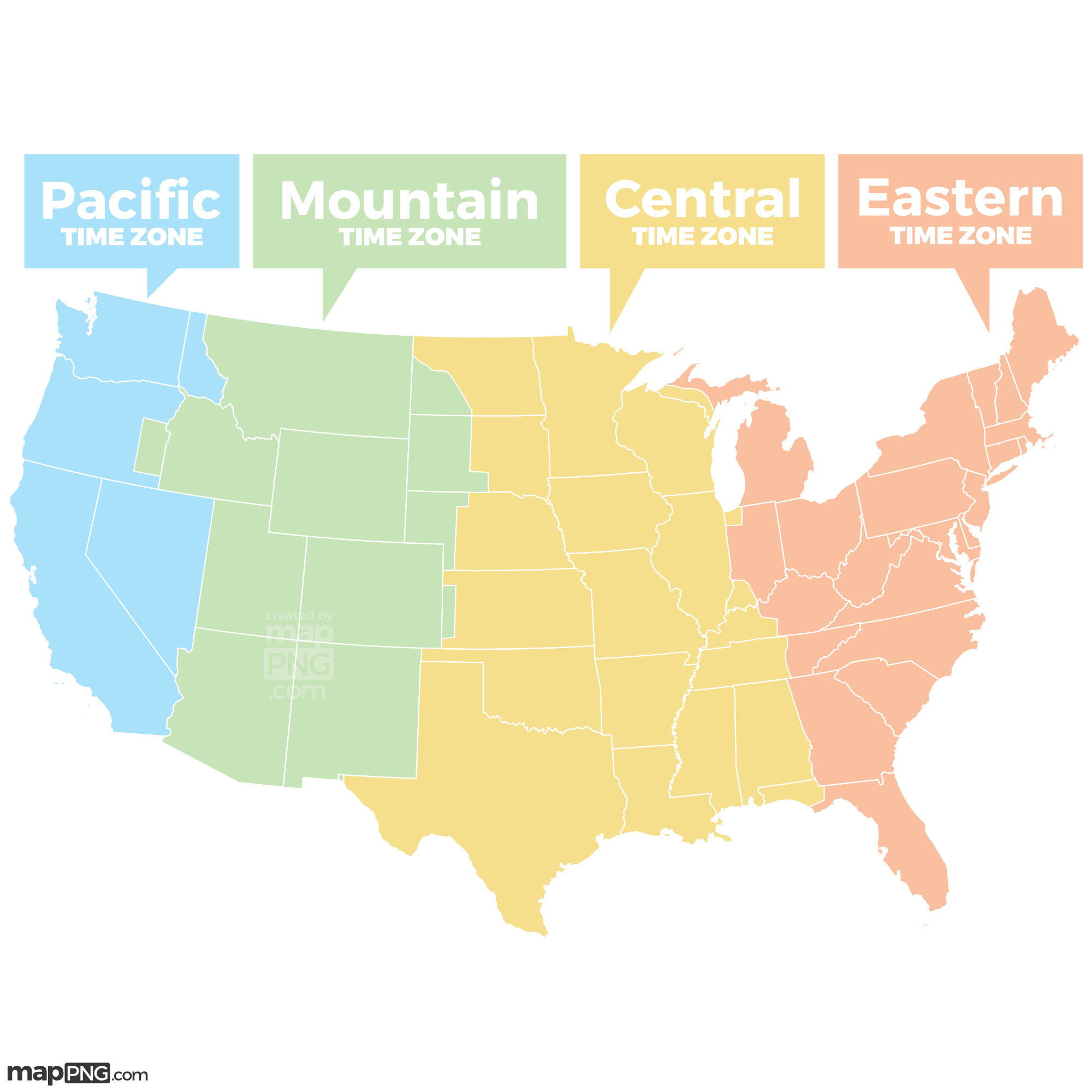
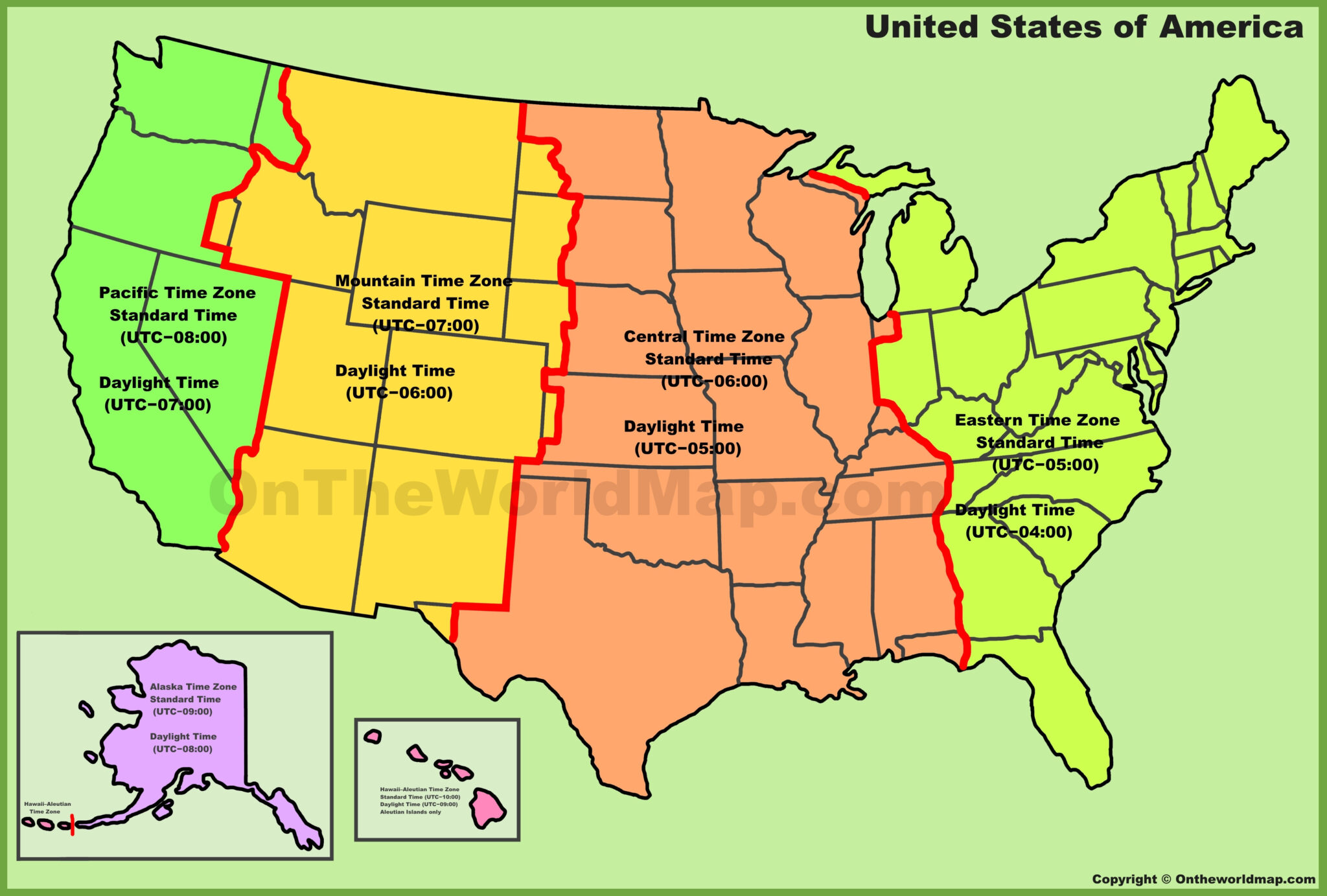
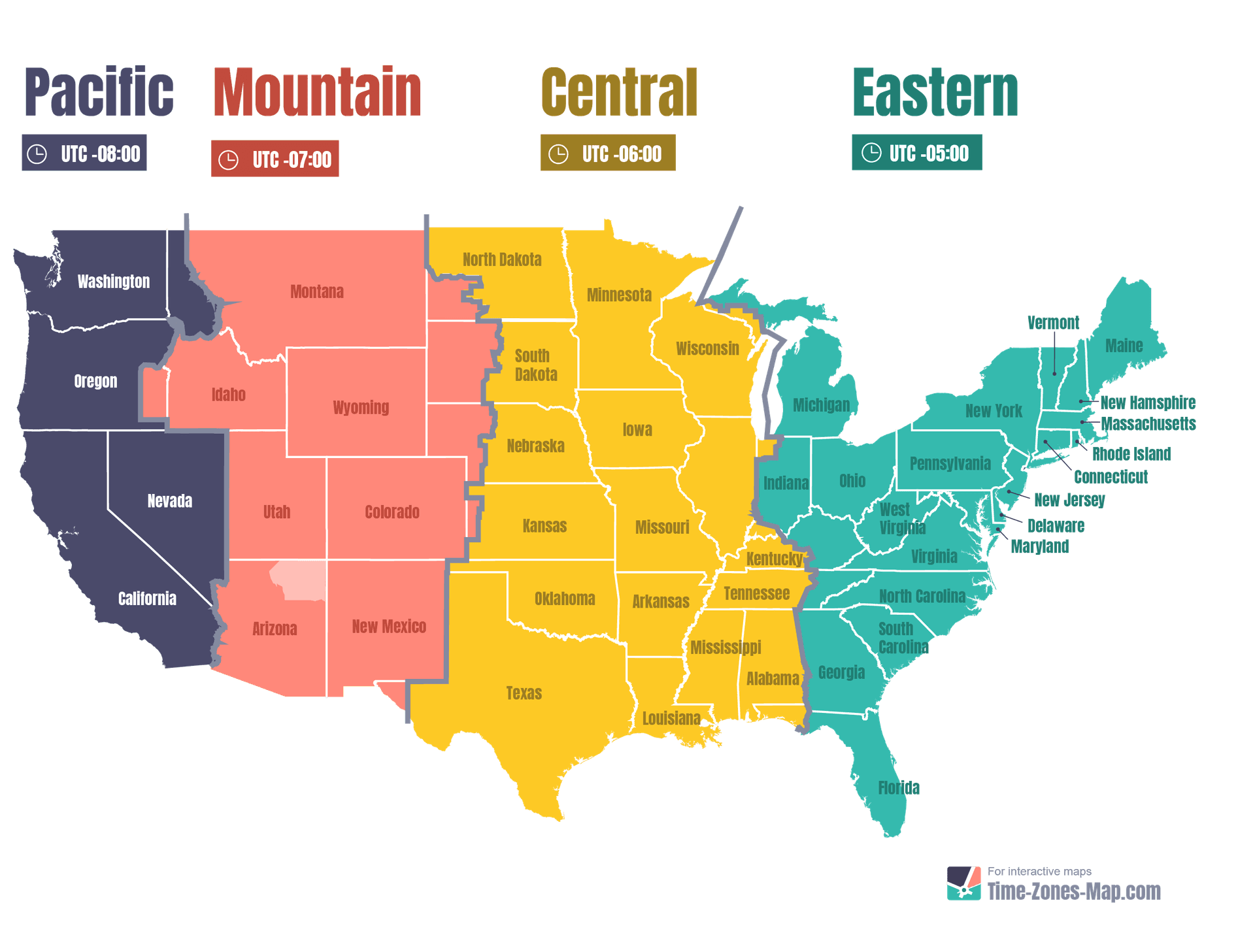
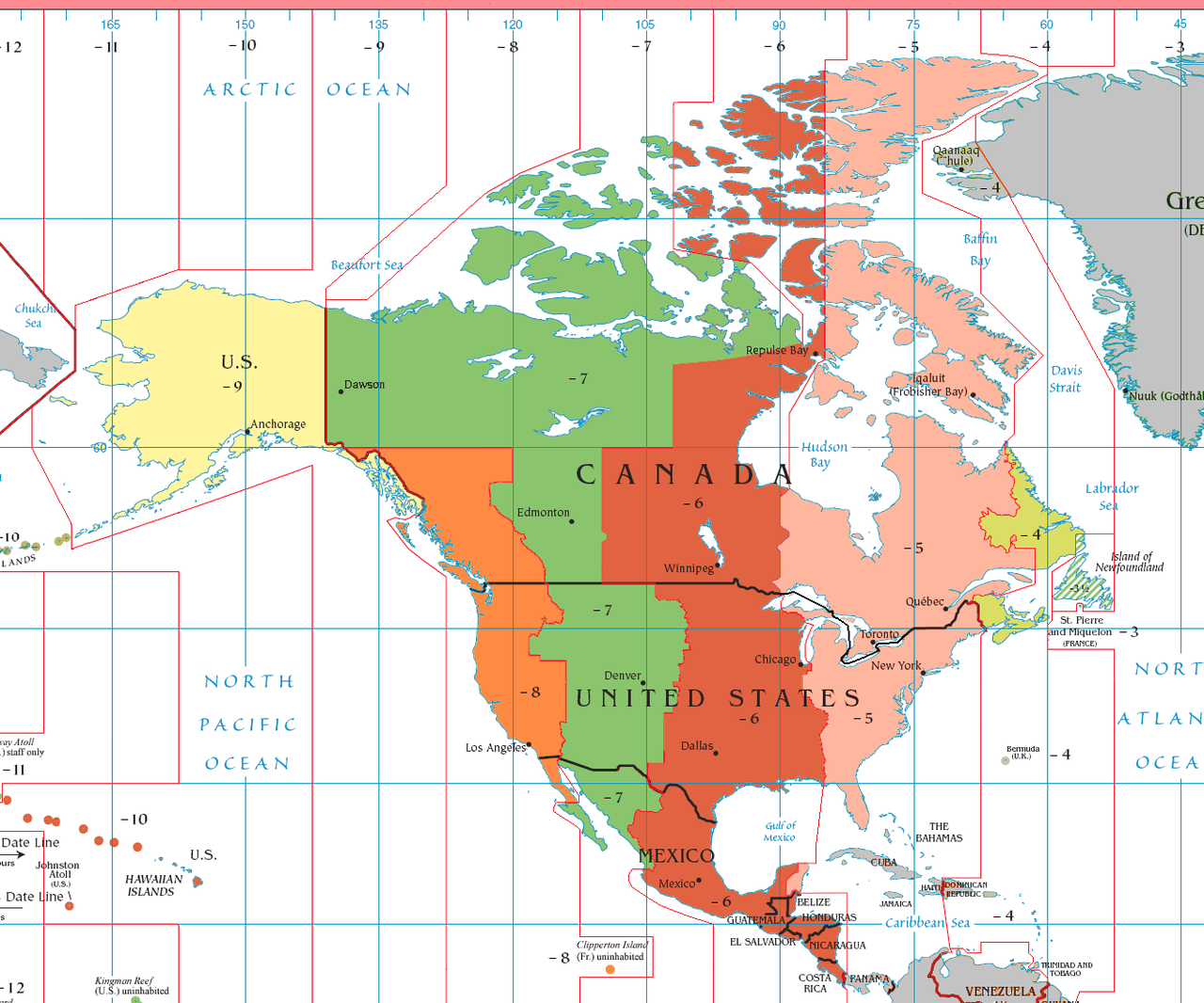
Pacific Time is a composite term covering both Pacific Standard Time (PST) and Pacific Daylight Time (PDT). In the United States and Canada, the transition between these two offsets is governed by strict federal regulations. Understanding when these shifts occur is essential for maintaining synchronization in distributed systems and scheduling.
- Pacific Standard Time (PST): This is UTC-8. It is the default time observed during the winter months.
- Pacific Daylight Time (PDT): This is UTC-7. It is the time observed during the warmer months, incorporating Daylight Saving Time (DST).
The 2026 Daylight Saving Time Calendar
In 2026, the shift in Pacific Time follows the established North American schedule. You must account for these exact dates when scheduling events or automated processes that rely on absolute UTC timestamps.
| Event | 2026 Date | Time Adjustment |
|---|---|---|
| Start of Daylight Saving Time | March 8, 2026 | Clocks move forward one hour at 2 a.m. local time |
| End of Daylight Saving Time | November 1, 2026 | Clocks move back one hour at 2 a.m. local time |
Global Time Zone Offsets and Conversion Logic
When navigating global operations, 12 a.m. Pacific Time translates differently depending on the active offset. During PST (winter), 12 a.m. is equivalent to 08:00 UTC. During PDT (summer), 12 a.m. shifts to 07:00 UTC. Failure to account for this one-hour variance often leads to technical errors in API calls, cron job execution, and international business communication.
Operational Accuracy Note Always verify if your specific infrastructure utilizes Coordinated Universal Time (UTC) or local wall-clock time. Systems configured to local time will automatically shift during the March and November transition dates, whereas systems locked to UTC require manual or programmatic handling to maintain the intended 12 a.m. Pacific execution target.
Strategic Scheduling for Digital Deployments
For technical teams and project managers, 12 a.m. Pacific is a "witching hour." It is frequently chosen for software releases, database migrations, and server maintenance because it captures the lowest period of user traffic for companies headquartered on the U.S. West Coast.
Best Practices for 12 A.M. Pacific Execution
- Normalization: Always store your event timestamps in ISO 8601 format with the appropriate offset (e.g., 2026-05-15T00:00:00-07:00 for PDT).
- Redundancy: If an automated deployment is scheduled for 12 a.m. PT, ensure that secondary fallbacks are set to trigger based on UTC-offsets rather than "server local time" to prevent confusion during clock transitions.
- Client Communication: When notifying global stakeholders, define the time using both the local Pacific reference and the absolute UTC equivalent to eliminate ambiguity.
Analyzing Regional Impact and Business Continuity
Businesses operating within the Pacific Time Zone—including major hubs like Los Angeles, San Francisco, Seattle, and Vancouver—must synchronize their physical and digital infrastructures. For industries like finance and high-frequency data streaming, the gap between 12 a.m. Pacific and market opening times in New York or London requires precise, automated synchronization.
- Retail and E-commerce: Promotions launched at 12 a.m. Pacific allow West Coast customers to participate immediately while capturing the morning traffic in Eastern time zones.
- Media and Broadcasting: Synchronized releases at this hour ensure that digital content availability aligns across all major North American media markets simultaneously.
Frequently Asked Questions Regarding Pacific Time
What is the difference between 12 a.m. and 12 p.m. Pacific Time?
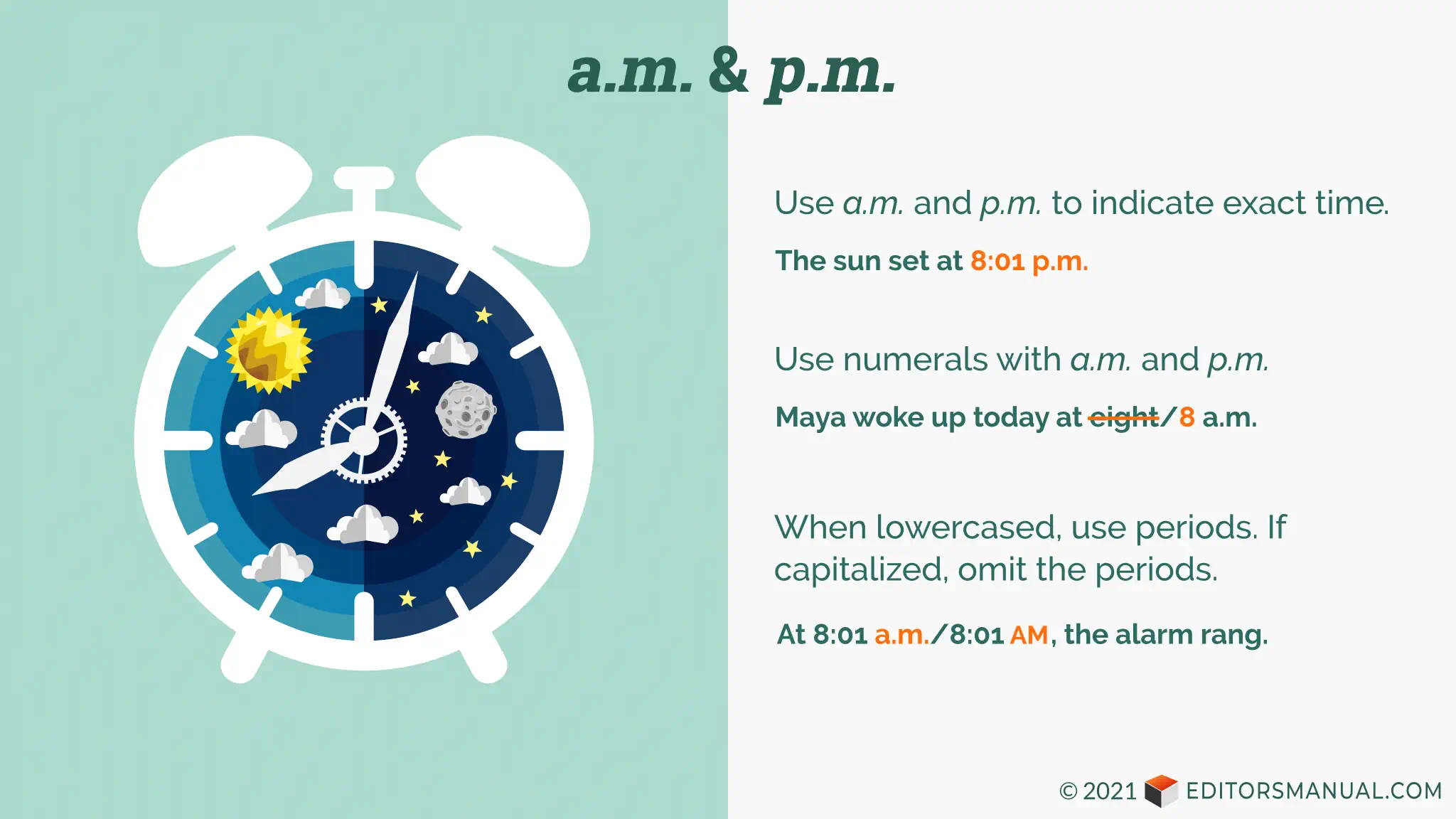
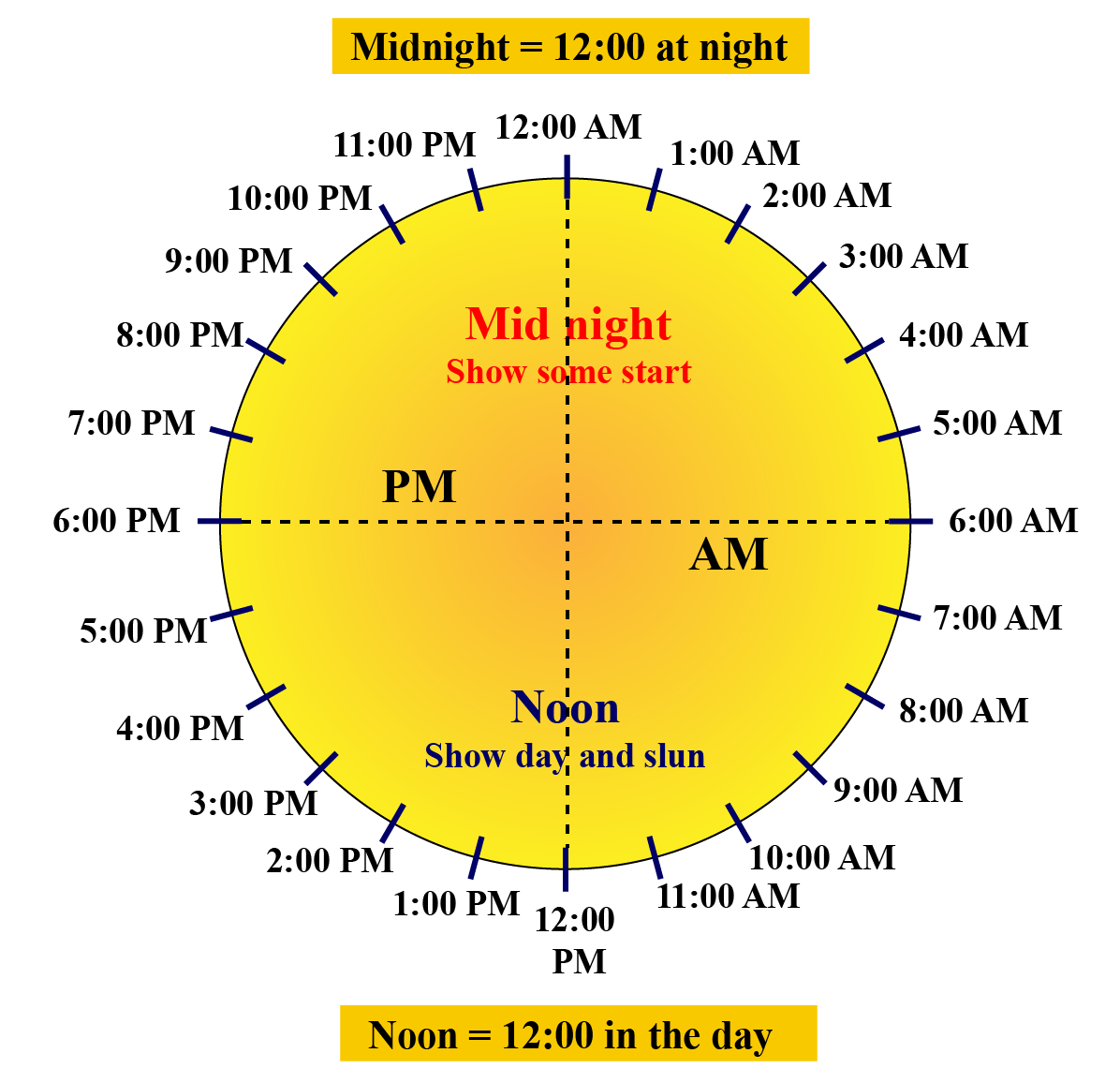
12 a.m. is midnight, marking the start of a new calendar day. 12 p.m. is noon, representing the transition from morning to afternoon.
Does Pacific Time change throughout the year?
Yes, Pacific Time switches between PST (UTC-8) and PDT (UTC-7) due to Daylight Saving Time. This shift changes the UTC offset of 12 a.m. Pacific by one hour.
Why is 12 a.m. Pacific often used for product launches?
It is the standard window for minimizing disruption to the majority of the U.S.-based user base, as it falls during the early morning hours when traffic volumes are historically at their lowest.
How do I calculate 12 a.m. PT to my local time?
Identify your local UTC offset and compare it to the current Pacific offset (either UTC-7 or UTC-8). For example, if you are in UTC+1, 12 a.m. PDT (UTC-7) would be 8 a.m. in your local time.
Are there any areas in the Pacific Time zone that do not observe Daylight Saving?
No, the standard Pacific Time zone as observed in the primary U.S. and Canadian regions follows the uniform Daylight Saving schedule. Always check local municipal ordinances if operating in peripheral jurisdictions.
Managing Time Transitions for 2026 and Beyond
As we navigate through 2026, the reliance on automated time-keeping remains a cornerstone of efficient operations. Whether you are managing server clusters, coordinating global meetings, or scheduling customer-facing events, the transition at 12 a.m. Pacific Time serves as a critical marker. By maintaining strict adherence to UTC standards and verifying your seasonal offset, you eliminate the risk of scheduling drift.
For high-stakes environments, utilize centralized Network Time Protocol (NTP) servers to ensure that all internal systems remain perfectly synced to the millisecond, preventing the "drift" that often occurs when manual time-setting is performed.
Image Gallery