Why the Argentina Grasslands Matter for Global Supply Chains
The Argentina grasslands—primarily known as the Pampas—serve as a critical pillar of global food security, acting as one of the world’s most productive breadbaskets. By providing vast quantities of high-protein soybeans, maize, and whe...
The Argentina grasslands—primarily known as the Pampas—serve as a critical pillar of global food security, acting as one of the world’s most productive breadbaskets. By providing vast quantities of high-protein soybeans, maize, and wheat, these ecosystems function as a foundational node in the agricultural supply chain, directly influencing global commodity prices, livestock feed stability, and industrial processing volumes across major international markets.
Contents
Understanding the Ecological Significance of the Pampas
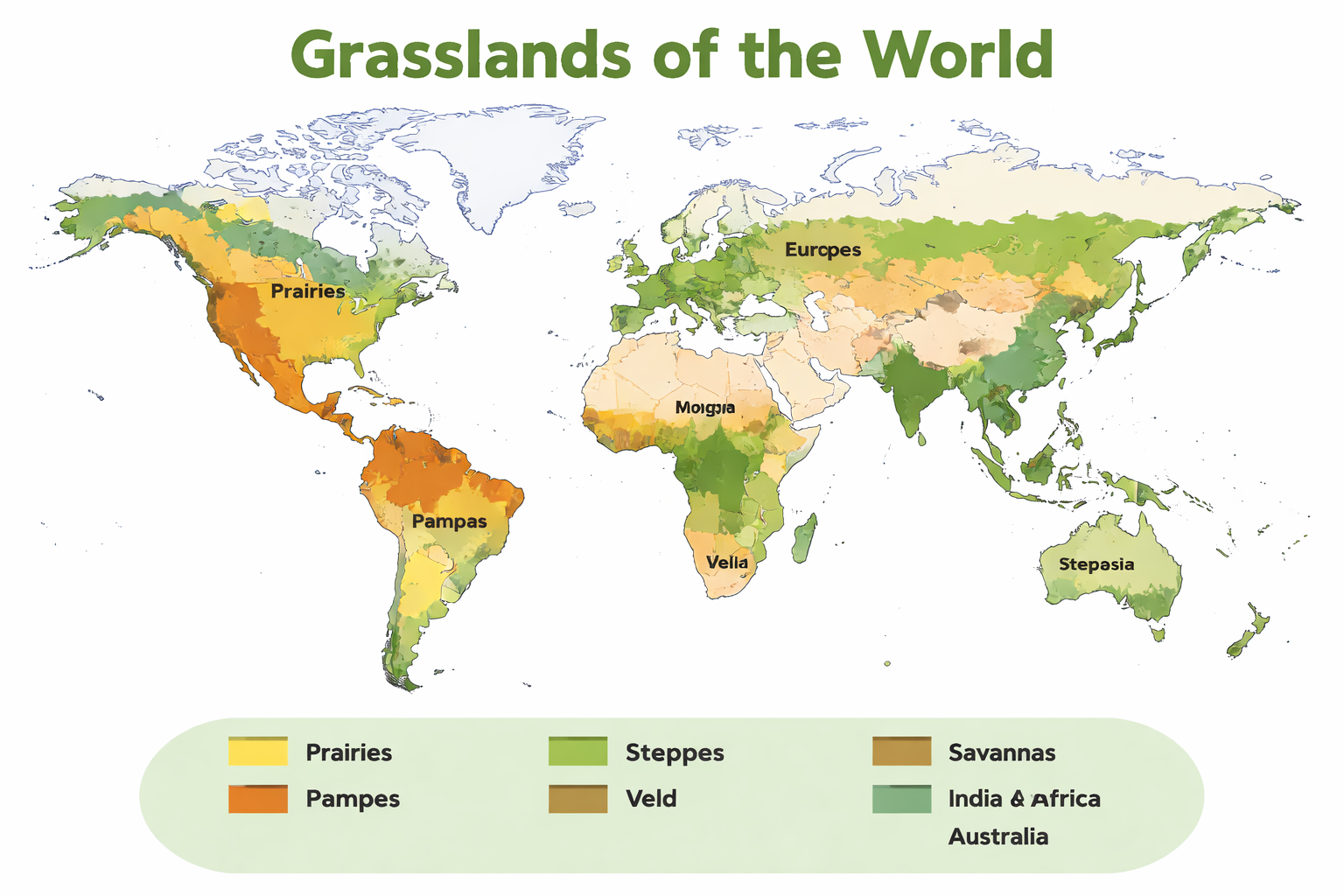
The Pampas is a vast, fertile plain covering over 750,000 square kilometers in central Argentina. Its geological history, characterized by deep, nutrient-rich soils known as Mollisols, provides a natural advantage for large-scale agricultural production. Unlike regions that require intensive chemical soil modification, the Pampas supports high-yield monoculture and mixed-farming cycles with lower relative input costs, making it an economically competitive landscape for global export.
From a supply chain perspective, the environmental consistency of the grasslands allows for predictable planting and harvesting windows. As global demand for protein increases—driven largely by the expansion of intensive livestock farming in emerging markets—the ability of the Pampas to consistently produce high-quality soy and corn makes it an irreplaceable geographic asset.
The Role of Soy and Grain in Global Logistics
Argentina ranks as one of the world’s top exporters of soybean meal and soybean oil. This is not merely a matter of farming; it is a complex industrial integration. The supply chain relies on a specialized "crushing" infrastructure located near the Rosario port hub. Here, raw soybeans are processed into meal and oil, which are then shipped globally.
Key Commodity Contributions
- Soybean Meal: Essential for global aquaculture and poultry production. The high protein content of Argentine soy makes it a preferred input for industrial feed manufacturers in Europe, Southeast Asia, and China.
- Maize (Corn): Argentina is a primary supplier of dent corn, used extensively in both human food processing and high-efficiency livestock feed formulas.
- Wheat: Provides critical supply stability, particularly during periods of volatility in Northern Hemisphere harvests.
The logistical efficiency of the Paraná River—which allows large ocean-going vessels to load directly at industrial ports—is a unique feature that lowers transport costs compared to land-locked agricultural regions. This proximity between the grasslands and international shipping lanes is a significant competitive advantage that underpins the reliability of the global food supply.
Comparison of Strategic Agricultural Regions
To understand the importance of the Argentine grasslands, one must view them in the context of other major global production hubs. The following table highlights the unique operational profile of the Pampas.
| Feature | Argentina (Pampas) | USA (Midwest) | Brazil (Cerrado) |
|---|---|---|---|
| Primary Advantage | Deep, organic-rich soil | Advanced infrastructure | Rapidly scaling acreage |
| Logistics | River-port integration | Extensive rail/inland waterways | Developing port/road capacity |
| Crop Versatility | High (Soy/Corn/Wheat mix) | High (Corn/Soy) | Medium (Soy dominated) |
| Climate Sensitivity | High (El Niño/La Niña) | Medium | Medium-Low |
Supply Chain Risks and Operational Considerations
While the grasslands provide immense value, they are not immune to volatility. For supply chain managers and global investors, the Argentine landscape presents specific risks that necessitate proactive management strategies.
Macroeconomic and Policy Factors
The Argentine export tax system, known as retenciones, fluctuates based on government fiscal requirements. This policy environment often creates a "wait-and-see" approach among farmers, who may hold onto grain stocks rather than selling them into the global market. Supply chain planners must account for these institutional variables, which can create artificial supply bottlenecks despite high harvest volumes.
Climatic Dependency
The Pampas are highly sensitive to the El Niño-Southern Oscillation (ENSO). During drought cycles—often associated with La Niña events—the yields from the grasslands can drop sharply. Because Argentina is a massive exporter, these fluctuations directly correlate to volatility in the Chicago Board of Trade (CBOT) futures markets. Global importers must utilize hedging strategies to mitigate the price impact of localized weather events in this specific region.
Infrastructure Bottlenecks
While the Rosario port hub is world-class, the land-side infrastructure connecting the interior grasslands to the river ports faces periodic congestion. The heavy reliance on trucking for grain transport, rather than a more diversified rail network, creates localized logistical constraints during peak harvest months. Companies operating within this supply chain often prioritize partnerships with integrated "crushers" and logistics providers to secure priority transport and storage capacity.
Integration into Global Industry Standards
Global firms are increasingly demanding high standards for sustainability, traceability, and "deforestation-free" supply chains. The Argentine grasslands are subject to rigorous international monitoring. As of 2026, the movement toward digitized supply chain records—using blockchain or verified geo-spatial tracking—is becoming standard practice for exporters in this region. Compliance with international environmental guidelines is no longer optional for large-scale operations looking to maintain access to premium European and North American markets.
Frequently Asked Questions
Why is the Rosario region critical to the grassland supply chain?
Rosario is the heart of Argentina’s agro-industrial export model. It hosts the majority of the nation's soybean crushing capacity, allowing raw materials to be processed into high-value derivatives locally before being loaded onto Panamax-sized vessels, significantly reducing handling costs.
How do global climate events impact these grasslands?
The Pampas rely on specific seasonal rainfall patterns. El Niño typically brings moisture, aiding yields, while La Niña can cause severe moisture deficits. Because the region is a massive contributor to global soybean meal, these weather patterns directly influence global livestock feed prices.
What are the main logistics challenges for companies sourcing from Argentina?
The primary challenges include high dependence on road transport (trucking) during peak harvest, which can cause port congestion, and the volatility of local macroeconomic policies affecting export taxes and currency exchange rates.
How does the Argentine supply chain ensure sustainability?
Argentine producers increasingly utilize no-till farming techniques and crop rotation to preserve soil fertility. Additionally, exporters are adopting digitized traceability systems to comply with global regulations regarding land use and deforestation, ensuring their products meet international sustainability certifications.
Next Steps for Stakeholders
For organizations involved in the global commodity trade, the Argentina grasslands remain an essential, though complex, partner. To mitigate risk, stakeholders should:
- Diversify Sourcing: Do not rely exclusively on the Pampas for 100% of volume; utilize the grasslands as a core pillar alongside other regions to balance climate risks.
- Monitor Policy: Keep active trackers on export duty adjustments and fiscal announcements from the Argentine government, which serve as leading indicators for grain movement.
- Invest in Digital Traceability: Ensure that any supply chain contracts incorporate robust data-sharing requirements to meet the tightening sustainability regulations of international markets.
Image Gallery