The Definitive Guide to the Bleak House TV Show: Adaptations, Cast, and Legacy
The most prominent "Bleak House" TV show is the 2005 BBC adaptation, a critically acclaimed 15-part miniseries written by Andrew Davies. It brings Charles Dickens’ dense novel to life through a fast-paced, "soap opera" format, focusing...
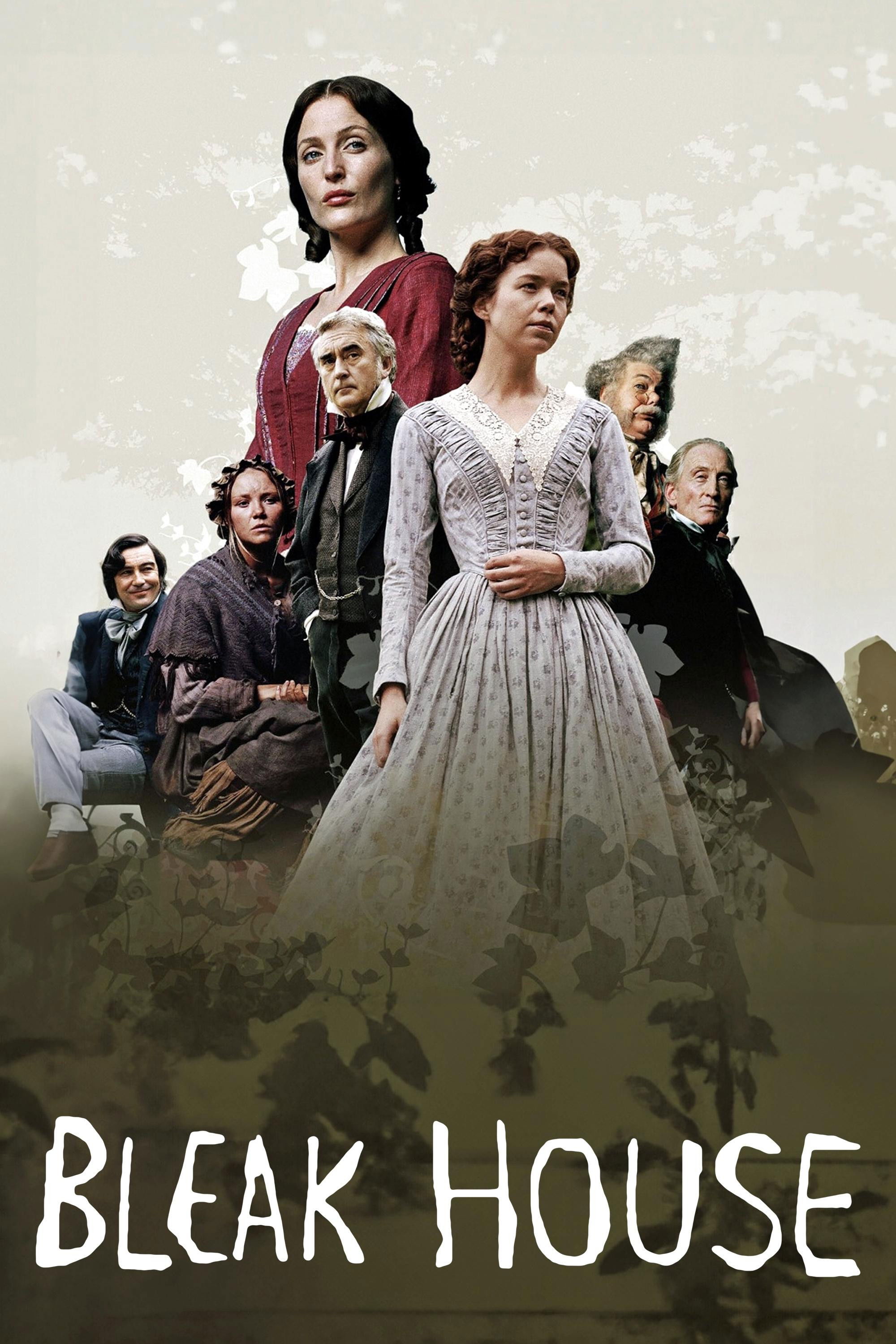
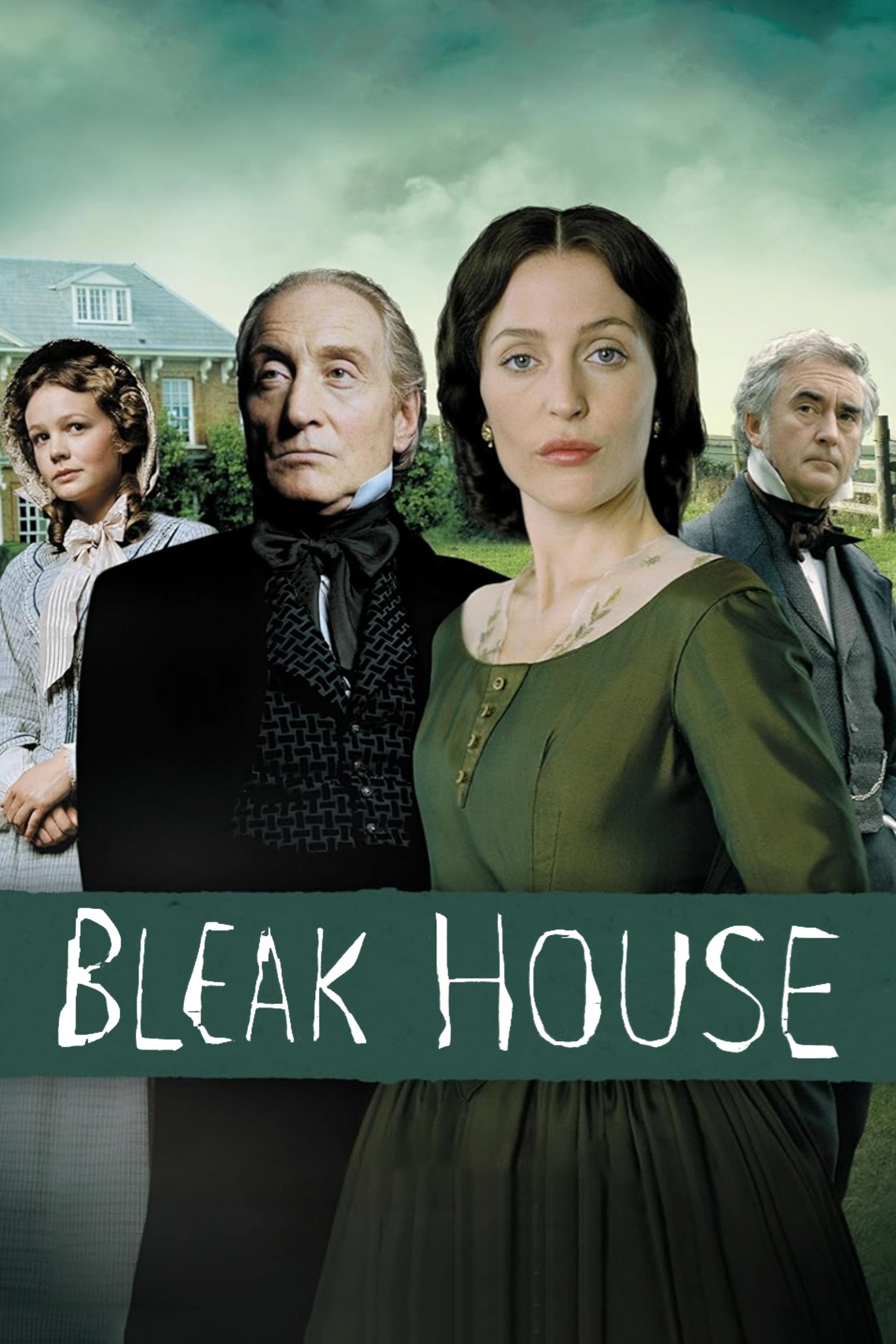
The most prominent "Bleak House" TV show is the 2005 BBC adaptation, a critically acclaimed 15-part miniseries written by Andrew Davies. It brings Charles Dickens’ dense novel to life through a fast-paced, "soap opera" format, focusing on the interminable Jarndyce and Jarndyce legal battle and the mysterious origins of Esther Summerson.
Contents
The Evolution of Bleak House on Television
While Charles Dickens’ Bleak House was published in serial installments between 1852 and 1853, its transition to the screen has occurred multiple times, reflecting the changing tastes and technologies of television production. As of 2026, the 2005 version remains the definitive screen interpretation, but understanding the show requires looking at the broader history of how this complex narrative has been handled by broadcasters.
The narrative of Bleak House is notoriously difficult to adapt due to its dual perspectives: one part is narrated by the protagonist, Esther Summerson, in the first person, while the rest is told by an omniscient, often satirical third-person narrator. Television, with its ability to sustain long-form storytelling over several weeks, has historically been the preferred medium for this story over feature film.
Early Adaptations
The first notable television attempt was the 1959 BBC production. Filmed in black and white and broadcast live, it was a product of its time—theatrical and constrained by the studio technology of the era. Later, in 1985, the BBC produced a more lavish eight-part series starring Diana Rigg as Lady Dedlock and Denholm Elliott as John Jarndyce. This version was praised for its fidelity to the text and its somber, atmospheric pacing. However, it was the 2005 reimagining that fundamentally changed how period dramas were produced and consumed.
The Landmark 2005 BBC Adaptation
In 2005, the BBC took a significant risk by departing from the traditional "prestige drama" format. Instead of long, ninety-minute episodes, screenwriter Andrew Davies and the production team opted for a half-hour format for most episodes, mirroring the cliffhanger style of modern soap operas. This approach was designed to replicate the original serial publication experience of Dickens’ readers.
A New Visual Language
The 2005 series was one of the first major BBC dramas to be shot in high definition. The directors, Justin Chadwick and Susanna White, utilized handheld cameras and unconventional angles to create a sense of urgency and intimacy. This contrasted sharply with the static, painterly shots common in earlier period pieces. The "fog" of London, a central metaphor in the book, was rendered with a grit and realism that made the Victorian setting feel lived-in rather than a museum piece.
The Cast and Character Dynamics
The success of the 2005 show rested heavily on its ensemble cast. The production managed to secure a mix of established stars and rising talents who brought a modern psychological depth to Dickens’ archetypes.
- Gillian Anderson as Lady Dedlock: Anderson’s performance was a revelation, portraying the icy aristocrat with a hidden, tragic past. Her portrayal focused on the internal suffocation of a woman trapped by social mores and a secret that could destroy her.
- Anna Maxwell Martin as Esther Summerson: Capturing Esther’s humility without making her seem "too good to be true" is a challenge for any actress. Maxwell Martin succeeded by emphasizing Esther’s resilience and quiet intelligence.
- Charles Dance as Mr. Tulkinghorn: Dance brought a predatory, chilling stillness to the role of the Dedlock family lawyer. His performance turned the character into a genuine psychological thriller villain.
- Denis Lawson as John Jarndyce: As the benevolent but weary guardian, Lawson provided the moral heart of the series, showing the emotional toll of living under the shadow of a never-ending lawsuit.
Understanding the Jarndyce and Jarndyce Lawsuit
At the center of any Bleak House TV show is the fictional case of Jarndyce and Jarndyce. This probate dispute in the Court of Chancery has been going on for generations by the time the story begins. It serves as the primary engine for the plot and the chief vehicle for Dickens’ social satire.
The lawsuit concerns a massive inheritance that has been eaten away by legal fees over decades. In the 2005 series, the court proceedings are depicted as a labyrinthine nightmare. The show effectively communicates the "Why" behind the tragedy: the law is no longer about justice or the people involved; it has become a self-sustaining machine that exists only to provide work for lawyers and clerks.
The characters of Richard Carstone and Ada Clare represent the human cost of this system. Richard’s descent from an optimistic young man into a paranoid, obsessed litigant is one of the most painful arcs in the show. His belief that the "judgment" will eventually solve all his problems reflects a universal human susceptibility to sunk-cost fallacies—a theme that remains relevant in 2026.
| Adaptation Year | Format | Key Creative Lead | Lead Actress (Esther) | Distinctive Feature |
|---|---|---|---|---|
| 1959 | 11 Episodes (B&W) | Constance Cox | Jane Asher | Early live-broadcast style |
| 1985 | 8 Episodes | Arthur Hopcraft | Suzanne Burden | Traditional, faithful pacing |
| 2005 | 15 Episodes | Andrew Davies | Anna Maxwell Martin | Soap-opera style; HD visuals |
Key Themes and Social Commentary
The Bleak House TV show is more than a mystery or a romance; it is a scathing critique of institutional failure. In 2026, these themes resonate with modern audiences who experience frustration with bureaucracy and systemic inequality.
The Mystery of Identity and Class
The "search for Nemo" and the discovery of Esther's parentage drive the suspense elements of the show. By weaving together the highest levels of the aristocracy (the Dedlocks) with the lowest rungs of society (Jo the crossing sweeper), the show illustrates how everyone in London is interconnected, regardless of class. The character of Jo is particularly significant; his inability to "move on" and his eventual death from neglect serve as a powerful indictment of a society that fails its most vulnerable members.
Spontaneous Combustion and Symbolic Rot
One of the more controversial elements of the story is the death of Mr. Krook by spontaneous combustion. In the TV adaptations, this is usually handled with a mix of horror and dark humor. Symbolically, Dickens used this to represent the idea that the legal and social systems were so corrupt and "foul" that they would eventually ignite from their own internal decay. The 2005 show used impressive practical effects for the era to depict the grimy, oil-slicked shop where Krook meets his end.
Comparing the Major Adaptations
For viewers deciding which version to watch, the choice usually comes down to the 1985 and 2005 versions.
The 1985 version is often preferred by literary purists. It takes its time, allowing the atmosphere of the London fogs and the stagnant country estates to seep into the viewer. It feels like a novel brought to life. The dialogue is more verbatim from Dickens, and the character of Esther is played with a more traditional Victorian reserve.
The 2005 version, conversely, is built for engagement. It cuts through some of the denser subplots to keep the tension high. The cinematography is vibrant, even in its griminess, and the editing is sharp. This version is often credited with revitalizing the "period drama" genre, paving the way for shows like Downton Abbey and The Crown by proving that historical stories could be told with modern energy.
Production Design and Technical Achievement
The technical execution of the 2005 series remains a benchmark for television scholars. The production design by Andrea Galer and the costumes were meticulously researched but applied with a stylistic flair.
Costume as Characterization
In the 2005 show, costumes were used to signal the character's internal state. Lady Dedlock’s dresses are architectural—stiff, high-collared, and restrictive—symbolizing her emotional imprisonment. In contrast, Esther’s clothing is practical and soft, reflecting her active, caretaking nature. As Richard Carstone becomes more obsessed with the lawsuit, his appearance becomes increasingly disheveled, mirroring his mental decline.
Lighting and Chiaroscuro
The use of light and shadow (chiaroscuro) in the 2005 series was intentional. Much of the show takes place in dimly lit offices or candlelit rooms. This not only added to the historical authenticity but also underscored the "darkness" of the secrets being kept. The contrast between the bright, airy Chesney Wold (the Dedlock estate) and the filthy, cramped "Tom-all-Alone’s" (the London slum) visually reinforced the wealth gap central to the narrative.
How to Watch Bleak House in 2026
In 2026, access to these adaptations is primarily through digital streaming services. The 2005 BBC version is widely available on platforms specializing in British content, such as BritBox and BBC iPlayer (in the UK). It is also frequently available for purchase or streaming on Amazon Prime Video and Apple TV.
The 1985 version is slightly more difficult to find but is often included in "Dickens Collections" on DVD or via specialized archival streaming services. For students and educators, these shows are often accessible through university library databases such as Alexander Street or Kanopy.
Technical Compatibility
Most modern platforms offer the 2005 series in its original high-definition format. For the best experience, it is recommended to watch the version that maintains the original 15-episode structure, as some international edits condensed the show into fewer, longer segments, which can disrupt the intended cliffhanger pacing.
Frequently Asked Questions
Is the Bleak House TV show faithful to the book?
The 2005 series is highly faithful to the spirit and main plotlines of the novel, though it condenses several minor characters and subplots to maintain its "soap opera" pace. Andrew Davies’ script captures the wit and social anger of Dickens while making the dialogue more accessible to a modern audience. The 1985 version is technically more faithful to the literal text but lacks the visual energy of the later version.
Who plays Esther Summerson in the 2005 version?
Anna Maxwell Martin portrays Esther Summerson. Her performance won her a BAFTA for Best Actress, as she successfully moved away from the "perfect" Victorian heroine trope to show a woman who is deeply observant, scarred by her upbringing, and ultimately very strong.
What is the significance of "Jarndyce and Jarndyce"?
It is a fictional lawsuit over a large estate that has lasted for so many years that it has become a joke in the legal world. It represents the "bleakness" of the title—a system where the process has become more important than the people it was meant to serve. In the show, it acts as a black hole that slowly pulls in and destroys the lives of those associated with it.
Why was the 2005 Bleak House filmed like a soap opera?
Screenwriter Andrew Davies wanted to recreate the "addictive" nature of Dickens’ original serializations. By using half-hour episodes with cliffhangers, the BBC encouraged viewers to tune in twice a week (originally), making the Victorian story feel contemporary and urgent rather than a slow, dusty history lesson.
Which version of Bleak House is best for students?
The 2005 version is generally best for students because its pacing makes the complex plot easier to follow. The visual metaphors for class and the legal system are very clear. However, for those studying Dickens’ specific prose style, the 1985 version provides a more verbatim experience of his dialogue.
Practical Recommendation for Viewers
If you are new to the world of Charles Dickens or period dramas, start with the 2005 BBC miniseries. Its 15-episode format makes it an excellent "binge-watch" that feels surprisingly modern. Pay close attention to the character of Mr. Tulkinghorn; his interactions with Lady Dedlock provide some of the best psychological tension in television history. After finishing the series, reading the novel will offer even deeper insights into the characters' inner lives, but the show provides the perfect visual and emotional foundation for understanding one of literature’s most complex masterpieces.
Image Gallery