The Best Exfoliating Gloves: A Comprehensive Guide to Material, Texture, and Skin Care
The best exfoliating gloves are those that strike the optimal balance between physical abrasion and material durability, tailored specifically to your skin sensitivity. By removing dead skin cells through mechanical friction, these too...
The best exfoliating gloves are those that strike the optimal balance between physical abrasion and material durability, tailored specifically to your skin sensitivity. By removing dead skin cells through mechanical friction, these tools improve skin texture, aid in lymphatic drainage, and prepare the skin for better absorption of moisturizers or self-tanning products.
Contents
Understanding Physical Exfoliation
Physical exfoliation is the process of using a textured surface to physically remove the outermost layer of dead skin cells (the stratum corneum). Exfoliating gloves provide a distinct advantage over chemical exfoliants by offering immediate, tactile control over the intensity of the treatment.
The primary mechanism of action is friction. When the fabric passes over damp skin, the raised fibers catch and lift away loose debris. This process is generally more efficient than a washcloth but less harsh than a pumice stone or a metal foot file, provided the glove material is selected correctly.
Material Science and Texture Profiles
Not all exfoliating gloves are created equal. The efficacy of a glove is almost entirely determined by its weave and fiber composition.
- Viscose and Rayon: Commonly found in traditional Middle Eastern-style mitts (often called kessa), these materials are designed to swell when wet, creating a micro-textured surface that is exceptionally effective at rolling away dead skin. They are ideal for deep exfoliation but can be too abrasive for daily use.
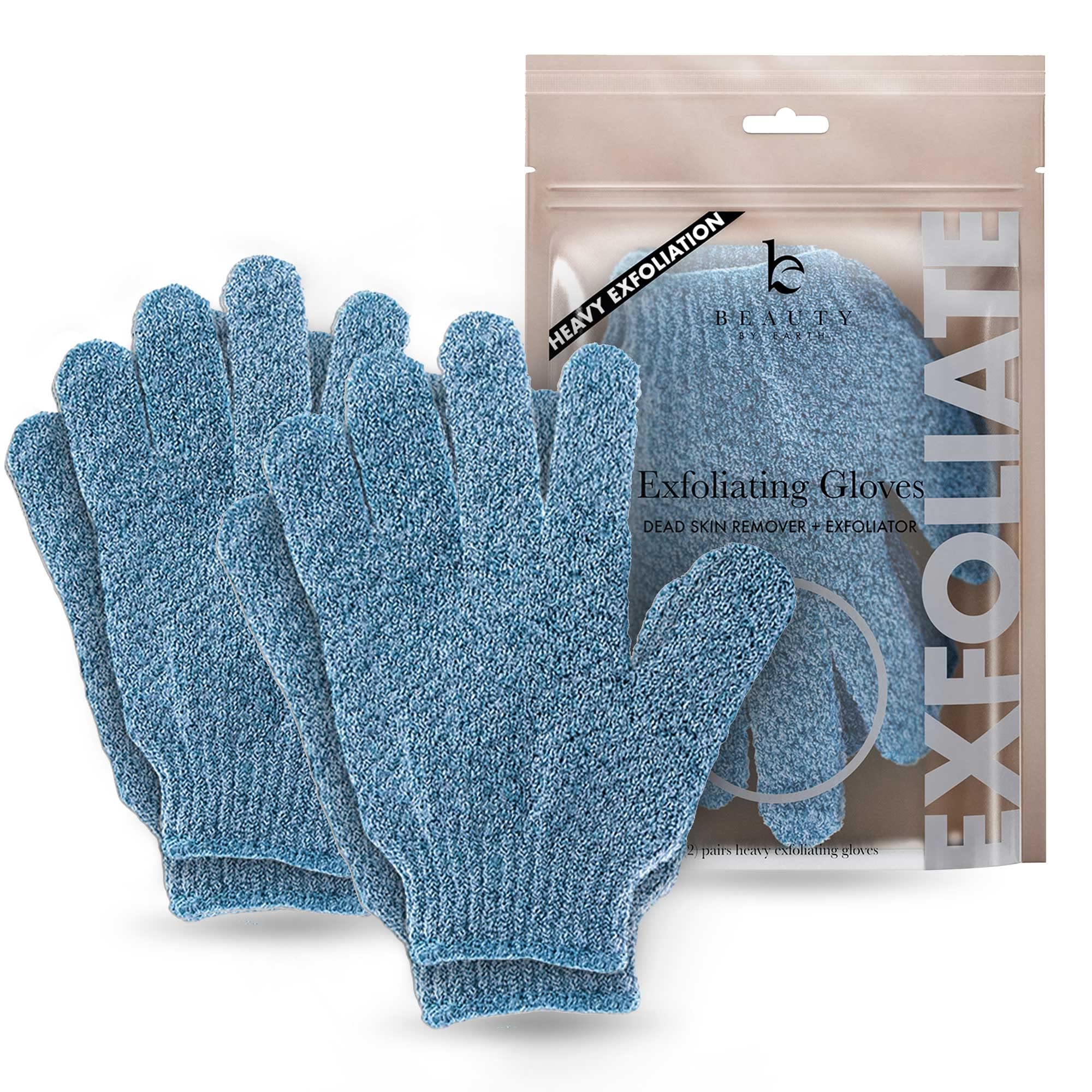
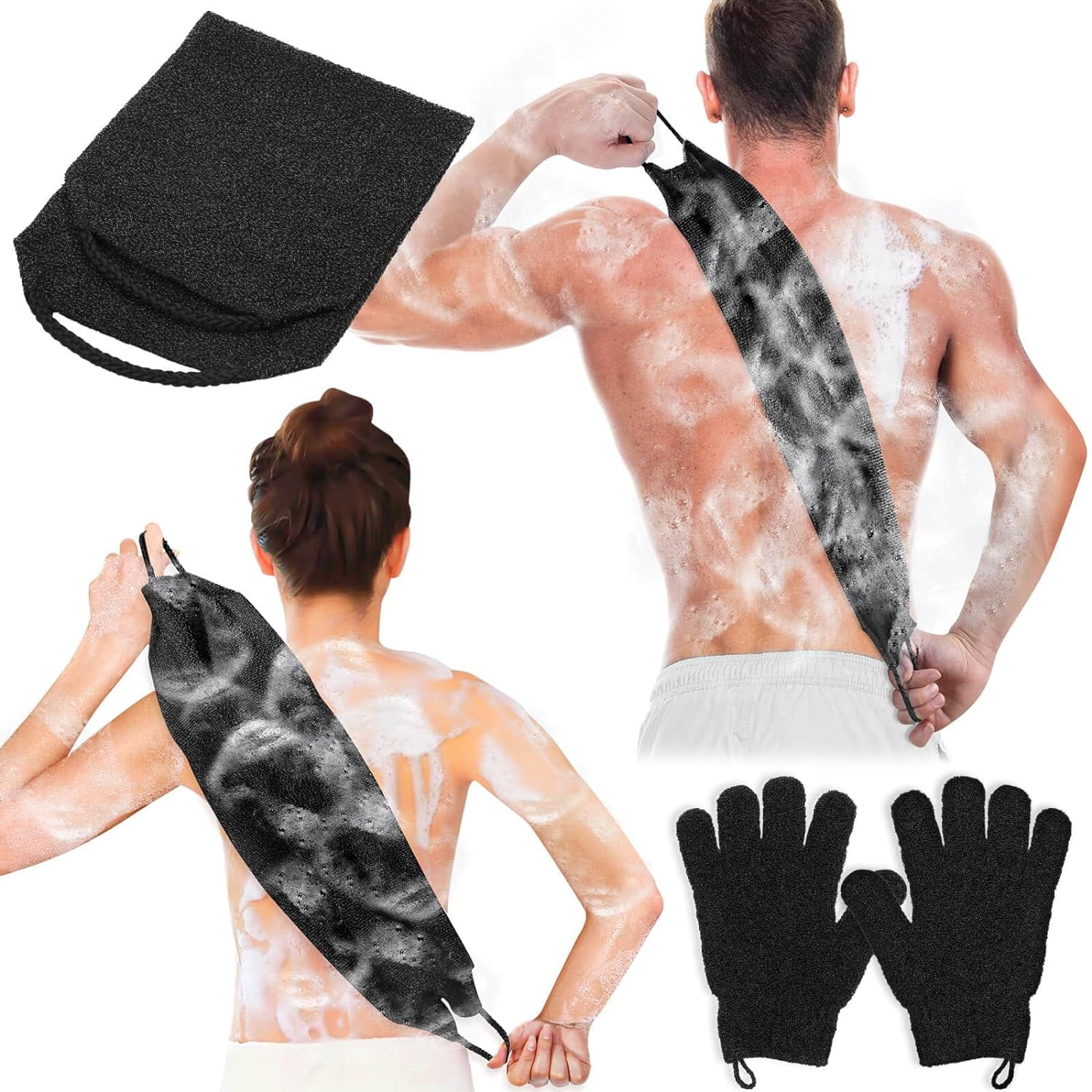
- Nylon and Polyester Blends: These are the most common commercial varieties. They are highly durable, quick-drying, and resistant to mold growth. Their texture varies from fine, soft meshes to aggressive, crinkly weaves. These are best suited for consistent maintenance of the limbs and back.
- Natural Fibers (Cotton and Hemp): These materials are generally gentler. While they lack the aggressive "grip" of synthetic weaves, they are excellent for those with sensitive skin who require only a mild buffing rather than deep renewal.
Selecting the Right Glove for Your Skin Type
Selecting the correct tool depends on your skin's resilience. If you are prone to keratosis pilaris—the small, rough bumps often found on the backs of arms—a more textured nylon glove is often necessary to clear the follicles. Conversely, if you have thin, dry, or aging skin, a finer-weave viscose glove used with gentle pressure is preferable to avoid micro-tearing the skin barrier.
Comparison of Exfoliation Tools
| Material Type | Exfoliation Intensity | Ideal For | Best Use Frequency |
|---|---|---|---|
| Viscose/Rayon | High | Deep body cleaning/prep | Once per week |
| Nylon (Coarse) | Medium-High | Keratosis pilaris/Rough skin | Twice per week |
| Nylon (Fine) | Medium | General maintenance | Every 2-3 days |
| Natural Fiber | Low | Sensitive skin | Daily/As needed |
Correct Application and Technique
To achieve the best results without damaging your skin, follow a systematic approach.
- Preparation: Always soften your skin first. Shower or bathe in warm—not hot—water for at least five to ten minutes. This allows the stratum corneum to soften, making it easier to remove without excessive scrubbing.
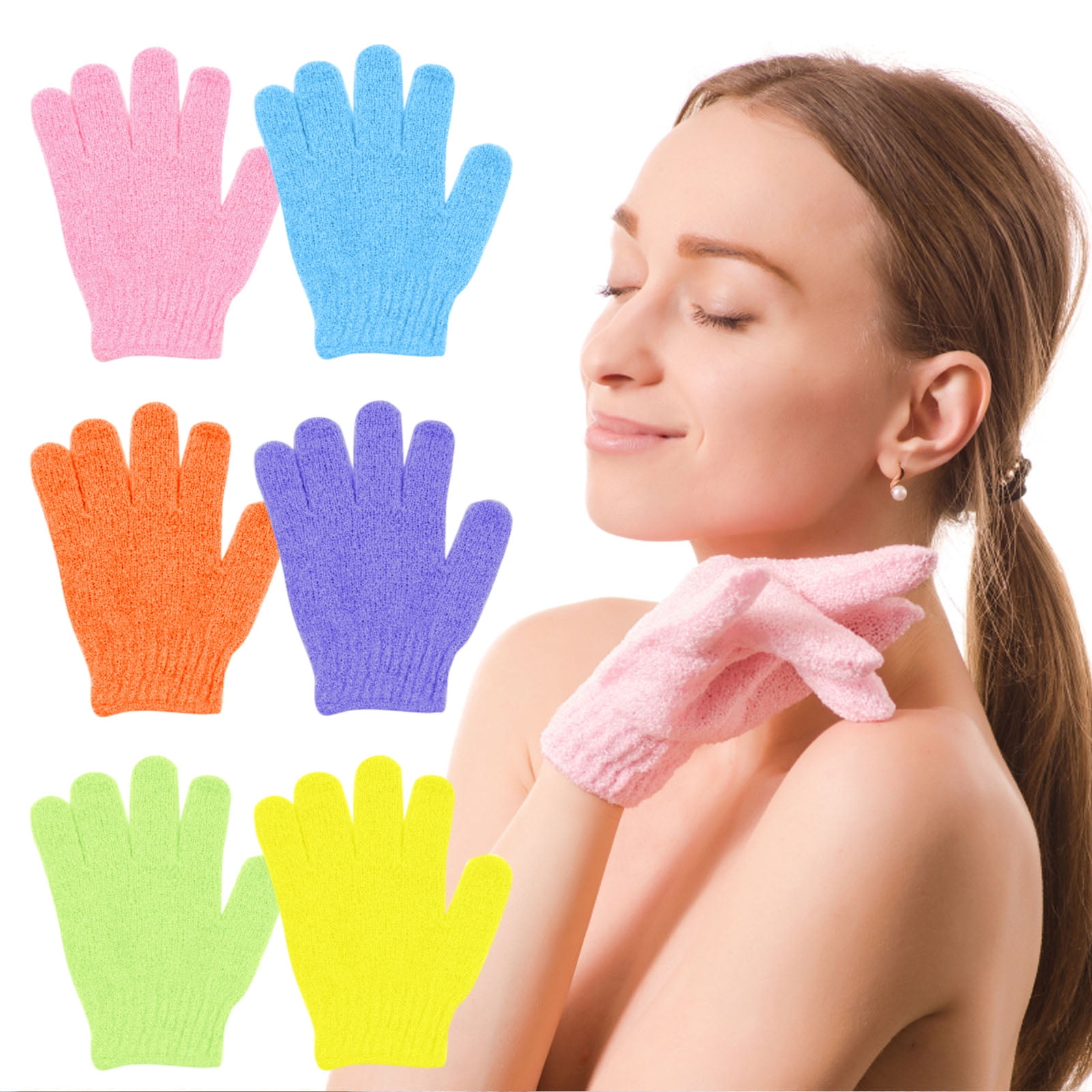
- The Technique: Work in small, circular motions. Start from your extremities and work your way toward the heart. This aligns with general skin care practices that support circulation.
- Pressure: Do not scrub until the skin turns red. You should feel the glove "grabbing" the skin, but it should never cause pain. If you see tiny pills of debris, you are successfully removing dead skin.
- Post-Care: Rinse your skin thoroughly and pat it dry. Immediately apply a lotion or oil. Because the skin barrier has been cleared of debris, it is highly receptive to hydration, but it is also vulnerable. Avoid active ingredients like glycolic or salicylic acid immediately after aggressive manual exfoliation to prevent irritation.
Maintenance and Sanitation
Because exfoliating gloves are used in humid environments and collect organic debris, they are prime breeding grounds for bacteria and mold.
- Rinsing: After every use, wash the glove thoroughly with an antibacterial soap or a gentle cleanser to remove skin cells and body oils.
- Drying: Wring the glove out completely and hang it in a well-ventilated area away from the constant moisture of the shower. If the glove remains damp, it will develop a mildew smell.
- Replacement: Even with diligent care, replace your exfoliating gloves every 4 to 8 weeks. Synthetic fibers lose their abrasive texture over time, and the porous nature of the fabric makes it difficult to keep sanitized indefinitely.
Common Mistakes to Avoid
- Over-Exfoliating: A frequent error is scrubbing too hard or too often. If your skin feels tight, inflamed, or develops a burning sensation after showering, you have likely over-exfoliated. Rest the skin for several days and use a milder glove in the future.
- Using on Broken Skin: Never use an exfoliating glove on sunburned, windburned, cut, or otherwise irritated skin. This can lead to secondary infections or severe dermatitis.
- Sharing Gloves: Exfoliating gloves should be considered personal hygiene items. Sharing them increases the risk of transferring bacteria or fungal spores between users.
Frequently Asked Questions
How often should I use exfoliating gloves? Most users benefit from exfoliating one to two times per week. Daily use is generally discouraged as it can strip the natural protective oils of the skin and lead to a compromised barrier, causing redness and sensitivity.
Can I use these on my face? Standard body exfoliating gloves are typically too harsh for the delicate, thin skin of the face. If you wish to exfoliate your face, use specialized facial cloths or chemical exfoliants (like AHAs or BHAs) specifically formulated for facial use.
What is the best way to clean my gloves? After each use, hand-wash them with hot water and dish soap. Once a week, you can place them in a mesh laundry bag and run them through a gentle cycle in the washing machine with your towels to ensure they are deeply sanitized.
Will these help with ingrown hairs? Yes, regular manual exfoliation helps keep the hair follicles clear of debris, which prevents hairs from becoming trapped beneath the skin. However, if you have a deep or infected ingrown hair, avoid scrubbing the area directly until it has healed.
Professional Recommendation
For most users, a high-quality nylon or viscose glove provides the best balance of efficiency and durability. If you are new to manual exfoliation, start with a medium-textured nylon glove and monitor your skin's reaction for a full week before increasing the frequency or intensity. Focus on keeping your tools clean and dry, as the integrity of the material and the health of your skin are both highly dependent on your post-use maintenance routine.
Image Gallery