Understanding the Technical and Regulatory Context of Figure Skating Wardrobe Malfunctions
A figure skating wardrobe malfunction typically refers to a structural failure or displacement of a costume during a competitive performance. While these incidents are often popularized in media, they involve complex intersections of c...
A figure skating wardrobe malfunction typically refers to a structural failure or displacement of a costume during a competitive performance. While these incidents are often popularized in media, they involve complex intersections of costume engineering, athletic movement, and the International Skating Union (ISU) regulatory framework governing technical deductions and safety protocols.
Contents
The Engineering of Competitive Skating Costumes
Figure skating costumes are feats of specialized apparel engineering. Unlike standard athletic wear, these garments must meet the aesthetic requirements of artistic expression while enduring the extreme physical stresses of competitive skating. Elite skaters execute rotational speeds exceeding 300 revolutions per minute during multi-rotational jumps, and the centrifugal force applied to decorative elements—such as beadwork, sequins, and lace—is significant.
The primary cause of a "wardrobe malfunction" in professional skating is rarely the fabric itself, but rather the failure of the fastening systems or the integrity of delicate embellishments. Designers prioritize "invisible" structural integrity. Costumes are frequently constructed using illusion netting, a high-tensile, sheer mesh that matches the athlete’s skin tone. When this material sustains a micro-tear, the structural tension across the garment shifts, which can lead to larger openings or the detachment of bodice components.
Furthermore, the integration of heavy ornamentation requires reinforced backing. If a designer fails to account for the "whip" effect—the rapid snapping motion during landings—decorative heavy-set crystals can pull the fabric substrate apart. These garments undergo rigorous testing in training environments, but the high-stakes, high-adrenaline nature of a live event can occasionally expose weaknesses that were not apparent during rehearsals.
The 2022 Winter Olympic Context: Assessing the Narrative
The most prominent modern reference to a "France figure skating wardrobe malfunction" pertains to the 2022 Beijing Winter Olympics, specifically involving the French ice dance team of Gabriella Papadakis and Guillaume Cizeron. It is critical to distinguish this incident from more frequent "wardrobe mishaps" in other disciplines.
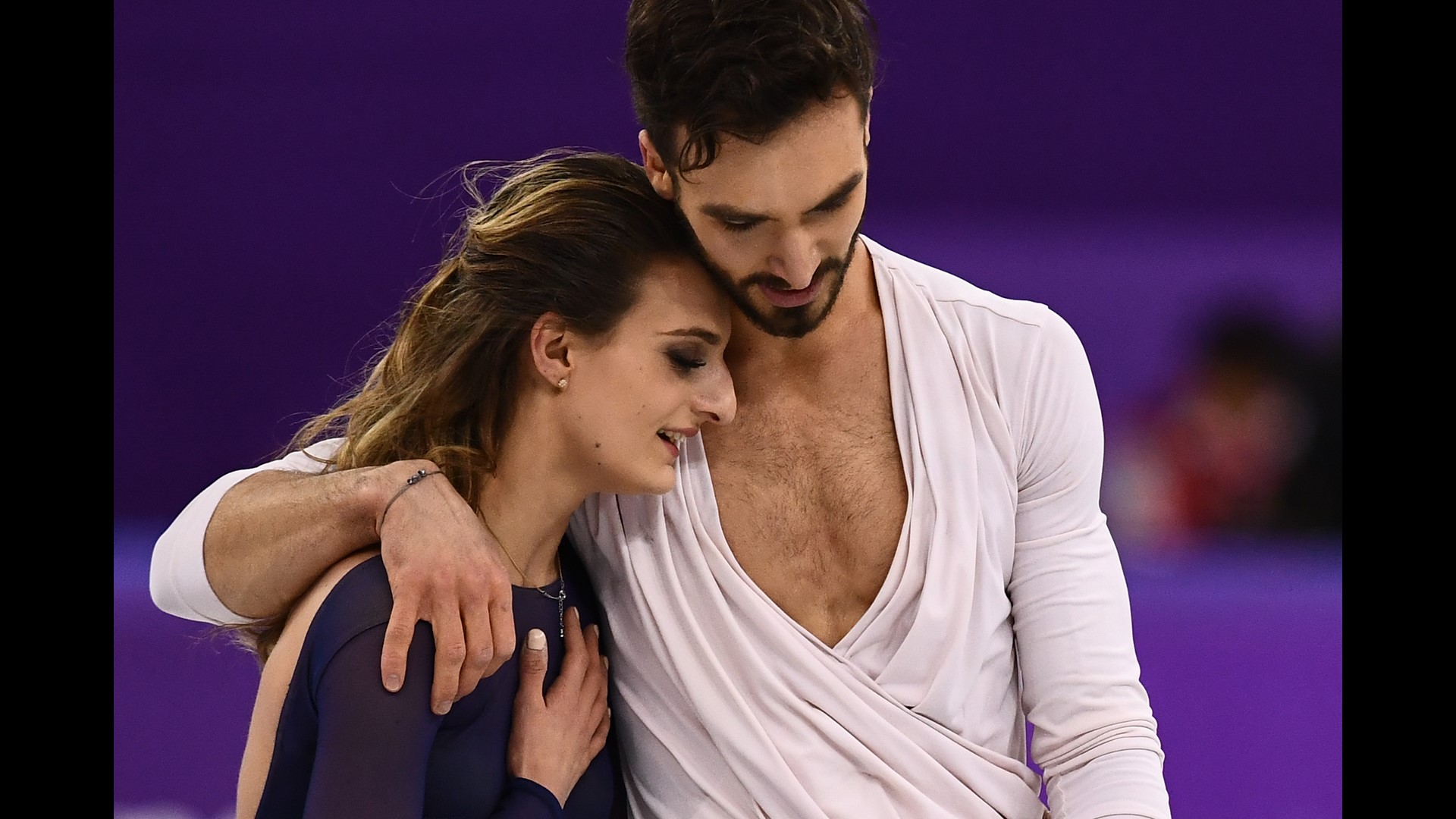
During the 2018 PyeongChang Winter Olympics, the team experienced a widely publicized, severe costume issue during the short dance segment when a clasp on Papadakis's top broke, resulting in significant exposure. This event triggered an immediate conversation within the sport regarding the necessity for more secure, integrated garment design in ice dance. By the time the pair competed in the 2022 Beijing Games, their costume engineering had been entirely re-evaluated. They utilized high-compression, seamless fabrics and reinforced integrated closures to ensure that, despite the extreme athleticism required for their choreography, the technical integrity of their attire remained absolute.
The lesson drawn from this history was not one of scandal, but of technical evolution. Following 2018, the ISU and individual national federations began encouraging the use of "performance-tested" apparel that emphasizes security without sacrificing the fluid aesthetics required for high-scoring artistic components.
Technical Deductions and ISU Regulations
Under the International Skating Union (ISU) regulations, a wardrobe malfunction is treated with specific technical scrutiny. Rule 501, which pertains to costume and prop regulations, is designed to ensure safety and prevent unfair advantages.
| Aspect | Regulation Requirement | Potential Impact |
|---|---|---|
| Integrity | Costumes must not be immodest or distract from the performance. | Deduction for costume failure or debris on ice. |
| Accessories | All embellishments must be firmly attached. | Mandatory deduction if items fall onto the ice. |
| Material | Must not pose a hazard to the athlete or others. | Potential disqualification if safety is compromised. |
| Design | No "theatrical" props or detached items allowed. | Automatic point deduction per occurrence. |
If a piece of a costume—such as a feather, a crystal, or a fragment of fabric—falls onto the ice during a program, the referee must issue a deduction. This is not punitive toward the athlete for the malfunction itself, but rather a safety measure. An object on the ice represents a significant hazard, as it could cause a skater to slip, potentially leading to severe injury during high-speed landings or intricate footwork sequences.
Preventive Measures in Professional Skating
To mitigate the risk of malfunctions, elite skaters and their costume designers implement several layers of verification before the season begins:
- Stress Testing: Costumes are worn during full-intensity long programs in practice. Trainers monitor the garment for "creep," where seams begin to stretch or fasteners exhibit signs of fatigue.
- Redundancy Systems: Designers often incorporate "backup" fasteners. A zipper, for example, might be reinforced by a series of internal heavy-duty hooks and eyes that act as a safety net if the primary closure fails.
- Adhesive Security: For high-risk areas, professionals use specialized, skin-safe athletic adhesives to keep fabric taut against the body, ensuring that even if a fastener shifts, the garment does not move from its intended position.
- Material Weight Optimization: By calculating the exact weight of every sequin and bead, designers ensure that the garment’s center of gravity remains consistent throughout the performance, preventing "sway" that puts undue stress on seams.
Common Misconceptions
There is often a conflation between "wardrobe malfunctions" and "artistic choices." In the world of competitive figure skating, what a casual observer might perceive as a malfunction—such as a piece of fabric coming loose—is frequently a deliberate design element intended to mimic movement or "flow" during spins and spirals. However, the line is drawn strictly at the point of safety and coverage.
Another common misconception is that these incidents are used to distract judges. In reality, a costume malfunction is a massive liability. It forces the athlete to break concentration, creates a physical danger, and risks an automatic point deduction. Athletes prioritize the stability of their attire above almost all other non-performance factors.
FAQ: Addressing Common Queries
1. Does a wardrobe malfunction automatically disqualify a skater? No. It results in a point deduction for debris on the ice or, in extreme cases of modesty violations, a potential deduction for costume non-compliance. It rarely results in disqualification unless the costume failure renders the program unfinishable or unsafe.
2. How do skaters ensure their costumes stay on during intense movement? Skaters use high-performance athletic spandex, power mesh, and multiple layers of closures. Many also use spirit gum or specialized fashion tape to ensure the costume moves with the skin rather than against it.
3. Why are costumes so fragile? The fragility is a byproduct of the aesthetic requirements of the sport. Judges score "Composition" and "Presentation," which reward intricate, light-reflecting, and highly detailed costumes. The industry balances the risk of breakage against the reward of higher artistic marks.
4. Can an athlete stop their program to fix a costume? The rules are restrictive. Stopping a program results in a significant time deduction and a potential interruption of the flow of the performance. Usually, skaters are trained to incorporate the repair into their movement or, more commonly, to ignore it and continue at all costs.
5. What is the role of the coach in this process? The coach acts as the final quality control officer. Before a skater takes the ice, it is standard procedure for the coach to conduct a physical inspection of the costume's fasteners to ensure no components are loose or compromised.
Conclusion and Next Steps
The issue of a "France figure skating wardrobe malfunction" serves as a historical reminder of the high-stakes environment inherent to elite athletics. For those interested in the technical aspects of the sport, the focus should remain on the balance between aesthetic design and the physics of high-speed performance. If you are an aspiring skater or costume designer, the most effective preventative measure is to prioritize the "fail-safe" engineering of closures over elaborate ornamentation. Always test costumes in full-speed, high-intensity sessions before using them in competitive arenas to ensure that structural integrity is maintained under the unique stresses of the sport.
Image Gallery