Air Traffic Control System Modernization: Transforming Global Airspace for 2026 and Beyond
Air traffic control system modernization is the comprehensive transition from legacy, ground-based radar systems to satellite-based navigation, digital communication networks, and automated data-sharing frameworks. By 2026, these upgra...
Air traffic control system modernization is the comprehensive transition from legacy, ground-based radar systems to satellite-based navigation, digital communication networks, and automated data-sharing frameworks. By 2026, these upgrades have enabled Trajectory Based Operations (TBO), allowing aircraft to fly more direct routes, reducing fuel consumption, and safely integrating drones and commercial spaceflights into a unified global airspace.
Contents
The Shift from Radar to Satellite-Based Infrastructure
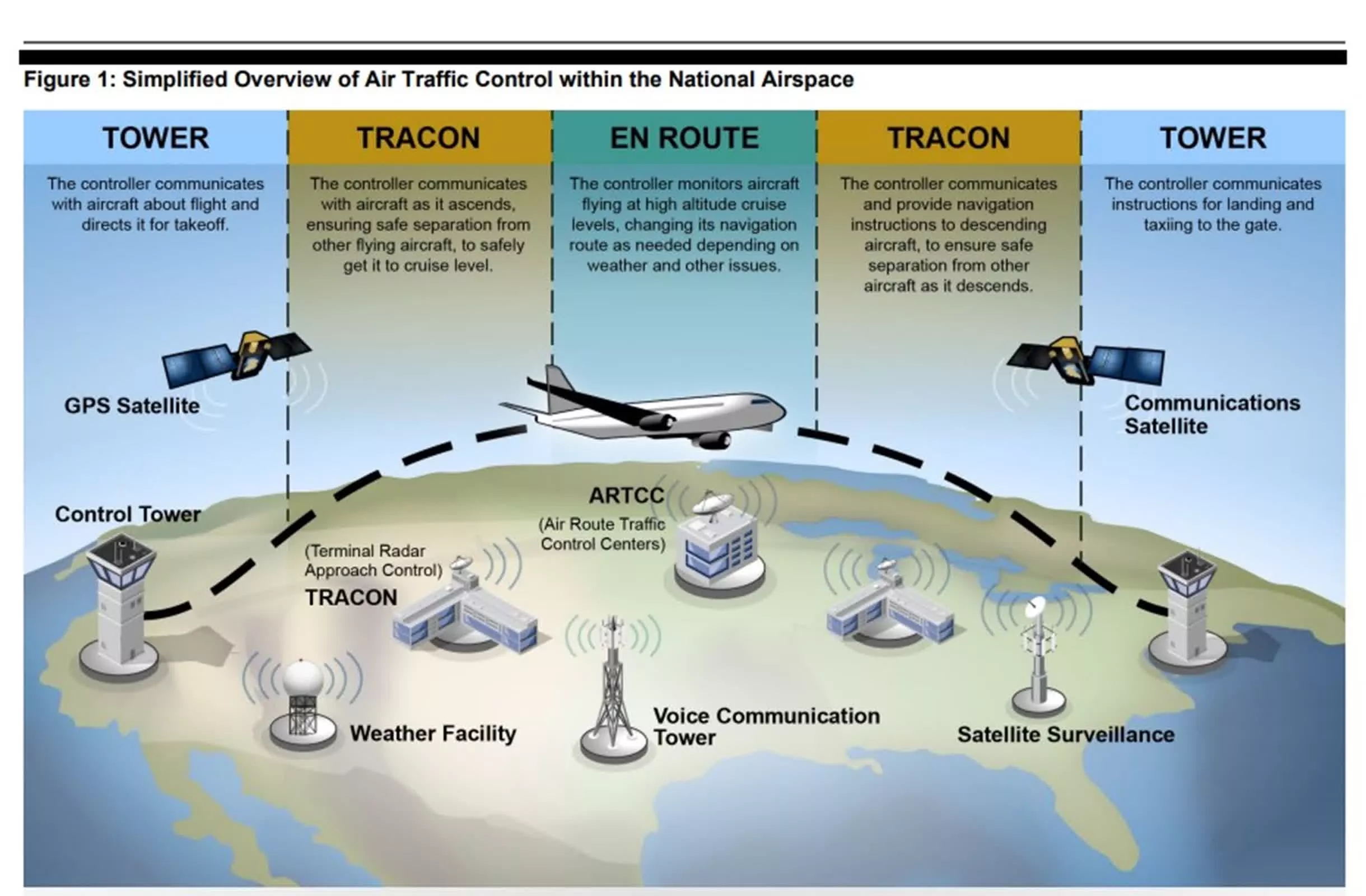
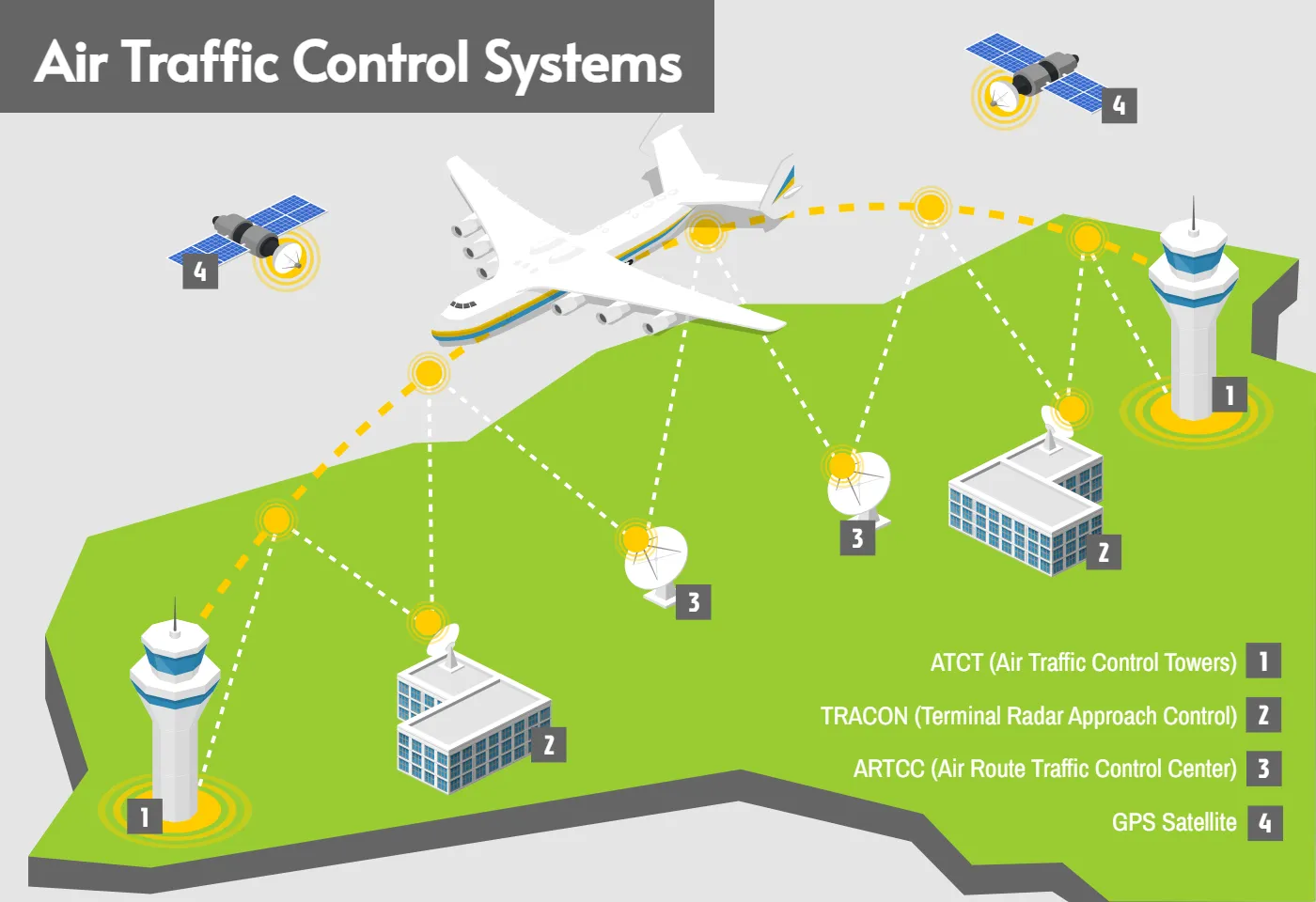
For the better part of the 20th century, air traffic control (ATC) relied almost exclusively on primary and secondary surveillance radar. These systems, while reliable, were limited by line-of-sight constraints and slower refresh rates. In the modernization era of 2026, the primary backbone of global aviation has shifted to Automatic Dependent Surveillance-Broadcast (ADS-B).
Unlike radar, which "pings" an aircraft to determine its location, ADS-B allows aircraft to determine their own position via GNSS (Global Navigation Satellite Systems) and broadcast that data to ground stations and other aircraft. This provides controllers with high-fidelity, one-second updates, compared to the 5-to-12-second sweeps of traditional radar. This transition is not merely a hardware upgrade; it represents a fundamental change in how separation is maintained. With more precise location data, separation standards can be safely reduced, effectively "shrinking" the protective bubble around each aircraft and increasing the capacity of crowded corridors without compromising safety.
Key Pillars of Global Modernization Programs
Modernization is a global effort, led by major initiatives such as the United States' NextGen (Next Generation Air Transportation System) and Europe’s SESAR (Single European Sky ATM Research). While these programs vary in jurisdictional specifics, they share several core technological pillars that define the current state of aviation in 2026.
Data Communications (Data Comm)
The transition from analog voice radio to digital text-based messaging—known as Data Comm—has revolutionized the cockpit-to-tower relationship. In high-traffic environments, voice frequencies often become congested, leading to misunderstandings or "blocked" transmissions. Data Comm allows controllers to send complex departure clearances, reroutes, and weather updates directly to an aircraft’s Flight Management System (FMS). Pilots can review and "load" these instructions with a single button press, significantly reducing the risk of read-back errors and streamlining the departure process at busy hubs like London Heathrow or Atlanta Hartsfield-Jackson.
System Wide Information Management (SWIM)
Often described as the "internet for aviation," SWIM is the digital architecture that enables the seamless exchange of real-time data among all stakeholders—airlines, air traffic controllers, weather services, and airport authorities. Prior to SWIM, data existed in "silos," where a delay in one sector might not be communicated to another for several minutes. Today, SWIM provides a "single version of the truth," ensuring that every participant in the National Airspace System (NAS) has access to the same weather forecasts, traffic flow restrictions, and gate availability data simultaneously.
Trajectory Based Operations (TBO)
The ultimate goal of modernization is the full implementation of Trajectory Based Operations. In the legacy system, ATC managed aircraft sector by sector, often using "vectors" (manual headings) to manage flow. TBO manages flight as a continuous four-dimensional path (latitude, longitude, altitude, and time). By 2026, TBO allows aircraft to fly "optimized profile descents," which are continuous, "engines-idle" glides from cruising altitude to the runway. This eliminates the traditional "stair-step" descent patterns that burn excessive fuel and increase noise pollution in residential areas.
Technical Comparison: Legacy vs. Modernized Systems
The following table highlights the material differences between the 20th-century infrastructure and the modernized systems operational in 2026.
| Feature | Legacy Radar-Based System | Modernized Satellite/Digital System |
|---|---|---|
| Positioning Source | Ground-based radar sweeps | GPS/GNSS and ADS-B |
| Communication | Analog VHF Voice (Radio) | Digital Data Comm (CPDLC) |
| Navigation | Point-to-point (Ground beacons) | Performance Based Navigation (PBN) |
| Update Frequency | 5 to 12 seconds | 1 second (ADS-B) |
| Flight Paths | Fixed "highways" in the sky | Dynamic, direct Trajectories |
| Data Sharing | Fragmented, phone/teletype | System Wide Information Management (SWIM) |
| Separation | Broad buffers for uncertainty | Narrow, precision-based separation |
The Integration of New Entrants: Drones and Space
As of 2026, air traffic control modernization is no longer just about commercial airliners. The airspace has become significantly more complex with the proliferation of Unmanned Aircraft Systems (UAS), commonly known as drones, and the rapid increase in commercial space launches.
Modernized systems now incorporate UAS Traffic Management (UTM). This is a highly automated, software-defined layer of ATC that manages low-altitude drone traffic without requiring constant human intervention from traditional controllers. These systems use "collaborative decision-making" algorithms to prevent collisions between package-delivery drones and medical transport helicopters.
Furthermore, space launch activity has moved from a rare event to a weekly occurrence. Modernization has introduced "dynamic airspace sectors" that can be closed and reopened in minutes rather than hours. In the past, a rocket launch from Cape Canaveral would require shutting down massive swaths of the Atlantic airspace for half a day. With real-time debris modeling and modernized tracking, ATC can now "carve out" only the necessary space and time, minimizing the impact on commercial flights crossing the ocean.
Environmental and Economic Impacts
The push for modernization is heavily driven by the aviation industry's commitment to "Net Zero" carbon goals. The inefficiencies of the old radar-based system—holding patterns, indirect routing, and inefficient descents—contributed significantly to unnecessary CO2 emissions.
By 2026, the data indicates that Performance Based Navigation (PBN) and TBO have reduced fuel burn by an average of 3% to 5% per flight. While this sounds modest, when scaled across tens of thousands of daily flights globally, it represents millions of tons of carbon prevented from entering the atmosphere. Economically, these efficiencies translate to lower operating costs for airlines, which helps stabilize ticket prices despite rising energy costs and provides more predictable arrival times for passengers.
Challenges and Implementation Hurdles
Despite the clear benefits, the path to full modernization has faced significant hurdles:
- Cybersecurity: As the system moves from isolated radio signals to interconnected digital networks, the surface area for cyberattacks has grown. Significant investment has been required to secure the "E-Enabled" aviation ecosystem against data breaches or signal spoofing.
- Equipage Costs: While major airlines have the capital to upgrade their fleets with the latest ADS-B In/Out and Data Comm avionics, general aviation (private pilots) and smaller regional operators have struggled with the costs of upgrading older airframes.
- Human Factors: For air traffic controllers, the transition from being "active directors" (issuing every heading) to "system managers" (monitoring automated trajectories) requires a massive shift in training and mindset. Preventing "automation complacency" remains a top safety priority in 2026.
Frequently Asked Questions
What is the difference between ADS-B Out and ADS-B In?
ADS-B Out refers to an aircraft’s ability to broadcast its position, velocity, and altitude to ground stations and other planes; it is the mandatory standard for operating in most controlled airspaces. ADS-B In is the capability of an aircraft to receive that data from other nearby aircraft, displaying it on a cockpit screen to provide pilots with "situational awareness" similar to what a controller sees.
Why can't we just use GPS for everything in ATC?
While GPS provides highly accurate positioning, it is a one-way signal from satellites to the receiver. ATC requires a two-way flow of information where the aircraft’s position is verified and communicated back to the ground and to other nearby aircraft. Furthermore, GPS signals can be subject to interference or "jamming," necessitating backup systems like DME (Distance Measuring Equipment) as a fail-safe.
Has modernization made flying safer?
Yes. By providing higher update rates and digital communication, the system reduces the likelihood of human error, such as "read-back/hear-back" mistakes. It also provides advanced "Conflict Detection" tools that alert controllers to potential collisions much earlier than legacy radar systems could, providing more time for corrective action.
How does modernization affect flight delays?
Modernization reduces "tactical" delays caused by airspace congestion and weather. By using SWIM to share real-time data, airlines can plan around weather patterns hours in advance, and TBO allows for more precise "metering" of aircraft into busy airports, which reduces the need for fuel-intensive holding patterns.
Next Steps for Stakeholders
For aviation professionals and operators in 2026, the focus must remain on full fleet equipage and cyber-resilience. Operators who have not yet fully transitioned to "ADS-B In" capabilities should prioritize these upgrades to take advantage of cockpit-based traffic displays, which are becoming essential for navigating increasingly crowded terminal environments. Additionally, stakeholders should engage with the ongoing regulatory updates regarding Advanced Air Mobility (AAM), as the integration of electric vertical take-off and landing (eVTOL) vehicles represents the next major frontier in the modernization of our skies.
Image Gallery