What Happens When You Pop an Ant Bite: Risks, Recovery, and Treatment
Popping an ant bite, specifically the white pustule common to fire ant stings, breaks the skin’s protective barrier and significantly increases the risk of secondary bacterial infections like cellulitis or impetigo. While it may provid...
Popping an ant bite, specifically the white pustule common to fire ant stings, breaks the skin’s protective barrier and significantly increases the risk of secondary bacterial infections like cellulitis or impetigo. While it may provide temporary relief from pressure, popping delays the healing process and often leads to permanent scarring or localized skin discoloration.
Contents
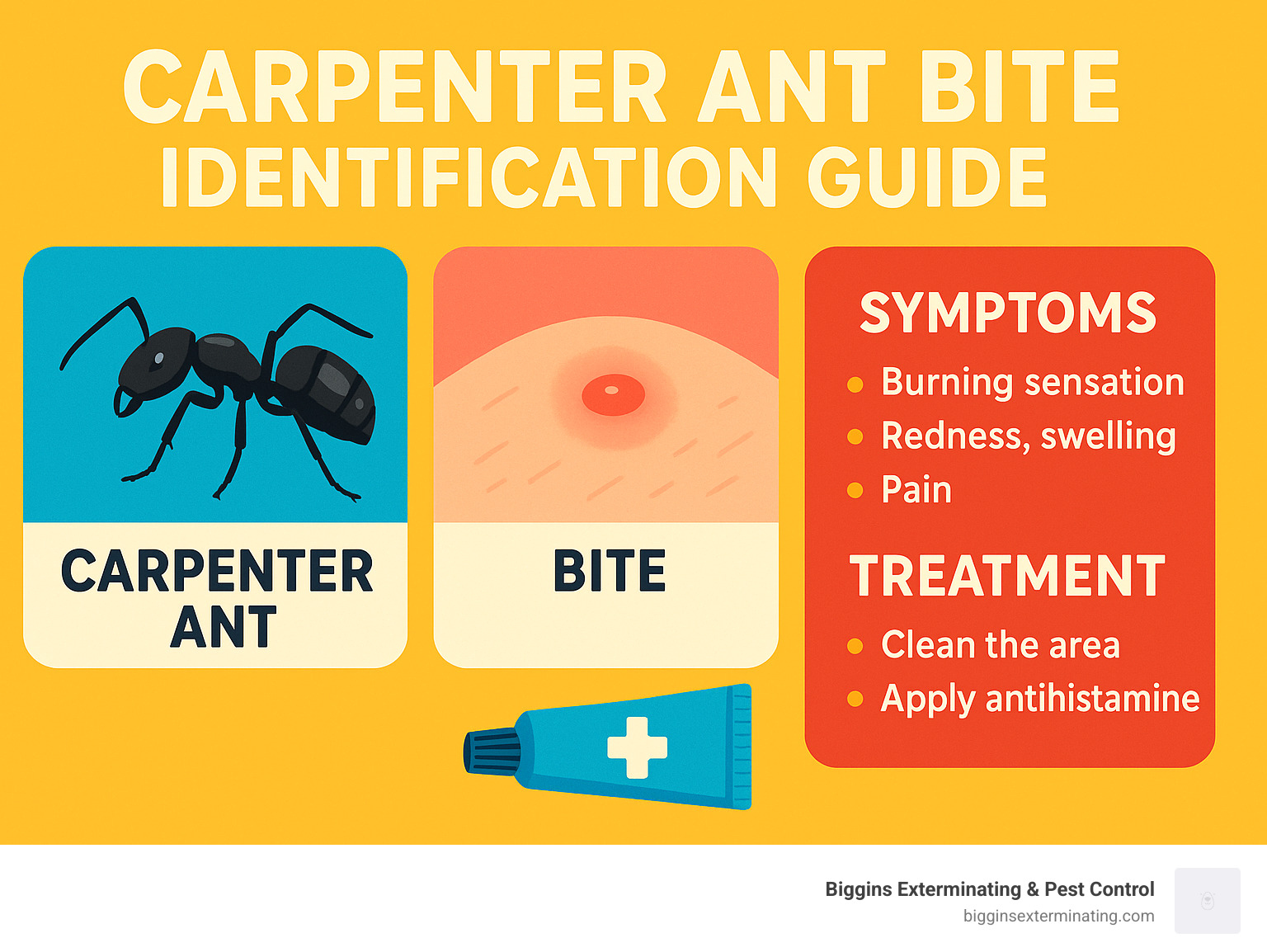
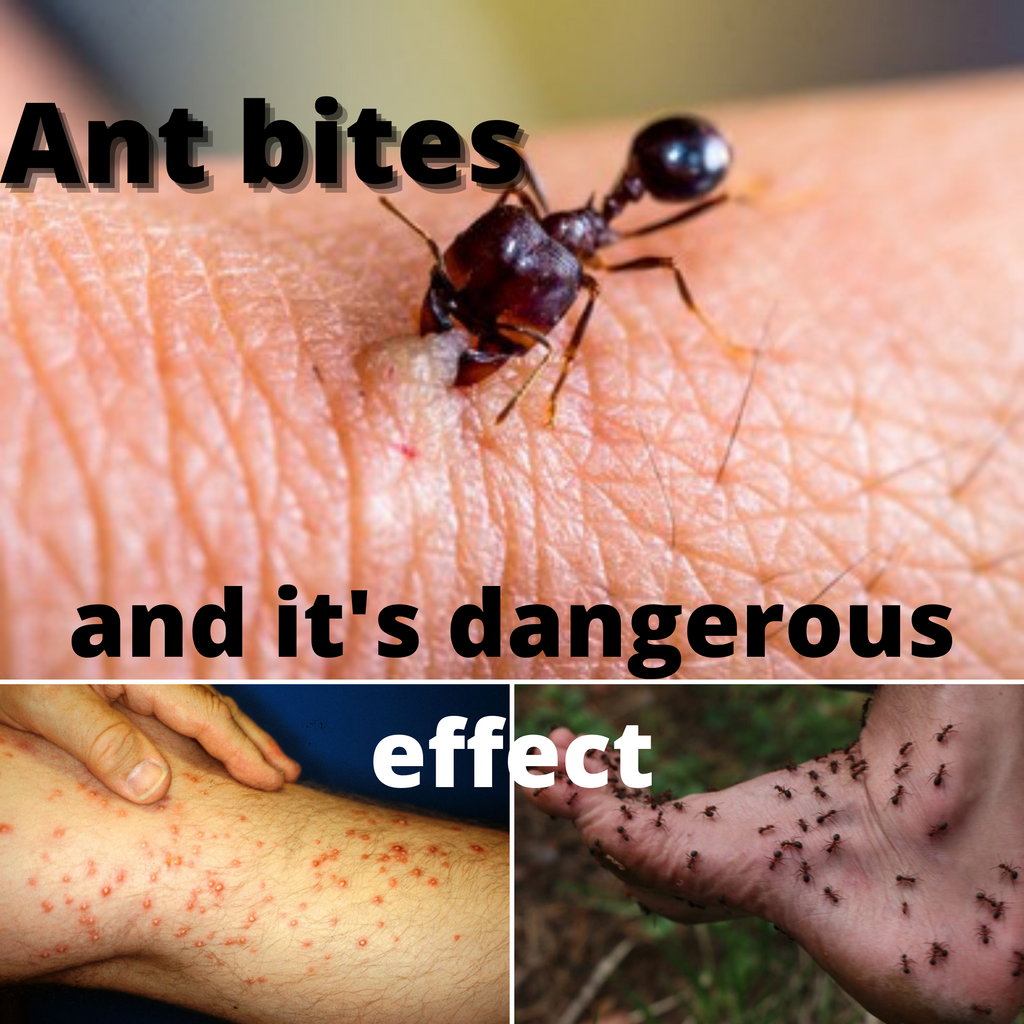
Ant stings, particularly those from fire ants (Solenopsis invicta), are a common nuisance in many parts of the world, including the southern United States. While most people refer to these as "bites," the pain and subsequent physical reaction are actually caused by a stinger located at the ant's abdomen. When a fire ant attacks, it latches onto the skin with its mandibles (the bite) and then pivots its body to sting multiple times in a circular pattern. This process injects a unique alkaloid venom that triggers a specific physiological response.
In the year 2026, healthcare providers continue to see a high volume of skin infections resulting from improper home treatment of these stings. Understanding the chemistry of the venom and the biological purpose of the pustule is essential to managing the injury safely and avoiding long-term dermatological damage.
The Physiology of a Fire Ant Sting
To understand why popping an ant bite is detrimental, one must first understand what is happening inside the skin. The venom of a fire ant is composed of approximately 95% water-insoluble alkaloids known as solenopsins, with the remaining 5% consisting of an aqueous solution of proteins, enzymes, and other allergens.
Unlike the venom of bees or wasps, which is primarily protein-based and causes generalized swelling, fire ant venom is cytotoxic—it kills the cells it touches. Within seconds of the sting, the solenopsins trigger an intense burning sensation and a localized inflammatory response.
The Formation of the Pustule
Within 24 hours of the sting, a characteristic white, fluid-filled bump called a pustule forms at the site. It is important to note that this initial fluid is not "pus" in the traditional sense of an active infection. Instead, it is a collection of necrotic (dead) tissue and white blood cells that have rushed to the area to wall off the venom.
In its natural state, this pustule is sterile. The overlying skin acts as a biological bandage, keeping external bacteria out while the immune system works to break down the toxins beneath. If left undisturbed, the body eventually reabsorbs the fluid, and the dead skin flakes off naturally, usually within 7 to 10 days.
What Happens When You Pop the Bite?
When you apply pressure to a fire ant pustule to "pop" it, several negative physiological events are set in motion. While the urge to pop usually stems from the discomfort of the pressure or a desire to "clean out" the wound, the results are almost universally counterproductive.
1. Breach of the Protective Barrier
The primary function of the skin is to act as a barrier against the environment. By popping the pustule, you create an open wound. Because the venom has already caused localized tissue necrosis, the area around the sting is already weakened and less capable of mounting a rapid defense against new invaders.
2. Introduction of Pathogens
Human skin is naturally colonized by bacteria, most notably Staphylococcus aureus and Streptococcus pyogenes. Under normal circumstances, these bacteria are harmless. However, when you pop a blister with your fingernails—which are significant reservoirs for bacteria—you introduce these pathogens directly into the deep layers of the dermis. This is the most common cause of secondary infections following an insect sting.
3. Increased Inflammation and Pain
The act of squeezing the tissue can push the venom and necrotic debris deeper into the surrounding healthy tissue. This often exacerbates the inflammatory response, leading to increased redness, heat, and swelling beyond the original site of the sting.
4. Delayed Healing and Scarring
The body heals most efficiently under a closed environment. An open wound requires the formation of a scab and the migration of new skin cells across a larger gap. This extended healing time increases the likelihood of post-inflammatory hyperpigmentation (dark spots) or the development of keloid and hypertrophic scars, especially in individuals prone to scarring.
Common Complications of Popping Ant Bites
If an ant bite is popped and becomes infected, the situation can escalate from a minor annoyance to a medical concern. As of 2026, medical guidelines emphasize monitoring for specific signs of secondary complications.
Cellulitis
Cellulitis is a deep bacterial infection of the skin. If you pop an ant bite and notice that the redness is spreading in a "streak" or if the area feels increasingly hot and painful, you may be developing cellulitis. This condition requires oral antibiotics and, if left untreated, can lead to systemic infection (sepsis).
Impetigo
This is a highly contagious skin infection characterized by honey-colored crusts. It often occurs when bacteria are spread from one popped ant bite to other areas of the body through scratching or contact with clothing.
Lymphangitis
In some cases, the infection can enter the lymphatic system. This is often visible as red lines radiating from the site of the sting toward the nearest lymph node (such as in the armpit or groin). This is a serious sign that necessitates immediate medical evaluation.
Comparison: Leaving the Pustule Intact vs. Popping It
| Feature | Intact Pustule (Recommended) | Popped Pustule (Not Recommended) |
|---|---|---|
| Initial Fluid Status | Sterile (Necrotic tissue/venom) | Exposed to environmental bacteria |
| Healing Time | 7–10 days | 14–21 days (or longer if infected) |
| Infection Risk | Low | High |
| Pain Level | Moderate itching/pressure | Increased soreness and potential throbbing |
| Scarring Potential | Minimal | Significant (especially hyperpigmentation) |
| Treatment Required | Topical cooling, antihistamines | Antibiotic ointments, bandages, possible oral meds |
How to Properly Manage an Ant Bite (2026 Guidelines)
If you have been stung by fire ants, the goal of treatment is to manage the itching and prevent the pustule from rupturing accidentally.
Immediate Actions
- Remove the Ants: Fire ants use their mandibles to hang on. They must be brushed off vigorously with a cloth or hand, as they will continue to sting until removed.
- Wash the Area: Use cool, soapy water to remove any remaining venom on the skin surface and to reduce the bacterial load in the area.
- Apply Cold Compresses: Use an ice pack (wrapped in a towel) for 15 minutes on and 15 minutes off. This constricts blood vessels, reducing the spread of venom and numbing the pain.
Managing the Itch
The urge to scratch is the leading cause of accidental popping. Use the following to manage pruritus (itching):
- Hydrocortisone Cream (1%): Apply a thin layer to reduce inflammation.
- Oral Antihistamines: Medications like cetirizine or diphenhydramine can help block the histamine response that causes itching.
- Calamine Lotion: A classic remedy that provides a cooling sensation and protects the skin.
Protecting the Pustule
If the bite is in an area prone to friction (like the waistband or between fingers), cover it loosely with a sterile adhesive bandage. Ensure the bandage is loose enough that it does not put pressure on the pustule itself.
When an Ant Bite Becomes an Emergency
While most ant bites are localized, some individuals experience systemic allergic reactions. This is a medical emergency known as anaphylaxis. According to data from the American Academy of Allergy, Asthma & Immunology, roughly 1% to 5% of the population may have a severe allergy to fire ant venom.
Seek emergency care immediately (dial 911 or your local emergency services) if you experience:
- Difficulty breathing or wheezing.
- Swelling of the tongue, lips, or throat.
- A sudden drop in blood pressure or feeling faint.
- Widespread hives or a rash that spreads far from the sting site.
- Nausea, vomiting, or abdominal cramping following a sting.
For those with known severe allergies, carrying an epinephrine autoinjector is the standard of care in 2026. If you have been stung and use your autoinjector, you must still seek emergency medical evaluation, as a secondary reaction can occur hours later.
FAQs
How long does it take for an ant bite pustule to go away?
Generally, the white pustule will naturally dry up and flatten within 7 to 10 days. The redness (erythema) usually fades within 3 to 4 days, but the white "pimple" stays longer as the body processes the necrotic tissue. You should not attempt to peel the skin until it flakes off naturally.
If I accidentally popped an ant bite, what should I do?
If the pustule ruptures, immediately wash the area with mild soap and water. Apply an over-the-counter antibiotic ointment (such as bacitracin or polymyxin B) and cover it with a sterile bandage. Change the bandage daily and monitor for signs of infection, such as increased swelling or yellow drainage.
Can I use hydrogen peroxide or alcohol on a popped ant bite?
It is generally advised to avoid hydrogen peroxide and rubbing alcohol on open wounds. These substances are "cytotoxic," meaning they kill healthy skin cells along with bacteria, which can further delay the healing of the already damaged tissue. Stick to clean water and mild soap.
Why do some ant bites turn purple or dark brown after they heal?
This is known as post-inflammatory hyperpigmentation. Because the venom causes localized tissue death and significant inflammation, the skin produces extra melanin during the repair process. These spots usually fade over several months but can be permanent if the area was severely inflamed or frequently picked.
Does "drawing salve" or baking soda help with ant bites?
Baking soda pastes (baking soda mixed with a small amount of water) are a common home remedy that may help neutralize the itch for some people. However, there is no clinical evidence that "drawing salves" can remove venom once it has been injected into the dermis. Focus on anti-inflammatory treatments instead.
Final Recommendations for 2026
The best approach to an ant bite is a "hands-off" policy. If you are stung, clean the area, manage the itch with antihistamines or topical steroids, and allow the body's natural immune response to handle the venom. Popping the pustule offers no medical benefit and introduces unnecessary risks of infection and permanent scarring. If you notice signs of spreading redness, fever, or red streaks extending from the sting, consult a healthcare professional promptly to rule out cellulitis or other bacterial complications.
Image Gallery