Understanding the Role of Caputo Plumbing in Commercial Projects
Caputo Plumbing serves as a critical infrastructure partner in commercial projects by providing design-build expertise, large-scale system installation, and long-term maintenance. Their role encompasses the full lifecycle of a facility...
Caputo Plumbing serves as a critical infrastructure partner in commercial projects by providing design-build expertise, large-scale system installation, and long-term maintenance. Their role encompasses the full lifecycle of a facility’s water and waste management, ensuring that complex mechanical systems meet stringent municipal codes, environmental standards, and the high-capacity demands of modern commercial real estate.
Contents
Commercial plumbing is far more than an extension of residential services; it is a specialized discipline requiring sophisticated engineering, high-durability materials, and a deep understanding of multi-occupancy load requirements. In the 2026 construction landscape, firms like Caputo Plumbing have transitioned from traditional installers to comprehensive mechanical consultants. This shift is driven by the integration of smart building technologies and the necessity of high-efficiency water management systems in large-scale developments.
The Scope of Commercial Plumbing Operations
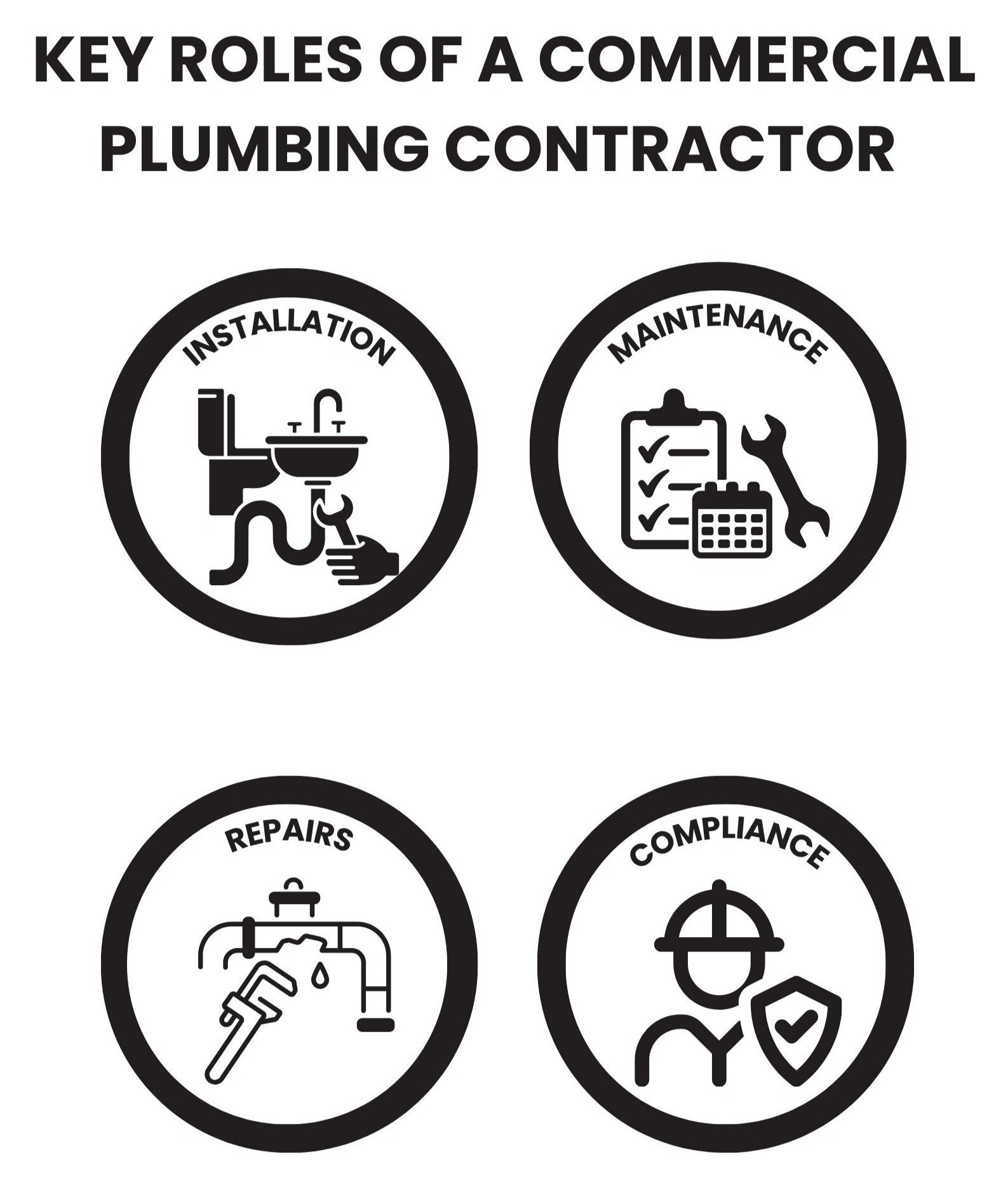
When a commercial project is initiated, the plumbing contractor is one of the first stakeholders to engage with the site and one of the last to remain during the finishing stages. Caputo Plumbing typically operates across three distinct phases of a project: the design and pre-construction phase, the rough-in and installation phase, and the post-construction maintenance phase.
In the design-build model, Caputo Plumbing collaborates with architects and general contractors to engineer systems that optimize water pressure, drainage, and gas lines. This phase is crucial because errors in the initial layout of underground piping or vertical stacks can lead to catastrophic expenses during the later stages of construction. By utilizing Building Information Modeling (BIM), contractors can visualize the plumbing network in 3D, identifying potential clashes with electrical conduits or HVAC ductwork before a single pipe is laid.
New Construction and Tenant Improvements
The role of Caputo Plumbing often splits between new "ground-up" construction and tenant improvements (TI). New construction involves the installation of the main supply lines, heavy-duty sewage ejector pumps, and the primary venting system. Tenant improvements, conversely, involve modifying existing systems to suit the specific needs of a new business, such as adding specialized sinks for a restaurant or medical-grade sterilization equipment for a healthcare facility.
Technical Expertise in High-Capacity Systems
Commercial properties, such as shopping malls, high-rise office buildings, and industrial warehouses, demand plumbing systems that can handle extreme usage spikes. Caputo Plumbing manages these demands through the implementation of industrial-grade components and advanced mechanical engineering principles.
Backflow Prevention and Water Safety
One of the most vital roles of a commercial plumber is protecting the municipal water supply. Commercial buildings often have "cross-connections" where potable water could potentially mix with non-potable sources, such as irrigation systems or industrial cooling towers. Caputo Plumbing specializes in the installation and annual certification of Reduced Pressure Zone (RPZ) valves. These backflow preventers are mandated by organizations like the Environmental Protection Agency (EPA) and local health departments to ensure that contaminated water does not flow backward into the public drinking system.
Grease Management and Interceptors
For commercial kitchens and food processing plants, grease management is a primary regulatory concern. Caputo Plumbing is responsible for the sizing and installation of grease traps and interceptors. These devices prevent Fats, Oils, and Grease (FOG) from entering the sanitary sewer system, where they could cause massive blockages. In 2026, the focus has shifted toward high-capacity automatic grease removal units (AGRUs) that are more efficient than traditional gravity-fed traps.
Comparison of Commercial vs. Industrial Plumbing Requirements
The technical requirements for a plumbing contractor vary significantly depending on the nature of the commercial project. The following table outlines the key differences between standard commercial projects and large-scale industrial or specialized projects.
| Feature | Standard Commercial (Office/Retail) | Industrial/Specialized (Factory/Lab) |
|---|---|---|
| Piping Material | Copper, PVC, or PEX-a | Stainless steel, Glass-lined, or CPVC |
| Water Demand | High-volume intermittent (restrooms) | Constant high-pressure (manufacturing) |
| Waste Type | Standard sanitary sewage | Chemical, corrosive, or high-temp waste |
| Regulatory Oversight | Local Building Code / ADA | OSHA / EPA / Specialized Industrial Standards |
| Maintenance Focus | Fixture repair and drain cleaning | Pump station monitoring and valve calibration |
Integration with Smart Building Technology
By 2026, the role of Caputo Plumbing has evolved to include the installation of IoT-enabled (Internet of Things) plumbing fixtures. Modern commercial projects now prioritize "smart water" management to reduce operational costs and prevent property damage.
Caputo Plumbing integrates digital leak detection systems that use ultrasonic sensors to monitor flow rates in real-time. If a pipe bursts or a fixture malfunctions after hours, the system can automatically shut off the main water valve and notify the facility manager via a mobile app. Furthermore, sensor-operated faucets and flush valves are no longer just for hygiene; they are now data-collection points that help building owners understand water usage patterns and identify areas where they can improve efficiency.
Regulatory Compliance and the Illinois Plumbing Code
In the regions where Caputo Plumbing operates, such as the Chicagoland area, compliance with the Illinois Plumbing Code (77 Ill. Adm. Code 890) is a non-negotiable aspect of their role. This code is one of the strictest in the United States, often requiring the use of cast iron and copper in scenarios where other states might allow plastics.
Commercial plumbers must ensure that every fixture adheres to the Americans with Disabilities Act (ADA) standards. This includes specific requirements for the height of water closets, the clearance under lavatories for wheelchair access, and the insulation of exposed piping to prevent burns. Failure to meet these standards can result in failed inspections, delayed occupancy permits, and potential legal liability for the property owner.
Maintenance and Emergency Infrastructure Support
The relationship between Caputo Plumbing and a commercial project does not end when the certificate of occupancy is issued. Commercial systems are under constant stress and require proactive maintenance to avoid costly downtime.
Hydro-Jetting and Pipe Descaling
Commercial drainage systems are prone to the buildup of mineral scale and organic debris. Caputo Plumbing utilizes high-pressure hydro-jetting to clear these lines. Unlike residential "snaking," hydro-jetting uses water at pressures up to 4,000 PSI to scrub the interior walls of the pipes, restoring them to near-original capacity. This is a vital service for hospitality and healthcare facilities where a drainage failure can result in a total cessation of operations.
Emergency Response and Business Continuity
For a commercial enterprise, a plumbing emergency is a financial emergency. Caputo Plumbing provides a safety net for businesses by offering rapid-response services. Whether it is a failed water heater in a hotel or a collapsed sewer line in a retail center, the plumber’s role is to perform "triage" to keep the business operational while executing a permanent repair.
Sustainable Practices in 2026 Commercial Plumbing
Sustainability has moved from a "nice-to-have" feature to a core requirement in 2026 commercial construction. Caputo Plumbing plays a lead role in helping projects achieve LEED (Leadership in Energy and Environmental Design) certification.
This involves the installation of:
- Greywater Recycling Systems: Collecting water from sinks and showers to be treated and reused for irrigation or toilet flushing.
- High-Efficiency Water Heaters: Transitioning from massive storage tanks to tankless (on-demand) systems or heat pump water heaters, which significantly reduce energy consumption.
- Low-Flow Fixtures: Installing high-performance toilets and faucets that use significantly less water without sacrificing user experience.
Frequently Asked Questions
What is the difference between a residential and a commercial plumber?
Commercial plumbers, like those at Caputo Plumbing, handle much larger systems with higher pressure requirements. They must be proficient in working with materials like cast iron and large-diameter copper, and they must understand complex codes related to multi-unit drainage and venting that rarely apply to single-family homes.
Does Caputo Plumbing handle design-build projects?
Yes, in modern commercial construction, Caputo Plumbing often acts as a design-build partner. This means they work directly with the developer and engineers from the start to design the plumbing system, which helps streamline the timeline and reduce the likelihood of expensive change orders during construction.
Why is backflow testing mandatory for commercial buildings?
Backflow testing is required by law to prevent contaminated water from being siphoned back into the public water supply. Commercial buildings often have various systems (like fire sprinklers or boilers) that contain non-potable water; a backflow preventer ensures this water only moves in one direction.
How does Caputo Plumbing support LEED certification?
Caputo Plumbing supports sustainability goals by installing water-saving fixtures, smart monitoring systems, and energy-efficient water heating solutions. They also assist in documenting water usage reductions, which is a key component of the LEED scoring system.
What are the most common plumbing issues in commercial buildings?
The most frequent issues include clogged main sewer lines due to high usage, failing water heaters, and malfunctioning sensor-operated fixtures. In older buildings, pipe corrosion and outdated backflow systems are also significant concerns that require professional intervention.
How often should a commercial plumbing system be inspected?
At a minimum, commercial systems should undergo a comprehensive inspection annually. However, high-traffic facilities like restaurants or hospitals often require quarterly maintenance for grease traps, pumps, and high-use drainage lines to prevent catastrophic failures.
Practical Recommendation for Project Managers
When integrating Caputo Plumbing into a commercial project, it is essential to involve them during the pre-construction phase. Early involvement allows for more accurate budgeting and ensures that the plumbing design is fully integrated with the building’s structural and electrical systems. For existing facility managers, establishing a Preventative Maintenance Agreement (PMA) is the most effective way to extend the lifespan of mechanical assets and minimize the risk of emergency repairs that can disrupt business operations.
Image Gallery