Understanding Bone Cells: A Comprehensive Guide to Skeletal Cellular Biology
Bone cells are the specialized biological units within the skeletal system responsible for the continuous development, structural maintenance, and repair of bone tissue. These cells—specifically osteogenic cells, osteoblasts, osteocyte...
Bone cells are the specialized biological units within the skeletal system responsible for the continuous development, structural maintenance, and repair of bone tissue. These cells—specifically osteogenic cells, osteoblasts, osteocytes, and osteoclasts—operate in a perpetual cycle known as bone remodeling, which ensures the skeleton remains strong, repairs microscopic damage, and regulates vital mineral levels, such as calcium and phosphate, throughout the human body.
Contents
The human skeleton is far from a static, inert frame. It is a highly dynamic organ system that undergoes constant turnover at the microscopic level. To understand bone cells as a medical term, one must look beyond the hard, calcified exterior of the bone and examine the intricate cellular mechanisms that balance the synthesis of new bone with the breakdown of old tissue. As of 2026, clinical research continues to emphasize the role of bone cells not only in structural integrity but also as endocrine regulators that influence systemic metabolism and organ function.
The Four Primary Types of Bone Cells
The medical classification of bone cells identifies four distinct types, each with a unique origin, morphology, and physiological responsibility. While they all contribute to bone health, they arise from two different progenitor lineages: the mesenchymal stem cell line and the hematopoietic (blood cell) line.
1. Osteogenic Cells (Osteoprogenitor Cells)
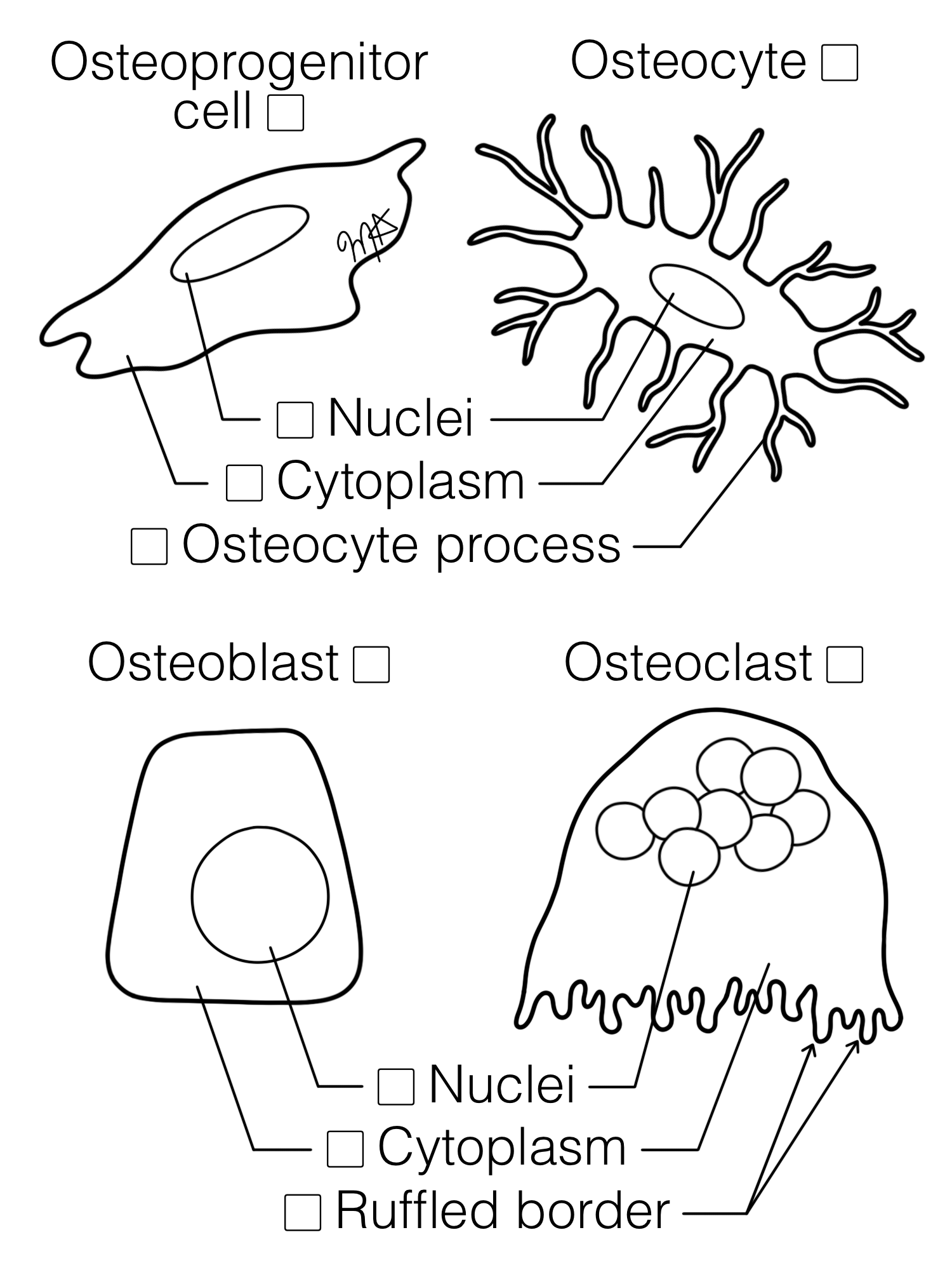
Osteogenic cells are the "stem cells" of the bone. They are the only bone cells capable of undergoing mitosis (cell division). These cells are primarily located in the deep layers of the periosteum (the outer membrane of the bone) and the endosteum (the lining of the marrow cavity).
When the body requires new bone growth or repair, osteogenic cells differentiate into osteoblasts. Their presence is crucial for the healing of fractures. Without a healthy population of osteogenic cells, the skeletal system would lose its ability to regenerate after injury or adapt to physical stressors.
2. Osteoblasts: The Bone Builders
Osteoblasts are the cells responsible for the formation of new bone, a process known as osteogenesis or ossification. They synthesize and secrete the organic components of the bone matrix, primarily Type I collagen and various non-collagenous proteins. This unmineralized organic matrix is called osteoid.
Once the osteoid is deposited, osteoblasts facilitate its mineralization by secreting alkaline phosphatase and depositing hydroxyapatite (calcium phosphate crystals) into the matrix. As 2026 diagnostic standards highlight, monitoring osteoblast activity through biomarkers like bone-specific alkaline phosphatase is essential for evaluating bone-forming efficiency in patients with metabolic bone diseases.
3. Osteocytes: The Mature Sensors
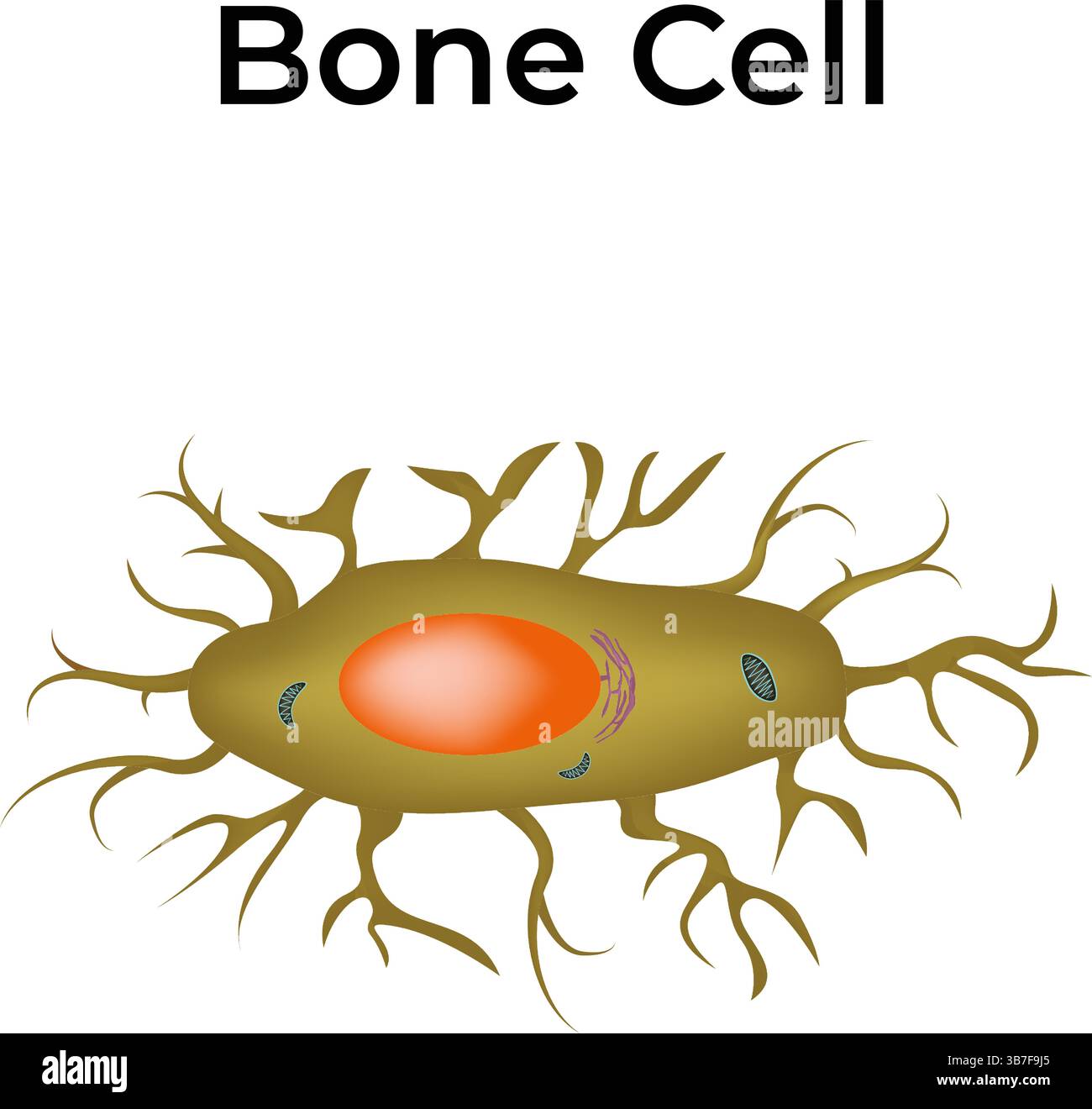
Once an osteoblast becomes completely surrounded by the mineralized matrix it has created, it transitions into an osteocyte. Osteocytes are the most abundant cells in mature bone tissue. They reside in small spaces called lacunae.
Despite being encased in "stone," osteocytes are highly active. They possess long, branch-like cytoplasmic extensions that travel through tiny channels called canaliculi. This network allows osteocytes to communicate with one another and with cells on the bone surface. Their primary role is mechanotransduction—sensing physical strain and pressure on the bone and signaling osteoblasts or osteoclasts to adjust bone density accordingly.
4. Osteoclasts: The Bone Recyclers
Unlike the other three types, osteoclasts do not originate from bone-forming stem cells. Instead, they are derived from the fusion of monocytes and macrophages (types of white blood cells) in the bone marrow. Osteoclasts are large, multinucleated cells specialized for bone resorption.
To break down bone, osteoclasts attach to the bone surface and create a sealed environment. They secrete hydrogen ions to dissolve the mineral component and proteolytic enzymes, such as cathepsin K, to digest the organic collagen matrix. This process is vital for releasing calcium into the bloodstream and for clearing away old or damaged bone to make room for new growth.
The Bone Remodeling Cycle
Understanding bone cells requires a deep dive into the bone remodeling cycle, the coordinated process where osteoclasts and osteoblasts work in tandem. In a healthy adult, approximately 5% to 10% of the skeleton is replaced every year.
The Phases of Remodeling
- Activation: Signals from osteocytes or systemic hormones (like Parathyroid Hormone) recruit osteoclast precursors to a specific site on the bone surface.
- Resorption: Osteoclasts break down the bone tissue, creating a small pit known as a Howship’s lacuna. This typically takes about 2 to 4 weeks.
- Reversal: Osteoclasts undergo apoptosis (programmed cell death) or move away, and mononuclear cells prepare the surface for new bone formation.
- Formation: Osteoblasts are recruited to the site and begin laying down osteoid. This phase is significantly slower than resorption, often taking 4 to 6 months to complete.
- Quiescence: The site remains dormant until a new cycle is triggered. Osteoblasts that are not trapped as osteocytes either become flat "lining cells" on the bone surface or disappear.
| Cell Type | Origin | Primary Function | Location |
|---|---|---|---|
| Osteogenic | Mesenchymal Stem Cells | Mitosis; differentiate into osteoblasts | Periosteum and Endosteum |
| Osteoblast | Osteogenic Cells | Bone formation; secretion of osteoid | Growing surfaces of bone |
| Osteocyte | Osteoblasts | Mechanosensing; nutrient/waste exchange | Within Lacunae (calcified matrix) |
| Osteoclast | Hematopoietic Stem Cells | Bone resorption (breakdown) | Bone surfaces (resorption pits) |
Clinical Relevance: When Cell Regulation Fails
When the balance between osteoblast and osteoclast activity is disrupted, various medical conditions arise. Medical professionals focus on these cellular interactions to treat skeletal pathologies.
Osteoporosis and Hyperactive Resorption
Osteoporosis is the most common condition associated with bone cell imbalance. In this state, osteoclast activity outpaces osteoblast activity. This leads to a net loss of bone mass and a deterioration of microarchitecture, making bones fragile and susceptible to fractures. As of 2026, many pharmaceutical interventions, such as bisphosphonates and RANKL inhibitors, specifically target osteoclasts to reduce their lifespan or activity.
Paget’s Disease of Bone
In Paget’s disease, the remodeling process becomes disorganized and hyperactive. Osteoclasts are larger and more numerous than normal, leading to rapid bone breakdown. The osteoblasts respond by quickly laying down new bone, but this new tissue is structurally weak, vascular, and prone to bowing or breaking.
Osteopetrosis: The "Stone Bone" Disease
Conversely, osteopetrosis occurs when osteoclasts fail to function correctly. Without the ability to resorb bone, the skeleton becomes abnormally dense and heavy. While this might sound beneficial, the lack of remodeling means the bone is brittle (much like a piece of chalk) and the marrow cavities can become obliterated, leading to severe anemia and immune deficiencies.
The Role of Mechanotransduction in Bone Health
A critical aspect of understanding bone cells as a medical term is the concept of Wolff's Law, which states that bone grows or remodels in response to the forces or demands placed upon it. This is managed almost entirely by the osteocyte network.
When we perform weight-bearing exercises, the mechanical loading creates fluid flow within the canaliculi. Osteocytes sense this fluid shear stress and respond by suppressing sclerostin, a protein that inhibits osteoblasts. When sclerostin levels drop, osteoblast activity increases, leading to denser, stronger bones. This is why astronauts in microgravity or sedentary individuals experience rapid bone loss; without mechanical strain, osteocytes allow bone resorption to dominate.
Nutrient and Hormonal Regulation of Bone Cells
The behavior of bone cells is tightly regulated by a complex interplay of hormones and nutrients. Understanding these regulators is essential for managing bone health in clinical settings.
- Parathyroid Hormone (PTH): When blood calcium is low, the parathyroid glands release PTH. This hormone stimulates osteoclasts (indirectly through osteoblasts) to break down bone and release calcium into the blood.
- Calcitonin: Produced by the thyroid gland, calcitonin inhibits osteoclast activity, effectively "locking" calcium into the bone when blood levels are too high.
- Vitamin D (Calcitriol): This is essential for the absorption of calcium in the intestines. Without adequate Vitamin D, osteoblasts cannot effectively mineralize the osteoid, leading to conditions like rickets in children or osteomalacia in adults.
- Estrogen and Testosterone: These sex hormones promote osteoblast activity and limit the lifespan of osteoclasts. The sharp decline in estrogen during menopause is a primary driver of postmenopausal osteoporosis.
Frequently Asked Questions
Can bone cells repair themselves after a break?
Bone cells do not "repair" themselves individually, but they coordinate to repair the tissue. When a bone breaks, a blood clot forms, and osteogenic cells rush to the area to create a soft callus of fibrocartilage. Osteoblasts then replace this with a hard bony callus, which is eventually refined and reshaped by osteoclasts over several months through the remodeling process.
How do osteocytes communicate if they are trapped in hard bone?
Osteocytes communicate through a system of microscopic tunnels called canaliculi. They extend long cytoplasmic processes through these tunnels to touch the processes of neighboring cells. At these contact points, they utilize "gap junctions," which allow ions and signaling molecules to pass directly from one cell to another, creating a functional syncytium.
Is bone cell death a normal part of aging?
Yes, but it is a managed process. Osteocytes have a long lifespan (up to decades), but they eventually undergo apoptosis. If too many osteocytes die without being replaced by a remodeling cycle, the bone matrix can become hyper-mineralized and brittle, a condition sometimes referred to as "micropetrosis."
What is the difference between ossification and calcification?
Ossification is the specific biological process of bone formation carried out by osteoblasts. Calcification is a broader term referring to the deposition of calcium salts in any tissue. While calcification is a step within ossification, it can also occur pathologically in non-bone tissues, such as heart valves or arteries.
Why are osteoclasts multinucleated?
Osteoclasts are formed by the fusion of multiple precursor cells (monocytes). This fusion results in a single, large cell with multiple nuclei. This large size and increased genetic "machinery" allow the cell to produce the massive amounts of enzymes and acid required to dissolve mineralized bone matrix efficiently.
Practical Next Actions for Bone Health
Understanding bone cells provides a clear roadmap for maintaining skeletal integrity. Because bone is a "use it or lose it" tissue, incorporating weight-bearing exercise is the most effective way to signal your osteocytes to strengthen the bone matrix. Furthermore, ensuring adequate intake of Calcium and Vitamin D provides the necessary raw materials for osteoblasts to perform their building duties.
If you are at risk for bone density issues, consult a healthcare provider for a Dual-Energy X-ray Absorptiometry (DEXA) scan. This diagnostic tool measures the mineral density of your bone, providing a clinical snapshot of how effectively your bone cells have been maintaining your skeletal structure over time.
Image Gallery