Adding a Licensed Child to Auto Insurance: A Comprehensive Guide for Parents
Adding a newly licensed child to your auto insurance policy is a mandatory step for most households, ensuring that your teenager is legally protected while gaining the necessary experience behind the wheel. When a teen obtains a driver...
Adding a newly licensed child to your auto insurance policy is a mandatory step for most households, ensuring that your teenager is legally protected while gaining the necessary experience behind the wheel. When a teen obtains a driver’s license, insurers generally require that they be listed on their parents' policy, as they are considered residents of the household with access to the family vehicles. This process involves updating your policy declarations page, assessing how the addition impacts your risk profile, and adjusting premiums to account for the statistically higher likelihood of claims involving inexperienced drivers.
Contents
Understanding the Requirement: Why Teens Must Be Listed
Insurance companies operate on the principle of risk assessment. When you purchase an auto insurance policy, the premium is calculated based on the risk profile of the primary drivers listed. A licensed teenager—regardless of how infrequently they drive—is considered a significant change in that risk profile. Most insurance contracts contain a "resident relative" clause, which stipulates that all licensed individuals living in your household must either be added to your policy or explicitly excluded if the state allows for such exclusions.
Failing to report a licensed child to your insurance company can lead to serious consequences, including the denial of a claim if an accident occurs. If your insurer discovers that a teen was driving a vehicle but was not disclosed, they may retroactively adjust your premiums, cancel your policy, or, in extreme cases, allege material misrepresentation. By proactively updating your policy, you ensure continuous coverage and maintain a transparent relationship with your provider.
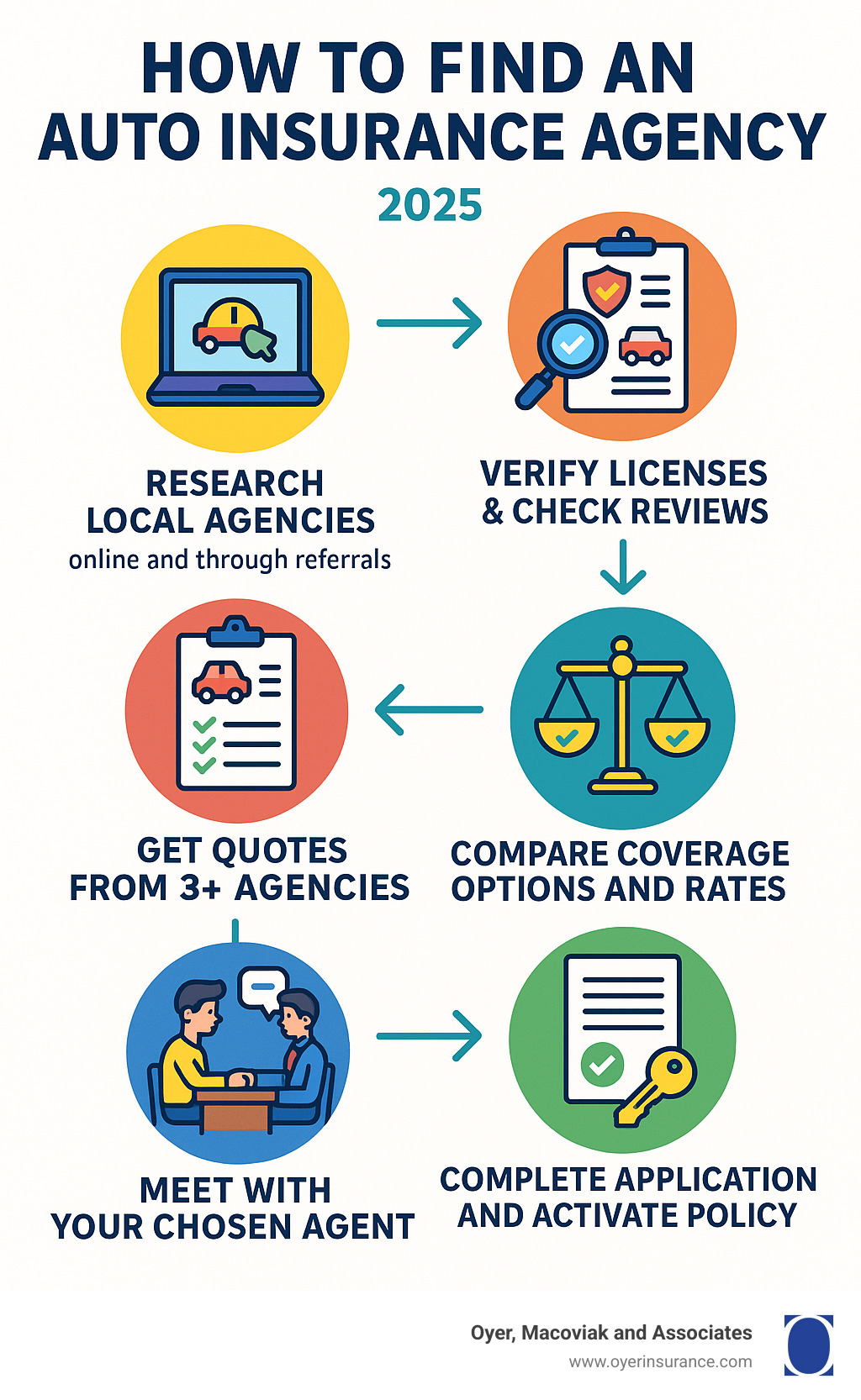
Steps to Add a Teenager to Your Policy
The administrative process for adding a licensed child is generally straightforward, but it requires specific documentation and decision-making regarding coverage levels.
- Notify Your Agent or Carrier: As soon as your child passes their driving test, contact your insurance representative. You will need to provide their driver's license number, date of birth, and date of licensure.
- Review Existing Coverage: Evaluate your current liability limits. Adding a teen increases your exposure to potential lawsuits and property damage claims. Many experts recommend increasing your bodily injury and property damage liability limits or considering an umbrella policy to protect your personal assets.
- Evaluate Vehicle Assignment: If you have multiple cars, ask your insurer how assigning the teenager as the primary driver of a specific vehicle impacts your rate. Sometimes, assigning them to the oldest or least expensive vehicle can lead to different premium calculations compared to placing them on a newer, high-value vehicle.
- Confirm Effective Date: Ensure the change is effective on the date of licensure. Do not wait for the next renewal cycle, as this leaves a gap in coverage.
- Review the New Declarations Page: Once the update is processed, verify that your child’s information is listed correctly and that you understand the new premium amount.
Factors Influencing Insurance Costs for Teens
The addition of a teen driver is often the single most expensive change a policyholder will make. Insurance companies use actuarial data showing that drivers under the age of 20 have higher accident rates compared to more experienced drivers. Several factors contribute to the total cost:
- Age and Experience: Younger, newly licensed drivers are statistically more likely to be involved in accidents due to a lack of experience in handling complex traffic situations.
- Location: Rates are significantly influenced by your ZIP code. Urban areas with higher traffic congestion and higher theft rates will result in higher premiums for teen drivers than rural areas.
- Academic Performance: Many insurers offer "Good Student" discounts for teens who maintain a B average or higher, acknowledging that academic responsibility often correlates with driving responsibility.
- Driver Training: Completion of a state-certified defensive driving or driver’s education course often triggers a discount.
- Vehicle Type: Insuring a sports car or a vehicle with high repair costs for a teen will significantly drive up the premium.
Comparative Cost Considerations
The following table outlines how different variables may impact your policy when adding a new driver.
| Factor | Impact on Premium | Mitigation Strategy |
|---|---|---|
| Driver Age (16-18) | Very High | Look for "Good Student" or "Driver Training" discounts. |
| Vehicle Type | High | Assign teen to the oldest or least expensive vehicle. |
| Academic Standing | Discount | Submit recent transcripts to your agent annually. |
| Telematics Program | Variable | Use tracking apps to demonstrate safe driving habits. |
| Liability Limits | Moderate Increase | Balance adequate coverage with potential deductible adjustments. |
Utilizing Telematics and Usage-Based Insurance
In 2026, many major insurers offer telematics programs (often referred to as usage-based insurance or UBI). These programs involve installing a small device in the car or using a smartphone app to monitor driving habits such as hard braking, rapid acceleration, late-night driving, and speed.
For a household with a newly licensed teenager, these programs can be a double-edged sword. If the teen is a cautious driver, the data gathered can lead to substantial discounts, effectively offsetting the "teen driver surcharge." However, if the teen exhibits risky driving behaviors, the program could potentially lead to higher rates. Before enrolling, review the specific terms of the program to see if it allows for premium increases or only provides discounts based on positive driving data.
Common Mistakes to Avoid
When navigating this transition, parents should avoid common pitfalls that can lead to financial or legal complications:
- Delaying Disclosure: The most common mistake is waiting to add the child until the next renewal period. Coverage gaps are dangerous and often illegal.
- Ignoring Exclusions: Some parents attempt to list a child as an "excluded driver" to save money. If the child drives and crashes the car while excluded, the insurance company will likely deny the claim entirely, leaving the parent personally liable for all damages.
- Overlooking Deductibles: If your premium increases significantly, you might be tempted to increase your deductible to lower costs. Ensure you have the cash on hand to pay that higher deductible if the teen is involved in an accident.
- Failure to Update Discounts: As your teen ages or graduates from high school, their risk profile changes. Re-evaluate your discounts every six months or at policy renewal to ensure you are paying the lowest possible rate for their current age group.
Professional Advice and Jurisdictional Limits
It is important to recognize that auto insurance regulations are dictated by state law. Requirements for minimum liability, the definition of a "resident," and even the rules regarding driver exclusions vary significantly across the United States. While the information provided here serves as a general guide for 2026, you should consult with your insurance carrier or a licensed insurance broker to understand the specific legal landscape of your jurisdiction. Always review your state’s Department of Insurance website for local mandates regarding teen drivers. This article does not constitute legal or financial advice; please consult with a qualified professional regarding your specific personal situation.
Frequently Asked Questions (FAQ)
Does my child need their own policy once they are licensed?
Generally, no. Most insurers require that a teen residing in the same household be added to the parents' existing policy. In fact, keeping them on your policy is often cheaper than having them purchase a separate, standalone policy, as you can benefit from multi-car and multi-driver discounts.
Can I exclude my teen driver from my policy?
Some states permit you to exclude a household member from your insurance policy, but this means the excluded person is absolutely forbidden from driving your vehicles. If they do drive your car and get into an accident, you will not have any coverage. This is generally not recommended for families.
When does the "teen driver" surcharge decrease?
Insurance rates typically begin to decrease when a driver reaches the age of 21, with further decreases occurring at age 25. Consistent safe driving and an accident-free record are the primary factors that will lower premiums over time.
Does the type of car my teen drives affect my insurance?
Yes, significantly. Insurers assess the cost of repairs, the safety features of the vehicle, and the statistical likelihood of that specific model being involved in an accident. A newer, high-performance vehicle will almost always be more expensive to insure for a teen than a standard, older sedan.
How can I prove my teen has completed driver's education?
Most insurance companies require a certificate of completion from an accredited driver’s education program. Keep a digital or physical copy of this certificate, as you will need to provide it to your agent to trigger any applicable "safe driver" or education discounts.
What happens if my teen is a student living away at college?
If your child attends college more than 100 miles away from home and does not take a vehicle with them, you may be eligible for a "student away at school" discount. Contact your insurer to discuss this, as it acknowledges that the teen is driving significantly less than a local resident driver.
Next Steps for Parents
Begin by pulling your current insurance declarations page and identifying your current liability limits. Call your insurance agent and ask for a quote for adding your teenager, specifically asking how different vehicles in your household affect the rate. Compare these costs against your budget, and discuss the new policy responsibilities—such as the rules of the road and financial accountability—with your teenager. Ensuring they understand that their driving habits directly impact the household’s finances can be a powerful tool for encouraging safe driving.
Image Gallery