William Arnett and the Transformation of Contemporary Art
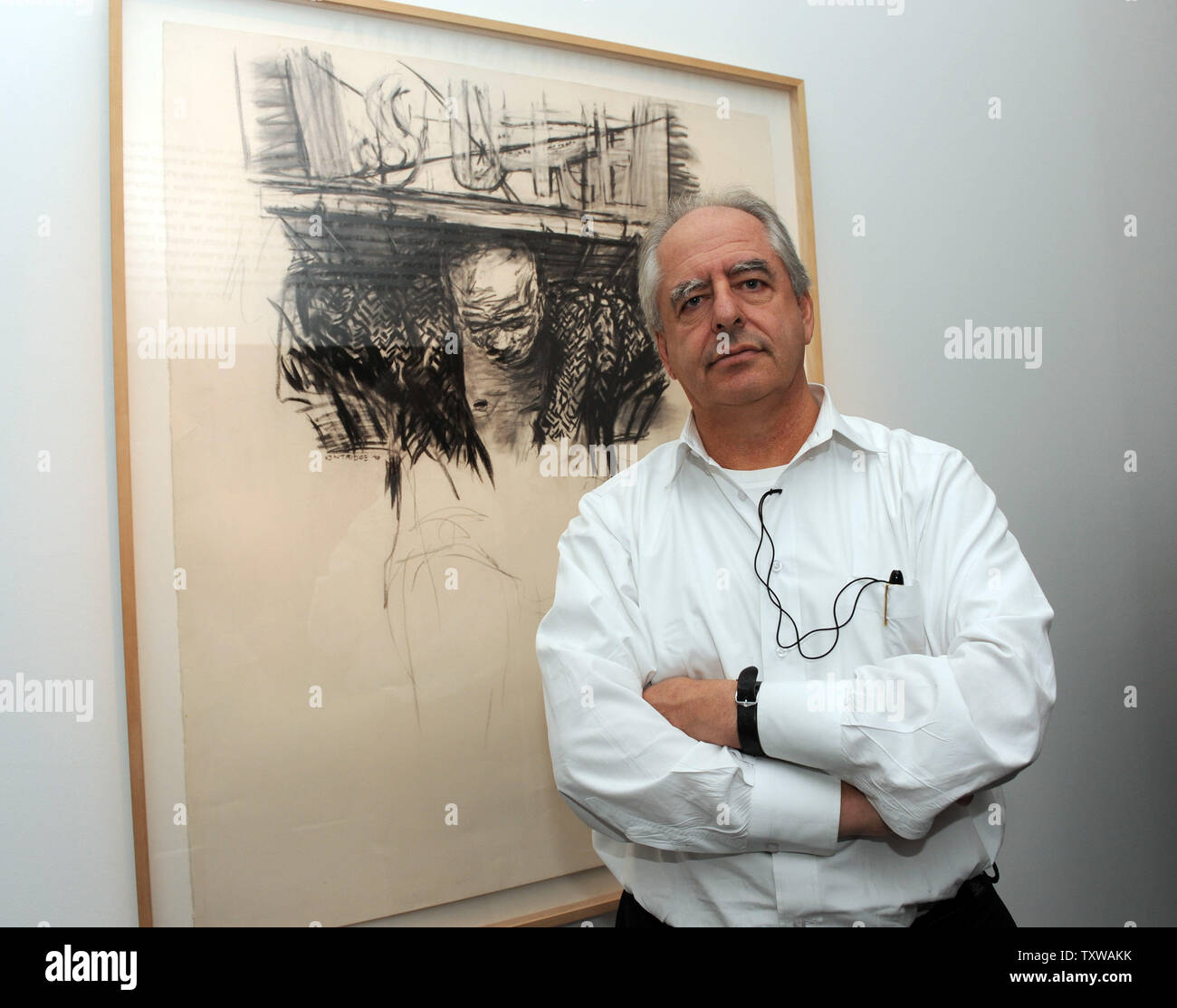
William Arnett was a visionary art collector, curator, and historian whose work fundamentally reshaped the American contemporary art canon by championing the works of Black artists from the Southern United States. Through his founding...
William Arnett was a visionary art collector, curator, and historian whose work fundamentally reshaped the American contemporary art canon by championing the works of Black artists from the Southern United States. Through his founding of the Souls Grown Deep Foundation, Arnett transitioned "vernacular" art from the margins of "outsider" status into the permanent collections of the world’s most prestigious museums.
Contents
The Visionary Shift: Redefining the Contemporary Label
To understand William Arnett’s role in contemporary art is to understand a decades-long battle against cultural provincialism. Before Arnett’s intervention, the art world largely categorized the work of self-taught African American artists from the South as "folk art," "primitive," or "outsider art." These labels often served to diminish the intellectual and aesthetic rigor of the work, suggesting it was a curiosity rather than a serious contribution to the global art dialogue.
Arnett, who began his career as a dealer of traditional Mediterranean and Asian antiquities, experienced a paradigm shift in the 1980s. He realized that the most profound contemporary art in America was being created in the rural South by descendants of enslaved people. He argued that these artists—working with found materials, scrap metal, and discarded textiles—were not merely "crafting" items but were engaging in a sophisticated form of visual history and political commentary.
By the time of his passing in 2020, and continuing into the present landscape of 2026, Arnett’s thesis has been largely vindicated. The "contemporary" label is no longer restricted to those with Master of Fine Arts degrees from urban institutions; it now encompasses the structural complexity of a Thornton Dial assemblage or the geometric brilliance of a Gee’s Bend quilt.
The Souls Grown Deep Foundation: A Strategic Legacy
The primary vehicle for Arnett’s influence is the Souls Grown Deep Foundation. Founded in 2010, the organization was built upon the massive collection Arnett had amassed over decades. However, rather than functioning as a private museum, Arnett and the foundation’s leadership pioneered a "gift-purchase" model that changed the face of institutional collections.
The Gift-Purchase Program
Under this model, the foundation would provide a significant group of works to a major museum. A portion of the acquisition would be a direct gift, while the remainder would be purchased at a price below market value. This strategy served several purposes:
- Institutional Buy-In: By requiring museums to pay for a portion of the works, the foundation ensured that the institutions had a financial and curatorial stake in the artists’ success.
- Permanent Integration: Once these works entered the permanent collections of places like the Metropolitan Museum of Art or the High Museum, they were no longer "temporary loans" but permanent fixtures of the American narrative.
- Scholarly Validation: These acquisitions often coincided with major exhibitions and the publication of scholarly catalogs, providing the academic "proof" required to solidify an artist's place in history.
Impact on Major Institutions (Status as of 2026)
By 2026, the success of this program is evident in the permanent galleries of nearly every major American art museum. The Metropolitan Museum of Art’s 2014 acquisition of 57 works from the foundation was a watershed moment, followed by similar moves from the Fine Arts Museums of San Francisco, the Philadelphia Museum of Art, and the National Gallery of Art.
Key Artists Championed by William Arnett
Arnett’s legacy is inextricably linked to the individual artists he supported. He did more than buy their work; he documented their lives, recorded their philosophies, and advocated for their recognition as masters of 20th and 21st-century art.
Thornton Dial (1928–2016)
Arnett often referred to Thornton Dial as one of the greatest artists of the 20th century, comparing him to Jackson Pollock or Robert Rauschenberg. Dial’s massive assemblages, made from found wood, steel, rope, and industrial detritus, addressed themes of the Jim Crow South, the Civil Rights Movement, and the struggle for human rights. Arnett’s relentless promotion of Dial helped the artist achieve solo exhibitions at the New Orleans Museum of Art and the Indianapolis Museum of Art.
The Quilters of Gee’s Bend
In the isolated community of Gee’s Bend, Alabama, women had been making quilts for generations. While the world saw them as functional household items, Arnett saw them as "abstract paintings in fabric." He was instrumental in organizing the 2002 exhibition "The Quilts of Gee’s Bend," which traveled across the U.S. and received rave reviews. This exhibition proved that these women had independently developed an aesthetic language that mirrored—and in some cases predated—the high modernism of New York painters.
Lonnie Holley
Known as "The Sandman," Lonnie Holley creates sculptures from found objects and is also a celebrated musician. Arnett recognized Holley’s ability to imbue "trash" with spiritual and historical weight. Today, Holley is a regular fixture in international biennials and contemporary music festivals, a trajectory that began with Arnett’s early support.
Comparative Analysis: Traditional vs. Arnett’s Perspective
The following table illustrates how Arnett’s advocacy shifted the perception of Southern African American art within the contemporary framework.
| Feature | Pre-Arnett / "Folk Art" Lens | Arnett / Contemporary Lens |
|---|---|---|
| Primary Label | Outsider, Self-Taught, Primitive | Contemporary, Modern, Vernacular |
| Materiality | Viewed as "making do" with scraps | Sophisticated use of found-object assemblage |
| Artistic Intent | Assumed to be accidental or intuitive | Recognized as intentional political and social critique |
| Venue | Specialized "folk" museums or gift shops | Major encyclopedic museums (Met, MoMA) |
| Market Value | Low; sold as "craft" | High; traded at major auction houses (Christie's, Sotheby's) |
| Scholarship | Biographically focused (the "eccentric" artist) | Art-historically focused (formalism and semiotics) |
Navigating Controversies and Criticisms
The career of William Arnett was not without significant friction. His role as a white man "discovering" and controlling the output of Black artists led to accusations of paternalism and exploitation.
A 1993 segment on the television show 60 Minutes famously portrayed Arnett as an exploitative figure, questioning his business practices and the prices paid to artists. Arnett spent much of his later life defending his reputation, arguing that he had sacrificed his own financial stability to support artists whom no one else would touch at the time.
In the contemporary retrospective view of 2026, most historians acknowledge a complex reality: while Arnett held significant power over the artists' careers, his work ensured that these artists received a level of recognition and financial security that would have been otherwise impossible in the systemic racism of the 20th-century South. Furthermore, the Souls Grown Deep Foundation’s recent initiatives—such as the Community Health Initiative and voting rights advocacy in the regions where these artists lived—have sought to address these historical power imbalances.
The Enduring Legacy in 2026
As we look at the contemporary art market and institutional landscape in 2026, William Arnett’s influence is foundational. The "vernacular" tradition is now a standard part of art history curricula. Collectors and curators no longer see a divide between a "schooled" painter and a "self-taught" assemblage artist; they see two different paths to the same contemporary truth.
The Souls Grown Deep Foundation continues to expand its digital archive, making Arnett’s thousands of photographs and interviews available to researchers worldwide. This documentation ensures that the voices of the artists themselves—not just the collectors—remain the primary source for understanding this movement.
FAQ: William Arnett and Contemporary Art
What is the "Souls Grown Deep" collection?
The Souls Grown Deep collection is the largest and most significant assembly of art by African Americans from the Southern United States. It includes thousands of works ranging from quilts and paintings to large-scale sculptures and environmental installations.
Why did William Arnett reject the term "Outsider Art"?
Arnett argued that "Outsider Art" implied these artists were outside of the human experience or the history of art. He believed they were the "ultimate insiders"—people who were deeply embedded in the American experience and whose work was a direct response to its social and political realities.
How did Arnett's work affect the value of Southern Black art?
Before Arnett, works by these artists were often sold for negligible amounts. Through his high-profile exhibitions and museum placements, he helped establish a robust secondary market where pieces by artists like Thornton Dial can now command six and seven-figure prices at auction.
Is the Souls Grown Deep Foundation still active in 2026?
Yes, the foundation remains highly active. While its focus has shifted from mere acquisition to institutional placement and social advocacy, it continues to manage the legacy of its artists and supports community development in the American South.
Where can I see the art William Arnett collected?
Major collections are held at the Metropolitan Museum of Art (New York), the High Museum of Art (Atlanta), the Fine Arts Museums of San Francisco, and the Philadelphia Museum of Art. Many of these institutions have dedicated galleries for these works.
Recommendation for Further Action
For those interested in exploring the world William Arnett helped build, the first step should be an engagement with the Souls Grown Deep Foundation’s digital archive. It provides a comprehensive look at the artists, their environments, and the historical context of their work. Furthermore, visiting the permanent "Souls Grown Deep" installations at regional museums like the High Museum of Art in Atlanta offers the most immersive experience of the scale and power of this art. If you are a collector or scholar, focus on the peer-reviewed catalogs published during the major museum transfers (2014–2022) to understand the formalist arguments that elevated this work to contemporary status.
Image Gallery