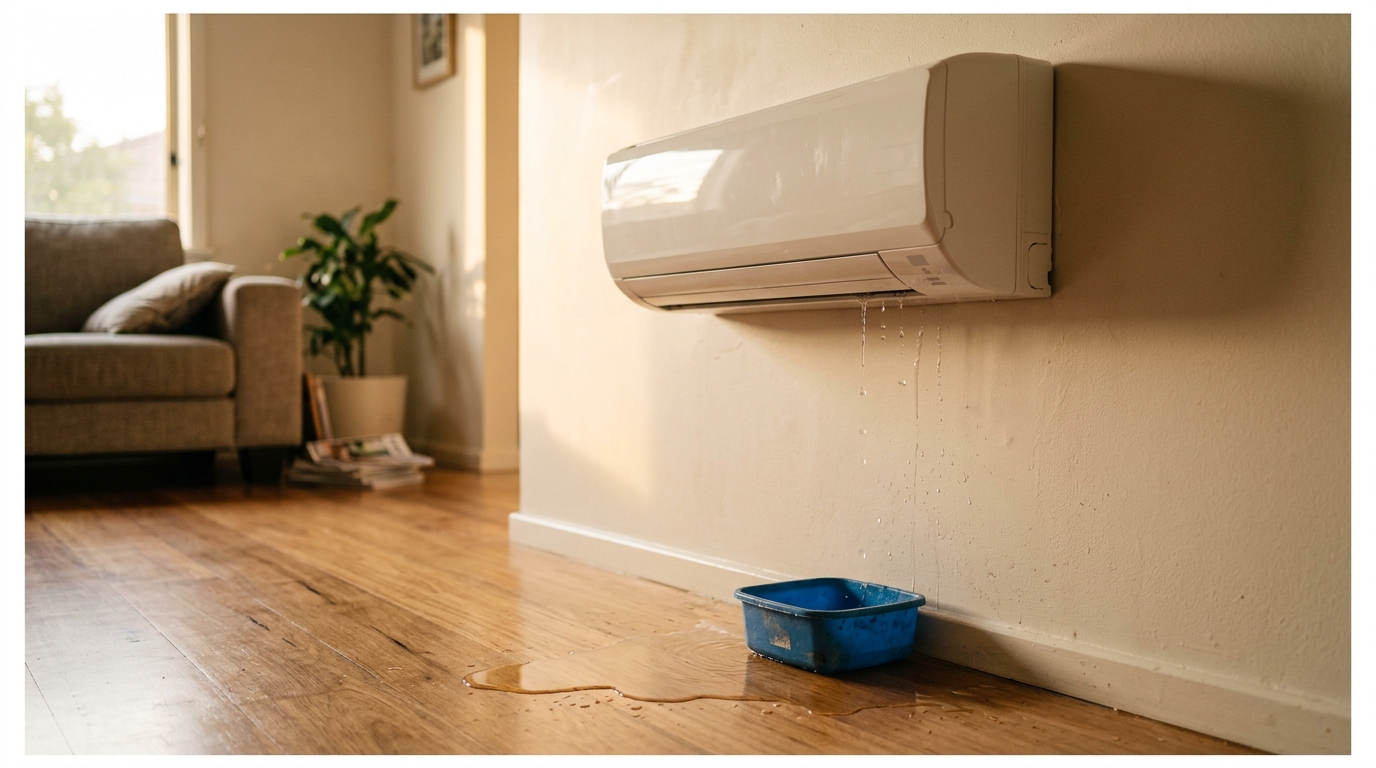
Understanding Car Air Conditioning Water Dripping: Causes, Normal vs. Abnormal Signs, and Solutions
Water dripping from a car air conditioning system is a very common occurrence that often causes unnecessary panic among vehicle owners who mistake normal condensation for a mechanical failure. In most cases, this phenomenon is entirely...
Water dripping from a car air conditioning system is a very common occurrence that often causes unnecessary panic among vehicle owners who mistake normal condensation for a mechanical failure. In most cases, this phenomenon is entirely natural, resulting from moisture in the humid outside air condensing on the cold evaporator core inside the dashboard and draining safely out through a dedicated tube beneath the vehicle. However, when the drainage pathway becomes blocked, or when fluid leaks from other automotive systems such as the cooling or heating circuits, water dripping can indicate a problem requiring prompt troubleshooting and repair.
Contents
The Science Behind Normal A/C Condensation
To understand why a vehicle leaves a puddle of water on the ground after running the air conditioner, it helps to examine the basic thermodynamic principles at play. When you activate your car's climate control system, the refrigerant inside the sealed system cycles through an indoor component known as the evaporator core. This core becomes extremely cold as it absorbs heat from the air inside the passenger cabin.
Warm air pulled from either inside the car or drawn from the outside contains varying amounts of moisture in the form of water vapor. As this humid air passes rapidly across the frigid surface of the evaporator core, its temperature drops sharply. Warm air can hold significantly more moisture than cold air, so as the air cools, the moisture it carries condenses from a gas into liquid water droplets—much like cold droplets forming on the outside of an iced beverage glass on a hot summer afternoon.
This liquid water collects in a plastic catch basin, known as the evaporator housing or condensation pan, located underneath or near the dashboard. From there, gravity pulls the water down through a flexible rubber or plastic drain tube—frequently called the condensate drain line—which exits through the floor pan of the vehicle, usually emptying onto the pavement beneath the engine bay or passenger footwell area. Therefore, a steady stream or puddle of clear, odorless water underneath a running car on a hot, humid day is typically a sign that the climate control system is operating exactly as engineered.
Distinguishing Normal Condensation from Fluid Leaks
While clear water dripping from beneath the engine compartment is standard, vehicle owners must be able to differentiate harmless condensation from dangerous fluid losses. Misidentifying automotive fluids can lead to severe engine damage, transmission failure, or sudden brake loss if left unaddressed.
The primary fluids circulating within a modern automobile possess distinct physical characteristics, colors, smells, and textures. By performing a simple visual and tactile inspection of the liquid pooled on the ground, a driver can quickly ascertain whether the fluid is simply water or a leaking automotive component.
Fluid Comparison Reference Table
| Fluid Type | Typical Color | Consistency | Odor | Common Location | Meaning |
|---|---|---|---|---|---|
| A/C Condensation | Clear | Watery, thin | Odorless | Center to passenger-side undercarriage | Normal atmospheric moisture drainage |
| Coolant (Antifreeze) | Bright Green, Pink, Orange, Blue | Slightly slippery | Sweet, syrupy | Front center to engine bay | Leaking radiator, hose, or water pump |
| Windshield Washer Fluid | Blue, Green, Orange, Clear | Watery, thin | Chemical, soapy | Front driver or passenger side | Leaking washer fluid reservoir or lines |
| Engine Oil | Amber to Dark Brown/Black | Slick, viscous | Distinct burnt/oily smell | Directly beneath the engine block | Leaking oil pan gasket, filter, or seals |
| Transmission Fluid | Bright Red or Dark Brown | Oily, moderately viscous | Petroleum, slightly sweet | Center to rear of engine bay | Leaking transmission cooler lines or pan |
Common Causes of Abnormal A/C Dripping and Leaking
When water or fluid accumulation deviates from the normal pattern—such as appearing inside the passenger cabin rather than outside on the ground, or possessing an unusual color and texture—several underlying mechanical or structural issues are usually to blame.
Clogged Condensate Drain Tube
The single most frequent cause of abnormal water accumulation related to a car's air conditioning system is a blocked or restricted condensate drain tube. Over months and years of operation, dust, pollen, road grime, mold, and mildew spores drawn into the fresh-air intake system accumulate within the moist evaporator housing.
Over time, this organic debris forms a sludge or clog that completely blocks the exit path of the drain tube. Because the condensation continues to form as long as the air conditioner runs, the trapped water fills the catch basin and eventually overflows onto the floorboards of the front passenger or driver-side footwell. Drivers typically notice a damp carpet, a musty or mildew-like odor when running the fan, or sloshing sounds when taking sharp corners.
Damaged or Disconnected Evaporator Housing
In some instances, the physical plastic housing that holds the evaporator core and catches the dripping water can crack due to age, vibration, or impact damage from a collision. Furthermore, the rubber drain hose connecting the housing to the exterior floor pan may slip off its fitting, dry rot, or tear. When this happens, condensation bypasses the drainage system entirely and leaks directly onto vehicle electronics, wiring harnesses, and carpet padding beneath the dashboard.
Refrigerant Leaks vs. Water Leaks
An improperly functioning air conditioning system might occasionally freeze up. When the refrigerant charge is low or airflow is severely restricted by a dirty cabin air filter, the evaporator core can become so cold that the condensed water freezes into a solid block of ice.
When the vehicle is subsequently turned off and parked, this ice melts rapidly, producing a much larger volume of water than normal over a short period. While the liquid itself is still water, the root cause is a failing cooling cycle or restricted airflow that requires professional diagnostic evaluation.
Step-by-Step Troubleshooting Guide
If you notice excessive moisture inside your car or suspect that your A/C drain is malfunctioning, you can follow a systematic diagnostic approach to identify and resolve the issue safely.
- Perform a Sensory Inspection: Park the car on a clean surface, run the air conditioning for 10 to 15 minutes, and observe where the fluid drips. Verify that the fluid is clear and odorless, confirming it is water rather than coolant or oil.
- Check the Cabin Footwells: Inspect the carpets in the front passenger and driver footwells. Feel for dampness, particularly underneath the glove box near the center console where the climate control housing sits.
- Locate the Drain Tube: Consult your vehicle's service manual or visually locate the rubber condensate drain tube exiting the firewall in the engine bay or underneath the vehicle chassis.
- Inspect for Clogs: With the engine safely turned off and cool, inspect the tip of the rubber drain tube for visible blockages, mud dauber nests, or debris accumulation.
- Clear the Obstruction: Carefully use a piece of flexible wire, compressed air (applied at very low pressure), or a pipe cleaner to gently clear any blockage from the exterior end of the drain tube. You should see trapped water rush out once the clog is dislodged.
Prevention and Maintenance Best Practices
Preventing A/C drainage issues requires minimal effort during routine vehicle maintenance. Neglecting simple upkeep items frequently leads to clogged drain tubes and costly interior water damage.
- Replace the Cabin Air Filter Regularly: A clogged cabin air filter restricts airflow across the evaporator core, encouraging ice buildup and pulling excessive airborne debris into the drainage basin. Replace this filter every 12,000 to 15,000 miles or annually.
- Use the A/C Sparingly Before Parking: Turning off the A/C compressor a mile or two before reaching your destination while keeping the blower fan running helps dry out the evaporator core and housing, reducing the moisture buildup that fosters mold and algae growth.
- Inspect Drain Lines During Oil Changes: Ask your mechanic or service technician to visually inspect the condensate drain line during routine preventative maintenance services to ensure it remains clear and securely attached.
Frequently Asked Questions
Is it normal for my car A/C to drip water?
Yes, it is entirely normal. A car air conditioning system acts as a dehumidifier, pulling moisture out of the air inside and outside the vehicle. This moisture condenses on the cold evaporator core and drains out of a dedicated tube beneath the car, resulting in clear water puddles on the ground.
Why is there water on my passenger side floorboard?
Water pooling on the passenger side floorboard almost always indicates a clogged, pinched, or disconnected A/C condensate drain tube. When the drain is blocked, the condensation pan overflows, spilling water directly behind the dashboard and onto the floor carpet.
How do I unclog my car A/C drain tube?
You can usually clear a clogged drain tube by locating the rubber hose underneath the engine bay or firewall and carefully inserting a flexible wire, pipe cleaner, or compressed air into the nozzle to dislodge trapped dirt, leaves, or mold sludge.
Can a leaking car A/C drain cause electrical problems?
Yes. If the condensate water backs up and overflows inside the dashboard, it can drip onto sensitive electronic control modules, wiring harnesses, blower motor resistors, and fuse boxes, leading to electrical malfunctions, sensor failures, or corrosion.
How can I tell the difference between A/C water and a coolant leak?
A/C water is completely clear, watery, and odorless. Coolant, by contrast, typically features a bright color such as green, pink, or orange, has a slippery or slick texture, and emits a distinct sweet, syrupy odor when hot.
Conclusion and Next Actions
Water dripping from a vehicle's air conditioning system is primarily a natural, healthy sign of a functioning dehumidification process. However, when water accumulates inside the cabin or is accompanied by unusual colors, smells, or puddles elsewhere under the hood, immediate investigation is required. Inspect the floorboards for dampness, check the exterior drain tube for blockages, and verify fluid colors against standard automotive baselines. If a drain blockage persists or interior flooding occurs, consult a certified automotive technician to prevent electrical damage and restore proper climate control operation.
Image Gallery