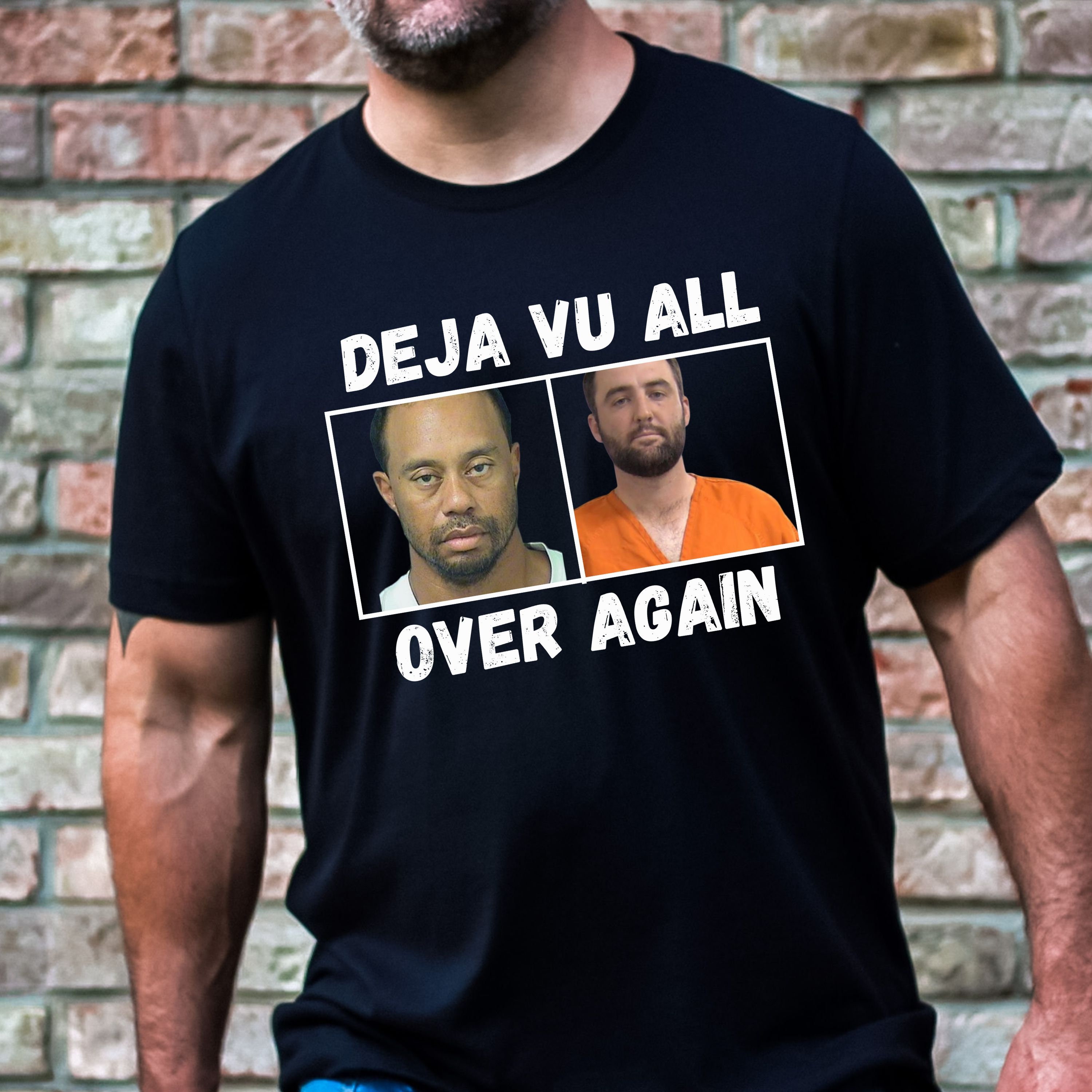
The Phenomenon of Funny Mugshots: Public Records, Media Culture, and Digital Ethics in 2026
Funny mugshots capture public attention by blending true crime curiosity with bizarre human behavior, turning routine law enforcement documentation into viral internet culture. This phenomenon sits at the intersection of open governmen...
Funny mugshots capture public attention by blending true crime curiosity with bizarre human behavior, turning routine law enforcement documentation into viral internet culture. This phenomenon sits at the intersection of open government records, media distribution platforms, and modern privacy debates, raising important questions about the line between public interest and digital exploitation.
Contents
Understanding the Appeal of Bizarre Booking Photos
The cultural fascination with unusual booking photos stems from a mix of schadenfreude, disbelief, and dark humor. When an arrest record features extreme facial expressions, bizarre hairstyles, or inexplicable costumes, it triggers an immediate psychological response of amusement. Law enforcement agencies initially capture these images for identification, security, and official record-keeping. However, the transition of these documents into digital entertainment reflects broader shifts in how society consumes real-world drama.
Digital platforms and aggregators amplify this content, turning local police blotters into global spectacles. While the subjects of these photos are experiencing a serious legal crisis, the public often divorces the image from the reality of the criminal justice system. Understanding this dynamic requires examining how public records laws facilitate the widespread distribution of booking photographs.
The Legal Framework: Freedom of Information Versus Personal Privacy
Booking photographs are generally classified as public records under open records statutes, such as the Freedom of Information Act (FOIA) and state-level equivalents. This classification ensures government transparency, allowing citizens to monitor law enforcement actions and judicial proceedings. However, the digital age has transformed how these records are stored, searched, and monetized.
| Aspect | Traditional Media Era | Modern Digital Era |
|---|---|---|
| Distribution | Local newspapers, police blotters, television broadcasts | Social media, viral aggregators, permanent search engines |
| Lifespan | Fleeting (daily or weekly cycles) | Indefinite persistence via cached data |
| Monetization | Newspaper sales, broadcast ratings | Pay-to-remove websites, ad-driven clickbait |
| Impact on Subject | Localized awareness | Global, long-term reputational and professional damage |
The legal landscape surrounding mugshot publication has evolved significantly. Many jurisdictions and payment processors have cracked down on predatory websites that charge individuals hundreds or thousands of dollars to remove their booking photos, regardless of whether charges were dropped or the individual was acquitted.
The Psychology Behind Why People Share Viral Arrest Photos
Humor often serves as a coping mechanism for processing uncomfortable or taboo subjects, including crime and legal failure. When individuals encounter a bizarre mugshot, several psychological factors influence their engagement:
- Incongruity Resolution: The brain expects a standard, serious expression in a law enforcement setting; an absurd expression creates a cognitive clash that resolves in laughter.
- Dehumanization and Distance: Digital screens create emotional distance, making it easier to view a real person in distress as a cartoonish character.
- Social Currency: Sharing entertaining or shocking content allows individuals to signal humor, stay culturally relevant, or participate in collective online commentary.
Despite the entertainment value for viewers, the long-term consequences for the individuals in the photos can be devastating, affecting employment opportunities, housing applications, and mental health.
Pros and Cons of Public Booking Photo Access
The debate over the accessibility of booking photos involves competing interests in government accountability and individual rehabilitation.
Pros of Public Access:
- Ensures law enforcement transparency and holds agencies accountable to the public.
- Alerts communities to dangerous suspects at large or warrants active public assistance.
- Upholds the constitutional principle of open courts and transparent judicial processes.
Cons of Public Access:
- Violates the presumption of innocence by publicly shaming individuals before trial.
- Creates permanent digital footprints for minor offenses or dismissed charges.
- Enables predatory removal services and extortion-style publishing models.
Ethical Guidelines for Media and Content Creators
Responsible digital citizenship requires recognizing the human impact behind viral media. Content creators, publishers, and everyday social media users face ethical choices when encountering humorous or unusual arrest records.
Best Practices for Digital Content Sharing
Verify Case Status: Always check whether the individual was convicted, had charges dropped, or was wrongfully accused before amplifying their image.
Consider Collateral Damage: Reflect on how a permanent viral image affects the subject's family, employment, and future rehabilitation.
Avoid Predatory Platforms: Refrain from supporting or linking to websites that profit from charging citizens to remove their booking photos.
Navigating Reputation Management and Record Expungement
For individuals whose booking photos have gone viral, recovering personal and professional reputation requires proactive steps within the legal and digital spheres. While removing content from the internet entirely is exceptionally difficult, legal remedies can mitigate the damage.
- Legal Expungement or Sealing: Consult with a criminal defense attorney to determine if your record qualifies for expungement or sealing following a dismissal, acquittal, or completion of a diversion program.
- Contacting Publishers Directly: Reach out to websites featuring the mugshot, providing official documentation of dismissed charges or expungements to request voluntary removal.
- Reputation Management Services: Utilize professional online reputation management firms to push negative search results down by generating positive, verified content.
- Monitoring Search Engines: Utilize removal request tools provided by major search engine operators to de-index personal information that violates specific platform policies or local privacy laws.
Frequently Asked Questions
Are police departments legally required to release mugshots to the public?
Yes, under most public records laws and open government statutes, booking photos are considered public documents. However, specific state laws and police department policies increasingly restrict the release of mugshots for non-violent misdemeanors to protect privacy rights.
Can websites be forced to take down a viral mugshot?
Many jurisdictions have passed laws prohibiting mugshot publication sites from charging fees for removal. If a record has been officially expunged or sealed, many platforms are legally required to remove or de-index the associated booking photographs upon receiving formal notification.
Does a funny mugshot affect a criminal trial?
While a booking photo circulates publicly, judges and defense attorneys work to ensure that jurors rely on admissible courtroom evidence rather than viral internet memes. Prejudicial media coverage can sometimes be grounds for a change of venue or special jury instructions.
Are all individuals in viral booking photos proven guilty?
No, a booking photo is captured immediately following an arrest, long before a trial occurs or a court determines guilt. Many individuals featured in viral photos are later found not guilty, or their charges are entirely dismissed by prosecutors.
Why do some states limit the publication of booking photos?
Lawmakers restrict the release of booking photos to uphold the presumption of innocence, prevent online extortion by predatory publishing networks, and support successful reintegration and rehabilitation for individuals who have paid their debt to society.
Balancing the public's right to information with the protection of human dignity remains an ongoing challenge in the digital age. Navigating this space requires a critical eye toward the media we consume, share, and amplify online.
Image Gallery