Essential Foot Care and Dermatological Strategies for Toes During Summer
Getting your toes summer-ready requires balancing aesthetic presentation with rigorous dermatological hygiene to prevent common warm-weather foot ailments such as fungal infections, blistering, and dehydration. High ambient temperature...
Getting your toes summer-ready requires balancing aesthetic presentation with rigorous dermatological hygiene to prevent common warm-weather foot ailments such as fungal infections, blistering, and dehydration. High ambient temperatures, increased humidity, and a transition to open footwear create unique environmental stresses for the digits of the feet, demanding a proactive maintenance routine for 2026.
Contents
Understanding Seasonal Foot Stressors and Environmental Impact
Summer conditions dramatically alter the microclimate surrounding your feet. Elevated temperatures trigger eccrine sweat glands on the soles and between the digits, producing moisture that becomes trapped when wearing closed-toe shoes or synthetic sandals. This moisture accumulation softens the stratum corneum—the outermost layer of the skin—making the tissue highly susceptible to maceration, friction injuries, and microbial colonization.
Furthermore, increased exposure to ultraviolet (UV) radiation is frequently overlooked regarding the feet. The thin skin on the dorsum of the feet and toes contains fewer sebaceous glands than other areas, making it prone to acute sunburns and long-term actinic damage. Walking barefoot on hot sand, pool decks, and public walkways introduces additional hazards, including thermal burns, plantar warts from human papillomavirus (HPV) transmission, and dermatophytosis, commonly known as athlete's foot.
- Humidity Trap: Trapped sweat elevates local pH levels, creating an optimal breeding ground for Trichophyton fungi.
- Mechanical Shear: Poorly secured sandals allow the foot to slide forward, placing abnormal pressure on the nail plates and causing subungual hematomas or friction blisters on the dorsal toe joints.
- UV Vulnerability: Sunscreen application is frequently neglected on the feet, increasing the risk of localized squamous cell carcinoma.
Step-by-Step Hygienic Routine for Summer Toe Maintenance
Establishing a consistent hygiene protocol is the foundation of preventing seasonal foot complications. The following daily and weekly regimens ensure optimal skin barrier function and nail health.
- Daily Cleansing and Drying: Wash your feet daily using a gentle, pH-balanced cleanser. Pay explicit attention to the interdigital spaces—the web spaces between the toes—where moisture and debris accumulate. Thoroughly dry these areas with a clean towel, utilizing a blow-dryer on a cool setting if necessary to eliminate residual moisture.
- Targeted Moisturization: Apply a urea-based cream (10% to 20%) to rough heels and calluses, but apply a lightweight, non-comedogenic moisturizer to the tops of the feet. Avoid heavy creams directly between the toes, as excess emollient traps moisture and promotes fungal proliferation.
- Proper Nail Trimming Mechanics: Cut toenails straight across using a sanitized, heavy-duty clipper. Never round the corners deeply into the sulcus, as this practice encourages the lateral nail plate to pierce the periungual skin, resulting in onychocryptosis (ingrown toenails). File sharp edges gently with a crystal or glass file.
- Proactive Sun Protection: Apply a broad-spectrum, water-resistant sunscreen with an SPF of 30 or higher to the entire dorsal surface of the foot and toes at least 20 minutes before outdoor exposure. Reapply every two hours or immediately after swimming.
Footwear Selection and Material Science for Warm Weather
The shoes and sandals you choose during warm weather directly dictate the mechanical stress and microbial load placed on your toes. Selecting appropriate footwear requires evaluating breathability, structural support, and shock absorption.
| Footwear Category | Pros | Cons | Ideal Summer Use Cases |
|---|---|---|---|
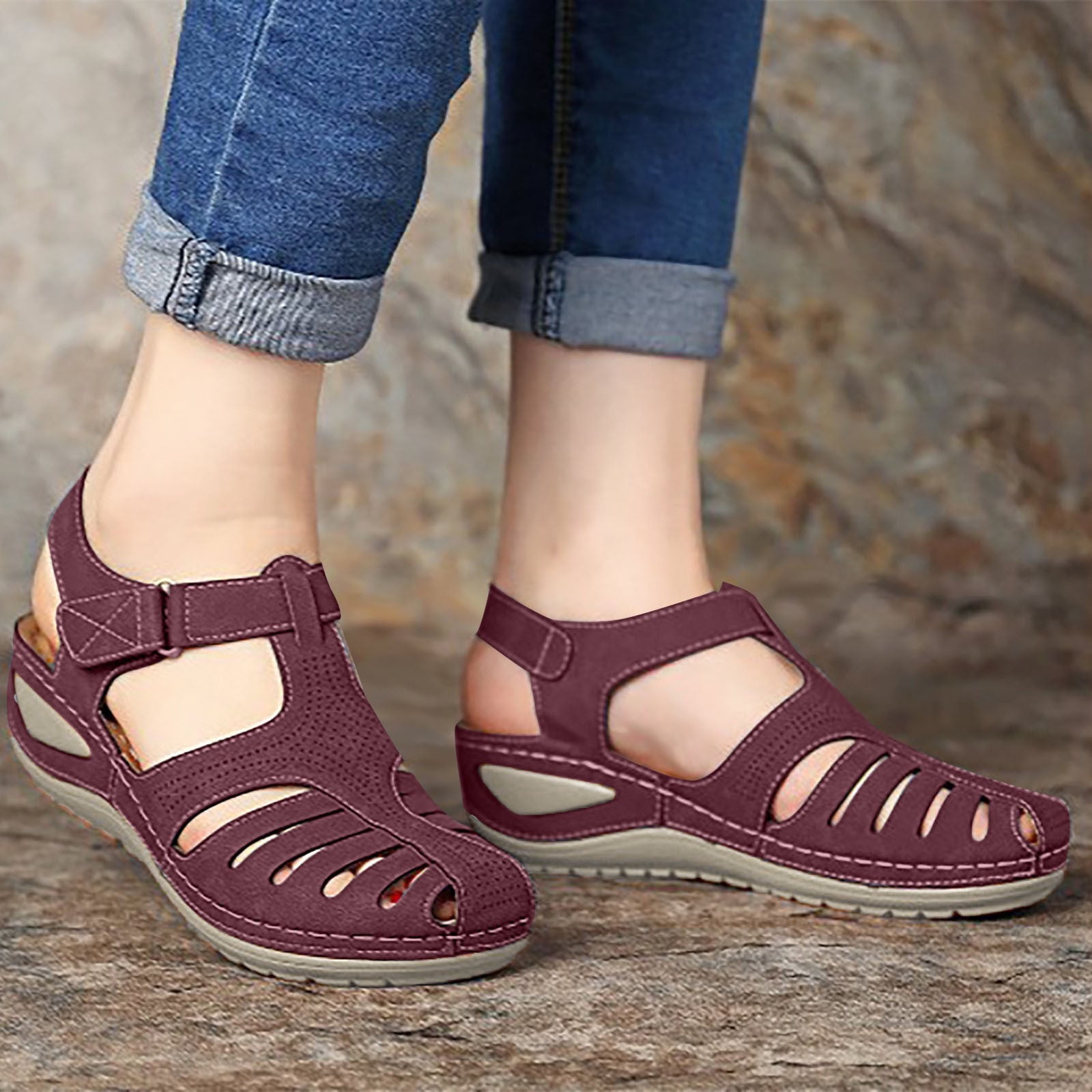
| Orthopedic Sandals | Excellent arch support, adjustable straps, contoured footbeds | Higher price point, bulkier aesthetic profile | Extended walking, daily urban commuting, travelers |
| Breathable Mesh Sneakers | Superior impact absorption, total toe enclosure protection | Retains more heat, requires moisture-wicking socks | Hiking, active outdoor sports, gym training |
| Traditional Flip-Flops | Lightweight, quick-drying, minimal restriction | Zero arch support, zero toe protection, causes toe-gripping strain | Brief trips to sandy beaches or poolside areas |
| Leather Slide Sandals | Natural material breathability, sleek aesthetic versatility | Susceptible to water damage, may lack secure heel retention | Casual dining, short-distance social outings |
Comparative Analysis of Summer Toe Care Interventions
Maintaining healthy toes involves choosing between professional interventions and at-home maintenance. Understanding the efficacy, safety profile, and financial investment of each approach helps optimize your foot care budget and health outcomes.
- Professional Medical Pedicures (Podiatry-Led): Performed in clinical environments using sterilized, autoclaved instruments. Highly recommended for individuals with diabetes, peripheral vascular disease, or severe hyperkeratosis. Eliminates risks of bacterial and fungal cross-contamination common in standard nail salons.
- Standard Aesthetic Nail Salons: Focus primarily on cosmetic presentation, massage, and polish application. While relaxing, hygiene standards vary drastically. Ensure technicians use single-use buffers and properly sterilized metal implements to prevent transmission of fungal spores or bacterial pathogens like Pseudomonas.
- At-Home Chemical Exfoliation: Utilizes alpha-hydroxy acids (AHAs) or beta-hydroxy acids (BHAs) in peel socks to slough off dead skin over several days. Effective for profound calluses, but contraindicated for individuals with open fissures, thin skin, or compromised sensory perception.
Advanced Prevention Strategies for Common Summer Toe Pathologies
Proactive management prevents minor irritations from escalating into debilitating clinical conditions. Understanding the etiology of common summer foot issues allows for rapid, targeted intervention.
Prevention of Fungal and Bacterial Infections Maintain a rotation of at least two pairs of summer shoes to allow each pair a minimum of 24 hours to dry out completely. Integrate moisture-wicking socks composed of merino wool or technical synthetic blends (such as COOLMAX) rather than 100% cotton, which absorbs and holds moisture against the skin. For individuals prone to hyperhidrosis (excessive sweating), apply medical-grade antiperspirant sprays containing aluminum chloride directly to the soles and between the toes before bedtime.
When dealing with friction blisters on the toes, resist the urge to immediately rupture the blister roof, as the intact epidermis serves as a natural sterile biological dressing. If a blister is large and tension causes severe pain, sterilize a fine-gauge needle with isopropyl alcohol, puncture the base gently to drain the fluid, apply an antiseptic ointment, and cover it with a protective hydrocolloid bandage to accelerate re-epithelialization.
Frequently Asked Questions
How can I prevent my toes from sliding forward in open-toe summer sandals?
Prevent sliding by choosing sandals with adjustable ankle and forefoot straps rather than loose slip-on styles. Additionally, inserting clear silicone or gel toe-post cushions and forefoot grips prevents the foot from migrating forward, protecting the toes from repetitive impact against the front edge of the shoe.
Are at-home chemical peel foot masks safe for regular summer use?
Chemical peel masks should be used sparingly—no more than once every two to three months—as excessive exfoliation compromises the skin barrier. Never use these products if you have active cuts, sunburns, diabetes, or neuropathy, as impaired healing increases the risk of severe chemical irritation or secondary bacterial infection.
What is the most effective way to treat early-stage athlete's foot between the toes?
Early-stage interdigital tinea pedis responds well to over-the-counter topical antifungal agents containing clotrimazole, terbinafine, or ketoconazole. Apply the medication twice daily for a minimum of two weeks, continuing application for a full week after all visible scaling and pruritus (itching) have completely resolved.
Why do my toenails turn yellow during the summer months?
Yellowing of the toenails during summer is frequently caused by continuous application of dark nail polishes without a protective base coat, which allows pigment to stain the nail plate. Alternatively, persistent yellowing combined with thickening can indicate a fungal nail infection (onychomycosis) exacerbated by warm, moist environments.
How often should I schedule a professional foot check during the summer season?
Healthy individuals benefit from an annual podiatric assessment, but individuals with high-activity lifestyles, structural deformities like bunions, or systemic conditions such as diabetes should undergo professional evaluations at the start and peak of the summer season to mitigate high-friction ulceration risks.
Image Gallery