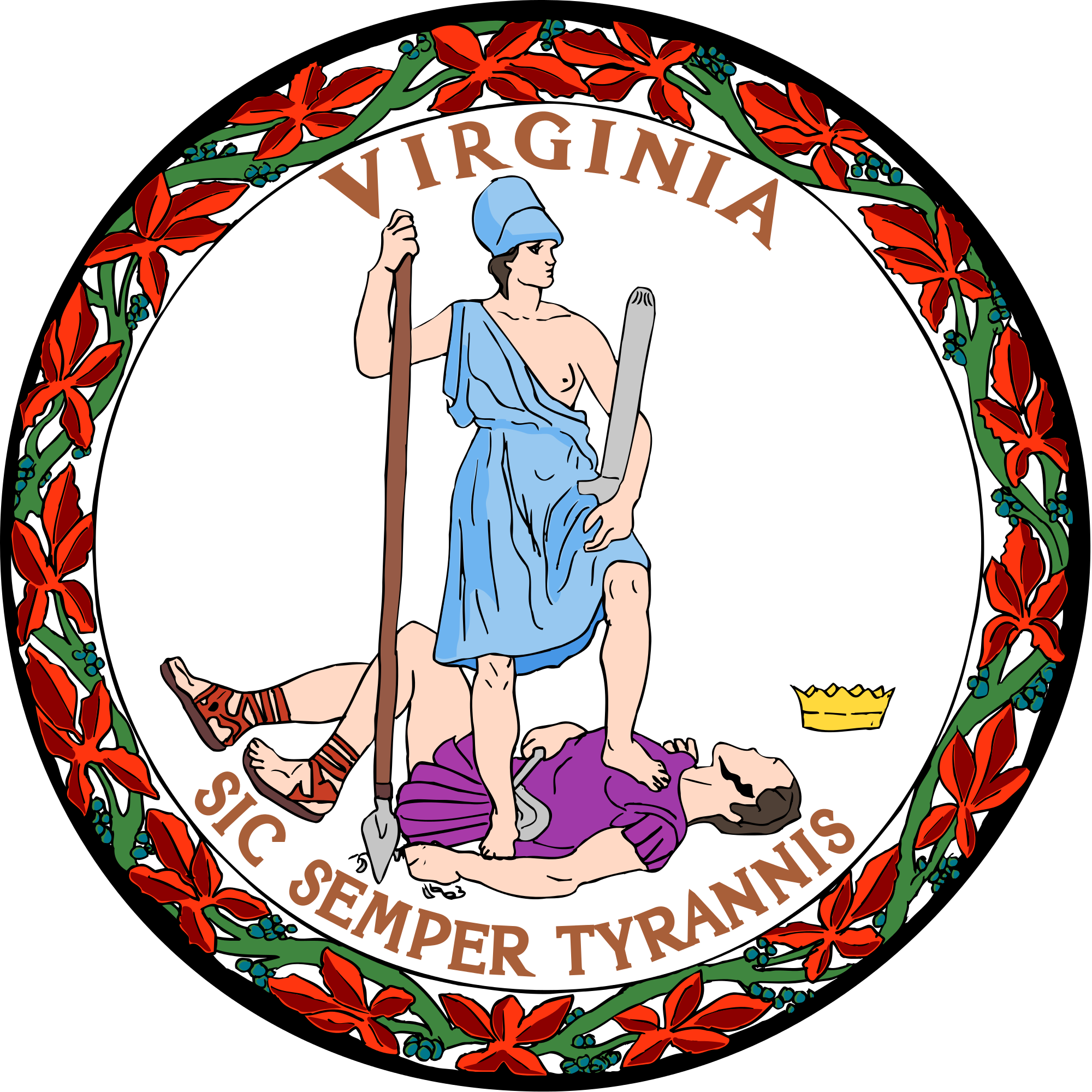
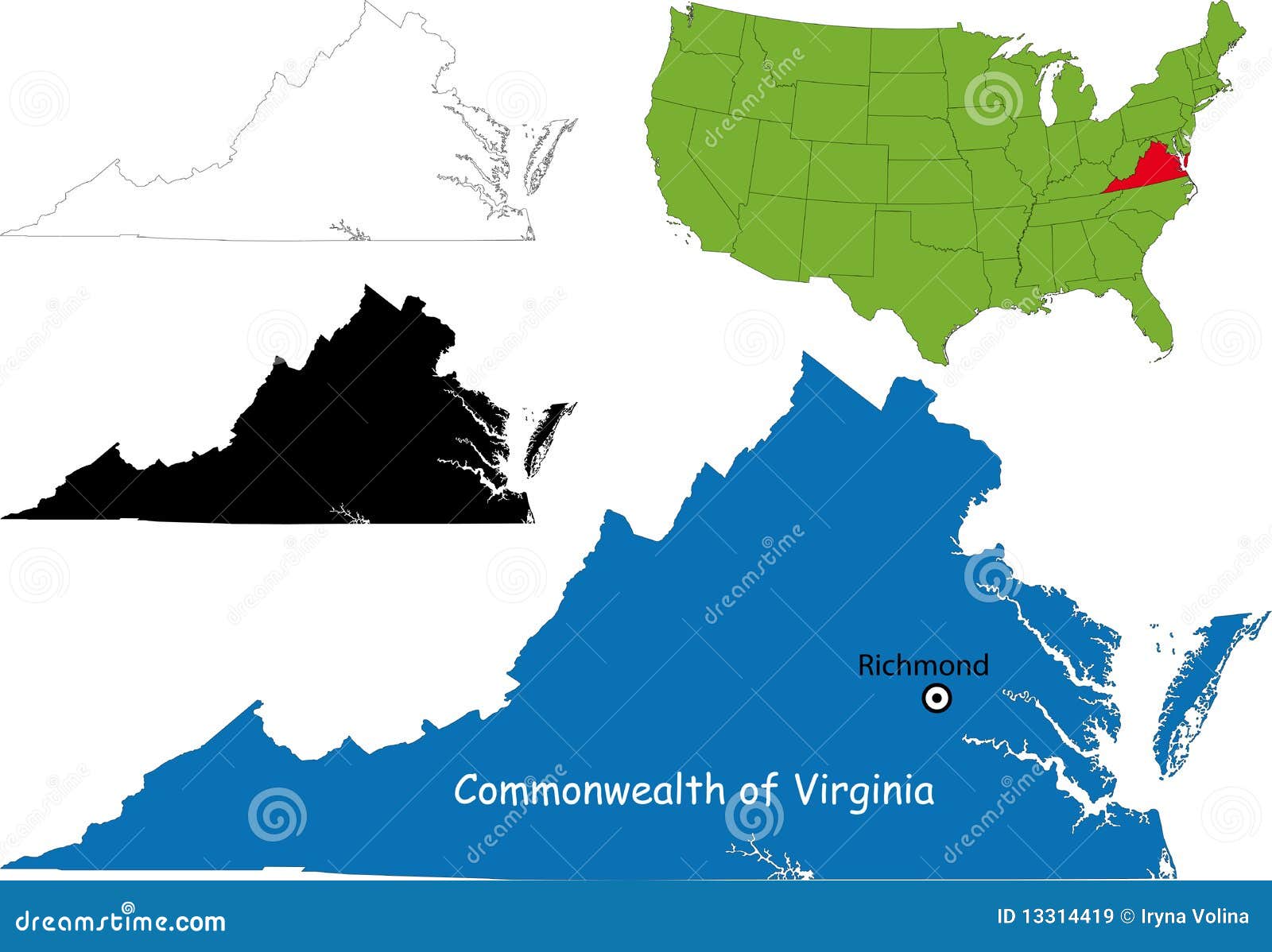
Understanding the Commonwealth of Virginia Meaning
The term "Commonwealth of Virginia" designates the official designation and constitutional status of the U.S. state of Virginia. Far more than a simple regional label, the word "commonwealth" highlights a historic political tradition e...
The term "Commonwealth of Virginia" designates the official designation and constitutional status of the U.S. state of Virginia. Far more than a simple regional label, the word "commonwealth" highlights a historic political tradition emphasizing a government organized for the common good, shared welfare, and direct authority derived from the people.
Contents
The Historical Origin of the Commonwealth Status
To fully grasp what it means for Virginia to be a commonwealth, one must look back to the foundational era of American independence. Long before the United States Constitution was ratified, individual colonies began drafting their own foundational charters to break away from British rule. Virginia led this charge by adopting its own constitution in June 1776, just weeks before the Declaration of Independence was signed.
Drafted largely by George Mason, the 1776 Virginia Constitution established a government explicitly designed around republican principles. The framers intentionally selected the word "commonwealth" rather than "state" or "province" to signal a distinct philosophical break from the British monarchy. In political theory at the time, a commonwealth denoted a political body founded on law and dedicated to promoting the general welfare of its citizenry, rather than serving the private interests of a monarch or ruling elite.
When Virginia joined the newly formed United States, it retained this historic title. Today, the term serves as a formal reminder of the state’s continuous legal identity predating the federal Union itself.
Legal and Practical Significance Today
In practical, everyday governance, there is virtually no difference between a state and a commonwealth within the United States. Both operate under the supreme authority of the U.S. Constitution, possess identical powers to regulate commerce, levy taxes, and administer justice, and enjoy equal representation in the United States Congress.
However, the designation carries unique symbolic weight and specific legal terminology:
- Official Style: Legal documents, court filings, and legislative acts in Virginia formally initiate actions in the name of the "Commonwealth of Virginia" rather than the "State of Virginia."
- Criminal Prosecutions: Criminal offenses are prosecuted on behalf of the commonwealth. For example, criminal indictments state that an alleged crime was committed against the "peace and dignity of the Commonwealth."
- Constitutional Preamble: The fundamental governing document reinforces this identity, anchoring the state's executive, legislative, and judicial branches to the foundational concept of popular sovereignty.
The Four Commonwealths of the United States
Virginia is not alone in using this historic moniker. Out of the fifty U.S. states, exactly four hold the official designation of a commonwealth:
- Virginia: Adopted in 1776 to mark its transition from a British colony to an independent republican government.
- Massachusetts: Officially styled as the Commonwealth of Massachusetts, adopting the title in its 1780 constitution.
- Pennsylvania: Transitioned to a commonwealth status during its foundational constitutional conventions in the late 18th century.
- Kentucky: Originally part of Virginia, Kentucky separated and was admitted to the Union as a state in 1792, choosing to retain the commonwealth designation in its constitution in honor of its historical roots.
Each of these entities shares a deep historical connection to early American legal traditions, though their modern administrative functions remain identical to those of the other forty-six states.
Comparison: Commonwealths vs. Standard U.S. States
To clarify how Virginia compares structurally and legally to other American states, the following table outlines the key characteristics, distinctions, and common misconceptions surrounding commonwealth status.
| Feature | Commonwealth of Virginia | Standard U.S. State (e.g., Ohio, Texas) |
|---|---|---|
| Federal Status | Equal voting rights, two U.S. Senators, proportional Representatives | Equal voting rights, two U.S. Senators, proportional Representatives |
| Constitutional Basis | Governed by the Virginia Constitution of 1971 (descendant of 1776) | Governed by individual state constitutions |
| Legal Nomenclature | Legal briefs and criminal charges name the "Commonwealth" | Legal briefs and criminal charges name the "State" |
| Origin of Term | Derived from 17th- and 18th-century English political philosophy | Derived from territorial status or geographical organization |
| Legislative Power | Bicameral General Assembly (Senate and House of Delegates) | Bicameral or unicameral state legislatures |
Common Misconceptions About Virginia's Status
Because the term "commonwealth" is uncommon in everyday political discourse, several persistent myths surround its meaning and legal implications.
Myth 1: Virginia Has Less Federal Oversight
A frequent misunderstanding is that being a commonwealth grants a territory special exemptions from federal laws, taxes, or mandates. In reality, the Supremacy Clause of the U.S. Constitution applies equally to Virginia and all other states. Federal law supersedes state law regardless of whether a jurisdiction calls itself a state or a commonwealth.
Myth 2: Commonwealths Operate Under Different Economic Rules
Some observers mistakenly believe that commonwealths possess unique tax structures or corporate laws. Virginia’s economy, tax codes, and business regulations are established by its General Assembly and signed by the governor, functioning under the same constitutional boundaries as any other state legislature.
Frequently Asked Questions
Does being a commonwealth give Virginia more power than other states?
No. All fifty U.S. states operate under the principle of equal footing under the U.S. Constitution. Virginia has the exact same constitutional powers, federal funding opportunities, and congressional representation as states designated simply as "states."
Why did Virginia choose to be called a commonwealth instead of a state?
The term was chosen in 1776 to emphasize that the new government derived its legitimacy directly from the people rather than a monarch. It reflected Enlightenment-era ideals regarding the public good and civic duty.
Are there international territories known as commonwealths?
Yes. Beyond the U.S. states, the term also applies to political entities associated with the United States, such as Puerto Rico and the Northern Mariana Islands, though their legal relationship to the federal government differs significantly from that of Virginia. Additionally, the Commonwealth of Nations is an association of independent sovereign nations historically connected to the British Empire.
Can Virginia legally change its name to the State of Virginia?
Technically, any state can amend its constitution through legislative and voter approval. However, changing Virginia's official designation would require a major constitutional convention or legislative referendum, which has never gained widespread political support given the deep historic pride associated with the commonwealth title.
Next Actions and Further Exploration
For those conducting academic research, genealogical studies, or legal compliance reviews involving Virginia, understanding this terminology ensures accuracy in legal citations and historical contexts. Always ensure that formal legal filings and official correspondence reflect the proper nomenclature—referencing the "Commonwealth of Virginia" where required by institutional or statutory guidelines.
Image Gallery