The Paul Walker Car Crash Speed: Investigation Findings and Impact
According to the official investigation by the Los Angeles County Sheriff’s Department and the California Highway Patrol, the Porsche Carrera GT carrying Paul Walker was traveling between 80 mph and 93 mph in a 45 mph zone. This excess...
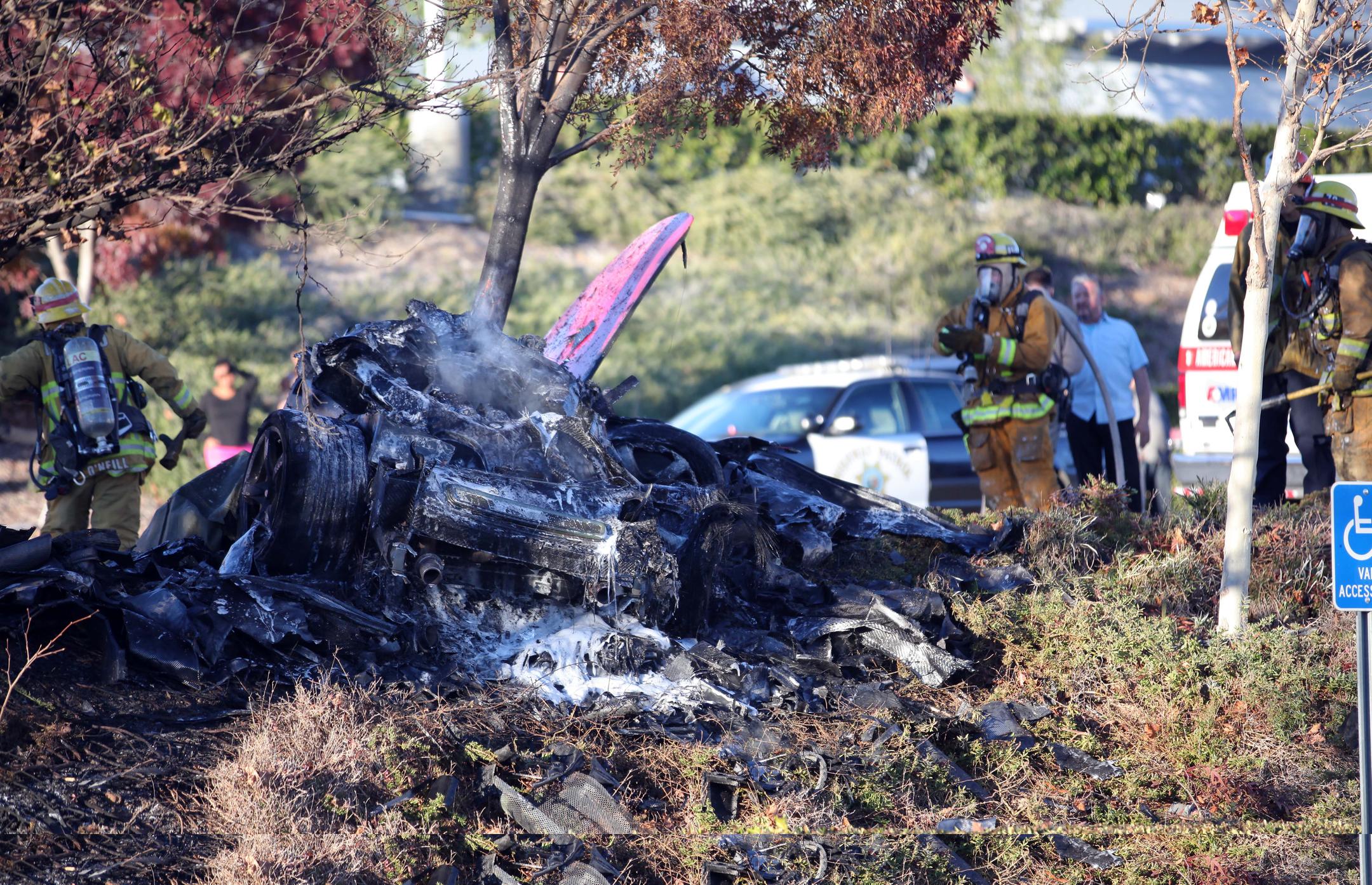
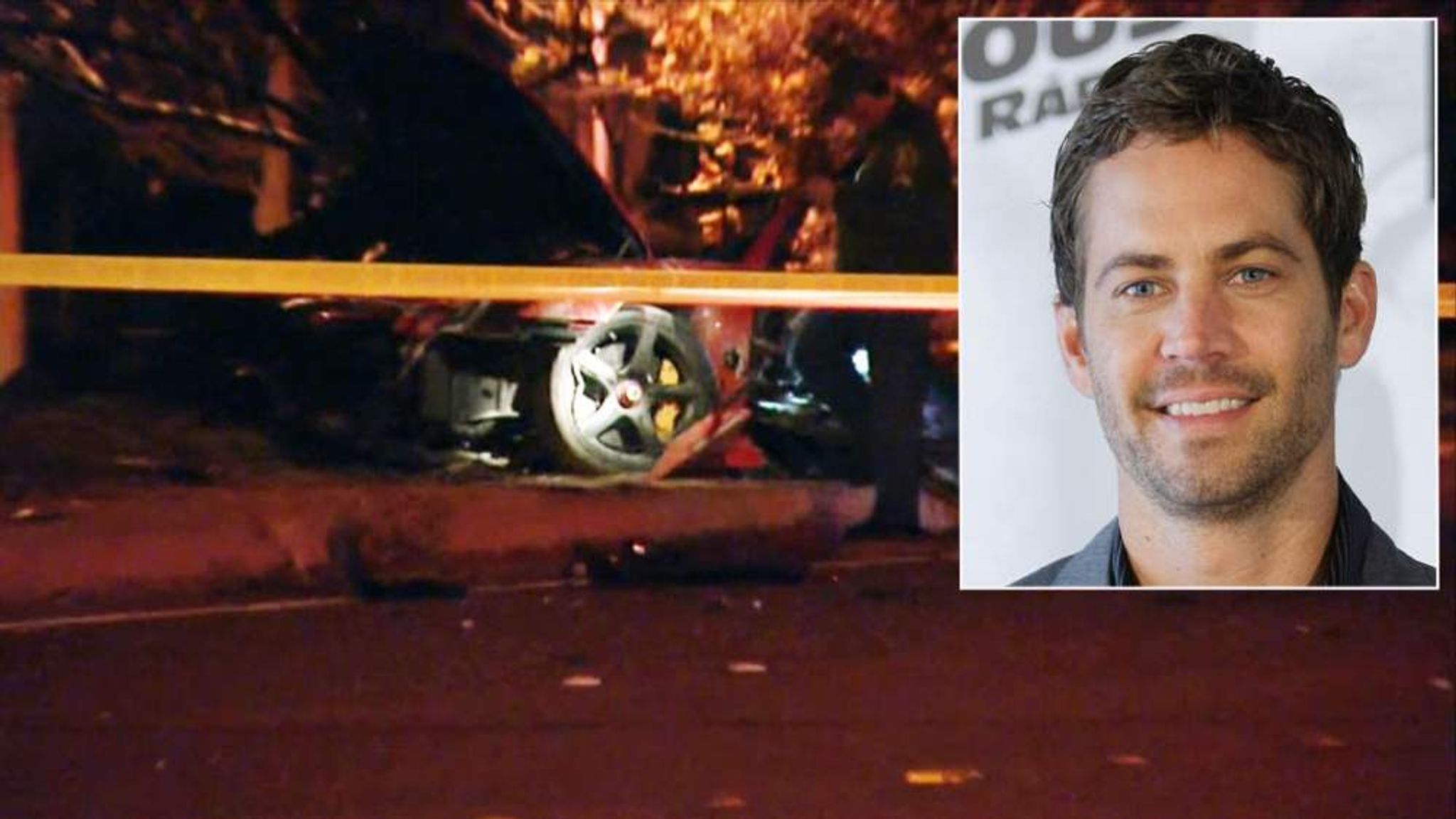
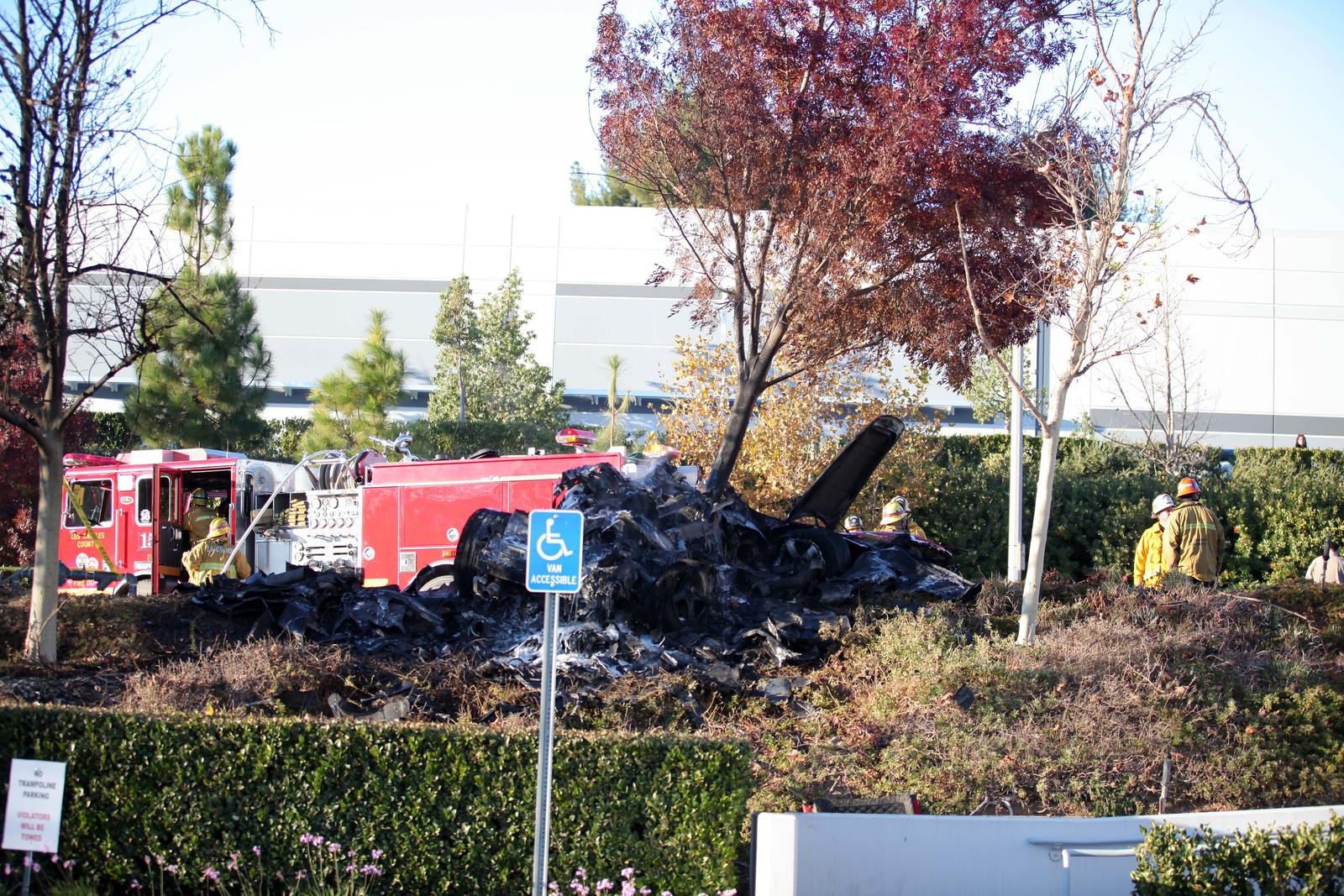
According to the official investigation by the Los Angeles County Sheriff’s Department and the California Highway Patrol, the Porsche Carrera GT carrying Paul Walker was traveling between 80 mph and 93 mph in a 45 mph zone. This excessive speed, combined with nine-year-old tires, caused the vehicle to lose control and collide with a light pole and several trees.
Contents
Detailed Reconstruction of the Santa Clarita Accident
On November 30, 2013, the automotive and film communities were devastated by the news of Paul Walker’s death. The accident occurred in Santa Clarita, California, following a charity event for Walker's organization, Reach Out Worldwide. Walker was the passenger in a 2005 Porsche Carrera GT driven by his friend and business partner, Roger Rodas.
The investigation into the crash was exhaustive, involving the Los Angeles County Sheriff’s Department (LASD) and the California Highway Patrol (CHP), with technical assistance from Porsche engineers. By analyzing surveillance footage from nearby businesses and measuring the skid marks left on the asphalt of Hercules Street, investigators were able to pinpoint the velocity of the vehicle with high precision. The conclusion was definitive: the car was moving at a speed that the residential office park road was never designed to handle.
The reconstruction of the scene indicated that as the car rounded a curve on Kelly Johnson Parkway, it began to fishtail. The driver, Rodas, attempted to correct the drift, but the vehicle’s momentum and the lack of traction led to a catastrophic loss of control. The car spun and struck a curb, then a light pole, and finally two trees before coming to a rest and bursting into flames.
Analyzing the Official Speed Estimates
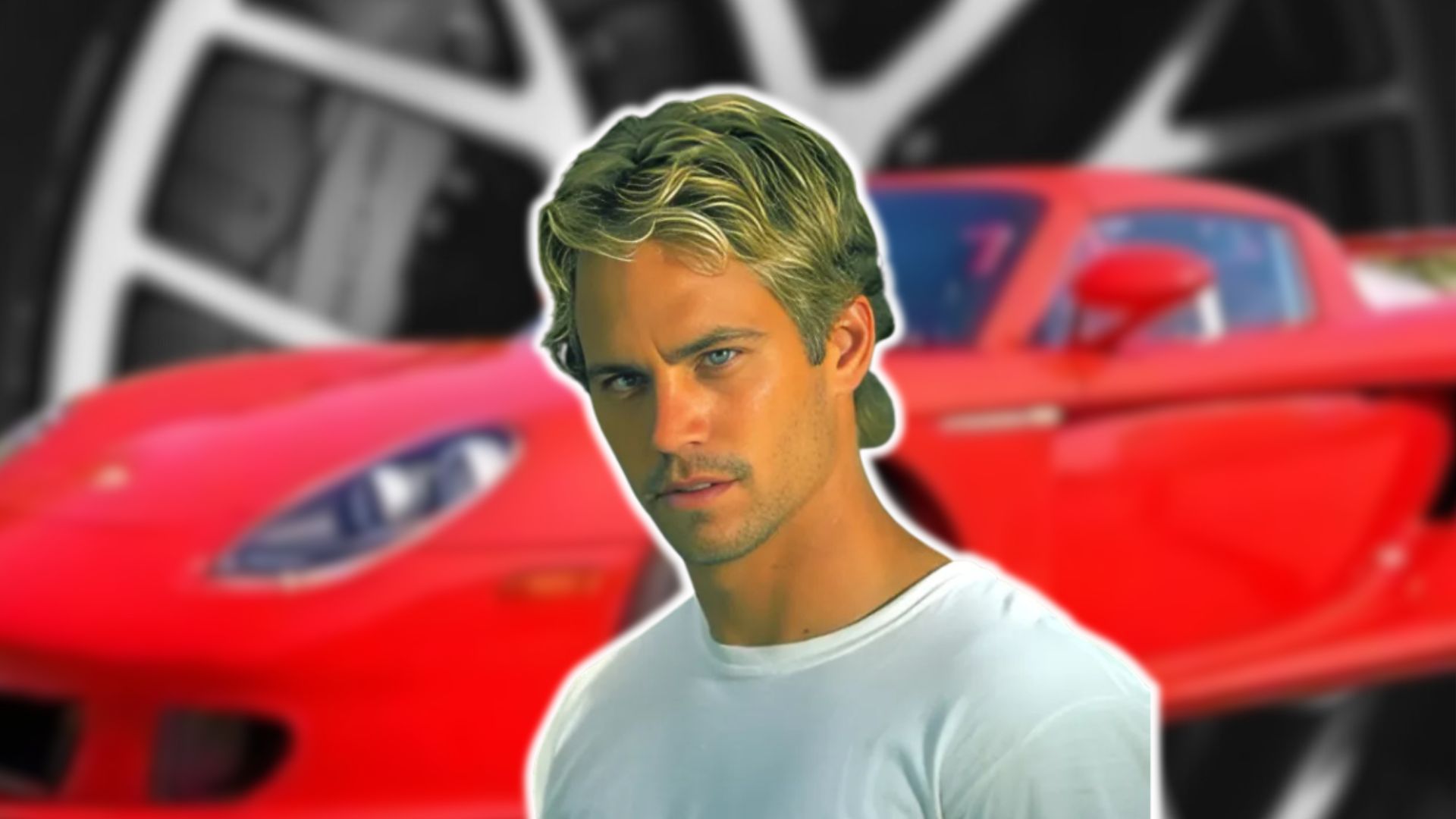
The range of 80 to 93 miles per hour remains the most shocking aspect for fans, many of whom associated Walker with the high-speed, precision driving of his Fast & Furious character, Brian O'Conner. However, the physics of the crash revealed a stark contrast between cinematic stunt driving and real-world mechanical limits.
To determine this speed, investigators utilized "accident reconstruction" software and physical evidence. The skid marks were particularly telling; they showed the path of the vehicle as it transitioned from a controlled state to an uncontrolled spin. The force of the impact was so great that it nearly split the carbon-fiber vehicle in half.
The investigation also ruled out several rumored causes:
- No Drag Racing: Despite early reports and social media speculation, investigators found no evidence that another car was involved or that the pair were engaged in a street race.
- No Mechanical Failure: A thorough teardown of the wreckage by Porsche technicians and independent experts found no evidence of brake failure, steering malfunctions, or fuel system leaks prior to the impact.
- No Substance Impairment: Toxicology reports for both Rodas and Walker returned negative for alcohol and drugs, confirming that the primary factors were environmental and operational.
The Porsche Carrera GT: A High-Performance Challenge
The vehicle involved, the 2005 Porsche Carrera GT, is a legendary but notoriously difficult car to drive. As of 2026, it remains one of the most sought-after collector cars, but its reputation as a "widowmaker" persists due to its lack of modern electronic stability controls.
The Carrera GT was essentially a street-legal race car. It featured a 5.7-liter V10 engine capable of producing over 600 horsepower. Unlike many modern supercars of its era or those produced today, it did not come equipped with Electronic Stability Control (ESC). This meant that if the rear wheels lost traction, there was no computer intervention to help the driver regain control.
Experienced drivers have often noted that the Carrera GT requires absolute precision. At speeds exceeding 80 mph on a public road with an uneven surface, the margin for error becomes non-existent. The investigation highlighted that even a professional driver like Rodas faced an impossible task once the car began its high-speed yaw.
Critical Factors Beyond Velocity: Tire Age and Road Conditions
While speed was the primary catalyst, the age of the tires was the "silent" factor that contributed to the tragedy. The investigation revealed that the tires on the Porsche were roughly nine years old.
Automotive safety standards and tire manufacturers generally recommend replacing tires every five to six years, regardless of the remaining tread depth. Over time, the rubber compound in a tire undergoes "thermo-oxidative degradation." The rubber hardens and loses its elasticity, significantly reducing its ability to grip the road, especially under high-load situations like cornering at 90 mph.
| Feature | Specification/Detail | Impact on the Crash |
|---|---|---|
| Official Speed | 80–93 mph | Nearly double the 45 mph posted limit. |
| Vehicle Type | 2005 Porsche Carrera GT | High-output V10 with no stability control. |
| Tire Age | 9 Years Old | Hardened rubber resulted in poor traction. |
| Impact Force | Massive Kinetic Energy | Caused the vehicle to fracture and catch fire. |
| Road Limit | 45 mph | Designed for light commercial traffic, not high-speed testing. |
| Primary Cause | Excessive Speed | Cited as the legal cause of the fatal accident. |
Legal and Safety Repercussions
The crash sparked a series of legal battles that lasted for years. Meadow Walker, Paul’s daughter, filed a wrongful death lawsuit against Porsche in 2015, alleging that the Carrera GT lacked proper safety features, such as a stable fuel system and side-impact reinforcement, which might have saved her father's life.
Porsche maintained that the car had been altered and improperly maintained, specifically citing the aged tires and the speed as the sole reasons for the accident. In 2017, the parties reached a confidential settlement. However, the case highlighted a major issue in the collector car world: the danger of driving low-mileage "garage queens" on original, degraded tires.
In the years following the crash, the automotive community has seen a significant shift in safety awareness. High-performance driving events and collector car auctions (such as those seen in 2026) now place an extreme emphasis on tire date codes. The tragedy served as a somber lesson that even the most advanced engineering cannot overcome the laws of physics and the degradation of safety-critical components like rubber.
The Enduring Legacy of the Crash
For fans, the speed of the crash remains a point of deep irony and sadness. Paul Walker spent his career portraying a character who was invincible behind the wheel. The revelation that he died at a speed that would be considered a routine "second-gear" pull on a movie set was a jarring reality check for many.
The crash also prompted the city of Santa Clarita to take action regarding the location. Hercules Street became a site of pilgrimage for fans, leading to concerns over traffic safety and "tribute" burnouts. For several years, local authorities increased patrols in the area to discourage high-speed driving, ensuring that the stretch of road remained a quiet office park rather than an impromptu race track.
As we look back from 2026, the accident remains one of the most documented and analyzed vehicle failures in celebrity history. It serves as a definitive case study in accident reconstruction, emphasizing that safety is a trifecta of driver behavior, vehicle maintenance, and environmental awareness.
Frequently Asked Questions
Why did it take so long for investigators to determine the exact speed? The complexity of the Porsche Carrera GT’s carbon-fiber construction required specialized analysis. Investigators had to coordinate with Porsche engineers in Germany to analyze the on-board data and cross-reference it with physical evidence like tire marks and the displacement of the engine during impact.
Was there a mechanical failure like a steering fluid leak? No. While there were initial rumors of a power steering fluid leak based on photos of the scene, the CHP and LASD investigation found no evidence of any mechanical or component failure prior to the car hitting the first curb.
Did Paul Walker die instantly upon impact? The coroner's report stated that Paul Walker died from "combined effects of traumatic and thermal injuries." This indicated that while the impact was severe, the subsequent fire was a contributing factor in his death. Roger Rodas, however, died of "multiple traumatic injuries" upon impact.
How did the age of the tires affect the speed at which the car crashed? The nine-year-old tires had significantly less grip than new tires. If the car had been equipped with fresh rubber, it might have been able to navigate the curve at a higher speed or allowed the driver to regain control during the initial slide. The hardened rubber likely "let go" much sooner than expected.
What is the current status of the crash site in 2026? The site on Hercules Street in Santa Clarita remains a quiet industrial area. While fans still visit occasionally, the city has maintained strict enforcement of speed limits in the area. There are no official permanent memorials on the public street, though the legacy of the crash is well-known to locals.
Practical Recommendation for High-Performance Owners
If you own or operate a high-performance vehicle, the Paul Walker tragedy highlights the absolute necessity of checking tire date codes. Tires should be replaced every 5 to 6 years regardless of tread depth. Additionally, high-horsepower vehicles without electronic stability control should only be driven at high speeds in controlled environments like closed tracks, where run-off areas and emergency services are available.
Image Gallery