Comprehensive Guide to Accidental Coverage Benefits in Term Life Insurance
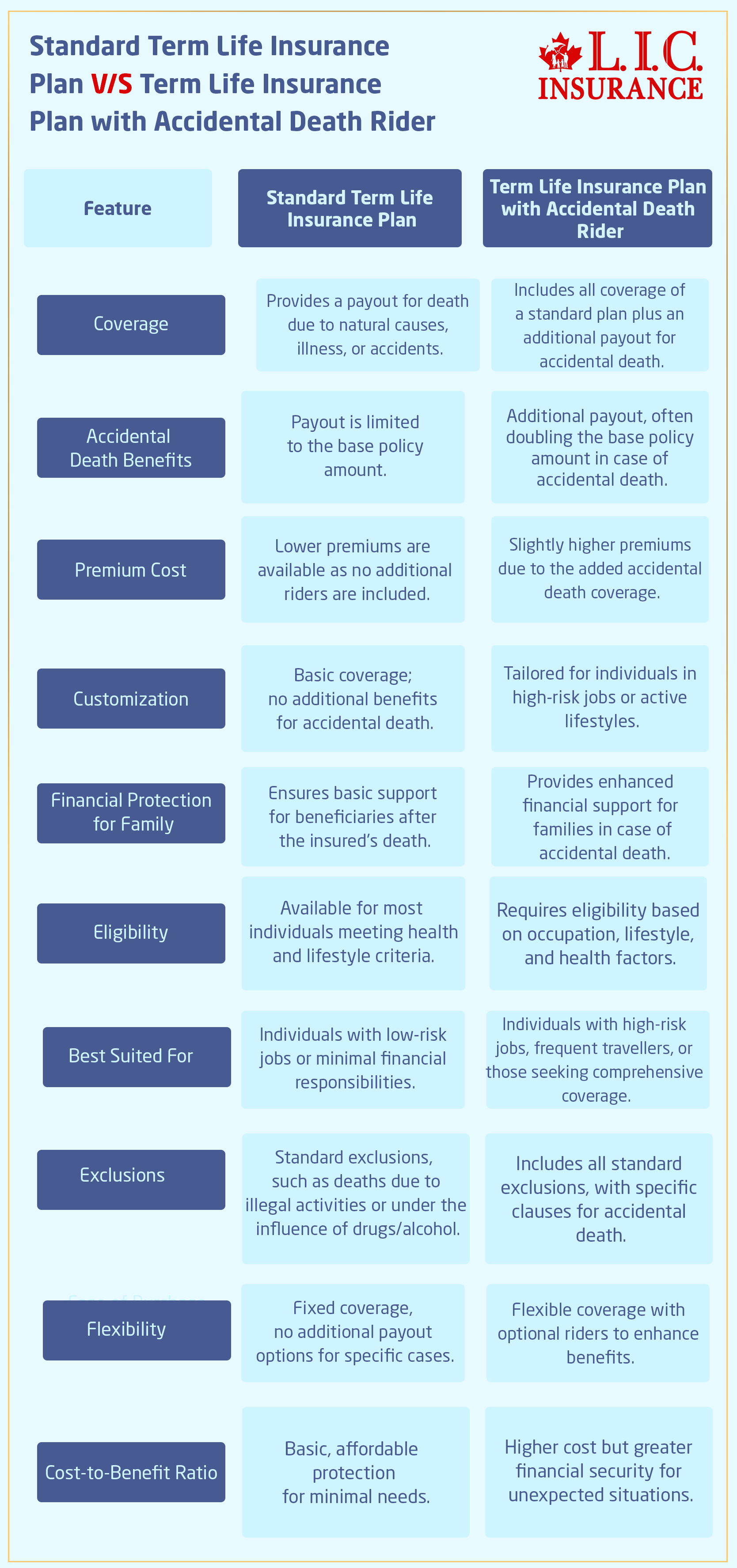
Accidental coverage benefits in term life insurance, often provided through an Accidental Death Benefit (ADB) rider, offer an additional payout if the insured's death results directly from a qualifying accident. This "double indemnity"...
Accidental coverage benefits in term life insurance, often provided through an Accidental Death Benefit (ADB) rider, offer an additional payout if the insured's death results directly from a qualifying accident. This "double indemnity" feature ensures that beneficiaries receive a higher lump sum—frequently twice the base policy amount—to help manage the sudden financial shock of an unexpected fatality.
Contents
Term life insurance serves as the bedrock of many financial plans, providing a straightforward death benefit if the policyholder passes away during the covered period. However, many policyholders in 2026 opt to enhance this protection using specific "riders" or supplemental benefits. Among these, accidental coverage is one of the most common yet frequently misunderstood components. While a standard term policy covers death by most causes (including illness and natural causes), accidental benefits are highly specific, triggering only under certain violent, external, and unforeseen circumstances.
Understanding the Accidental Death Benefit (ADB) Rider
The Accidental Death Benefit (ADB) is a supplemental agreement attached to a primary term life insurance policy. Its primary function is to provide an extra layer of capital if the insured dies due to an accident. In the insurance industry, this is often referred to as "double indemnity" because the rider typically matches the face value of the base policy. For example, if you have a $500,000 term life policy with a $500,000 ADB rider, your beneficiaries would receive $1,000,000 if your death is ruled accidental.
The rationale behind purchasing this coverage is that sudden, accidental deaths often leave families with less time to prepare financially than deaths resulting from long-term illnesses. There may be immediate legal fees, clean-up costs, or the sudden loss of a primary earner who had many years of high-income potential remaining. By 2026, many insurers have streamlined the inclusion of these riders, often offering them as a low-cost add-on during the initial underwriting phase.
How Accidental Benefits Complement Standard Term Life
Standard term life insurance is comprehensive; it generally pays out regardless of whether the cause of death was a heart attack, cancer, or a car crash (subject to the two-year contestability period and suicide clause). The accidental benefit does not replace this; it sits on top of it. It is important to note that if a policyholder dies of natural causes, the base term life benefit is paid, but the accidental rider expires without a payout. This distinction is why ADB riders are significantly cheaper than increasing the base coverage amount; the insurer is only taking on the risk of a specific, statistically less likely cause of death.
Accidental Death vs. Natural Causes: The Technical Distinction
For a claim to be successful under the accidental coverage portion of a policy, the death must meet the insurer's strict definition of an "accident." In 2026, most policies define an accident as a sudden, unintended, and external event that is the direct cause of death, independent of all other causes.
Qualifying Events
Typical scenarios that trigger accidental benefits include:
- Motor Vehicle Accidents: The most common trigger for ADB claims, involving cars, motorcycles, or pedestrians.
- Falls and Equipment Malfunctions: Fatalities resulting from slips, trips, or failures of machinery.
- Drowning and Fires: Unintentional incidents resulting in death by submersion or smoke/fire.
- Common Carrier Accidents: Some riders offer "triple indemnity" if the death occurs while the insured is a fare-paying passenger on a licensed public transport vehicle, such as a plane, train, or bus.
The 90-Day Rule
A critical technicality in most accidental coverage contracts is the timeframe between the accident and the death. Most insurers require that death occurs within 90 days of the accidental injury for the rider to pay out. This rule exists to ensure that the accident was the primary and immediate cause of death, rather than a lingering medical complication or an unrelated illness that developed after the fact.
Accidental Death and Dismemberment (AD&D) Variations
In many cases, accidental coverage is bundled as Accidental Death and Dismemberment (AD&D). While the "Death" portion functions as described above, the "Dismemberment" portion provides "living benefits." These are payments made directly to the policyholder if they survive an accident but suffer a life-altering injury.
Living benefits are usually paid out as a percentage of the rider’s face value:
- Loss of Limbs: Losing one limb might trigger a 50% payout, while losing two limbs might trigger 100%.
- Loss of Sight, Hearing, or Speech: Permanent loss of these senses due to an accident typically qualifies for a significant percentage of the benefit.
- Paralysis: Depending on the severity (quadriplegia vs. paraplegia), the insurer may pay out the full or partial amount of the rider to help cover home modifications and long-term care costs.
Common Exclusions and Limitations
Accidental coverage is highly conditional. Because the premiums are low, insurers protect themselves by excluding high-risk scenarios and deaths that are not purely "accidental" in a legal or medical sense.
Medical and Health Exclusions
If a physical or mental illness contributed to the accident, the claim might be denied. For instance, if a policyholder suffers a heart attack while driving and subsequently crashes, the insurer may argue that the death was caused by a natural medical event (the heart attack) rather than the accident itself. Similarly, deaths resulting from medical or surgical complications are almost always excluded from accidental coverage.
Lifestyle and Behavioral Exclusions
- Intoxication: If the insured was under the influence of alcohol or non-prescription drugs at the time of the accident, the accidental benefit is usually void.
- Illegal Acts: Deaths occurring while the insured is committing a felony or participating in a riot are excluded.
- High-Risk Hobbies: Unless specifically disclosed and covered (often for an extra fee), deaths from skydiving, professional racing, or scuba diving are standard exclusions.
- Suicide: Even if the method appears accidental, if an investigation proves the act was self-inflicted, no accidental benefit is paid.
Comparing Costs: Base Policy vs. Accidental Rider
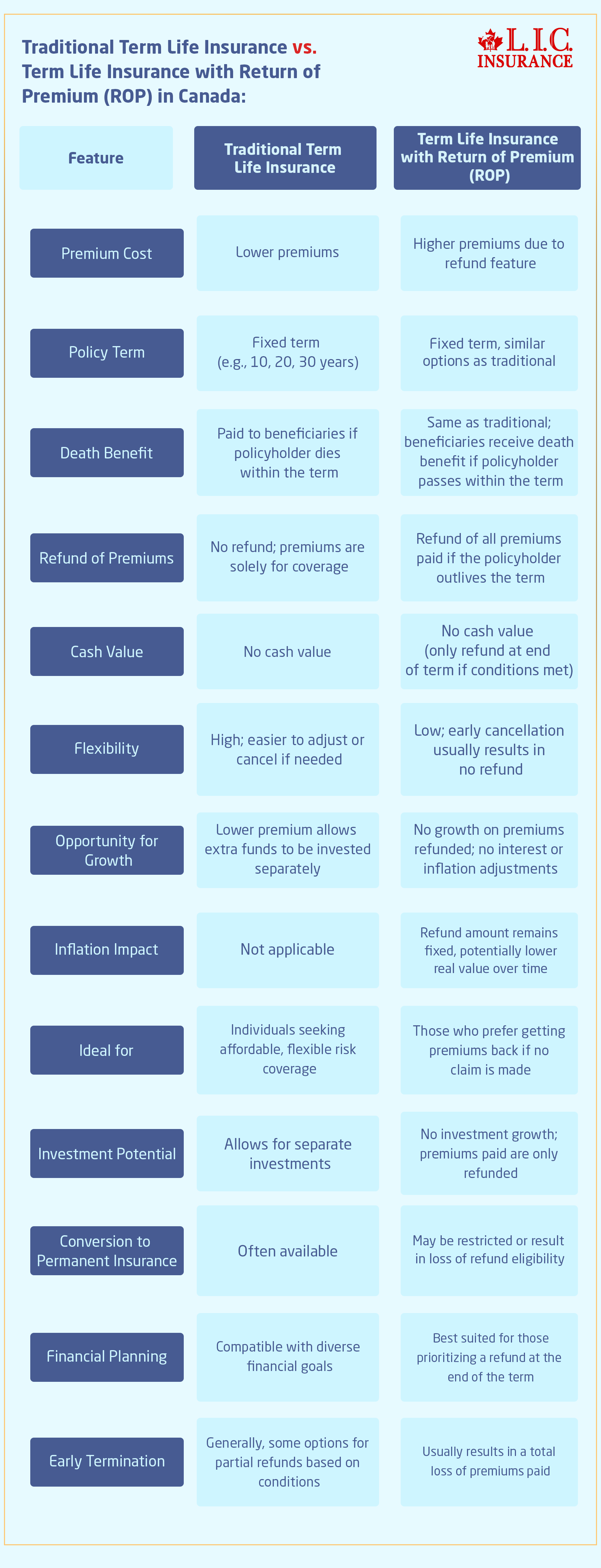
The cost of adding accidental coverage is generally very low compared to the base premium of a term life policy. This is because the probability of dying in a specific accidental manner is much lower than the general probability of death from all causes over a 20- or 30-year term.
| Feature | Base Term Life Insurance | Accidental Death Benefit Rider |
|---|---|---|
| Primary Payout Trigger | Death by almost any cause (illness, accident, age). | Death by qualified accident only. |
| Cost (Relative) | Moderate to High (based on age/health). | Very Low (typically a few dollars per month). |
| Medical Underwriting | Required (exam, blood work, history). | Minimal to none for the rider specifically. |
| Living Benefits | Usually none (unless Accelerated Death Benefit). | Includes Dismemberment (if AD&D). |
| Age Limits | Can cover up to age 80 or 90. | Often expires at age 65, 70, or 75. |
| Benefit Amount | Selected at policy inception. | Often matches or is a multiple of the base amount. |
The Underwriting and Claim Process
When applying for accidental coverage in 2026, the underwriting process is significantly simpler than for standard life insurance. Since the risk is not tied to your internal health (cholesterol, blood pressure, or family history of cancer), insurers focus primarily on your occupation and dangerous hobbies. A construction worker or a commercial pilot may pay higher rates for an ADB rider than an office worker.
Filing a Claim
Filing for an accidental death benefit requires more documentation than a standard claim. Beneficiaries must usually provide:
- The Official Death Certificate: Stating the cause and manner of death.
- Police Reports: To verify the circumstances of the accident.
- Coroner’s or Toxicology Reports: To ensure no exclusions (like intoxication) were present.
- Proof of Loss Statement: A formal claim form provided by the insurance company.
Because of the high stakes—often involving hundreds of thousands of dollars in "extra" money—insurers investigate accidental claims thoroughly. If the cause of death is listed as "Pending" or "Undetermined" on a death certificate, the payout will be delayed until a final determination is made.
Is Accidental Coverage Worth It in 2026?
Determining the value of an accidental rider depends on your specific life stage and risk profile. For young adults in their 20s and 30s, accidents are statistically the leading cause of death. In these cases, an ADB rider provides a massive amount of leverage for a very small monthly cost.
However, as policyholders age, the likelihood of dying from natural causes (heart disease, stroke, cancer) increases exponentially, while the accidental rider often carries an expiration age (typically 70). For older individuals, the money spent on an ADB rider might be better used toward increasing the base face value of the term policy, which covers all causes of death.
Furthermore, if you already have robust disability insurance through your employer, the "Dismemberment" portion of an AD&D rider might be redundant. Disability insurance is generally superior because it covers loss of income due to illness and accidents, whereas AD&D only covers specific physical losses resulting from accidents.
FAQs
Can I buy accidental coverage as a standalone policy?
Yes, standalone Accidental Death and Dismemberment (AD&D) policies exist and do not require a base term life policy. However, these are not a substitute for life insurance, as they pay nothing if you die from a heart attack, cancer, or other natural causes. They are best used as a supplement for high-risk individuals or those who cannot qualify for traditional life insurance due to health issues.
Does accidental coverage pay out for deaths caused by COVID-19 or other viruses?
No. In the insurance world, a virus or disease is considered a natural cause or an internal medical event, not an "external, violent, and accidental" event. Even if the exposure was unexpected, it does not meet the technical definition of an accident required for an ADB rider payout.
If I have a dangerous job, will my accidental benefit be more expensive?
Yes. Occupations like underground mining, structural steel working, or certain types of law enforcement are viewed as higher risk. While you can still obtain coverage, the premium for the ADB rider will be higher than for someone in a "preferred" risk class, such as an accountant or software engineer.
What happens to the accidental rider when my term life policy ends?
The rider is tied to the base policy. If your term life insurance expires, the rider expires with it. Additionally, many accidental riders have a "termination age" (often 70 or 75) which may be earlier than the expiration date of the base term policy. It is vital to check the specific "Termination of Coverage" section in your policy document.
Does the "Double Indemnity" apply to all accidents?
It applies to all accidents that are not specifically excluded. Most motor vehicle accidents, falls, and unintentional poisonings qualify. However, you must ensure the death meets the "independent of all other causes" criteria. If a pre-existing condition contributed even 10% to the cause of death, some insurers may attempt to deny the accidental portion of the claim.
Practical Recommendation
When reviewing your insurance needs in 2026, treat accidental coverage as a low-cost "extra" rather than your primary safety net. If you have a young family and a limited budget, adding an Accidental Death Benefit rider is an excellent way to boost your total coverage for a negligible cost. However, you should never use accidental coverage as a replacement for a sufficiently sized base term life policy. Ensure your base policy covers your family’s total needs (mortgage, tuition, income replacement) for any cause of death, and view the accidental benefit as a "worst-case scenario" bonus that provides extra cushion during a sudden tragedy.
Image Gallery