Diane Ladd in Alice Doesn’t Live Here Anymore: A Definitive Retrospective
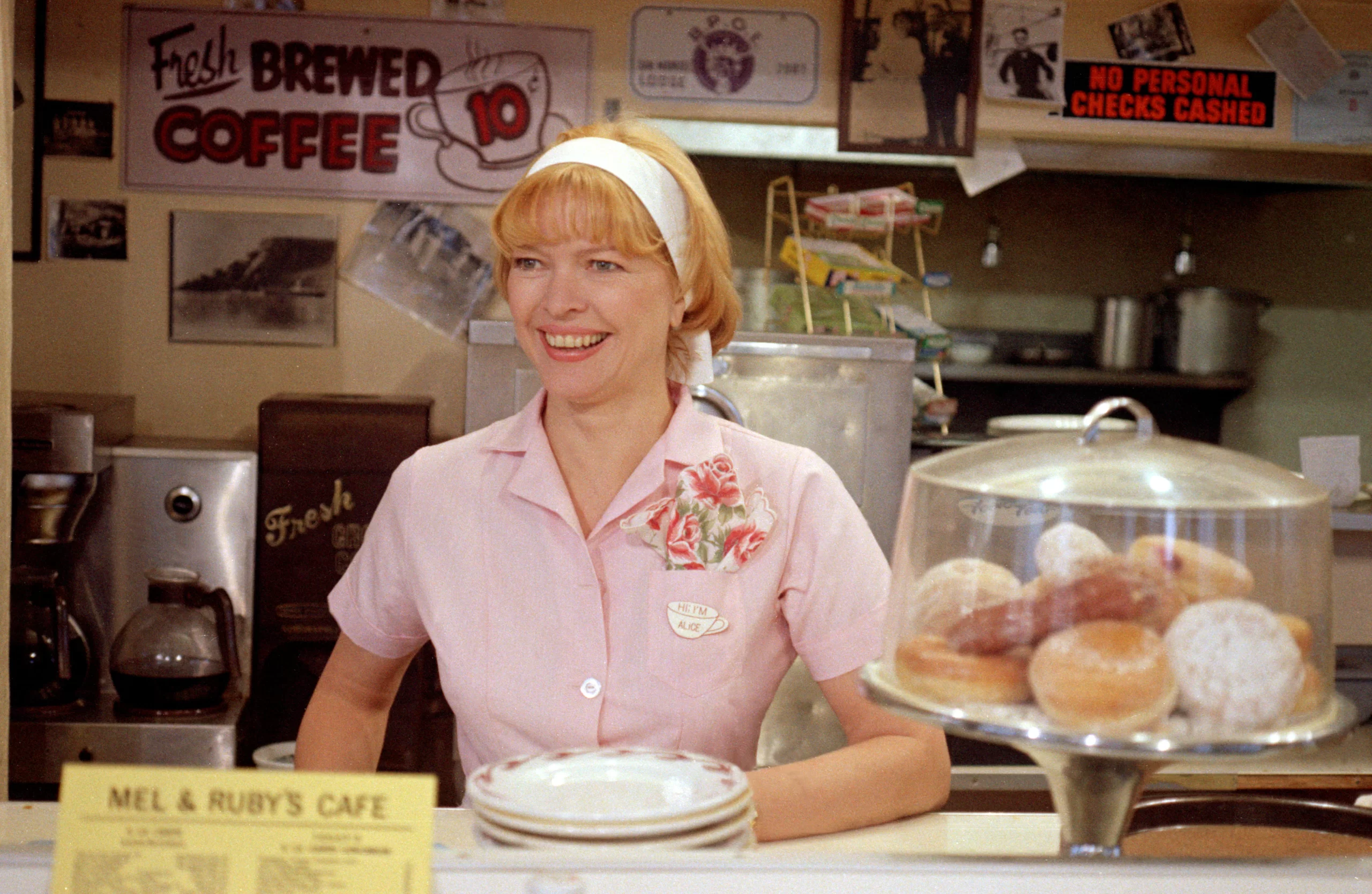
Diane Ladd’s portrayal of Flo in the 1974 film Alice Doesn’t Live Here Anymore stands as a definitive moment in 1970s American cinema. Playing the sharp-tongued, resilient waitress at Mel & Ruby’s Cafe, Ladd earned an Academy Award nom...
Diane Ladd’s portrayal of Flo in the 1974 film Alice Doesn’t Live Here Anymore stands as a definitive moment in 1970s American cinema. Playing the sharp-tongued, resilient waitress at Mel & Ruby’s Cafe, Ladd earned an Academy Award nomination and won a BAFTA, establishing a complex archetype of female solidarity and working-class grit that remains influential in 2026.
Contents
The Cinematic Context of 1974
To understand the impact of Diane Ladd’s performance, one must first look at the landscape of the "New Hollywood" era. By the mid-1970s, American cinema was shifting away from the polished artifice of the studio system toward a grittier, more naturalistic style. Martin Scorsese, fresh off the success of Mean Streets, was not an obvious choice for a film centered on a woman’s journey of self-discovery. However, Ellen Burstyn, who held the rights to the script and sought a director who understood the "realities of the human condition," chose Scorsese specifically for his ability to handle raw emotional intensity.
Alice Doesn’t Live Here Anymore follows Alice Hyatt (Burstyn), a recently widowed woman who travels across the American Southwest with her son, Tommy, in hopes of reclaiming her former career as a singer. Her journey eventually stalls in Tucson, Arizona, where she takes a job as a waitress. It is here that the film introduces its most vibrant supporting character: Flo, played by Diane Ladd.
Diane Ladd as Flo: Breaking the Waitress Archetype
When Diane Ladd stepped into the role of Flo, the "waitress with a heart of gold" was already a tired trope in Hollywood. However, Ladd and Scorsese worked to subvert these expectations. Flo is introduced as a coarse, seemingly antagonistic coworker who initially clashes with Alice’s more reserved, refined sensibilities.
The Evolution of the Character
Ladd’s Flo is characterized by her profane wit and a physical presence that suggests years of standing on her feet in a greasy spoon diner. As the narrative progresses, the layer of "toughness" is revealed not as a character flaw, but as a survival mechanism. In 2026, film historians often point to the "bathroom scene" between Alice and Flo as a landmark moment in feminist cinema. In this scene, the two women transition from rivals to confidantes, sharing a moment of vulnerability and mutual respect that was rarely depicted between women on screen at the time.
Technical Performance and Improvisation
Scorsese encouraged a high degree of improvisation on set. Ladd’s performance is notable for its rhythmic delivery and use of props—the way she handles a cigarette or a coffee pot feels authentic to someone who has spent a lifetime in service. This naturalism helped ground the film’s more melodramatic elements, providing a foil to Alice’s aspirational dreams. Ladd’s ability to balance comedy with pathos ensured that Flo was never a caricature, but a fully realized human being with her own unspoken history.
Production Insights: The Tucson Setting and Mel & Ruby’s Cafe
The production of Alice Doesn’t Live Here Anymore benefited greatly from its location shooting in Tucson. The heat and the dust of the Arizona landscape reflected the stagnation Alice felt in her journey. Mel & Ruby’s Cafe, the primary setting for Ladd’s performance, was a real location that provided the necessary claustrophobia for the characters’ frustrations to boil over.
The chemistry between Ladd and Burstyn was facilitated by a collaborative set. Unlike many directors of the era who maintained a rigid hierarchy, Scorsese allowed his actors to explore their characters' motivations. Ladd has frequently noted in retrospectives that the environment was one of intense creative freedom, which allowed her to push Flo’s boundaries. This collaboration resulted in a performance that felt less like a scripted role and more like a captured piece of life.
Critical Reception and Award Recognition
The film was both a critical and commercial success upon its release in late 1974 and throughout 1975. While Ellen Burstyn eventually won the Academy Award for Best Actress, Diane Ladd’s contribution did not go unnoticed.
| Award Body | Category | Result |
|---|---|---|
| Academy Awards (Oscars) | Best Supporting Actress | Nominated |
| BAFTA Awards | Best Supporting Actress | Won |
| Golden Globes | Best Supporting Actress | Nominated |
Ladd’s BAFTA win was particularly significant, as it signaled that the nuances of her "American waitress" character resonated even with international audiences. Critics praised her for providing the film with its "earthy soul," noting that while Alice was the protagonist, Flo was the character who provided the most profound lessons in resilience.
The Disambiguation: From Film to Television
A common point of confusion for modern audiences—and a frequent subject of search queries—is the relationship between the 1974 film and the subsequent television sitcom, Alice.
Following the film's success, CBS developed a sitcom titled Alice which ran from 1976 to 1985. In the television series, the character of Flo was played by Polly Holliday, who became famous for the catchphrase "Kiss my grits!" While Holliday’s Flo was more of a broad comedic figure, she was based directly on the groundwork laid by Diane Ladd in the movie.
Interestingly, Diane Ladd returned to the world of Alice years later. In 1980, after Polly Holliday left the sitcom for her own spin-off (Flo), Ladd joined the cast of the TV show. However, she did not reprise her role as Flo; instead, she played a new character named Belle Dupree. This meta-casting was a nod to the original film and allowed Ladd to bring a different flavor to the diner dynamic.
The Legacy of the Performance in 2026
Looking back from the perspective of 2026, Alice Doesn’t Live Here Anymore is recognized as a vital precursor to the "independent woman" films of the 80s and 90s. Diane Ladd’s Flo remains a textbook example of how a supporting performance can elevate an entire production.
Influence on Modern Character Acting
Modern actors often cite Ladd’s performance as a study in "supporting character depth." She managed to imply a whole world of experiences—broken marriages, financial struggles, and personal triumphs—without a single flashback. The "Flo" archetype has been replicated in countless films since, but rarely with the same blend of sharp edges and genuine warmth.
Impact on Diane Ladd's Career
This role served as a springboard for Ladd, who would go on to have a legendary career, including two more Oscar nominations (for Wild at Heart and Rambling Rose). In the latter, she made history by being nominated alongside her daughter, Laura Dern. However, for many cinephiles, Flo remains her most transformative and culturally significant role.
Technical Specifications and Availability
For those looking to study the performance in 2026, the film has undergone significant preservation efforts.
- Restoration: A 4K digital restoration was completed for the film’s 50th anniversary in 2024, overseen by The Film Foundation in collaboration with Warner Bros. This version highlights the cinematography of Kent L. Wakeford and the subtle details of the cafe production design.
- Availability: The film is currently available on major streaming platforms (such as Max and Amazon Prime) and remains a staple of the Criterion Collection, which includes extensive interviews with Diane Ladd regarding her preparation for the role.
Frequently Asked Questions
Did Diane Ladd win an Oscar for Alice Doesn’t Live Here Anymore?
No, she was nominated for the Academy Award for Best Supporting Actress but did not win. However, she did win the BAFTA Award for Best Supporting Actress for the same role, which is considered the British equivalent of the Oscar.
Is the Flo in the movie the same as the Flo in the TV show?
The character name and setting are the same, but the actresses are different. Diane Ladd played Flo in the 1974 film. Polly Holliday played Flo in the long-running television series Alice. Diane Ladd later joined the TV show as a different character named Belle.
What is the famous line from Flo in the movie?
While the TV version of Flo is known for "Kiss my grits," the movie version of Flo is known for her more realistic, often profane, and blunt advice to Alice. Her dialogue in the film is less about catchphrases and more about establishing a raw, sisterly bond through humor and shared labor.
Why is this film considered a feminist classic?
It was one of the first major Hollywood films of the 1970s to focus entirely on a woman’s internal journey and her need for independence rather than her relationship with a man. The friendship between Alice and Flo is a key pillar of this, showing women supporting each other in a world that often treats them as disposable.
Who directed Diane Ladd in this film?
The film was directed by Martin Scorsese. It was a departure from his usual crime-focused narratives, demonstrating his range as a director and his ability to elicit powerful performances from female leads.
Final Recommendation for Viewers
To fully appreciate Diane Ladd's contribution to cinema, viewers should watch Alice Doesn’t Live Here Anymore not just as a period piece, but as a masterclass in character study. Pay close attention to the scenes in the diner where she isn't speaking; her physical acting—the way she leans against the counter or reacts to the customers—tells a story of a woman who has endured but hasn't been broken. For students of acting and film history, Ladd’s Flo remains an essential reference point for creating authentic, indelible characters.
Image Gallery