Why Decreasing Your Auto Insurance Deductible Is Often Not Worth the Price
Choosing a lower deductible for auto insurance often results in higher premiums that outweigh the potential savings during a claim. By opting for a higher deductible, you effectively self-insure for minor incidents, ensuring that you p...
Choosing a lower deductible for auto insurance often results in higher premiums that outweigh the potential savings during a claim. By opting for a higher deductible, you effectively self-insure for minor incidents, ensuring that you pay a lower recurring monthly cost and reserve your policy coverage for significant, high-cost repairs that would otherwise cause financial distress.
Contents
Understanding the Deductible Mechanism
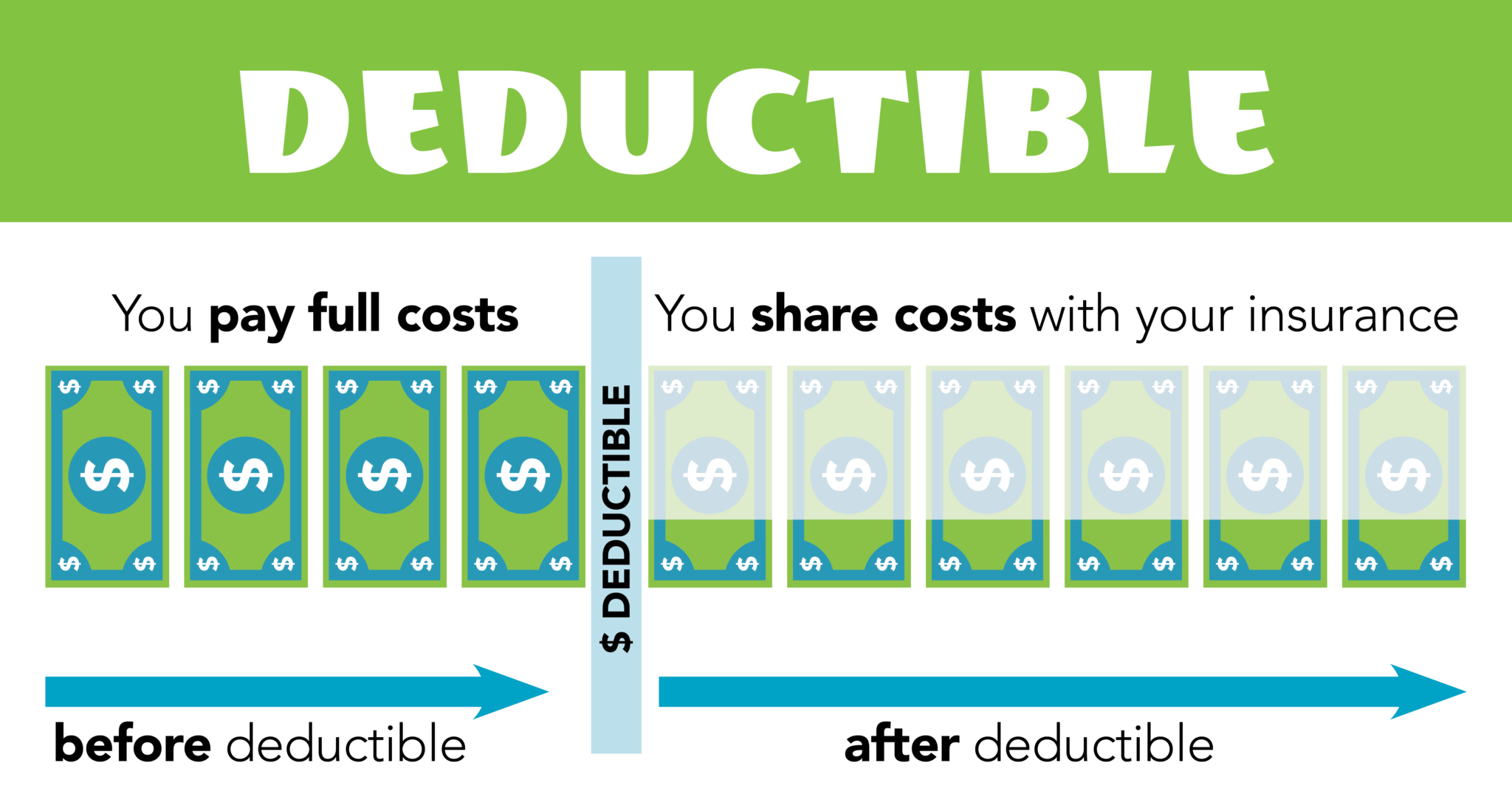
An auto insurance deductible is the amount of money you agree to pay out-of-pocket before your insurance coverage kicks in after a collision or comprehensive claim. If you have a $500 deductible and sustain $3,000 in damages, you pay $500, and the insurer covers the remaining $2,500.
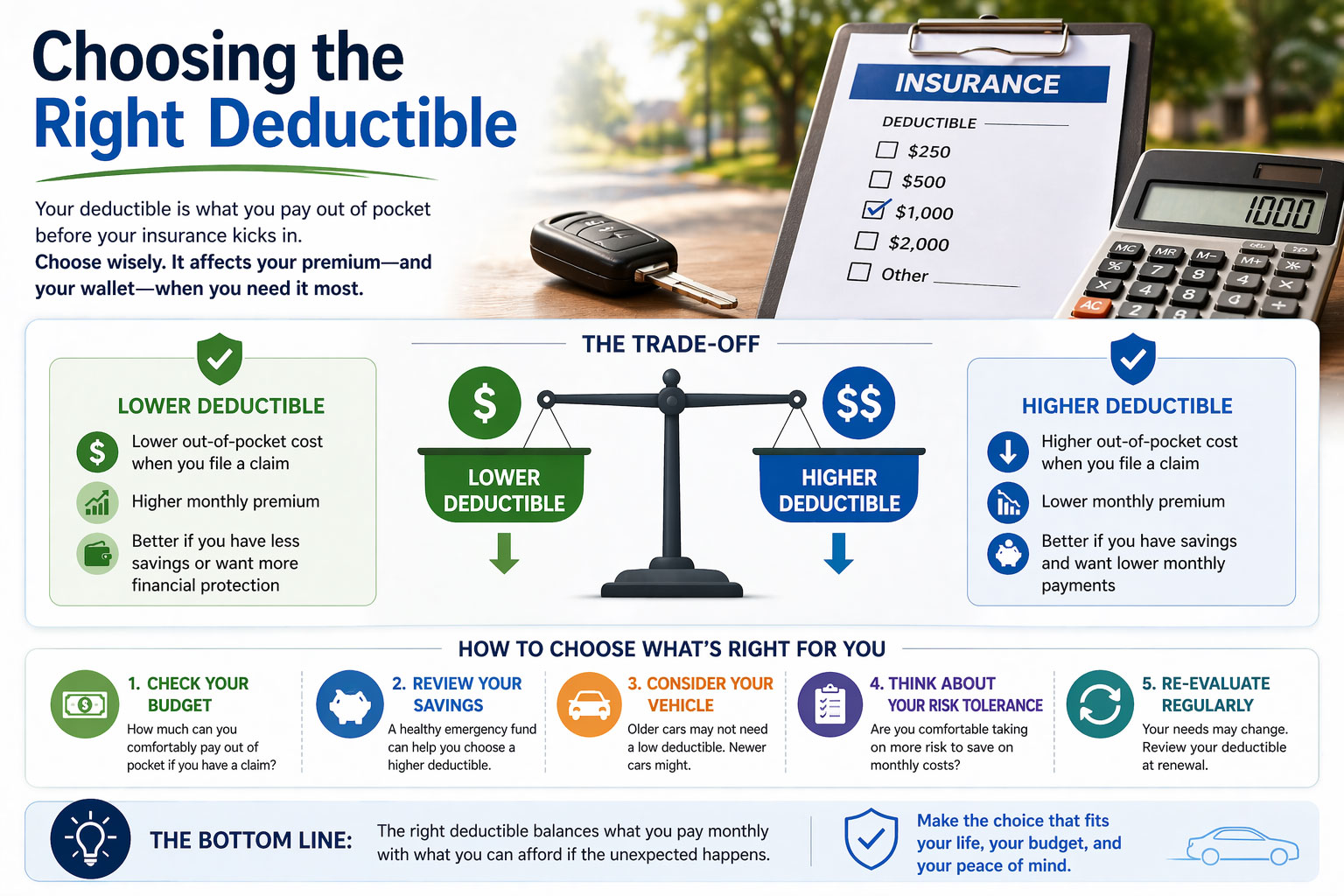
The fundamental trade-off is simple: a lower deductible requires the insurance company to take on more financial risk. Consequently, they charge you a higher premium to compensate for the likelihood of more frequent or costly claim payouts. Conversely, a higher deductible shifts more of the initial risk to you, which the insurer rewards with lower recurring monthly premiums. Many policyholders mistakenly view a low deductible as a form of "better" coverage, failing to realize that they are paying a consistent, guaranteed premium increase for the potential—not guaranteed—advantage of saving a few hundred dollars during a rare accident.
The Mathematics of Premium Differentials
To determine if a low deductible is worth the price, you must perform a break-even analysis. Consider the annual premium difference between a $500 deductible and a $1,000 deductible. If reducing your deductible to $500 costs an additional $150 in annual premiums, you are paying that extra money every single year.
If you go three years without an accident, you have spent $450 in extra premiums to save $500 on a single claim. Essentially, you have effectively paid for the "advantage" of the lower deductible yourself. If you go five or ten years without a collision claim, the cumulative cost of the higher premiums will far exceed the amount you would have "saved" at the time of an incident. In this scenario, the lower deductible is objectively a poor financial instrument, acting more like a forced savings account with a negative return on investment.
When Is a Higher Deductible Recommended?
A higher deductible is generally suitable for drivers who maintain an emergency fund capable of covering the cost of that deductible. If you have $1,000 to $2,000 set aside in a high-yield savings account specifically for vehicle repairs, there is little mathematical justification for paying an insurance company extra to lower your risk exposure.
Drivers who should consider higher deductibles include:
- Individuals with a proven track record of safe driving over several years.
- Those who own vehicles where the cost of repairs for minor damage is often close to or less than the deductible amount anyway.
- Policyholders with sufficient liquidity to handle a sudden $1,000 or $1,500 expense without relying on credit cards or high-interest loans.
When a Low Deductible Might Make Sense
While mathematically inferior for most, there are specific situations where a low deductible may be appropriate. If you live in an area with a very high rate of claims—such as regions prone to frequent hail damage or where urban theft rates are exceptionally high—the probability of filing a claim increases.
Additionally, if your financial situation is such that a $1,000 repair bill would cause you to default on other essential obligations, then the higher premium is effectively a "budgeting fee" that ensures you stay mobile. However, this is a form of risk management for cash flow, not a strategy for maximizing long-term savings or insurance value.
Comparative Cost Analysis Table
The following table illustrates the typical shift in premium costs based on deductible selection. These figures are representative and vary by provider and driver profile.
| Deductible Amount | Relative Annual Premium | Break-even Frequency | Financial Risk |
|---|---|---|---|
| $250 | Highest | Every 1–2 years | Very Low |
| $500 | High | Every 3–4 years | Low |
| $1,000 | Moderate | Every 5–7 years | Moderate |
| $2,000 | Lowest | Every 8+ years | High |
Common Mistakes in Deductible Selection
Many policyholders fall into the trap of thinking they need "full coverage" with the lowest possible deductible to be "fully protected." This is a misunderstanding of what insurance is meant to do. Insurance is designed to protect against catastrophic financial loss—events that could bankrupt you or result in significant debt. It is not designed to function as a maintenance plan for minor dents, windshield cracks, or scratched bumpers.
Another common mistake is failing to adjust deductibles as a vehicle ages. As the actual cash value (ACV) of your car depreciates, the utility of a low deductible decreases. If your car is worth $4,000, paying for a $250 deductible is illogical, as an insurer might total the vehicle rather than pay for repairs if the cost of the claim approaches the value of the car.
Integrating Deductibles into a Broader Financial Plan
Your auto insurance policy should be viewed as one component of your total risk management strategy. If you have an emergency fund, you should be leveraging that liquidity to lower your insurance premiums. By increasing your deductibles to $1,000 or $2,000, you can redirect the "saved" premium dollars into your savings account or investment vehicles.
Over a decade, this shift can lead to thousands of dollars in savings, creating a self-funded buffer that allows you to self-insure against minor losses. By the time you actually encounter a major, covered loss, you will have the cash on hand to pay the deductible, and your historical savings will have significantly outpaced the cost of that claim.
Frequently Asked Questions
Will a higher deductible always lead to a lower monthly premium? Yes, in most cases, insurance carriers provide a discount for higher deductibles because it reduces the number of small claims they process. However, the specific reduction varies based on your geographic location, driving history, and the specific insurer’s rating algorithm.
Does changing my deductible affect my liability coverage? No. Deductibles typically only apply to physical damage coverage, specifically Comprehensive and Collision. Liability coverage, which pays for damage or injuries you cause to others, generally does not carry a deductible.
Is it better to have a $500 or $1,000 deductible? For the vast majority of financially stable individuals, a $1,000 deductible is superior. It lowers your fixed costs significantly without imposing an unmanageable burden during the rare event of a major accident.
What happens if I cannot afford my deductible after an accident? If you cannot pay your deductible, the body shop may refuse to release your vehicle until the full payment is made, or the insurance payout will be reduced by that amount, leaving you to cover the deficit. This is why having an emergency fund is a prerequisite for choosing higher deductibles.
Should I lower my deductible if I am a new driver? Generally, no. New drivers already face significantly higher premiums due to lack of experience. Increasing the deductible is one of the few levers available to keep costs manageable. Focus on safe driving to avoid claims, rather than trying to lower the cost of a potential claim.
Recommended Next Steps
Review your current policy declarations page to determine your exact deductible amounts for collision and comprehensive coverage. Contact your agent to ask for a "premium delta" quote: ask specifically how much your premium would drop if you increased your deductible from your current level to $1,000. If that difference is significant, consider moving to the higher deductible and immediately placing the difference in premium savings into a dedicated repair fund.
Image Gallery