The Life and Sudden Demise of Eddie LeBec: A Cheers Retrospective
In the annals of television history, the sitcom Cheers is celebrated for its intricate character arcs and its ability to blend comedy with genuine emotional stakes. Among the many recurring characters who populated the iconic Boston ba...
In the annals of television history, the sitcom Cheers is celebrated for its intricate character arcs and its ability to blend comedy with genuine emotional stakes. Among the many recurring characters who populated the iconic Boston bar, Eddie LeBec, the professional hockey player husband of Carla Tortelli, holds a distinct place. His character trajectory, which culminated in his unexpected death, serves as a significant narrative turning point for the series, illustrating the show's willingness to subvert traditional sitcom tropes.
Contents
The Character of Eddie LeBec
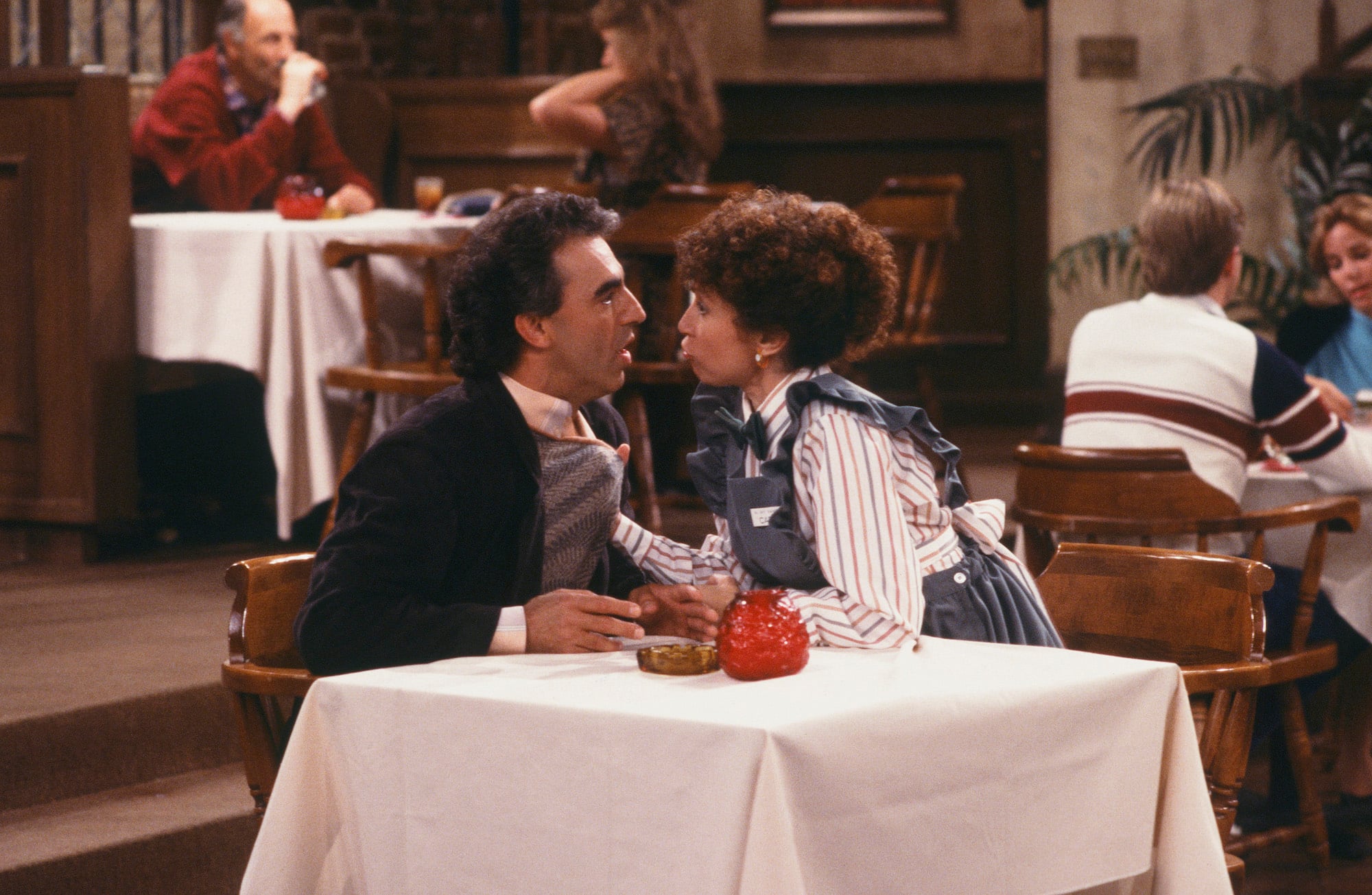
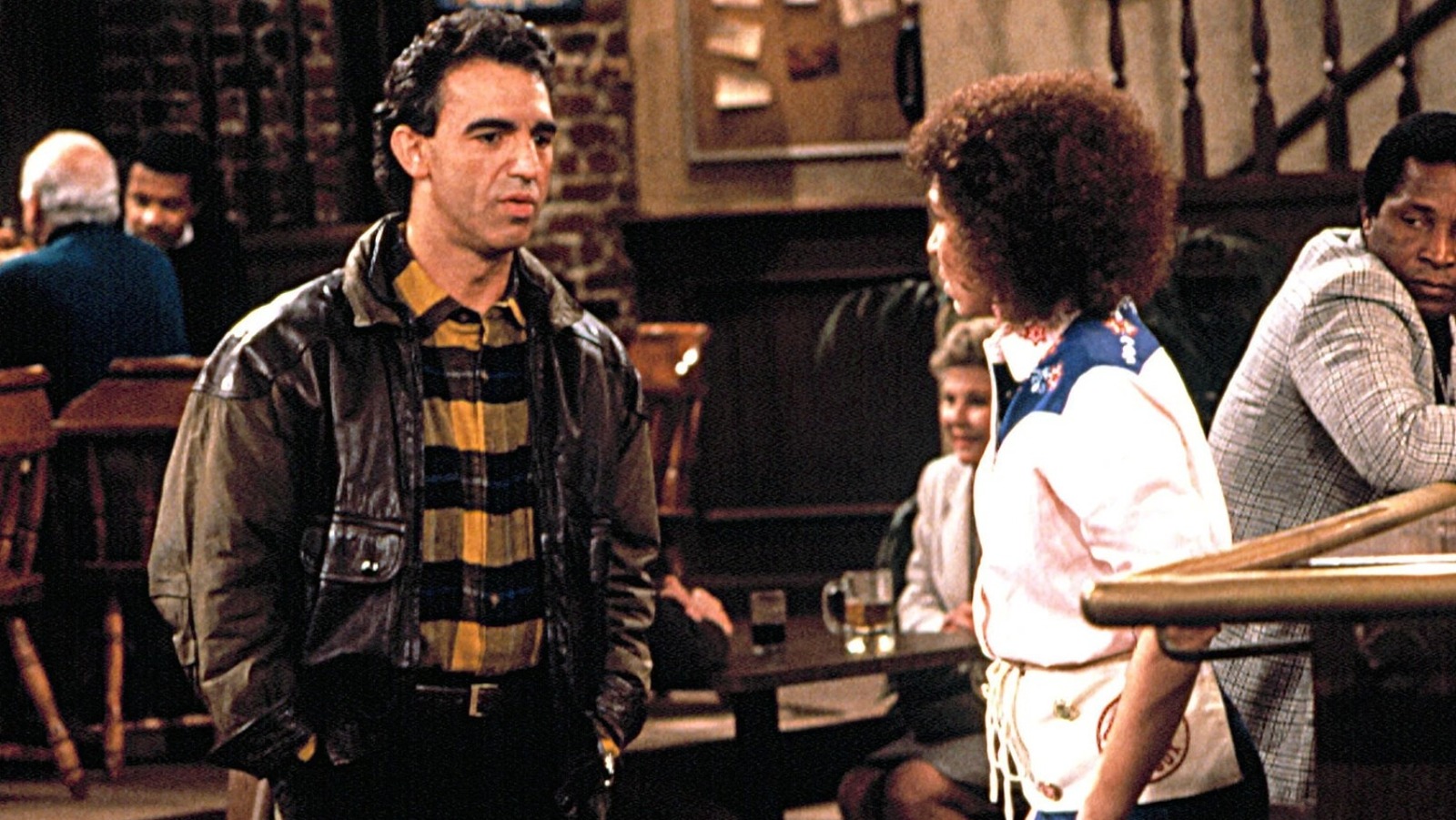
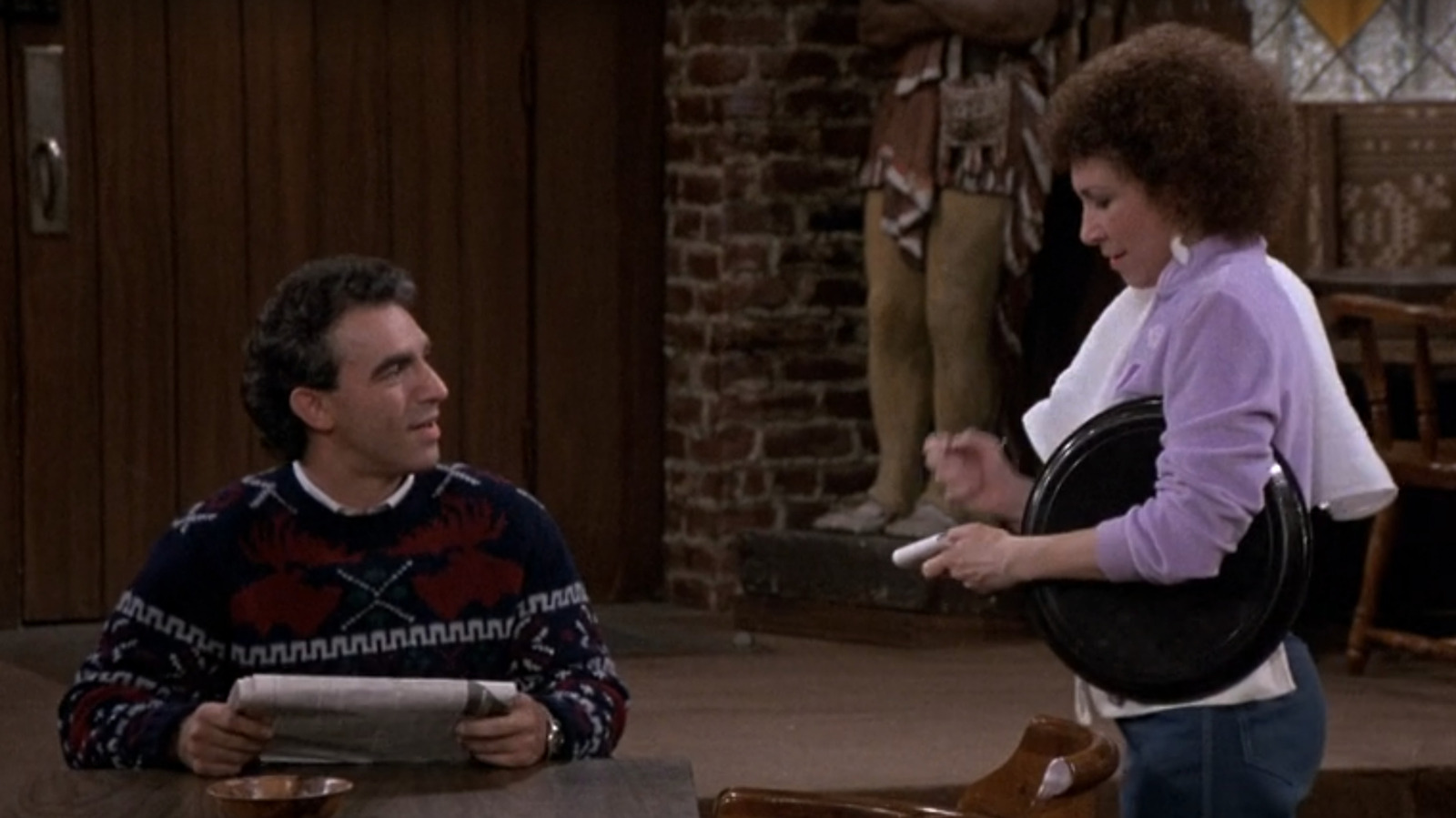
Eddie LeBec was introduced in the sixth season of Cheers as a relief goalie for the Boston Bruins. Played by actor Jay Thomas, Eddie was initially presented as a somewhat charming, if slightly dim-witted, professional athlete who sweeps the cynical, sharp-tongued Carla off her feet. Their relationship was a focal point for several seasons, providing a rare glimpse into a softer side of Carla.
For a character often defined by her bitterness and quick wit, the introduction of a romantic partner who genuinely adored her allowed the writers to explore deeper nuances of her personality. Eddie provided a sense of stability and normalcy that stood in stark contrast to the often-chaotic lives of the bar's regulars. However, as with many relationships in the world of Cheers, the dynamic was layered with humor, insecurity, and the inevitable tensions arising from their mismatched temperaments.
The Narrative Arc Leading to His Death
The decision to write Eddie LeBec out of the series did not come out of a vacuum. By the time of his departure, the character had undergone significant changes. In a memorable storyline, Eddie's hockey career faltered, leading him to take up various odd jobs, including working as a penguin mascot at an ice show. This descent from professional athlete to struggling performer served as both a comedic device and a catalyst for the strain on his marriage to Carla.
The narrative shift toward his exit was solidified in the show's eighth season. While the character was no longer a regular fixture, his presence—and his eventual absence—left a lasting impact on the ensemble cast. The manner of his exit was designed to be as surprising as the character’s initial arrival, moving away from the typical "divorce" or "moving away" tropes that were common in 1980s and 1990s television sitcom writing.
How Eddie LeBec Died on Cheers
The death of Eddie LeBec occurred off-screen, a narrative choice that amplified the shock and confusion experienced by both the characters on the show and the audience. According to the plot established in the eighth season, Eddie died while performing his duties as a penguin mascot for an ice show. The circumstances were described as a freak accident involving a Zamboni machine—a detail that, while inherently absurd, was presented with the deadpan gravity that Cheers mastered so effectively.
This moment was pivotal for Carla Tortelli. Upon learning of his death, Carla is forced to confront the reality that she was not the only woman in Eddie’s life. The revelation that Eddie had a secret second wife and a family in another city added a layer of profound betrayal to her grief. This narrative twist transformed what could have been a simple tragic event into a complex exploration of closure, anger, and the messy realities of life, which remained a hallmark of the show’s writing room until its conclusion.
Impact of the Character’s Exit
The death of Eddie LeBec allowed the series to focus on Carla’s resilience. By removing a primary support system, the show challenged Carla to navigate her life as a single mother once again, but with the added emotional baggage of a widowed spouse who had been unfaithful. The writers effectively used this tragedy to deepen Carla’s character, reinforcing her role as a survivor.
Furthermore, the exit of Jay Thomas from the show highlights the collaborative nature of long-running sitcoms. Actors often moved on to other projects, and the Cheers production team became adept at integrating these departures into the fabric of the show. Instead of ignoring the absence, they transformed it into an event that influenced character development for the remainder of the series.
Character Comparison: Eddie LeBec and Other Significant Departures
The departure of Eddie LeBec differs significantly from other notable exits in the Cheers universe. Below is a breakdown of how his narrative exit compares to other major character changes.
| Character | Method of Exit | Narrative Impact |
|---|---|---|
| Diane Chambers | Departure for career | Changed the central romantic tension of the show. |
| Coach Ernie Pantusso | Death (off-screen) | Addressed directly due to the passing of Nicholas Colasanto. |
| Eddie LeBec | Death (off-screen) | Provided dramatic friction and personal crisis for Carla. |
| Frasier Crane | Relocation | Set up the transition for his spin-off series. |
The death of Eddie LeBec, unlike the death of Coach—which was a somber necessity following the actor's real-life death—was a scripted event designed to serve the ongoing narrative conflict. It was a calculated risk that reinforced the show's cynical edge while maintaining the high comedic bar set by the ensemble.
Behind the Scenes: Jay Thomas and the Role
It is important to acknowledge that the life of the character was dictated by the professional trajectory of the actor. Jay Thomas, who portrayed Eddie, was a prolific performer whose career extended well beyond his time at the bar. His portrayal of Eddie brought a level of charisma that made the character's death resonate more deeply with fans. The off-screen death was a pragmatic choice for the production, allowing the show to maintain continuity without the requirement of a funeral episode or a lengthy mourning period, which would have disrupted the pacing of the bar’s day-to-day operations.
Common Questions Regarding Eddie LeBec
Why did the writers choose to kill off Eddie LeBec instead of having him leave Carla? The choice to kill the character provided immediate, high-stakes drama for Carla Tortelli. A divorce would have been a standard sitcom development; death allowed for the introduction of the "secret family" plot point, which offered more opportunities for character conflict and comedic fallout regarding Carla’s reactions to the situation.
Did Eddie LeBec die on screen? No, his death occurred entirely off-screen. The characters, and by extension the audience, learned of the accident through dialogue. This kept the tone of the show focused on the reactions of the main cast within the environment of the bar, which was the central stage for the series.
Was the Zamboni death an actual historical event? No, the specific narrative of a penguin mascot dying via a Zamboni accident was a piece of creative writing for the show. While industrial accidents involving ice maintenance equipment have occurred in real life, the Cheers incident was entirely fictional and served as an example of the show's dark, specific humor.
How did Carla react to the truth about his secret life? Carla’s reaction was characteristically complex. Initially grieving, her sentiment shifted to cold fury and indignation once she discovered he had been living a double life. This emotional pivot is often cited by fans as one of Rhea Perlman’s strongest acting performances during her tenure on the show.
Is there any legacy of the Eddie LeBec character? Beyond his function as a catalyst for Carla's arc, Eddie LeBec remains a piece of Cheers trivia often cited by long-time viewers. He represents the era of the show where the writers began experimenting more boldly with character backgrounds and the long-term consequences of the regulars' personal lives.
Recommendation for Further Engagement
For those interested in exploring the evolution of Cheers beyond individual character arcs, watching the mid-to-late seasons—specifically seasons seven through nine—is recommended. These seasons demonstrate how the show maintained its relevance by balancing workplace humor with personal tragedies, proving that a sitcom could be both funny and deeply human. By following the episode flow, you can witness how the writers turned what could have been a simple exit into a multi-episode narrative thread that solidified the growth of the remaining ensemble.
Image Gallery