The 1997 Korea Financial Crisis Explained: Causes, Impacts, and Lessons
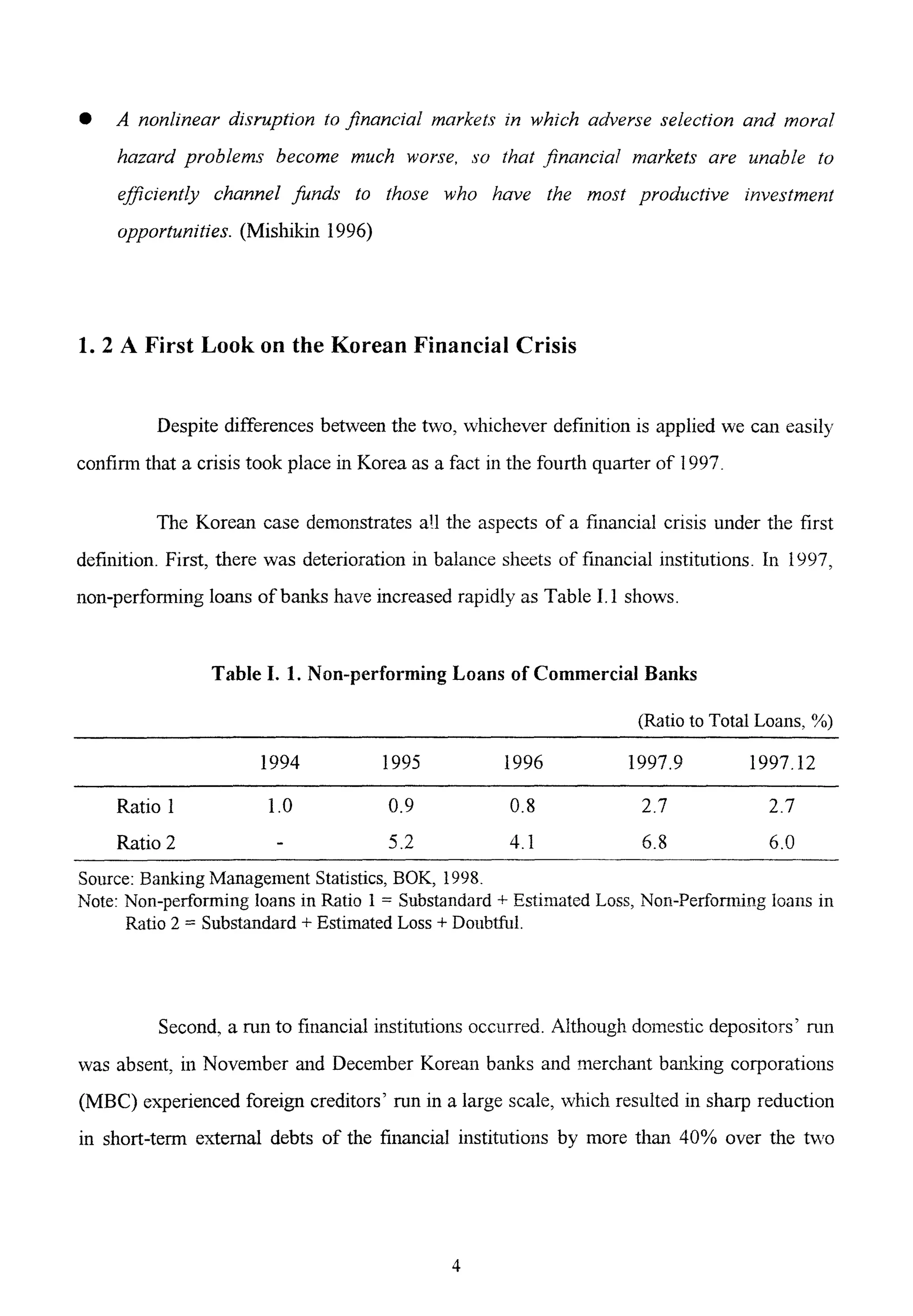
The 1997 Korea financial crisis, often referred to in South Korea as the "IMF Crisis," was a severe liquidity crunch that forced the nation to seek a record-breaking $58 billion bailout from the International Monetary Fund (IMF) in Dec...
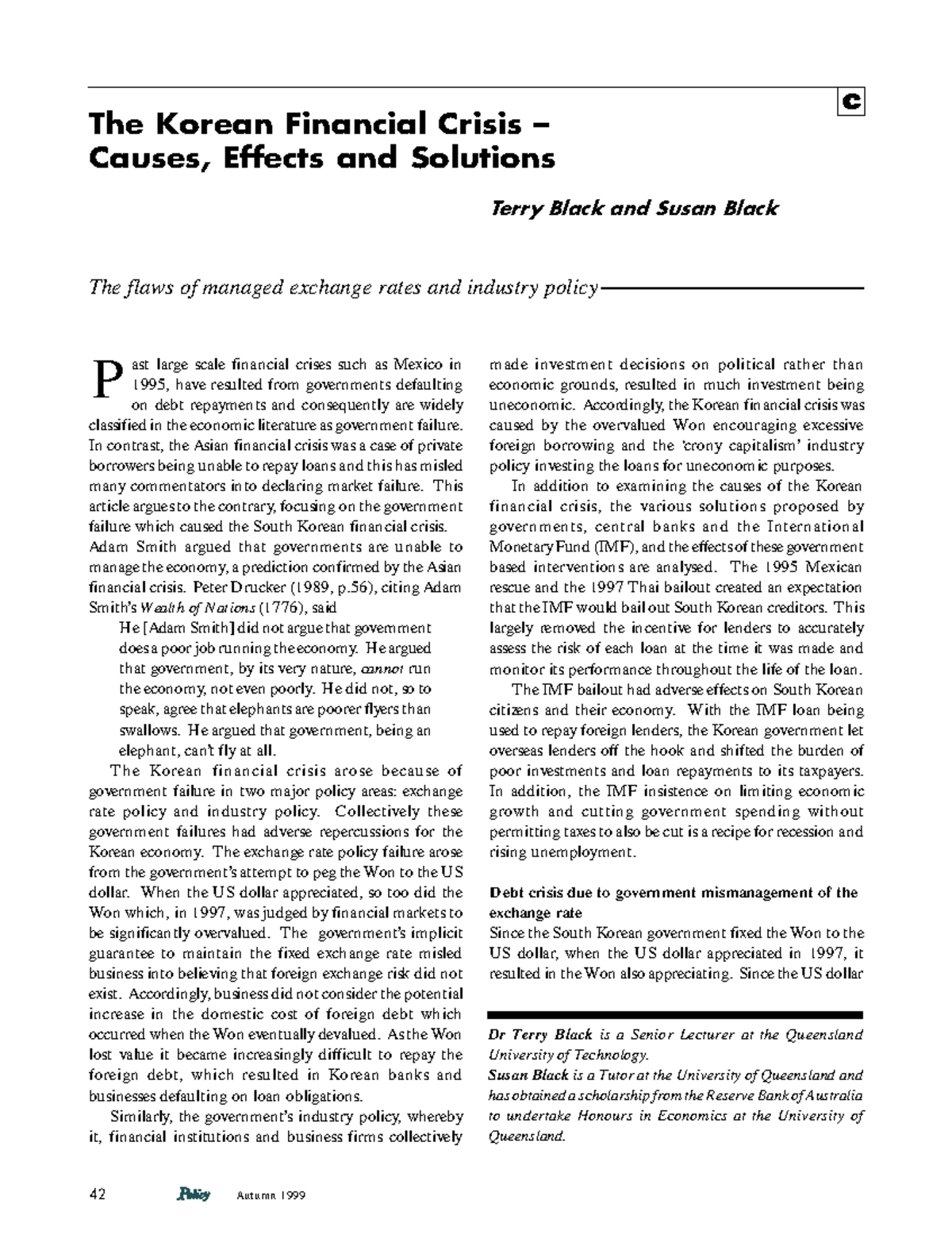
The 1997 Korea financial crisis, often referred to in South Korea as the "IMF Crisis," was a severe liquidity crunch that forced the nation to seek a record-breaking $58 billion bailout from the International Monetary Fund (IMF) in December 1997. Triggered by a collapse in investor confidence, unsustainable corporate debt, and unsustainable currency pegs, the crisis fundamentally restructured the South Korean economy, leading to radical financial reforms and the dissolution of several major industrial conglomerates.
Contents
The Structural Origins: The "Miracle" and Its Fragility
The seeds of the 1997 crisis were sown during the decades of rapid industrialization known as the "Miracle on the Han River." South Korea’s economic model was characterized by close coordination between the government and the chaebols—large, family-owned business conglomerates. The government directed bank lending toward these conglomerates to fuel export-oriented growth.
By the mid-1990s, this model began to show signs of terminal strain. The chaebols pursued aggressive expansion, often financing new ventures through high levels of short-term foreign debt rather than equity or retained earnings. Because the government implicitly guaranteed that these firms were "too big to fail," banks lent recklessly, assuming the state would cover any losses. This created a bubble of massive corporate leverage, where profitability was sacrificed for market share and scale.
The Trigger: Contagion and Currency Devaluation
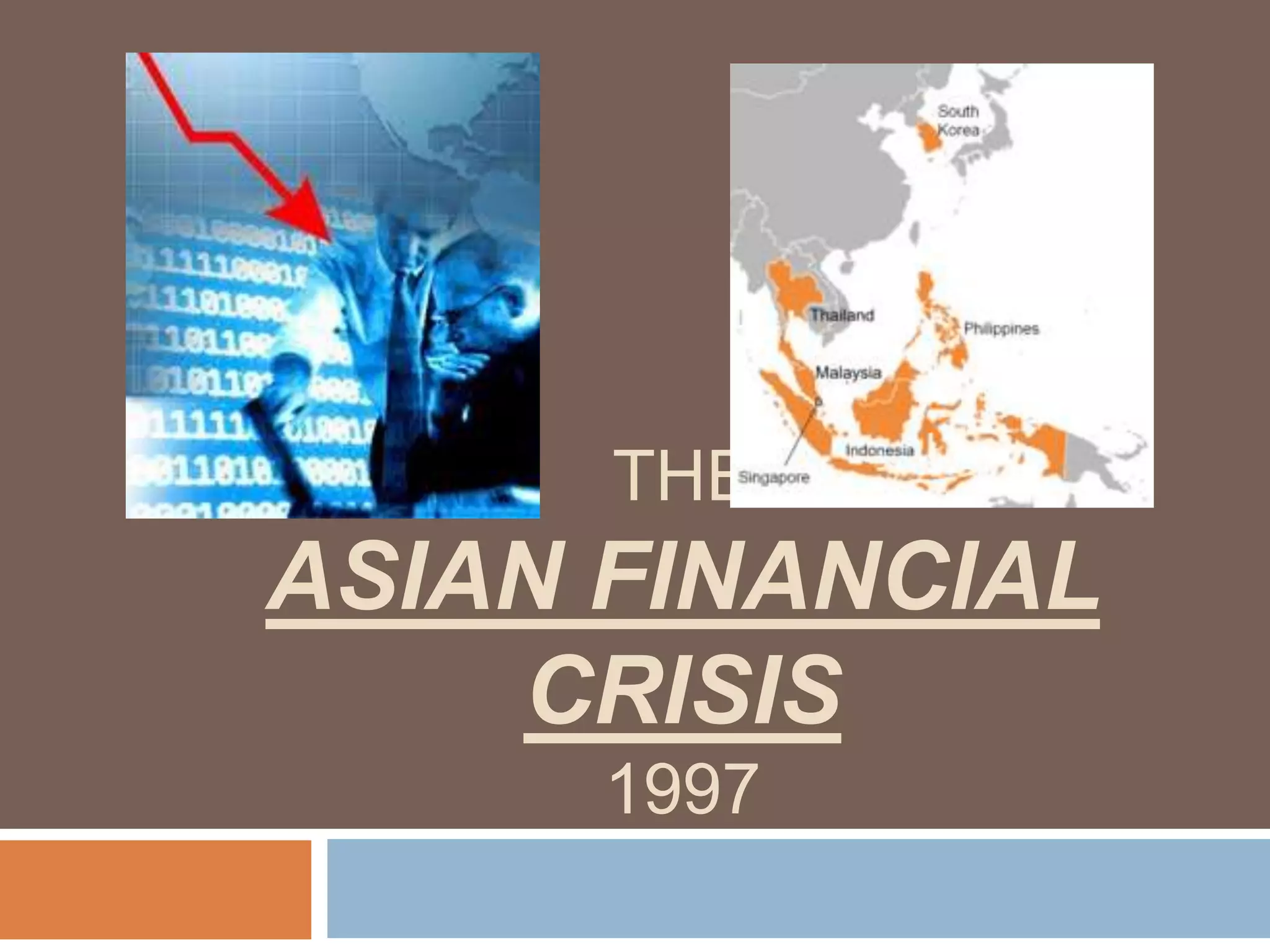
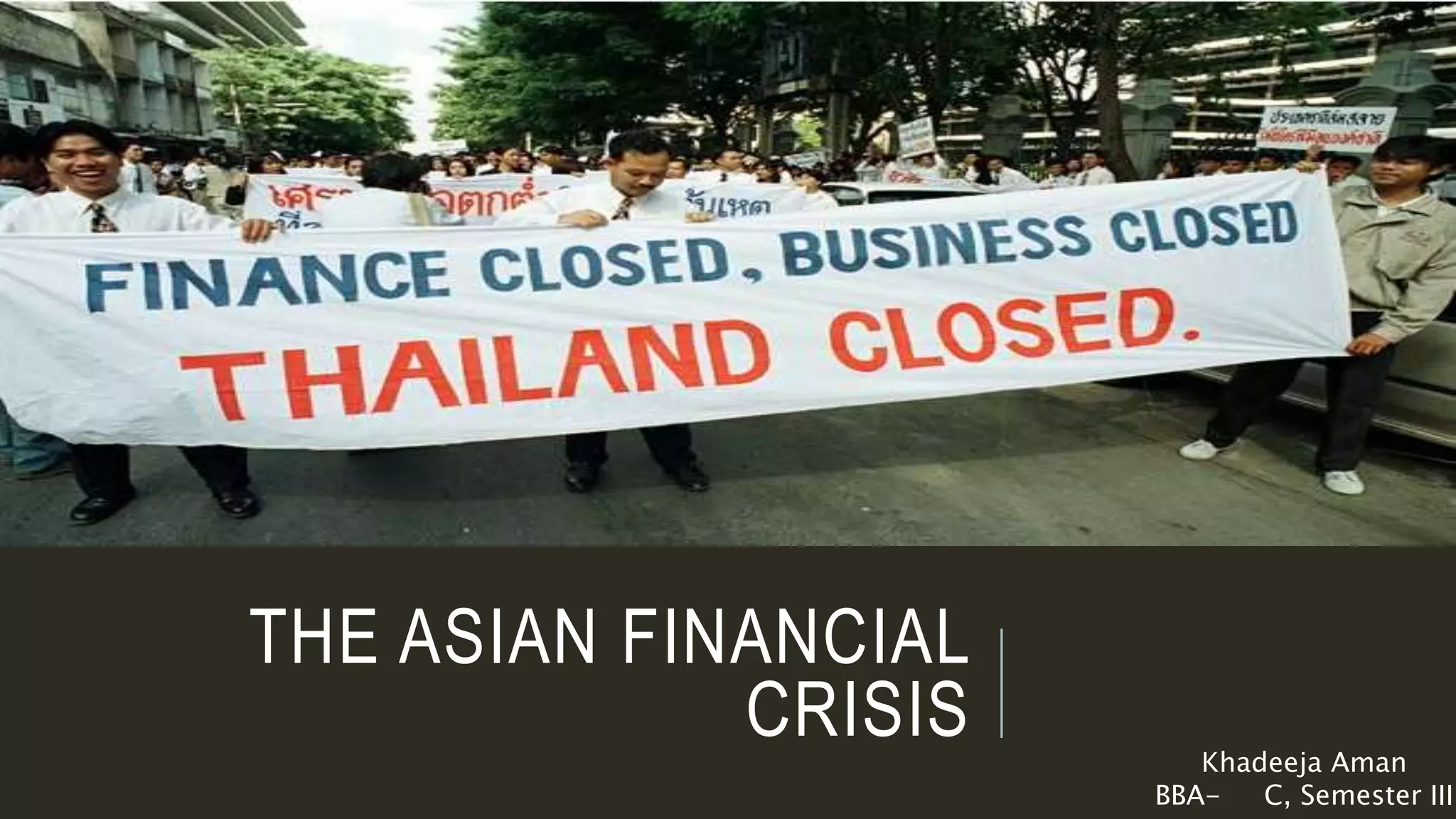
The crisis did not happen in isolation. It was part of a broader regional phenomenon known as the 1997 Asian Financial Crisis, which began with the collapse of the Thai baht in July 1997. As international investors grew wary of emerging market economies in Southeast Asia, they began to withdraw capital from the entire region, viewing it through a single lens of risk.
When the contagion reached South Korea, it exposed the structural weaknesses in the country’s financial system. As foreign creditors refused to roll over short-term loans, South Korea’s foreign exchange reserves plummeted. The Bank of Korea attempted to defend the value of the Korean Won by intervening in the currency markets, but these efforts rapidly depleted the nation’s usable foreign currency holdings. By November 1997, it became clear that Korea lacked the liquidity to meet its external debt obligations. The nation was on the verge of sovereign default, forcing the government to turn to the IMF for an emergency rescue package.
The IMF Bailout: Terms and Harsh Realities
The $58 billion bailout provided by the IMF was the largest in history at the time, but it came with rigorous and often painful conditions. The IMF mandated a structural adjustment program aimed at curbing government spending, raising interest rates to stabilize the currency, and forcing a radical overhaul of the private sector.
Key Demands of the IMF Program:
- Monetary Tightening: Interest rates were sharply increased to prevent capital flight and stabilize the Won, which inadvertently caused a severe domestic credit crunch.
- Corporate Restructuring: The government was required to end its practice of "directed lending" and force the chaebols to improve transparency and debt-to-equity ratios.
- Labor Market Flexibility: Laws were amended to make layoffs easier, as the IMF argued that rigid labor markets were preventing companies from becoming efficient.
- Financial Liberalization: Opening up the Korean capital market to greater foreign ownership, including the lifting of restrictions on foreign investment in the Korean stock market and the banking sector.
The social impact was immediate and profound. Many companies went bankrupt, unemployment rates skyrocketed from roughly 2% to nearly 7% in a single year, and the "golden era" of lifetime employment vanished.
Comparison of Economic Indicators: Pre- and Post-Crisis Context
The following table highlights the shift in key economic metrics surrounding the onset of the crisis.
| Metric | Pre-Crisis (1996) | Crisis Year (1998) | Post-Crisis (2000) |
|---|---|---|---|
| GDP Growth (%) | 7.9% | -5.5% | 9.1% |
| Unemployment (%) | 2.0% | 6.8% | 4.4% |
| External Debt (USD Billions) | $104 | $154 | $130 |
| Exchange Rate (KRW/USD) | ~800 | ~1,400 | ~1,100 |
Note: Data reflects typical annual averages observed during the period of institutional change.
The Aftermath and Long-Term Institutional Reform
The years following 1997 marked a "new beginning" for the Korean economy. The crisis forced a shift from a bank-centered, government-led economy to a more market-oriented system. Banks were forced to adopt international accounting standards, and the government reduced its interference in commercial lending decisions.
The chaebols that survived—such as Samsung, Hyundai, and LG—were forced to shed peripheral businesses, consolidate their core operations, and professionalize their management. While the human cost was immense, these reforms are credited with creating a more resilient economy that was able to weather the 2008 global financial crisis with significantly less volatility than many other developed nations.
Frequently Asked Questions
Why is the 1997 crisis called the "IMF Crisis" in Korea?
It is referred to as the "IMF Crisis" because the government sought a bailout from the International Monetary Fund. The term reflects the public perception of the loss of economic sovereignty, as the IMF’s conditionalities dictated domestic economic policy for several years.
What happened to the workers during the crisis?
The crisis led to widespread layoffs and wage stagnation. The term "IMF-stricken" entered the daily lexicon, describing a period of intense financial hardship where millions of households saw their savings evaporate and job security vanish overnight.
Did the IMF intervention save the Korean economy?
Economists remain divided. Proponents argue the IMF provided the necessary liquidity to prevent a total sovereign default. Critics argue that the high-interest-rate policy and forced austerity exacerbated the recession, turning a liquidity problem into a deeper, unnecessary economic contraction.
How did the crisis affect the chaebol system?
The crisis acted as a "survival of the fittest" filter. Many insolvent chaebols were dissolved or merged, and the surviving entities were forced to adopt stricter financial reporting requirements and reduce their reliance on unsustainable debt-financed expansion.
Is the South Korean economy still affected by 1997?
The trauma of the crisis remains part of the national psyche. The event spurred a permanent change in how the government manages foreign reserves, with South Korea now maintaining one of the world's largest foreign exchange reserve buffers to ensure it never has to request such a bailout again.
Recommendation for Further Study
To fully grasp the magnitude of the 1997 crisis, one should analyze the Financial Supervisory Service (FSS) annual reports from the early 2000s, which detail the mechanics of the corporate restructuring that followed. Those seeking to understand the human dimension may look toward archived reporting from the period, which highlights how the "Gold-Collecting Campaign"—where citizens donated personal jewelry to help pay off national debt—became a defining image of the era’s collective national resolve.
Image Gallery