Jaguars in Arizona: Understanding the Status of the Northernmost Population
Jaguars (Panthera onca) are occasionally documented in southern Arizona, representing the northernmost edge of their current range. These elusive apex predators are not a permanent, breeding population but rather dispersing individuals...
Jaguars (Panthera onca) are occasionally documented in southern Arizona, representing the northernmost edge of their current range. These elusive apex predators are not a permanent, breeding population but rather dispersing individuals, typically males, originating from core habitats in Sonora, Mexico. Conservation efforts currently focus on maintaining connectivity and monitoring these rare, intermittent visitors to protect their migration corridors.
Contents
The Historical and Biological Context
The jaguar is the third-largest cat species in the world and the only member of the genus Panthera native to the Americas. Historically, jaguars were present throughout much of the southwestern United States, including parts of Arizona, New Mexico, and Texas. However, by the mid-20th century, extensive predator control programs, loss of habitat, and human encroachment significantly reduced their presence north of the border.
In 2026, the scientific understanding of jaguars in Arizona remains centered on the concept of "dispersing individuals." Unlike a resident population that exhibits site fidelity for breeding and denning, the cats seen in Arizona are transient. They navigate through sky island mountain ranges—isolated mountain chains separated by vast desert valleys—to reach habitats that provide necessary cover, prey, and water. This movement is a testament to the biological resilience of the species and the importance of cross-border environmental connectivity.
Distinguishing Between Resident and Transient Populations
A critical point of confusion for many observers is the difference between an established breeding population and a transient visitor. As of 2026, there is no evidence of a female jaguar establishing a breeding territory in Arizona, which would be the prerequisite for a self-sustaining local population.
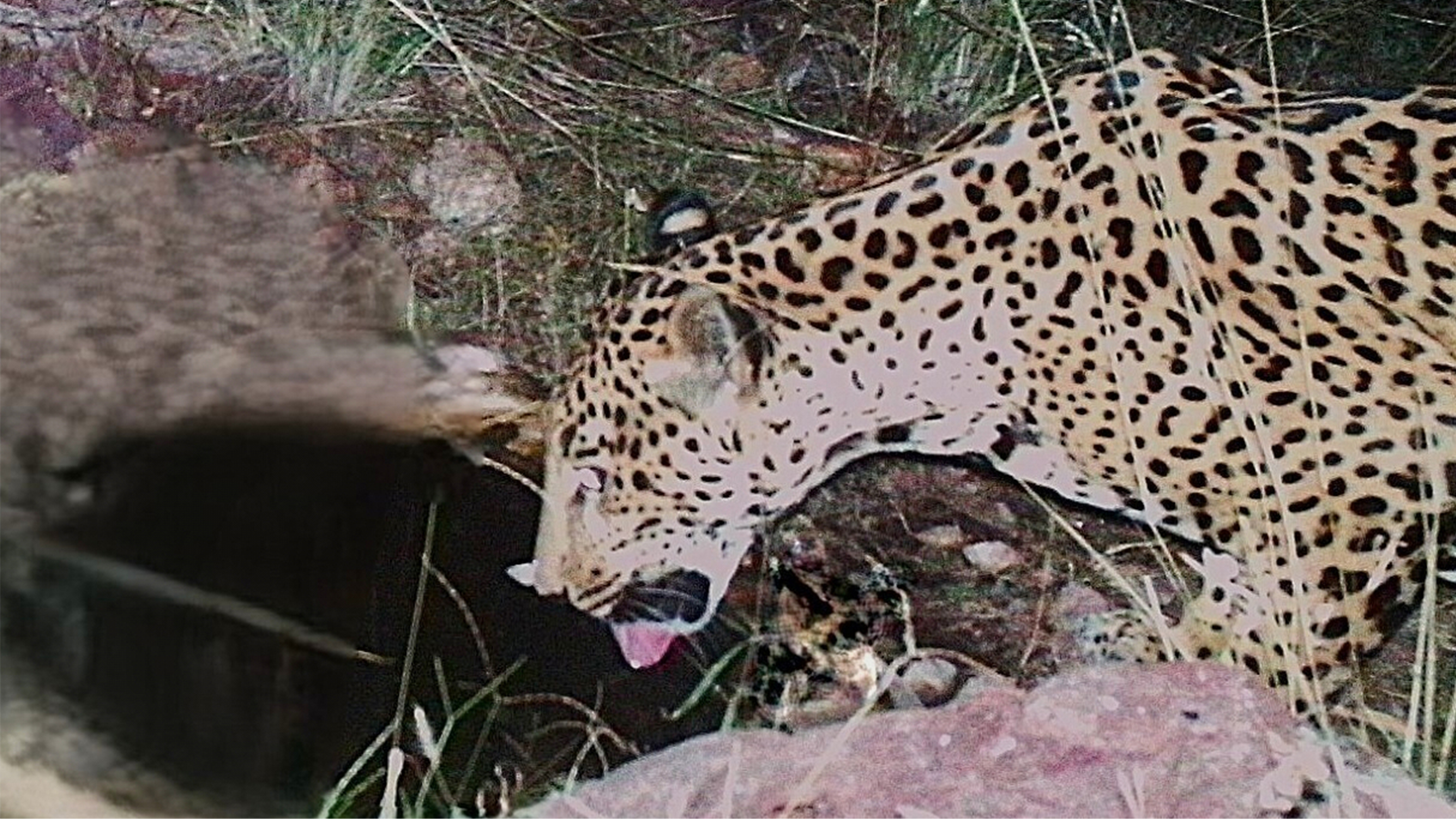
When a male jaguar travels from the Northern Jaguar Reserve in Sonora, Mexico, into Arizona, it may stay for several months or even years. These individuals are documented through motion-activated camera traps, track sightings, and, occasionally, scat analysis. Organizations such as the U.S. Fish and Wildlife Service (USFWS) and the Arizona Game and Fish Department (AGFD) collaborate to verify these sightings. While exciting for wildlife enthusiasts, the presence of one or two males does not equate to a recovered population.
Primary Factors Influencing Jaguar Presence
The occurrence of jaguars in Arizona is dictated by a specific set of ecological requirements. Understanding these helps in managing expectations regarding their frequency and distribution.
Habitat Requirements
Jaguars require a mosaic of environments. In the borderlands, this means rugged terrain with high structural complexity, such as steep canyons or dense oak-pine woodlands, which offer concealment. These areas must be connected by corridors that allow for safe passage through potentially hazardous human-dominated landscapes.
Prey Availability
Jaguars are opportunistic carnivores. Their diet typically consists of deer, javelina, and smaller mammals. The health of the ecosystem in southern Arizona, particularly the abundance of ungulates, is a primary driver for why these cats might find the area suitable for exploration.
Connectivity and Corridors
The greatest barrier to the persistence of jaguars in Arizona is the fragmentation of the landscape. Highways, border infrastructure, and urban expansion create "sinks" where mortality risk increases. Maintaining natural "linkages"—paths of undeveloped land—is essential for the movement of animals from the core Mexican population into the Sky Islands.
Monitoring and Data Verification
Since 2026, monitoring technology has evolved to allow researchers to identify individual jaguars with high precision. By analyzing the unique rosette patterns on a jaguar’s coat, scientists can match photos taken in Arizona with those in databases from Mexico. This has confirmed that several of the cats spotted in the United States are known individuals previously recorded further south.
Comparison of Monitoring Methods
| Method | Accuracy | Primary Advantage | Limitation |
|---|---|---|---|
| Camera Traps | High | Non-invasive; allows for individual ID | Random chance of placement |
| Track Identification | Moderate | Large-scale surveys possible | Requires expert field skills |
| Genetic (Scat/Hair) | Very High | Provides sex and ancestry data | Difficult to locate in arid terrain |
| Satellite Telemetry | Absolute | Real-time movement data | Expensive and difficult to collar |
Legal Status and Federal Protections
The jaguar is protected under the Endangered Species Act (ESA) in the United States. Following a petition, the USFWS designated "critical habitat" for the jaguar in 2014, covering parts of Pima, Santa Cruz, and Cochise counties. This designation does not create a federal preserve or change land ownership but does require federal agencies to ensure that their actions do not adversely modify the habitat in a way that would hinder the survival of the species.
It is important for landowners and the public to recognize that federal protection is designed to facilitate coexistence. Because the majority of jaguar-suitable habitat is on a mix of federal, state, and private lands, cooperation between stakeholders is the primary mechanism for management.
Safety and Coexistence
Encountering a large predator is a rare event, but for those living in or visiting the borderlands, awareness is necessary. Jaguars are generally shy and will avoid humans whenever possible.
- Keep Pets Secure: At night, secure domestic animals in predator-proof enclosures.
- Report Sightings: If you spot a cat or its tracks, document the location with GPS coordinates and photos if possible. Report this to the Arizona Game and Fish Department.
- Maintain Distance: Never approach, follow, or attempt to photograph a cat at close range.
- Avoid Feeding Wildlife: Providing food for deer or javelina attracts potential prey, which in turn attracts predators.
Note: For professional guidance on wildlife management on private land, consult with local AGFD wildlife biologists or the University of Arizona Cooperative Extension.
Frequently Asked Questions
Are jaguars in Arizona dangerous to humans?
Jaguars are large, powerful apex predators, but they are naturally elusive and fearful of humans. There are no recent records of unprovoked jaguar attacks on humans in the United States. They generally prioritize avoiding human contact.
Can I travel to Arizona specifically to see a jaguar?
No. Because jaguars in Arizona are sparse, transient, and extremely wary, there is no "jaguar-watching" industry or reliable way to spot one in the wild. Attempting to track them can disturb the animals and stress them during their migration.
Why do jaguars come to Arizona at all?
Jaguars are instinctive explorers. Young males often wander far from their birth range in search of new territory, mates, and prey. Arizona’s Sky Islands offer a familiar biological extension of their Mexican habitat, making them a natural destination for these dispersers.
Is the border wall affecting jaguar migration?
The border region involves complex geography. While some stretches of infrastructure have been cited by conservationists as creating potential barriers to movement, jaguars are capable of navigating rugged terrain. The impact is a subject of ongoing study by biologists evaluating permeability for large mammals.
What is the difference between a jaguar and a mountain lion?
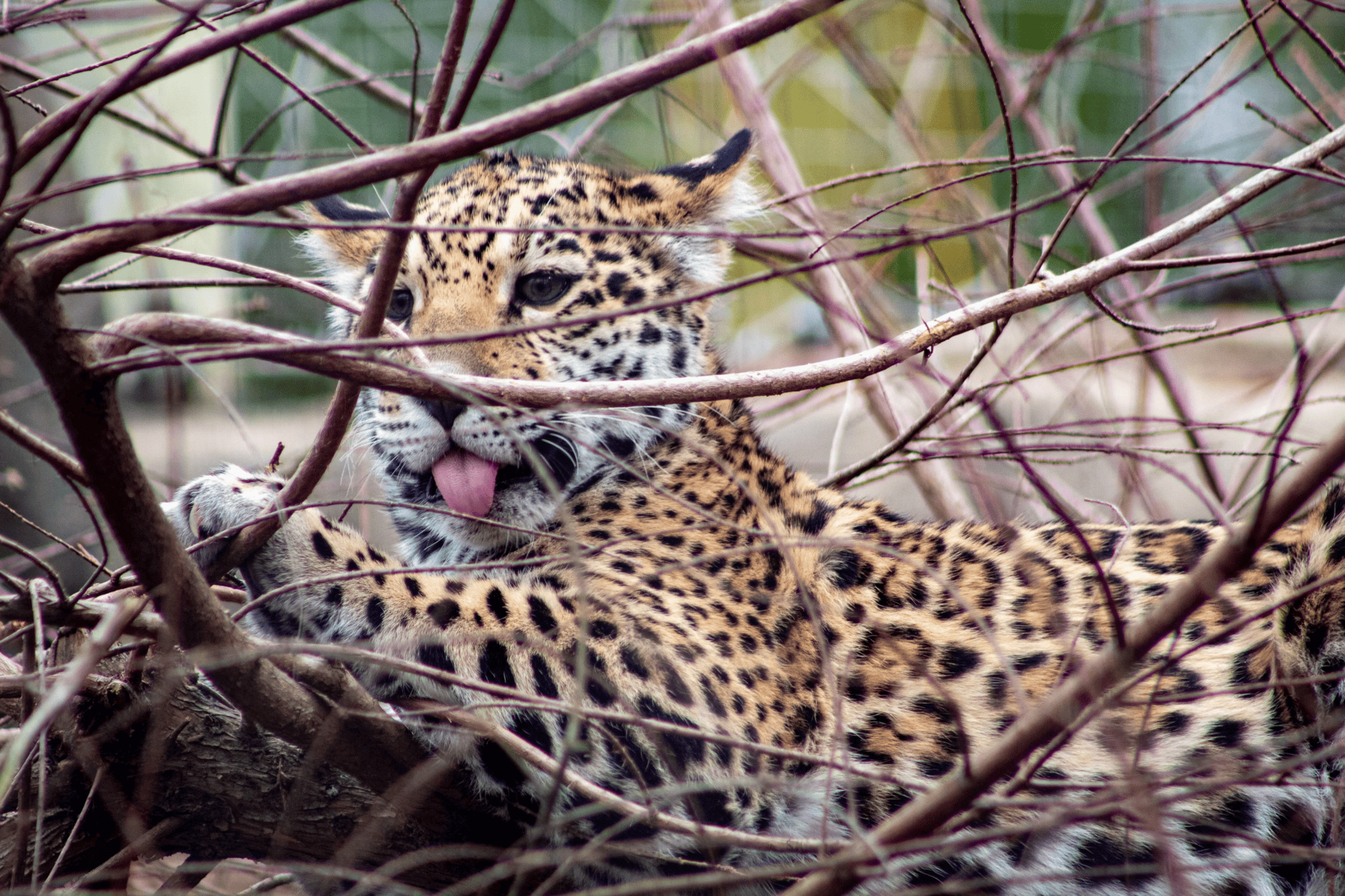
Jaguars are significantly bulkier and more muscular than mountain lions (cougars). They have a larger head and a distinct, more powerful bite. Their coat features rosettes with a central spot, whereas mountain lions have a solid tawny color.
Next Steps for Wildlife Enthusiasts
If you are interested in the conservation of jaguars in the American Southwest, the most productive action is to support regional land trusts and conservation organizations that work to protect open space and corridors in the borderlands. These entities focus on "connectivity conservation," which ensures that the pathways between the United States and Mexico remain open for a variety of species, not just the jaguar. By prioritizing the protection of riparian areas and mountain trails, you contribute to the long-term viability of the region's unique biodiversity.
Image Gallery