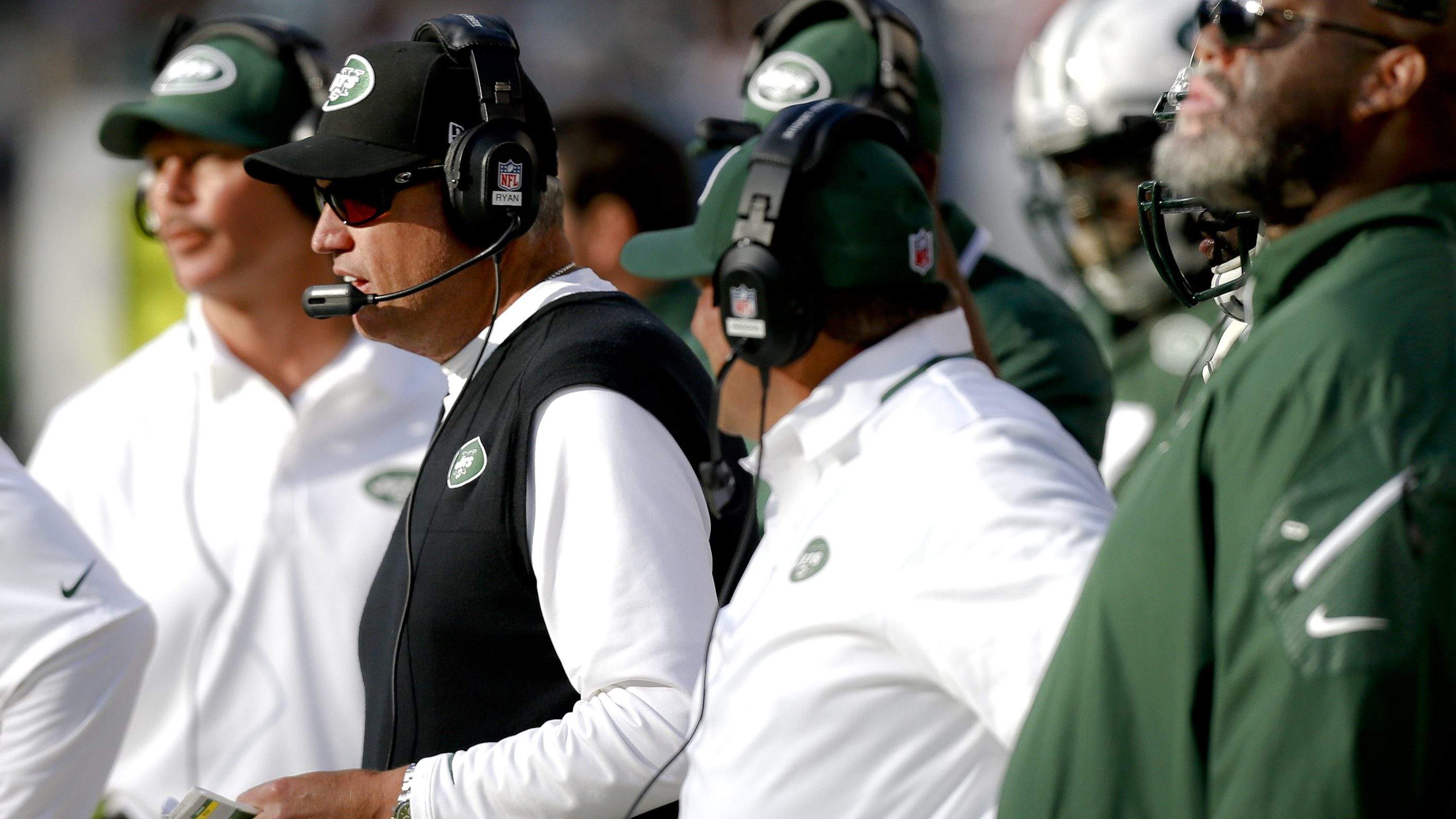
Understanding the Professional Career and Financial Profile of Karl Dunbar
Karl Dunbar has established a long-standing reputation as a highly respected defensive line coach in American football, spanning several decades across both the collegiate and professional ranks. While specific, private financial detai...
Karl Dunbar has established a long-standing reputation as a highly respected defensive line coach in American football, spanning several decades across both the collegiate and professional ranks. While specific, private financial details such as an individual’s exact net worth are not matters of public record, his professional earnings are derived from a multi-decade tenure coaching at the highest levels of the sport, including the National Football League (NFL) and prominent Power Five collegiate programs.
Contents
The Professional Foundation of Karl Dunbar
To understand the financial trajectory of a career coach like Karl Dunbar, one must first look at the structure of coaching compensation in elite athletics. Dunbar’s career began in the early 1990s, with significant stints at institutions such as Louisiana State University (LSU), Oklahoma State, and the University of Alabama. In the world of high-level college football, compensation for assistant coaches—particularly those specializing in defensive line play at programs with massive athletic budgets—has risen sharply over the last twenty years.
Dunbar’s career is defined by his ability to develop talent in the trenches. His reputation was cemented through his time at LSU, where he served under Nick Saban, and his subsequent move to the NFL, where he coached for organizations including the Chicago Bears, Minnesota Vikings, New York Jets, and the Pittsburgh Steelers. NFL assistant coaching salaries vary significantly based on tenure, the coach’s reputation for player development, and the overall success of the defensive unit. As a coach with a track record of developing All-Pro caliber talent, Dunbar has consistently operated in the upper echelons of his profession.
Estimating Career Compensation in Elite Coaching
Calculating the net worth of a career coach involves aggregating decades of salary data, bonuses, and potential performance incentives. Unlike players who receive high-value signing bonuses and shorter, massive contracts, coaches typically operate on longer-term employment agreements that provide stable, high-level income.
The financial profile of an NFL assistant coach is influenced by several critical factors:
- Experience Tier: Coaches with 20+ years of experience, like Dunbar, occupy a premium salary bracket.
- Institutional Budgeting: Programs such as Alabama or professional organizations like the Pittsburgh Steelers maintain some of the highest payrolls for coaching staffs in the world, often inflating the average market value for their staff.
- Tenure and Stability: Remaining employed at the highest level for over two decades signifies sustained market value. Frequent transitions between organizations often come with salary increases as teams compete to secure experienced technical coaches.
While celebrity financial tracking websites often provide speculative estimates, these figures rarely account for tax liabilities, management fees, investment returns, or the significant cost of living adjustments required for high-profile coaching staff. In the context of 2026, the financial standing of a coach with Dunbar’s resume reflects a lifetime of high-earning contracts, consistent pension contributions through the NFL and university retirement plans, and the compounding growth of assets accumulated over a long career.
Comparative Compensation Benchmarks
The following table illustrates the typical compensation structure for high-level defensive line coaches in major professional and collegiate football environments.
| Role Level | Estimated Salary Range (Annual) | Primary Revenue Factors |
|---|---|---|
| Collegiate Assistant | $300,000 – $800,000+ | Recruitment success, program revenue, tenure |
| NFL Assistant | $500,000 – $1,200,000+ | Team payroll, defensive ranking, experience |
| Coordinator / Specialized | $1,000,000 – $2,500,000+ | Strategic impact, leadership responsibility |
Note: These figures represent industry averages for high-level programs and organizations and are intended to provide context regarding the pay scale of the coaching profession rather than the specific earnings of an individual.
Financial Planning for Professional Coaches
For coaches like Karl Dunbar, financial management is less about high-risk speculation and more about long-term wealth preservation. The nature of coaching contracts—which are often subject to "buyouts" or early termination if a head coach is replaced—requires a cautious approach to asset allocation.
Most long-term NFL coaches utilize specialized financial planners who focus on:
- Tax-Advantaged Retirement Vehicles: Maxing out 401(k) plans and NFL-specific pension funds that vest after a certain number of accrued seasons.
- Asset Diversification: Moving beyond primary income into real estate or passive investment portfolios, which is standard practice for individuals in high-turnover industries like professional sports.
- Insurance and Liability: Given the public nature of the role, high-net-worth professionals often invest in comprehensive liability coverage and estate planning to protect assets for family members.
Evaluating Career Impact on Net Worth
The primary driver of net worth for a veteran coach is the "consistency premium." A coach who stays employed in the NFL for 15+ years earns not only a base salary but also benefits from the institutional knowledge and professional networks that lead to ongoing employment.
When analyzing the financial success of a career in the NFL, it is essential to consider the "coaching carousel." The professional lifespan of a coach can be shorter than that of a player, but those who succeed in maintaining long-term roles, as Dunbar has, accumulate significant capital. By 2026, the cumulative total of two decades of high-level professional contracts would place a coach in the top percentile of earners in the sports management sector.
Frequently Asked Questions
Does a coach's net worth fluctuate based on team performance? While base salaries are typically guaranteed for the duration of a contract, team performance impacts bonuses and the ability to negotiate higher-value contracts in the future. Successful teams often receive "pool" bonuses, and coordinators are frequently poached by other teams with more lucrative offers.
Do NFL coaches have access to the same pension plans as players? Yes, the NFL provides a comprehensive pension and retirement plan for eligible coaches and staff. Eligibility is based on the number of "credited seasons" worked within the league. Long-tenured coaches like Dunbar benefit significantly from these structured retirement programs.
How is a coach's salary determined in the NFL? Salaries are determined by negotiation between the coach and the organization’s general manager or ownership. Factors include the coach’s past success, the demand for their specific defensive scheme, and the team's overall budget for coaching staff.
Are there public records of a coach's exact net worth? No. In the United States, net worth is private information. Any specific dollar amount cited online regarding an individual's net worth is an estimate based on assumptions about career earnings and should not be considered an official or verified financial statement.
What is the most significant financial challenge for professional coaches? The most significant challenge is the lack of long-term job security. Because head coaching changes often result in the firing of the entire subordinate staff, coaches must maintain a high level of liquid assets to navigate periods of unemployment or relocation between jobs.
Next Steps for Understanding Financial Literacy in Sports
If you are researching the financial side of the sports industry for educational or professional purposes, it is recommended to review the NFL Collective Bargaining Agreement (CBA) as it relates to staff benefits or to consult resources provided by the American Football Coaches Association (AFCA), which occasionally publishes data on industry standards and career development paths. Focusing on the structured nature of athletic contracts provides a clearer picture of how high-level professional success translates into long-term financial stability.
Image Gallery