How Nonprofit Debt Management Programs Work: A Comprehensive Guide
Nonprofit debt management programs (DMPs) are structured repayment plans facilitated by credit counseling agencies to help individuals consolidate unsecured debt into a single, monthly payment. By negotiating reduced interest rates and...
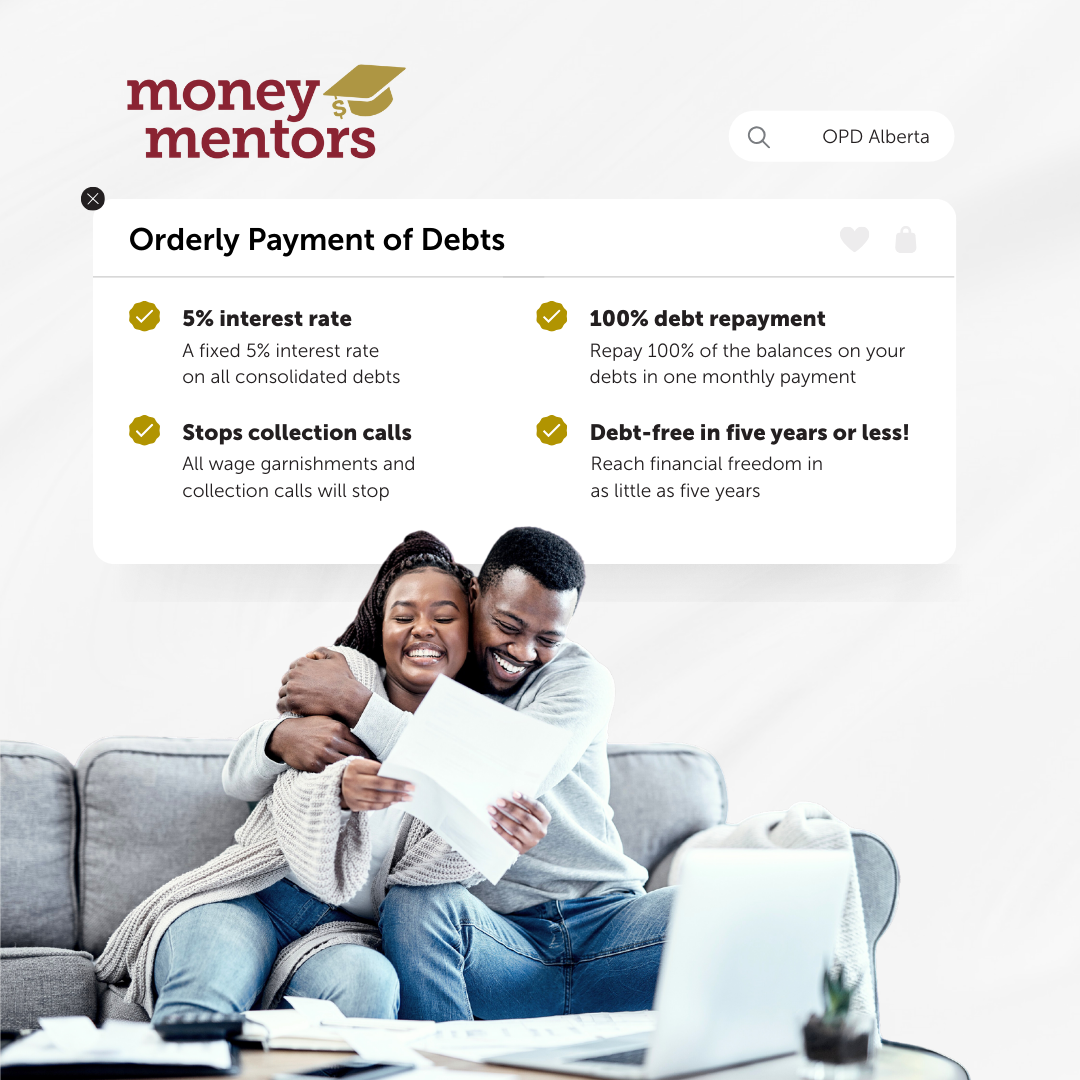
Nonprofit debt management programs (DMPs) are structured repayment plans facilitated by credit counseling agencies to help individuals consolidate unsecured debt into a single, monthly payment. By negotiating reduced interest rates and waived fees with creditors, these programs aim to accelerate debt repayment, often allowing participants to become debt-free within three to five years without requiring new loans.
Contents
Understanding the Role of Credit Counseling Agencies
Nonprofit debt management is administered by credit counseling agencies, many of which are designated as 501(c)(3) organizations. Unlike for-profit debt settlement companies that may advise you to stop paying creditors, legitimate nonprofit credit counselors act as intermediaries between you and your lenders. Their primary function is to manage the logistics of your repayment plan and advocate for concessions that you might struggle to negotiate individually.
To operate legally and maintain their nonprofit status, these organizations must comply with federal regulations, including those enforced by the Consumer Financial Protection Bureau (CFPB) and state-level oversight bodies. Most reputable agencies are members of national associations such as the National Foundation for Credit Counseling (NFCC) or the Financial Counseling Association of America (FCAA). These bodies establish accreditation standards, ensuring counselors are certified and that the agency adheres to ethical financial practices.
The Lifecycle of a Debt Management Program
The process of enrolling in and completing a debt management program is standardized to ensure transparency and accountability. While specific internal procedures vary by agency, the lifecycle generally follows these distinct phases:
- Initial Consultation: A certified counselor reviews your total financial picture, including income, expenses, and a full list of your debts. This assessment determines whether a DMP is the most effective tool for your situation or if other options, such as budgeting adjustments or bankruptcy, are more appropriate.
- Proposal Formulation: If a DMP is deemed suitable, the agency contacts your creditors. They present a proposal to lower your interest rates—often significantly—and eliminate late fees or over-limit penalties.
- Plan Approval and Enrollment: Creditors review the proposal. Because these agencies have pre-existing "Fair Share" agreements or long-standing relationships with most major banks and credit card issuers, creditors are often willing to accept these terms if it ensures a reliable repayment schedule.
- Consolidated Payments: Once the plan is active, you stop making individual payments to your creditors. Instead, you make one single, larger deposit into a dedicated account managed by the credit counseling agency. The agency then distributes these funds to your creditors on your behalf.
- Monitoring and Completion: Throughout the program, you receive regular statements. The counselor remains available for ongoing financial education, helping you adjust your spending habits so that you do not incur new debt while paying down the old.
Financial Impact and Technical Considerations
The technical utility of a DMP lies in its ability to alter the mathematical trajectory of your debt. By lowering interest rates—which can sometimes drop from 25% or higher down to 0%–10%—a greater portion of your monthly payment is applied to the principal balance rather than interest.
It is important to understand the operational limitations. Most DMPs exclusively cover unsecured debt, such as credit cards, personal loans, and medical bills. Secured debts, such as mortgages or auto loans, are generally excluded because they are tied to collateral that you must continue to pay directly to remain in possession of the asset.
Furthermore, most creditors require that the credit cards enrolled in the program be closed upon entry. This is a critical technical constraint: closing accounts impacts your "age of credit" and total available credit, which may lead to a temporary dip in your credit score. However, many participants find that the long-term benefit of consistent on-time payments and the eventual elimination of high-interest debt leads to a stronger financial profile over the multi-year duration of the program.
Comparative Overview: DMP vs. Other Debt Strategies
| Feature | Nonprofit DMP | Debt Settlement | Bankruptcy (Chapter 13) |
|---|---|---|---|
| Primary Goal | Repay in full with lower rates | Reduce the total balance | Court-mandated repayment |
| Fees | Low, regulated monthly fees | High (percentage of debt) | Legal and court filing fees |
| Credit Impact | Moderate (temporary) | Severe (long-term) | Severe (long-term) |
| Success Rate | High (with discipline) | Variable/Risk-heavy | High (legally enforced) |
Prerequisites and Eligibility
Not every borrower is a candidate for a debt management program. Agencies look for evidence of "repayment ability." You must demonstrate that your current income is sufficient to cover your living expenses plus the proposed consolidated payment. If you have zero discretionary income, a DMP may not be viable, and the counselor may direct you toward insolvency services.
Documentation required typically includes:
- Most recent pay stubs or proof of income.
- Statements for all unsecured debts.
- A summary of monthly living expenses (rent/mortgage, utilities, food, transport).
- A list of any existing assets.
Troubleshooting and Common Pitfalls
The most common reason for failure in a debt management program is the "maintenance phase" struggle. Participants often find it difficult to live on a restricted budget while simultaneously paying off past debt. To troubleshoot this, engage frequently with your assigned counselor. If you experience an unexpected financial emergency, contact the agency immediately—do not simply stop making your deposit, as this can cause your creditors to void the favorable interest rate concessions.
Another pitfall is the misconception that a DMP will fix a low credit score overnight. A DMP is a recovery tool for repayment; it is not a credit repair service. Your credit score will improve as your utilization ratio decreases and your payment history remains perfect, but this is a gradual process that tracks with your progress toward debt elimination.
Frequently Asked Questions
1. Does a debt management program ruin my credit score? A DMP does not directly report to credit bureaus as a negative event. While closing credit cards can influence your score by reducing your total available credit, the primary effect of the program is positive: you are consistently paying off debt on time, which is the most significant factor in credit scoring models.
2. Can I choose which debts to include? Most agencies require you to include all unsecured credit cards to qualify for the negotiated interest rate concessions. Creditors are generally unwilling to provide favorable terms if they believe you are "cherry-picking" which accounts to pay off while continuing to use others.
3. How much do nonprofit DMPs cost? Fees are typically modest, often ranging between $25 and $50 per month, depending on the state of residence and your specific financial situation. These fees are used by the agency to cover administrative overhead. Legitimate nonprofits are required to waive or reduce these fees if you prove financial hardship.
4. How long does a debt management program take? Most programs are structured to last between 36 and 60 months. This timeframe is calculated based on your total debt load and your ability to make a sustainable monthly payment.
5. Are debt management programs the same as debt settlement? No. Debt settlement involves stopping payments to creditors to force them to accept a lump-sum offer that is less than the total balance owed. This is extremely damaging to credit scores and carries significant legal and financial risks. Debt management is a voluntary, structured repayment plan that pays back 100% of the principal.
Next Actions
If you are struggling with high-interest debt, your first step should be to contact an accredited agency, such as those affiliated with the National Foundation for Credit Counseling (NFCC). Prepare your financial documents, schedule a free counseling session, and approach the conversation with a willingness to adjust your monthly budget. By choosing a nonprofit path, you ensure that your financial recovery is managed by entities focused on your long-term stability rather than profit-driven debt collection tactics.
Image Gallery