How the Behavioral Interview STAR Method Works in Practice
The STAR method—Situation, Task, Action, and Result—is a structured technique designed to answer behavioral interview questions by providing a concise, evidence-based narrative of past performance. In practice, it allows candidates to...
The STAR method—Situation, Task, Action, and Result—is a structured technique designed to answer behavioral interview questions by providing a concise, evidence-based narrative of past performance. In practice, it allows candidates to demonstrate specific competencies, such as leadership or problem-solving, by transforming vague anecdotes into measurable professional achievements.
Contents
The Evolution of Behavioral Interviewing in 2026
By 2026, the landscape of professional recruitment has shifted significantly toward evidence-based hiring. While technical skills remain a prerequisite, "soft skills" or durable skills—such as adaptability, emotional intelligence, and critical thinking—are the primary differentiators in a competitive labor market. Employers now rely heavily on behavioral interviewing to predict future performance based on past actions.
The STAR method remains the gold standard because it aligns with the cognitive processes recruiters use to evaluate candidates. In a modern interview setting, whether it is a face-to-face meeting, a virtual call, or an AI-monitored asynchronous assessment, providing a structured response ensures that no critical information is omitted. In practice, the STAR method functions as a storytelling framework that satisfies the recruiter's need for context, personal agency, and quantifiable impact.
Deconstructing the STAR Framework
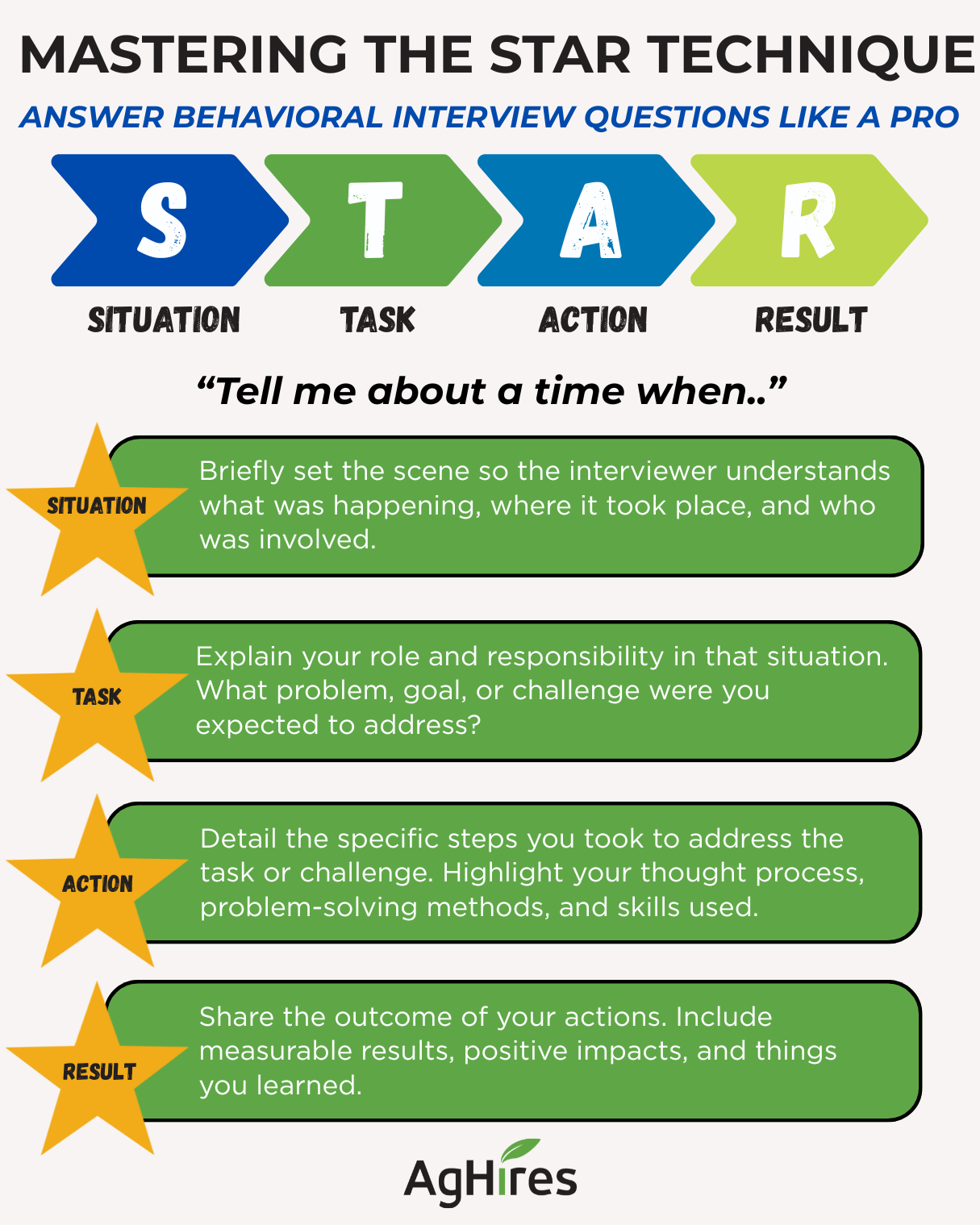
To use the STAR method effectively, one must understand that each component serves a specific strategic purpose. A common mistake is spending too much time on the background and not enough on the specific actions taken.
Situation: Setting the Stage
The Situation establishes the context for your story. In practice, this should be a brief overview of the environment or the specific challenge you faced. It provides the "where" and "when." For example, instead of saying "I once had a difficult client," a strong situational opening would be: "In the third quarter of 2025, while managing a high-priority software implementation for a healthcare provider, we encountered a major integration bottleneck."
Task: Defining the Objective
The Task describes your responsibility in that situation. It clarifies the goal you were working toward or the problem that needed solving. This section should be concise—typically one or two sentences. It bridges the gap between the problem (Situation) and your response (Action). It identifies what was at stake and what success looked like in that moment.
Action: The Core of the Response
The Action is the most critical part of the STAR method. This is where you explain exactly what you did to address the situation. In practice, many candidates fall into the trap of using "we" to describe team efforts. To be effective, you must focus on "I." Even in a team setting, the interviewer is hiring you, not the team. You should detail the specific steps you took, the tools you used, and the rationale behind your decisions.
Result: The Proof of Success
The Result is the payoff. This section demonstrates the value you brought to the organization. In 2026, high-level recruiters look for results that are quantified and qualified. Did you save money? Increase efficiency? Resolve a conflict? Whenever possible, use hard data, percentages, or specific feedback from stakeholders to validate your success.
Practical Application: The STAR Method in Action
To understand how the STAR method works in a real-world scenario, consider a candidate interviewing for a project management role. When asked, "Tell me about a time you had to manage a project with a shrinking budget," a practiced STAR response would look like this:
- Situation: "Last year, my department's budget for the 'Project Aurora' launch was unexpectedly cut by 20% midway through the development cycle due to a company-wide reallocation of funds."
- Task: "As the lead project manager, my goal was to deliver the full feature set on the original timeline without compromising quality or exceeding the new, reduced budget."
- Action: "I conducted a comprehensive audit of our external vendor contracts and identified three areas where we could bring work in-house. I renegotiated the terms with our primary cloud provider, securing a 10% discount in exchange for a longer-term commitment. Simultaneously, I reorganized the sprint schedule to prioritize core features, ensuring the Minimum Viable Product (MVP) remained robust."
- Result: "We launched the project on time and stayed 2% under the revised budget. The efficiency gains from the in-house transition resulted in a permanent $50,000 annual cost saving for the department."
This response is effective because it moves quickly through the context and focuses on the candidate's specific strategic maneuvers and the tangible outcome.
Comparison: Common Pitfalls vs. STAR Best Practices
The following table highlights the differences between a standard, unstructured response and an expert-level application of the STAR method.
| Feature | Unstructured Response (Common Pitfalls) | STAR Method Practice (Best Practices) |
|---|---|---|
| Focus | Focuses on the team or the "vibe" of the office. | Focuses on individual contribution and "I" statements. |
| Duration | Often rambles, taking 5+ minutes to explain context. | Concise; usually 2–3 minutes total with a 10% focus on context. |
| Data Usage | Uses vague terms like "improved" or "helped." | Uses specific metrics, percentages, and dollar amounts. |
| Clarity | Leaves the interviewer wondering what the candidate actually did. | Provides a clear roadmap of problem-to-solution logic. |
| Relevance | Shares a "good story" that may not align with the role. | Tailors the story to demonstrate a specific job competency. |
Why "Action" and "Result" Carry the Most Weight
In the current professional climate, organizations are increasingly risk-averse. They want to see a proven track record of execution. This is why the Action and Result phases of your response should comprise roughly 70% of your total speaking time.
When describing your actions, utilize "power verbs" and technical terminology relevant to your field. For instance, in a data science role, instead of saying "I looked at the data," you might say, "I utilized Python-based predictive modeling to identify churn patterns." This demonstrates both the "how" and the technical proficiency required for the role.
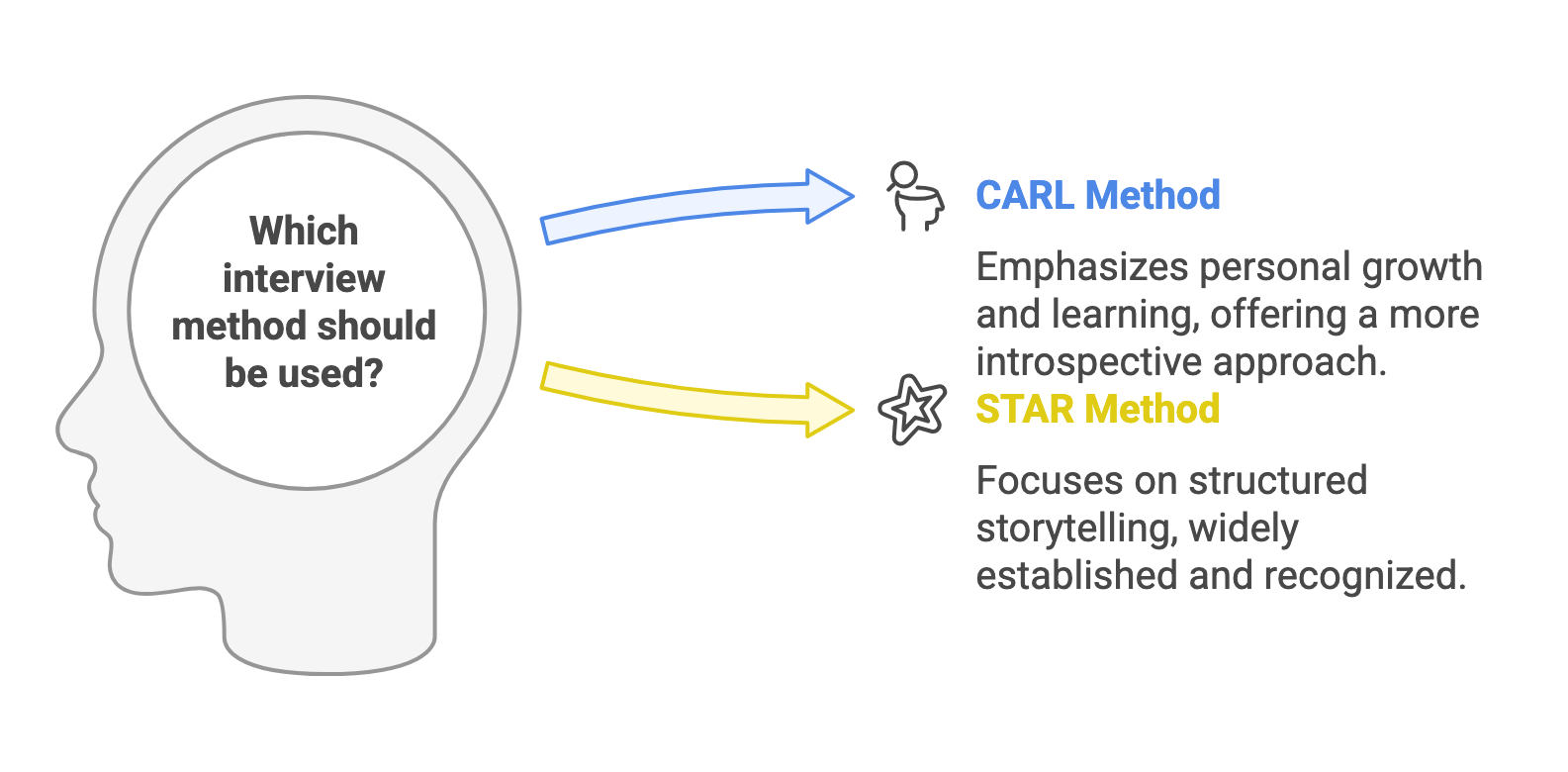
The Result phase should ideally end your answer on a high note. If the result was not a total success, the STAR method can still be used to demonstrate Reflection and Growth. In practice, this is often called the "STAR-L" method, where the "L" stands for "Learning." If a project failed despite your best efforts, explaining what you learned and how you applied that knowledge to future projects shows a high level of professional maturity.
Preparing Your STAR Stories for 2026 Interviews
Effective use of the STAR method does not happen by accident; it requires rigorous preparation. Follow these steps to build a library of stories that you can deploy during an interview.
- Analyze the Job Description: Identify the core competencies the employer is seeking. Are they looking for leadership, technical troubleshooting, conflict resolution, or innovation?
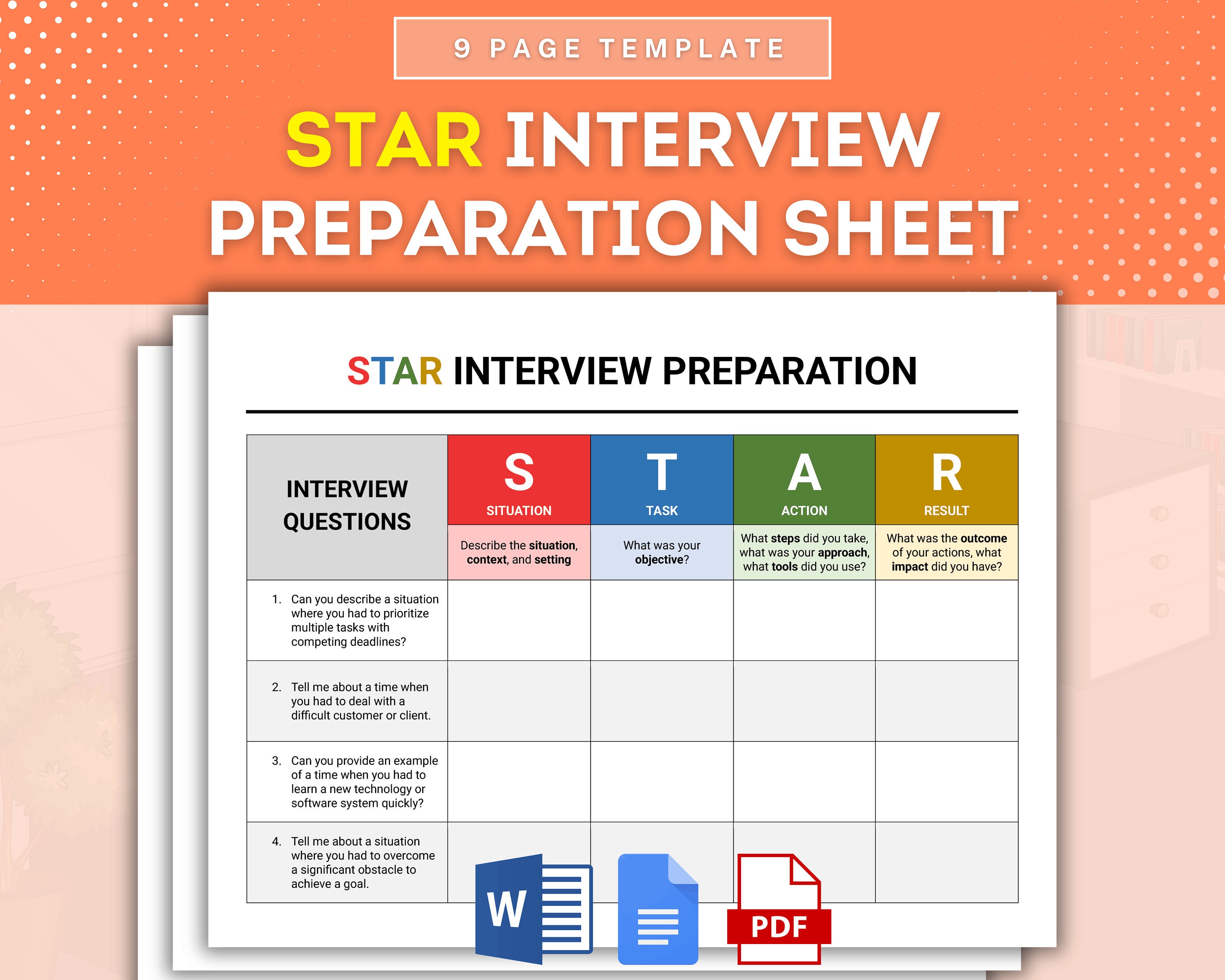
- Map Stories to Competencies: Create a grid. On one side, list the required skills. On the other, list 5–7 "career wins" or significant challenges you have navigated.
- Draft Your STAR Responses: Write out your responses using the STAR structure. Read them out loud to ensure they flow naturally and stay within the 2-to-3-minute window.
- Quantify Everything: Go back through your "Result" sections and add numbers. If you don't have exact figures, provide a range or a relative comparison (e.g., "the fastest delivery in the quarter").
- Practice for AI Filters: As of 2026, many initial screenings are conducted by AI. These systems look for keywords and logical progression. Using the STAR structure ensures your response is "legible" to both human recruiters and algorithmic assessments.
The Role of Psychology in Behavioral Interviewing
The STAR method works because it taps into the Psychology of Behavioral Consistency, a principle suggesting that the best predictor of future behavior is past behavior in similar circumstances. When you provide a STAR response, you are giving the interviewer a "work sample" in narrative form.
By detailing your specific actions, you allow the interviewer to visualize you in the role. This reduces the hiring manager's perceived risk. According to the Society for Human Resource Management (SHRM), behavioral questions are significantly more effective at identifying high-performing candidates than traditional questions like "Where do you see yourself in five years?" because they require concrete evidence rather than hypothetical speculation.
Adapting STAR for Different Formats
While the core of the STAR method remains consistent, the delivery may change based on the interview format:
- Virtual Interviews: Maintain eye contact with the camera, not the screen. Keep your STAR stories slightly more concise, as digital attention spans are often shorter.
- Executive Interviews: Focus heavily on the "Result" and its impact on the broader organization's bottom line or strategic goals.
- Technical Interviews: Use the "Action" phase to explain your technical stack and architectural decisions.
- Peer Interviews: Focus on the "Action" phase as it relates to collaboration, communication, and team dynamics.
Frequently Asked Questions
What if I don't have a direct answer to a behavioral question?
In practice, it is better to use a related experience than to say you don't have one. Choose a story that demonstrates the skill being asked about, even if the context is different. Use the STAR method to show how you applied that skill to reach a successful result.
How many STAR stories should I prepare?
For a standard interview in 2026, preparing 6 to 8 versatile stories is recommended. Most behavioral questions are variations of common themes (conflict, failure, success, leadership). A single well-prepared story can often be adapted to answer multiple different questions.
Can I use the STAR method for my resume?
Yes. Modern resumes benefit greatly from the STAR structure, particularly in the "Professional Experience" section. By writing bullet points as "Action + Result," you make your resume more impactful and easier for Applicant Tracking Systems (ATS) to parse.
What should I do if a story has a negative result?
Focus on the "Action" and the "Learning." Explain the proactive steps you took to mitigate the damage and what specific changes you implemented in your workflow to ensure the mistake was not repeated. Employers value resilience and the ability to learn from setbacks.
Is the STAR method still relevant with the rise of AI hiring?
The STAR method is more relevant than ever. AI hiring tools are trained to identify structured, logical, and evidence-based communication. A STAR-formatted response provides the clear "data points" that AI models use to score candidate responses for clarity and competency.
Master the Framework for Professional Success
Mastering the STAR method is less about memorizing scripts and more about internalizing a logic for professional communication. When you can instinctively categorize your experiences into Situations, Tasks, Actions, and Results, you become a much more persuasive advocate for your own career.
The next step is to begin auditing your recent projects. Identify three significant challenges you faced in the last year and draft them into the STAR format. Practice these stories with a colleague or record yourself to refine your timing. In the high-stakes environment of 2026 recruitment, the ability to clearly articulate your value through the STAR framework is often the deciding factor in securing a top-tier position.
Image Gallery