Understanding NerdWallet Net Worth in 2026: Financial Standing and Market Valuation
NerdWallet's net worth and financial standing in 2026 are defined by its position as a publicly traded personal finance platform, shaped by digital advertising trends, consumer credit market conditions, and its ongoing transition towar...
NerdWallet's net worth and financial standing in 2026 are defined by its position as a publicly traded personal finance platform, shaped by digital advertising trends, consumer credit market conditions, and its ongoing transition toward fee-based advisory services. Evaluating the company's valuation requires analyzing its market capitalization, revenue streams, balance sheet health, and macroeconomic pressures influencing the fintech sector.
Contents
The Evolution of NerdWallet as a Public Company
Founded in 2009 by Tim Chen and Jacob Gibson, NerdWallet began as a modest credit card comparison tool designed to help consumers navigate complex financial products. Over more than a decade, the platform expanded into a comprehensive personal finance ecosystem, offering comparison engines for mortgages, insurance policies, investing accounts, personal loans, and banking products.
The company reached a major corporate milestone in November 2021 when it completed its initial public offering (IPO) on the Nasdaq stock exchange under the ticker symbol NRDS. Going public provided NerdWallet with institutional capital to fund acquisitions, such as its purchase of the UK-based comparison site Inspop in 2023, which facilitated its expansion into international markets like the United Kingdom and Canada.
However, public market valuation is volatile. Like many technology and financial media companies, NerdWallet's market capitalization has fluctuated significantly since its debut. These shifts reflect broader economic changes, including fluctuating interest rate environments set by central banks, shifts in digital marketing expenditures by financial institutions, and evolving search engine optimization (SEO) landscapes that dictate user acquisition costs.
Key Drivers of Corporate Net Worth and Valuation
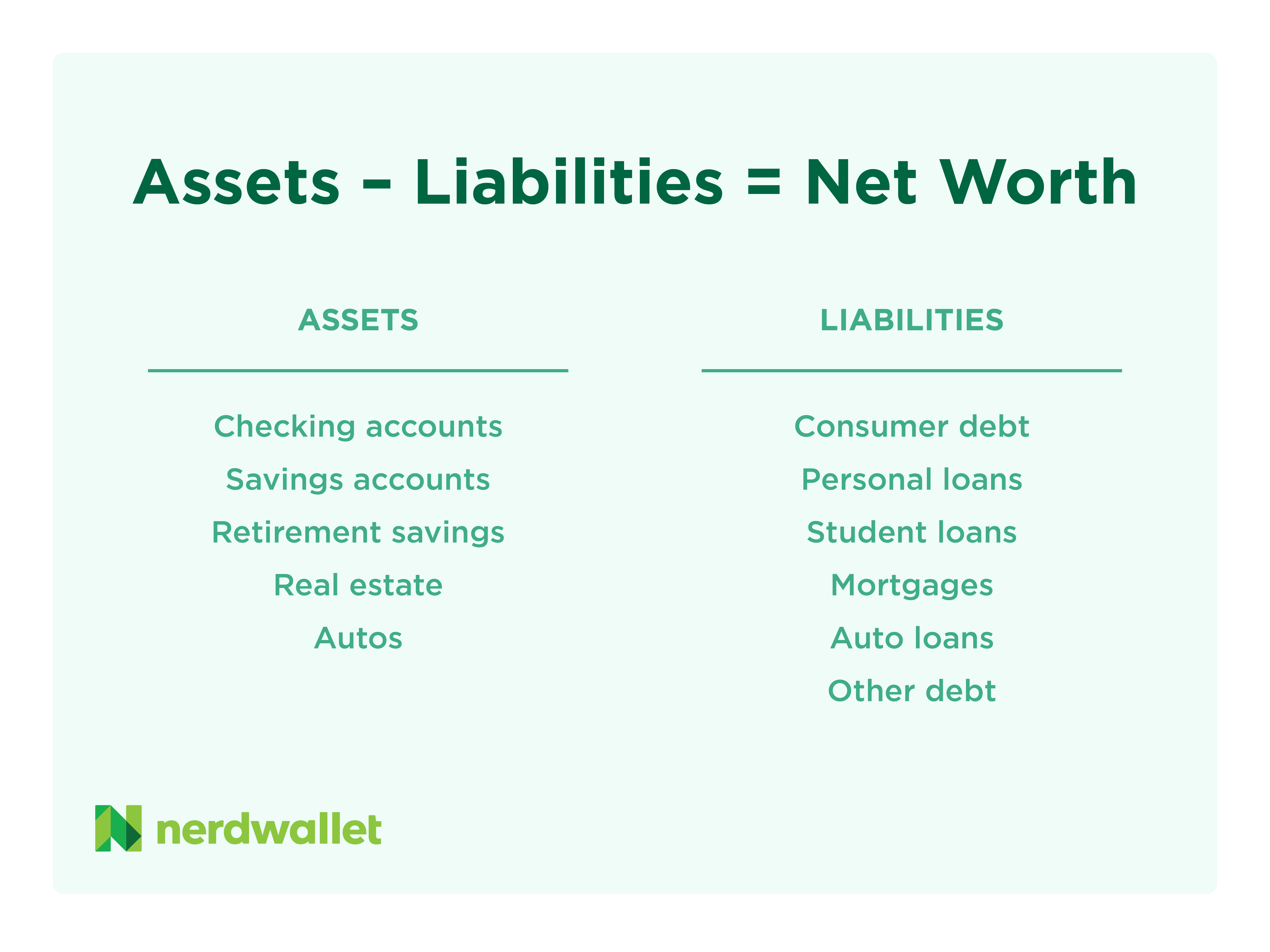
In corporate finance, "net worth" for a publicly traded company is most accurately represented by its market capitalization—the total dollar market value of a company's outstanding shares of stock—alongside its net book value derived from its balance sheet. Several primary metrics drive NerdWallet’s financial evaluation:
- Market Capitalization: Calculated by multiplying the total number of outstanding shares by the current share price. This figure fluctuates daily based on investor sentiment and quarterly earnings reports.
- Revenue Diversification: NerdWallet historically relied heavily on credit card and loan referral fees. To stabilize its financial standing, the company has diversified into insurance, SMB (small and medium-sized business) products, and premium financial advisory tools.
- Traffic Acquisition and SEO Performance: As a digital publisher and lead generator, NerdWallet’s top-line revenue is directly correlated with organic search visibility. Changes in search engine algorithms heavily impact user acquisition and, consequently, enterprise value.
- Profitability and Free Cash Flow: Beyond top-line revenue growth, institutional investors closely examine Adjusted EBITDA (Earnings Before Interest, Taxes, Depreciation, and Amortization) and net income to gauge operational efficiency.
Financial Performance and Balance Sheet Health
Analyzing NerdWallet's financial stability involves reviewing its quarterly and annual reports filed with the U.S. Securities and Exchange Commission (SEC). The company's balance sheet typically reflects cash and cash equivalents, marketable securities, and manageable levels of operating liabilities, allowing it to navigate economic downturns without excessive leverage.
When interest rates rise, consumer demand for certain financial products—such as mortgages and personal loans—often contracts. This contraction can temporarily compress referral revenues from banking partners. Conversely, high-rate environments frequently increase consumer interest in high-yield savings accounts and certificate of deposit (CD) comparisons, partially offsetting declines in lending verticals.
To maintain a healthy net worth and shareholder value, the management team focuses on disciplined capital allocation, strategic marketing investments, and scaling proprietary software platforms that reduce dependence on third-party data providers.
Summary of Financial Valuation Metrics
| Metric Category | Description | Significance to Net Worth |
|---|---|---|
| Market Capitalization | Total value of all outstanding shares | Directly measures public equity value |
| Cash & Equivalents | Liquid assets held on the balance sheet | Provides operational runway and M&A capacity |
| Referral Revenue | Commissions from credit cards, loans, and insurance | Core driver of top-line cash flow |
| Operating Expenses | Technology, marketing, and headcount costs | Determines net margins and profitability |
Competitive Landscape and Market Positioning
NerdWallet operates in a highly competitive digital finance landscape. It contends with established financial media companies, legacy credit bureaus, and specialized fintech startups. Competitors include Bankrate, Credit Karma (owned by Intuit), Forbes Advisor, and The Motley Fool.
To maintain its competitive edge and protect its enterprise valuation, NerdWallet invests heavily in user experience, personalized financial dashboards, and brand authority. By transitioning users from anonymous web traffic into registered account holders who utilize budgeting and tracking tools, NerdWallet builds recurring engagement loops that reduce its reliance on paid search advertising.
Regulatory and Industry Challenges
Operating a digital financial platform requires strict adherence to regulatory standards set by agencies such as the Consumer Financial Protection Bureau (CFPB) and the Federal Trade Commission (FTC). Financial comparison sites must ensure that product recommendations remain transparent, unbiased, and compliant with truth-in-advertising laws.
Furthermore, changes in digital privacy regulations, the phasing out of third-party cookies, and shifts in how search engines deliver information pose ongoing operational challenges. Successfully adapting to these technological shifts is essential for preserving organic traffic and, by extension, corporate revenue and net worth.
Frequently Asked Questions
What is NerdWallet's market capitalization?
NerdWallet's market capitalization changes daily based on stock market trading activity on the Nasdaq. Investors can check real-time financial platforms like Yahoo Finance, Bloomberg, or the Investor Relations section of NerdWallet's official website for the most current valuation data.
How does NerdWallet make money?
NerdWallet generates revenue primarily through performance-based marketing. When users click on financial product links—such as credit cards, mortgages, insurance policies, or bank accounts—and subsequently open an account or apply for a product, NerdWallet receives a referral fee or commission from the financial institution partner.
Is NerdWallet a profitable company?
Profitability varies by quarter depending on macroeconomic conditions, marketing expenditures, and investments in new product lines. Investors review SEC filings, including Forms 10-Q and 10-K, to evaluate net income, GAAP earnings, and Adjusted EBITDA figures.
Who owns NerdWallet?
NerdWallet is a publicly traded corporation with shares held by institutional investors, mutual funds, retail investors, and company insiders, including co-founder and CEO Tim Chen.
What are the main risks to NerdWallet's financial valuation?
Primary risks include fluctuations in consumer credit demand, changes in search engine algorithms that affect organic web traffic, tightening regulatory compliance standards, and rising customer acquisition costs in digital marketing channels.
Image Gallery