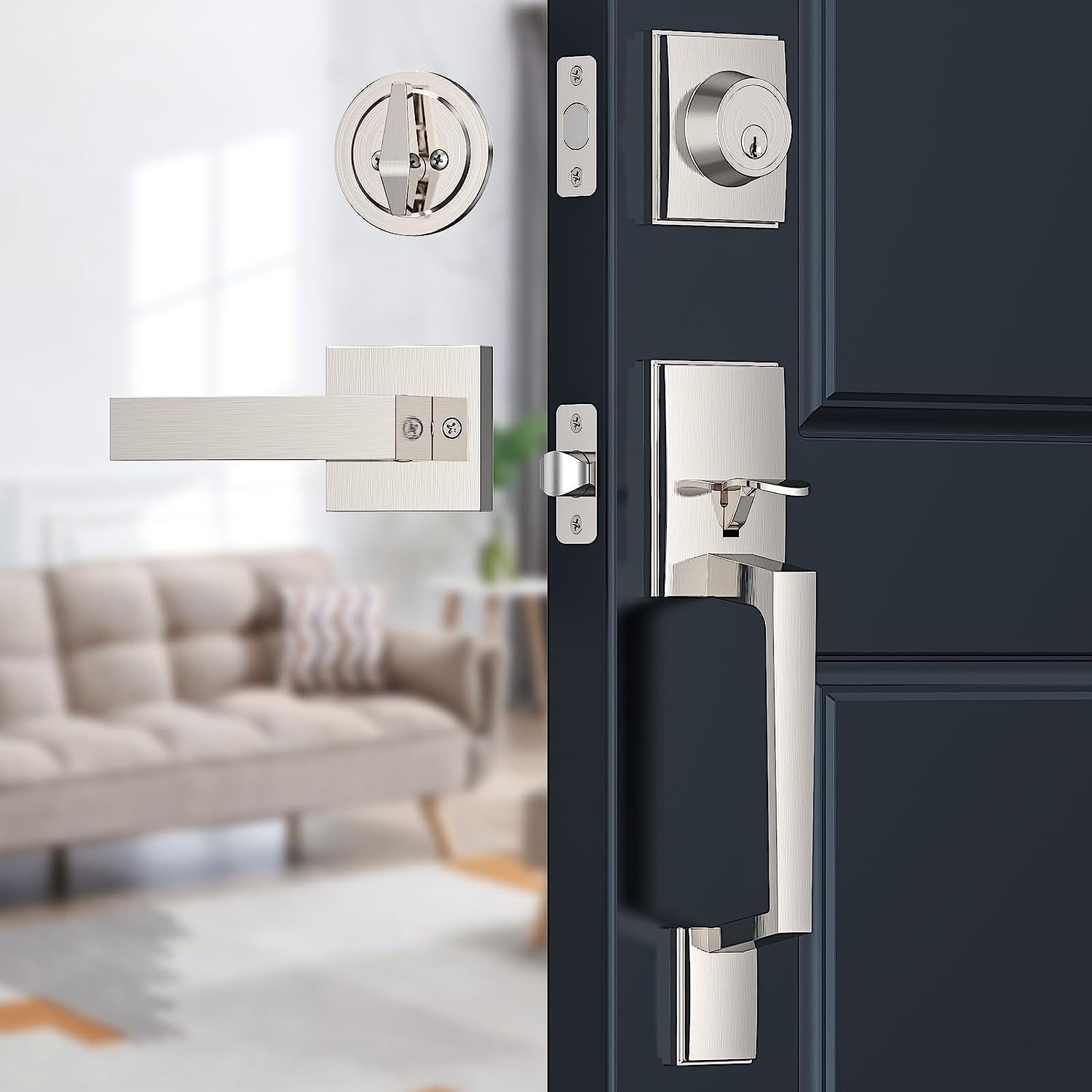
The Lyric Meaning of "I Changed the Lock on My Front Door": Symbolism, Escalation, and Autonomy
The lyric "I changed the lock on my front door" serves as a definitive statement of boundary enforcement, self-preservation, and revoked emotional intimacy following a romantic rupture. Popularized in modern music by Lucinda Williams i...
The lyric "I changed the lock on my front door" serves as a definitive statement of boundary enforcement, self-preservation, and revoked emotional intimacy following a romantic rupture. Popularized in modern music by Lucinda Williams in her 1988 song "Changed the Locks" (and later covered by Tom Petty and the Heartbreakers), the line uses the physical act of key replacement to symbolize the total removal of an ex-partner’s access to the narrator's life.
Contents
Core Meaning: Reclaiming Control After Emotional Betrayal
At its most fundamental level, changing the lock on a front door is a practical security measure. When translated into song lyrics, however, the act becomes a potent metaphor for personal sovereignty. In relationships characterized by broken trust, codependency, or unresolved conflict, the front door represents the gateway to personal space, safety, and psychological vulnerability.
Giving someone a key to your house requires immense trust; revoking that key by changing the lock signifies that the trust has been permanently broken. The lyric establishes a firm refusal to negotiate. It communicates that the narrator is no longer willing to accommodate an ex-partner's uninvited visits, emotional disruption, or attempts to slip back into their private world.
By taking physical action—buying a new lock, changing the tumbler, and keeping the new keys for themselves—the speaker moves from a state of passive suffering to active agency. The song does not depict a quiet tearful exit; it depicts a concrete physical intervention designed to block future intrusion.
The Narrative Structure: Escalation from Physical Space to Cosmic Distance
While the opening line begins grounded in physical reality, the brilliant narrative design of the song lies in its steady, hyperbolic escalation. The lyricist establishes a pattern where the physical act of changing a lock is merely the first step in a systematic campaign to erase every potential point of contact with an ex-lover.
The progression typically unfolds across several distinct spatial and emotional tiers:
Immediate Domestic Boundary: The narrator begins at home, changing the front door lock so the ex "can't use your key no more." This secures the immediate living environment.
Personal Artifacts and Routine: The scope expands to daily habits, clothing, radio stations, and personal vehicles. The narrator alters their appearance and surroundings to eliminate any sensory triggers that might remind the ex of who they used to be together.
Geographic Relocation: Recognizing that staying in the same physical vicinity leaves room for accidental run-ins, the narrator shifts to changing the house, the street, the town, and the state.
Infrastructure and Environment: In an ultimate display of poetic exaggeration, the narrator claims to change the tracks beneath the train and the name of the town itself.
Domestic Lock Replacement
Personal & Lifestyle Modifications
Geographic Relocation
Cosmic & Environmental Overhaul
This escalation highlights a vital psychological truth: physical boundaries alone are often insufficient to stop emotional lingering. Changing a lock secures a deadbolt, but it does not stop memory. Therefore, the lyricist expands the boundary until it encompasses the entire environment, reflecting how far one must sometimes mentally go to feel truly detached.
Lineage and Artistic Origins: From 1930s Blues to Modern Rock
The phrase "I changed the lock on my door" has a deep lineage in American roots music, drawing heavily from early country blues traditions before becoming an Americana and rock classic.
The Blues Foundation
The theme of changing door locks as a sign of relationship termination dates back to early 20th-century blues recording artists. Blues musician Casey Bill Weldon recorded "I Changed the Lock on My Door" in 1936, articulating the direct frustration of a partner locking out a former lover who failed to treat them right. In the blues tradition, domestic space was often the primary site of romantic negotiation, and changing a lock was an unambiguous declaration of independence, frequently delivered with defiance and dark humor.
Lucinda Williams (1988)
Lucinda Williams modernized and elevated this blues motif in her self-titled 1988 album Lucinda Williams. Williams transformed the simple blues concept into a masterclass in songwriting structure. Her version emphasizes grit, obsession, and unwavering resolve. Through repetitive, rhythmic guitar riffing and deliberate vocal delivery, Williams captures the exhausting work required to banish someone from one's mind.
Tom Petty and the Heartbreakers (1996)
Tom Petty and the Heartbreakers recorded a widely recognized rock cover of Williams' track for the 1996 soundtrack album Songs and Music from "She's the One". Petty transformed the gritty, roots-focused original into a driving, anthemic rock track. While Williams' delivery conveys deep emotional labor and stubborn survival, Petty’s rendition leans into frustrated energy and defiant release, proving how versatile the core lyrics are across different musical arrangements.
Psychological Interpretation: Boundary Enforcement vs. Persistent Obsession
Literary and music scholars often debate the psychological subtext of the lyric. On one hand, changing the lock represents healthy boundary enforcement. On the other hand, the extreme measures described in subsequent lines reveal a complex psychological paradox.
| Interpretation Angle | Lyric Focus | Underlying Psychological Dynamics |
|---|---|---|
| Radical Boundary Setting | "I changed the lock on my front door..." | Clear assertion of autonomy; practical refusal to tolerate boundary violations or unexpected intrusions. |
| Identity Re-establishment | "I changed the clothes I wear / I changed the hair on my head..." | Disentangling personal identity from the relationship; shedding past self-concepts associated with the ex. |
| Trauma and Avoidance | "I changed the town where I live..." | Extreme conflict avoidance; relocating physical life to escape emotional triggers or persistent harassment. |
| The Obsession Paradox | "I changed the name of this town / I changed the track beneath the train..." | The irony of hyperbole; going to ridiculous lengths to erase someone proves how heavily they still occupy the mind. |
The central paradox of the song is that the narrator must dedicate enormous energy to altering their entire world just to prevent one person from reaching them. If a person were truly indifferent, changing the front door lock would be sufficient. The fact that the narrator feels compelled to theoretically alter train tracks and town names reveals that while the physical lock is changed, the internal battle for emotional peace is ongoing.
Structural and Stylistic Breakdown of Key Lyrics
To fully understand the meaning of the lyric within its broader context, it helps to examine how specific lines interact with the main thesis of changing the door lock.
"I changed the lock on my front door / So you can't use your key no more"
This couplet establishes the foundational conflict. The key represents historical access, shared memory, and unhindered intimacy. By rendering the old key useless, the narrator revokes privileges that were once freely given. It serves as a direct message: past intimacy does not grant perpetual rights to future access.
"I changed the shirt on my back / I changed the car that I drive"
Here, the lyrics move beyond physical barriers into lifestyle purging. The narrator seeks to eliminate visual reminders. In real-world psychological recovery, individuals often change routine habits, furniture, or wardrobes after a breakup to create a clean slate and break associative memory loops.
"I changed the name of this town / So you can't find me no more"
This line shifts the lyric from realistic narrative into surrealist hyperbole. It acknowledges that even if the speaker moves to a new city, the anxiety of being found remains. By claiming to rename the town itself, the songwriter highlights the irrational, overwhelming desire for total invisibility from a former partner.
Modern Relevance and Cultural Resonance
The phrase "I changed the lock on my front door" continues to resonate strongly with listeners because it distills a universal milestone in human relationships: the moment of no return.
In contemporary relationship discourse, changing the locks is the real-world equivalent of blocking a phone number, unfriending someone on social media, or going completely "no-contact." The lyric captures the physical weight of that decision. It acknowledges that emotional boundaries often require hard, visible boundaries in the physical world to back them up.
Furthermore, the song's popularity across genres—spanning classic country blues, 1980s Americana, and 1990s mainstream rock—demonstrates that the core impulse of self-defense and emotional autonomy transcends stylistic boundaries. Whether delivered through blues acoustic picking or soaring rock guitars, the message remains clear and uncompromising.
Frequently Asked Questions
Who wrote the song containing the lyric "I changed the lock on my front door"?
The modern song titled "Changed the Locks," which features this lyric prominently, was written by acclaimed singer-songwriter Lucinda Williams and released on her 1988 self-titled album. However, the phrase and concept draw upon older blues traditions, including Casey Bill Weldon's 1936 blues recording "I Changed the Lock on My Door."
Did Tom Petty write "I Changed the Lock on My Front Door"?
No, Tom Petty did not write the song. Tom Petty and the Heartbreakers covered Lucinda Williams' song "Changed the Locks" in 1996 for the album Songs and Music from "She's the One". Petty was a major admirer of Williams' songwriting and brought the track to a wider rock audience.
Is the lyric meant to be taken literally or metaphorically?
The lyric operates as both. Literally, it describes replacing hardware on a home to keep an ex-partner out. Metaphorically, it represents revoking emotional access, establishing psychological boundaries, and terminating a relationship so completely that the past partner can no longer affect the speaker's life.
Why do the lyrics escalate to changing town names and train tracks?
The escalation uses literary hyperbole to express the overwhelming effort required to detach from a past relationship. It shows that securing a physical door is only the first step; achieving true emotional distance often feels like it requires altering the fundamental fabric of one's environment.
What is the central emotional tone of the song?
The tone is a mix of fierce defiance, stubborn survival, and underlying frustration. While the narrator takes clear, empowered action to lock the ex out, the extreme lengths they describe reveal the profound impact and lingering disruption caused by the failed relationship.
Final Summary and Practical Takeaway
The lyric "I changed the lock on my front door" stands as one of modern music's most effective declarations of boundary enforcement. Grounded in blues history and refined through modern Americana, the line uses physical home security to communicate complete emotional termination. For listeners analyzing the text or applying its message, the lyric serves as an enduring reminder that personal recovery and self-protection often begin with an active, irreversible refusal to grant past abusers or ex-partners access to one's private space.
Image Gallery