Guide to Free NYC Summer Events: Navigating Summer Streets and Outdoor Activities
Every summer, New York City transforms its public spaces into vibrant, open-air hubs for recreation, culture, and community gathering. The centerpiece of this seasonal initiative is NYC Summer Streets—an annual program organized by the...
Every summer, New York City transforms its public spaces into vibrant, open-air hubs for recreation, culture, and community gathering. The centerpiece of this seasonal initiative is NYC Summer Streets—an annual program organized by the New York City Department of Transportation (NYC DOT) that temporarily closes miles of city streets to vehicular traffic, opening them exclusively to pedestrians, cyclists, runners, and free outdoor programming across all five boroughs.
Contents
Beyond Summer Streets, the city offers hundreds of free concerts, outdoor film screenings, theatrical performances, and museum access programs from June through August. Understanding how to navigate schedules, transit access, route maps, and reservation requirements allows residents and visitors alike to experience world-class outdoor recreation without spending a dime.
What is NYC Summer Streets? Route Overview and Schedule
NYC Summer Streets is a signature urban initiative designed to encourage sustainable transportation, physical activity, and community use of public space. During designated Saturdays in August, major thoroughfares are completely cleared of cars from 7:00 AM to 3:00 PM, creating linear parks that stretch through city neighborhoods.
Originally focused primarily on Manhattan's central corridor, the NYC DOT expanded the program across all five boroughs—Manhattan, Brooklyn, Queens, The Bronx, and Staten Island—ensuring equitable access to car-free streets for residents citywide.
Typical Summer Streets Route
- Harlem / Uptown: Fitness & Dance Rest Stop
- Midtown Corridor: Arts & Culture Rest Stop
- Lower Manhattan: Bike Tune-ups & Family Zones
Borough Route Highlights
- Manhattan: The classic route extends from the Brooklyn Bridge up along Lafayette Street and Park Avenue, stretching up into East Harlem along Adam Clayton Powell Jr. Boulevard. This creates a continuous, multi-mile stretch connecting Downtown, Midtown, and Uptown.
- Brooklyn: Routes typically span major neighborhood arteries such as Eastern Parkway or Grand Army Plaza down along major commercial corridors, linking parklands with historic residential districts.
- Queens: Centered along prominent thoroughfares like Vernon Boulevard in Long Island City or Grand Central Parkway access corridors, offering riverfront views and park access.
- The Bronx: Often staged along Grand Concourse, allowing participants to travel alongside historic Art Deco architecture from East 149th Street up toward Van Cortlandt Park connection points.
- Staten Island: Typically situated along Richmond Terrace or Forest Avenue, connecting community hubs with coastal parks.
Key Rest Stop Highlights and Signature Activities
Along each Summer Streets route, the NYC DOT and community partners establish dedicated Rest Stops. These hubs serve as activity centers equipped with free amenities, public services, and interactive entertainment.
1. Active Recreation and Fitness Zones
At major intersections along the route, certified instructors lead free outdoor group fitness classes. Participants can join drop-in sessions for yoga, pilates, Zumba, strength training, and high-intensity interval training (HIIT). Equipment is often provided on-site for public use during scheduled sessions.
2. Cycling Support and Helmet Giveaways
To promote safe cycling, the NYC DOT sets up free bicycle repair stations where mechanics provide basic tune-ups, tire inflation, and chain maintenance. At designated rest stops, official staff conduct free helmet fittings and distribute safety helmets to adults and children while supplies last.
3. Public Art Installations and Live Performances
Summer Streets features temporary public art installations, interactive workshops, and live stage performances. Local musicians, dance troupes, theatrical performers, and marching bands perform at scheduled intervals throughout the morning and early afternoon.
4. Water Play, Hydration, and Family Zones
Given the summer heat, the Department of Environmental Protection (DEP) deploys portable water fountains ("Water-On-Tap" stations) where visitors can refill water bottles. Family-friendly rest stops feature pop-up water parks, obstacle courses, giant lawn games, and educational workshops hosted by local museums and environmental organizations.
Essential Practical Tips for Navigating Summer Streets
To maximize comfort and safety during Summer Streets, participants should plan ahead regarding transit, timing, and gear.
Summer Streets Preparation Checklist
- [✓] Reusable Water Bottle (DEP Refill Stations Available)
- [✓] Sun Protection (Hat, Sunglasses, Broad-Spectrum Sunscreen)
- [✓] Comfortable Footwear or Inspected Bicycle/Skates
- [✓] Subway/Transit Card (Avoid Vehicle Parking Near Routes)
- [✓] Compact Daypack (Keep Hands Free for Activities)
Timing and Crowd Management
- Early Morning (7:00 AM – 9:00 AM): The quietest time on the route. Ideal for serious runners, distance cyclists, and those looking to avoid crowds and peak summer heat.
- Mid-Day (10:00 AM – 1:00 PM): Peak hours. Expect high foot traffic around rest stops, queue lines for popular activities (like zip lines or climbing walls), and active street performances.
- Late Afternoon (1:00 PM – 3:00 PM): Activity programming begins to wind down. Streets reopen strictly to vehicle traffic at 3:00 PM sharp, so cyclists and pedestrians must clear the main roadways promptly.
Permitted Vehicles and Safety Rules
- Permitted: Standard bicycles, tricycles, push scooters, rollerblades, skateboards, wheelchairs, and strollers.
- Restricted/Prohibited: Gas-powered vehicles, high-speed electric mopeds, motorbikes, and unauthorized commercial vendors. Pedelec/e-bikes are generally allowed if operated safely at low speeds yielding to pedestrians.
- Right of Way: Pedestrians always maintain the right of way at crosswalks and shared lanes. Cyclists are expected to maintain controlled speeds, especially near busy rest stops.
Beyond Summer Streets: Major Free Outdoor Summer Events in NYC
While Summer Streets operates on select Saturdays, New York City hosts extensive free outdoor programming throughout the entire summer season across public parks, piers, and plazas.
1. Outdoor Concert Series and Performing Arts
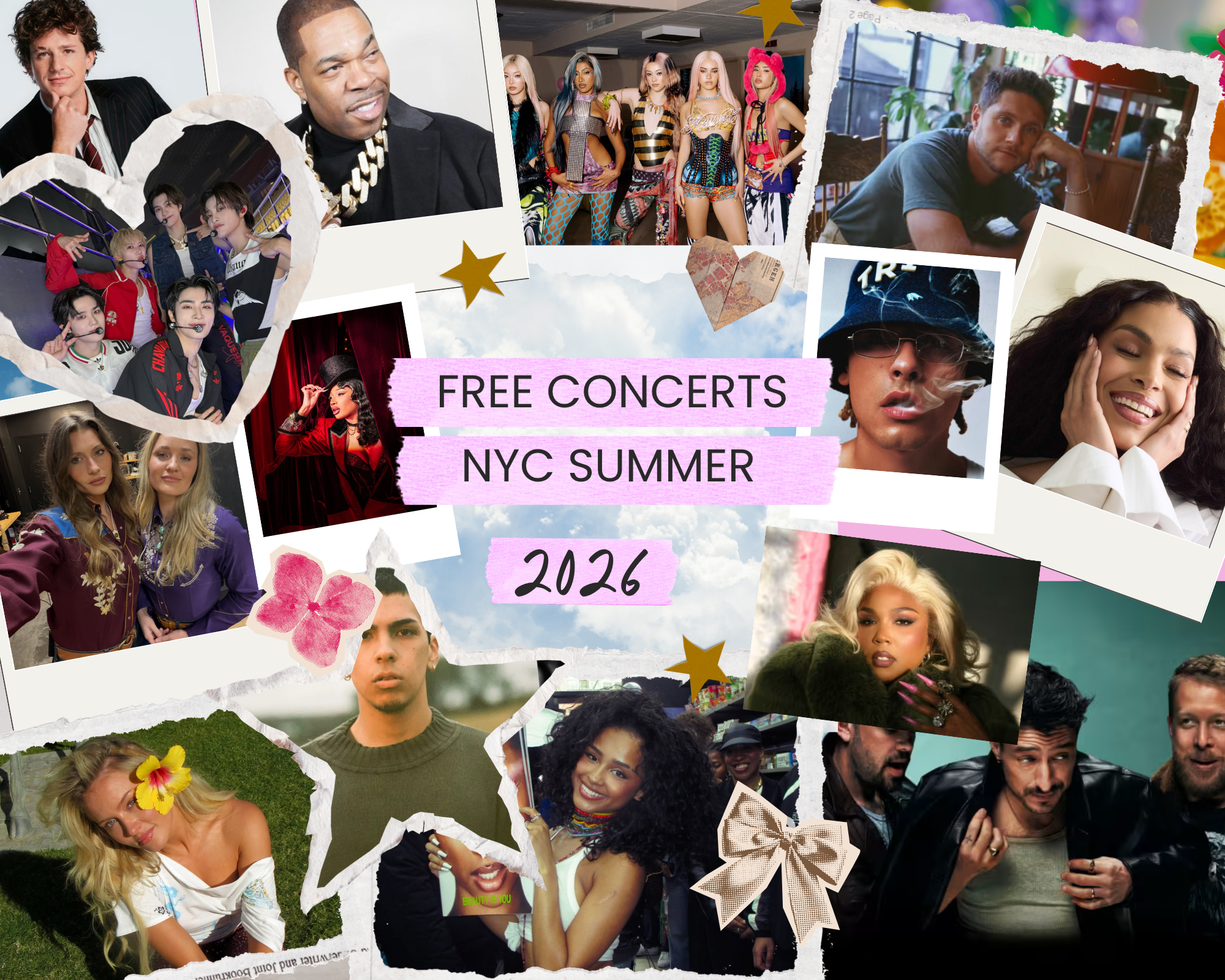
- Central Park SummerStage: Organized by the City Parks Foundation, SummerStage hosts dozens of free musical performances ranging from indie rock and hip-hop to jazz, Latin, and global beats at the Rumsey Playfield in Central Park and community parks citywide.
- BRIC Celebrate Brooklyn!: Held at the Lena Horne Bandstand in Prospect Park, this long-running festival presents free outdoor concerts, dance performances, and film screenings with live musical accompaniment.
- Bryant Park Picnic Performances: Located in Midtown Manhattan, Bryant Park hosts free, non-ticketed outdoor performances featuring classical music, opera, contemporary dance, and theater in partnership with institutions like the New York City Opera and American Ballet Theatre.
2. Free Outdoor Movie Screenings
Throughout July and August, public parks transform into open-air movie theaters after sunset:
- NYC Parks Movies Under the Stars: A citywide program bringing family-friendly films, blockbusters, and classics to neighborhood parks across all five boroughs.
- Brooklyn Bridge Park Movies With a View: Staged at Pier 1, offering evening film screenings with the Lower Manhattan skyline as a backdrop. Lawn seating opens early in the evening on a first-come, first-served basis.
3. Free Theater and Cultural Programming
- Shakespeare in the Park: Produced by The Public Theater at the Delacorte Theater in Central Park, this iconic summer tradition provides free tickets to world-class theatrical productions. Tickets are distributed via morning in-person lines, digital lotteries, and borough distribution sites.
- River to River Festival: Hosted by Lower Manhattan Cultural Council (LMCC), this early-summer festival presents dance, music, and visual art installations in non-traditional spaces across Downtown Manhattan and Governors Island.
Comparing NYC Free Summer Event Programs
The following table provides a quick reference guide to help plan attendance across major free summer event categories in New York City:
| Event Program | Primary Location | Schedule / Season | Key Highlights | Access Requirements |
|---|---|---|---|---|
| NYC Summer Streets | Selected corridors across all 5 Boroughs | Saturdays in August (7:00 AM – 3:00 PM) | Car-free recreation, free bike tune-ups, fitness classes, water play | Open access; no tickets required |
| Central Park SummerStage | Central Park & regional borough parks | June through August | Diverse live concerts, dance showcases, global music | Free entry (first-come, first-served); select benefit shows ticketed |
| BRIC Celebrate Brooklyn! | Prospect Park, Brooklyn | June through August | Live music, film screenings, multidisciplinary arts | Free entry with suggested donation |
| Bryant Park Picnic Performances | Bryant Park, Manhattan | June through September | Opera, jazz, orchestra, dance performances | Free entry; no tickets required; open lawn seating |
| Shakespeare in the Park | Central Park (Delacorte Theater) | Mid-Summer season | Professional Shakespeare productions | Free tickets via morning queue, digital lottery, or borough drop |
| NYC Parks Movies Under the Stars | Citywide neighborhood parks | June through August | Family movies, classics, and recent releases | Open access; bring your own blanket or lawn chair |
Frequently Asked Questions
Do I need to register or buy tickets to attend NYC Summer Streets?
No registration or tickets are required to walk, run, or cycle along the Summer Streets routes. All core street access and rest stop activities—including fitness classes, hydration stations, and bike repair services—are completely free and open to the public on a walk-up basis.
Are dogs allowed on Summer Streets routes?
Yes, dogs are permitted along the car-free routes. However, pet owners must keep dogs on a leash at all times, clean up after them, and be mindful of high temperatures on asphalt surfaces, as well as dense crowds near rest stops.
How do I get free tickets for Shakespeare in the Park?
Free tickets are distributed on performance days through multiple channels managed by The Public Theater: an in-person line at the Delacorte Theater in Central Park, a digital lottery system, and designated ticket distribution locations in outer boroughs on select dates.
What happens if it rains during Summer Streets or outdoor park events?
Summer Streets generally operates rain or shine, though specific rest stop activities or inflatable installations may be scaled back or paused during severe weather or heavy rain for safety reasons. Outdoor concerts and movie screenings may be canceled or delayed in the event of thunderstorms or extreme weather; updates are typically posted on official organizer social media channels or agency websites.
Can I bring my own food and drinks to park events and Summer Streets?
Yes. Picnic foods and non-alcoholic beverages are allowed at Summer Streets rest stops and in most public parks. However, glass containers and alcoholic beverages are strictly prohibited in public park areas unless served within a licensed, enclosed beer garden or event precinct.
Next Steps for Planning Your NYC Summer Itinerary
- Verify Route Maps and Schedules: Visit the official NYC DOT Summer Streets Portal prior to August to confirm specific borough routes, road closure schedules, and rest stop activity listings.
- Check Daily Event Listings: Monitor the official NYC Parks Event Calendar for updated times and locations of local outdoor movies, neighborhood concerts, and fitness programs.
- Prepare Gear: Secure a reusable water bottle, broad-spectrum sunscreen, protective headwear, and comfortable footwear. If cycling, ensure your bicycle, brakes, and tires are inspected prior to arriving at the route.
Image Gallery