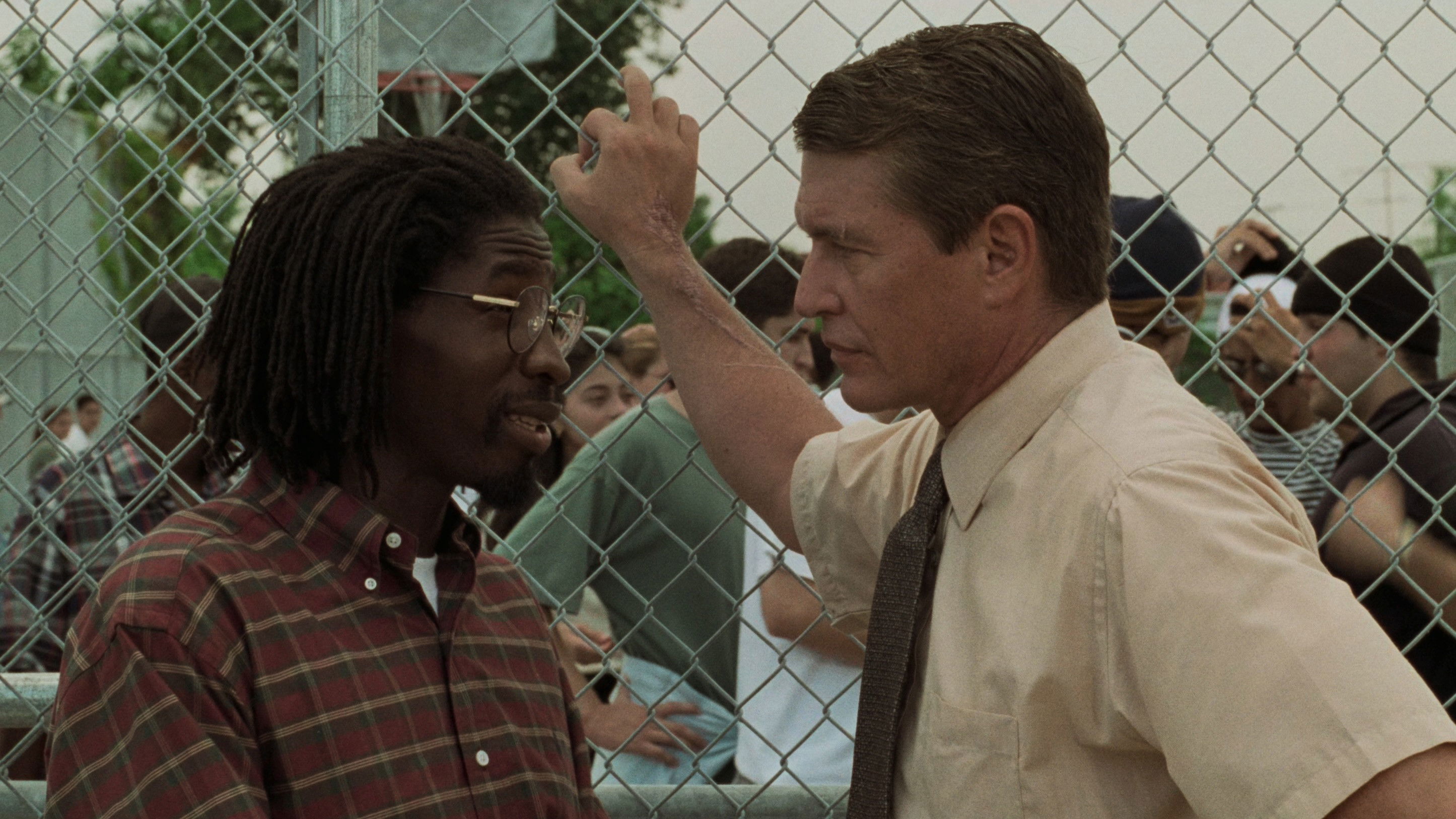
The Substitute Movie Franchise Starring Treat Williams: Plot Summaries, Sequels, and Viewing Guide
Treat Williams starred as mercenary Karl Thomasson in three installments of The Substitute action film franchise: The Substitute 2: School's Out (1998), The Substitute 3: Winner Takes All (1999), and The Substitute 4: Failure Is Not an...
Treat Williams starred as mercenary Karl Thomasson in three installments of The Substitute action film franchise: The Substitute 2: School's Out (1998), The Substitute 3: Winner Takes All (1999), and The Substitute 4: Failure Is Not an Option (2001). Taking over after Tom Berenger’s 1996 original, Williams anchored the cult direct-to-video series.
Contents
The Transition of The Substitute Franchise: From Tom Berenger to Treat Williams
The original The Substitute debuted in theaters in 1996, starring Tom Berenger as Jonathan Shale, a mercenary who takes a job as a substitute teacher in a violent Miami high school to uncover a drug ring run by the school principal. The film was a modest box office success, grossing nearly $15 million domestically, and earned a dedicated home-video audience due to its hard-hitting fight choreography and gritty premise.
When Artisan Entertainment decided to build a franchise around the concept, Berenger did not return. Instead, the filmmakers cast veteran actor Treat Williams to helm the continuation. Rather than recasting Shale, the writers created a new lead protagonist: Karl Thomasson, a former soldier-of-fortune and military buddy of Shale.
Williams brought a distinct charisma, physical presence, and world-weary humor to the lead role. His performance established Karl Thomasson as the central pillar of the franchise across three direct-to-video (DTV) sequels. Williams embraced the genre's demands, balancing hand-to-hand combat scenes and tactical gunplay with a dry wit that helped the sequels find a lasting audience on television broadcasts and home video throughout the late 1990s and early 2000s.
Detailed Film-by-Film Breakdown of Treat Williams' The Substitute Sequels
The Substitute 2: School's Out (1998)
The Substitute 2: School's Out marked Treat Williams' debut in the series. Originally produced for HBO before reaching broader home video distribution, the film grounds its action in an urban educational environment similar to the original entry.
- Plot Overview: Karl Thomasson arrives in Brooklyn, New York, to attend the funeral of his estranged brother, Randall Thomasson, a high school history teacher who was murdered during an apparent carjacking. Unconvinced by the official police report, Karl suspects that Randall was targeted because he uncovered criminal activity at Little Saigon’s East Clinton High School. Posing as his brother’s temporary replacement, Karl infiltrates the faculty to investigate the truth behind the murder.
- The Conflict: Karl discovers that an organized car-theft ring operates out of the school's auto shop class, orchestrated by gang leader Seeburg (Lawrence Gilliard Jr.) and supported by corrupt forces within the school administration, including principal Warren Drummond (B.D. Wong).
- Key Action Elements: Karl utilizes high-tech tactical gear, improvised classroom defense, and hand-to-hand combat to protect his niece, Nicole (Michael Michele), while taking down the auto-theft syndicate piece by piece.
The Substitute 3: Winner Takes All (1999)
The second entry starring Williams shifts the setting from secondary education to a university campus in Georgia, broadening the political and tactical scale of the narrative.
- Plot Overview: Karl Thomasson visits the daughter of a fallen military comrade, Maya (Rebecca Staab), who works as a professor at a southern university. When Maya is brutally beaten by members of the university’s football team after trying to grade them fairly, Karl stepped in to investigate the institutional corruption protecting the athletes.
- The Conflict: Karl assumes the identity of a substitute professor in the humanities department. He quickly uncovers a widespread steroid distribution operation run by the university’s ruthless head football coach, Maclin (David Jensen), who uses violent student-athletes as his personal enforcement arm.
- Key Action Elements: The film shifts away from urban gang tactics toward martial arts showdowns and gym-based altercations, highlighting Williams' ability to adapt Karl Thomasson's military tactics to suburban and collegiate environments.
The Substitute 4: Failure Is Not an Option (2001)
The final entry in the franchise moves the story to an elite private military academy, returning Karl Thomasson to a military environment.
- Plot Overview: Karl is recruited by military intelligence to go undercover as a history instructor at the military school after reports surface that an underground extremist group called the "Werewolves" operates inside the student body and faculty.
- The Conflict: Karl uncovers a neo-fascist paramilitary movement led by Colonel Tedd (Patrick Kilpatrick), aimed at recruiting elite cadets to conduct domestic acts of terrorism. Karl must navigate strict military protocols, identify hidden operatives among the faculty, and dismantle the radical organization before they launch an attack.
- Key Action Elements: Featuring compound tactical assaults, sniper engagements, and close-quarters combat inside barracks and tactical training courses, The Substitute 4 serves as the most military-focused entry in the Williams trilogy.
Comparative Overview of The Substitute Movie Series
The following table details the key attributes of all four films in The Substitute franchise, highlighting the evolution from the theatrical original to the Treat Williams direct-to-video sequels:
| Film Title | Release Year | Lead Actor | Primary Setting | Main Antagonist(s) | Key Themes / Plot Focus |
|---|---|---|---|---|---|
| The Substitute | 1996 | Tom Berenger | Miami High School | Principal Claude Rolle (Ernie Hudson) | School drug rings, gang violence, mercenary tactical ops |
| The Substitute 2: School's Out | 1998 | Treat Williams | Brooklyn High School | Principal Warren Drummond (B.D. Wong), Seeburg | Car theft rings, revenge for a murdered brother, urban crime |
| The Substitute 3: Winner Takes All | 1999 | Treat Williams | Georgia College Campus | Coach Maclin (David Jensen), Football Enforcers | Steroid rings, collegiate sports corruption, personal honor |
| The Substitute 4: Failure Is Not an Option | 2001 | Treat Williams | Military Academy | Colonel Tedd (Patrick Kilpatrick), Werewolf Cadets | Paramilitary extremism, white supremacy rings, undercover ops |
Character Analysis: Karl Thomasson as an Action Archetype
Treat Williams’ portrayal of Karl Thomasson provided a consistent anchor for the franchise's direct-to-video run. Where Tom Berenger’s Jonathan Shale was stoic and burdened by combat trauma, Williams brought an approachable charisma to Thomasson that balanced the films' violence with levity.
Tactical Competence Meets Educator Identity
Thomasson’s core appeal lies in the contrast between his professorial cover identity and his combat training:
- Plausible Expertise: Thomasson is portrayed as well-read, capable of delivering accurate lectures on ancient history, military tactics, and classical literature before handling tactical engagements.
- Improvised Weaponry: True to action-movie conventions, Thomasson frequently turns common classroom objects—such as chalkboards, desk globes, pointer sticks, and textbooks—into effective non-lethal weapons.
- Moral Clarity: Unlike typical antihero mercenaries, Thomasson operates on a strict personal code: protecting civilians, avenging fallen comrades, and restoring order to institutional environments where authority figures have failed.
Treat Williams' Contribution to Direct-to-Video Action Cinema
During the late 1990s and early 2000s, the direct-to-video market was a major segment of the home entertainment industry. Treat Williams stood out in this space alongside actors like Wesley Snipes, Jean-Claude Van Damme, and Dolph Lundgren. Williams’ background—ranging from his breakthrough role in Miloš Forman's Hair (1979) to mainstream thrillers like Deep Rising (1998)—gave The Substitute sequels an acting credibility that elevated them above standard low-budget action fare.
Production Context and Streaming Availability
Understanding how to access and collect The Substitute film series requires navigating distribution shifts across physical media and digital platforms over the past two decades.
- The Substitute (1996): Theatrical Release (Tom Berenger)
- The Substitute 2 (1998): HBO Premiere / Home Video (Treat Williams)
- The Substitute 3 (1999): Direct-to-Video (Treat Williams)
- The Substitute 4 (2001): Direct-to-Video (Treat Williams)
Physical Media and Home Video History
- DVD Releases: Artisan Entertainment and later Lionsgate released individual DVD pressings of each sequel. In the mid-2000s, multipack DVD bundles containing all four films became popular bargain-bin items.
- Blu-ray Availability: Lionsgate's Vestron Video Collector's Series released a high-definition Blu-ray box set containing The Substitute 2, 3, and 4, giving fans remastered transfers of the Treat Williams trilogy alongside legacy retrospective featurettes and audio commentaries.
Streaming and Digital Platforms
Availability across digital services changes frequently based on licensing agreements:
- Free Ad-Supported Streaming (FAST): Platforms such as Tubi, Pluto TV, and Freevee regularly host The Substitute 2, 3, and 4 on rotating licenses.
- Video on Demand (VOD): Digital storefronts including Amazon Prime Video, Apple TV, and Fandango at Home (formerly Vudu) offer digital rentals and purchases for the individual sequels in standard and high-definition formats.
Frequently Asked Questions
Did Treat Williams star in the original 1996 movie The Substitute?
No. The original 1996 film The Substitute starred Tom Berenger as mercenary Jonathan Shale. Treat Williams joined the franchise starting with The Substitute 2: School's Out (1998), playing a different character named Karl Thomasson.
How many Substitute movies feature Treat Williams?
Treat Williams stars in three films in the franchise: The Substitute 2: School's Out (1998), The Substitute 3: Winner Takes All (1999), and The Substitute 4: Failure Is Not an Option (2001).
Do you need to watch the original Tom Berenger movie to understand Treat Williams' sequels?
No. While the sequels exist in the same fictional universe, each Treat Williams film functions as a standalone narrative. The Substitute 2 briefly mentions Karl Thomasson's military connection to Jonathan Shale, but no storylines or plot threads carry over from the 1996 film.
Is Karl Thomasson related to Jonathan Shale?
Karl Thomasson and Jonathan Shale are not related. They are portrayed as former military buddies and fellow mercenaries who served together in covert operations prior to the events of the films.
Where can I stream The Substitute movies featuring Treat Williams?
The Substitute 2, 3, and 4 frequently stream on free ad-supported services such as Tubi, Pluto TV, and The Roku Channel. They are also available to rent or purchase digitally on Amazon Prime Video and Apple TV.
Recommended Viewing Strategy for Action Fans
For viewers exploring Treat Williams' action filmography, The Substitute trilogy offers an enjoyable sample of late-1990s direct-to-video cinema.
- Start with The Substitute 2: School's Out: It features the highest production values of the sequels, a strong supporting cast (including B.D. Wong and Michael Michele), and stays truest to the original film's urban classroom premise.
- Pair with Deep Rising (1998): To appreciate Treat Williams’ peak action era, pair The Substitute 2 with director Stephen Sommers' cult creature feature Deep Rising, which was released in theaters the same year and showcases Williams' charismatic action-lead persona.
- Opt for Physical Media for Special Features: Viewers seeking behind-the-scenes context, audio commentaries, and higher bitrates should look for the multi-disc Blu-ray editions released through boutique physical media distributors.
Image Gallery