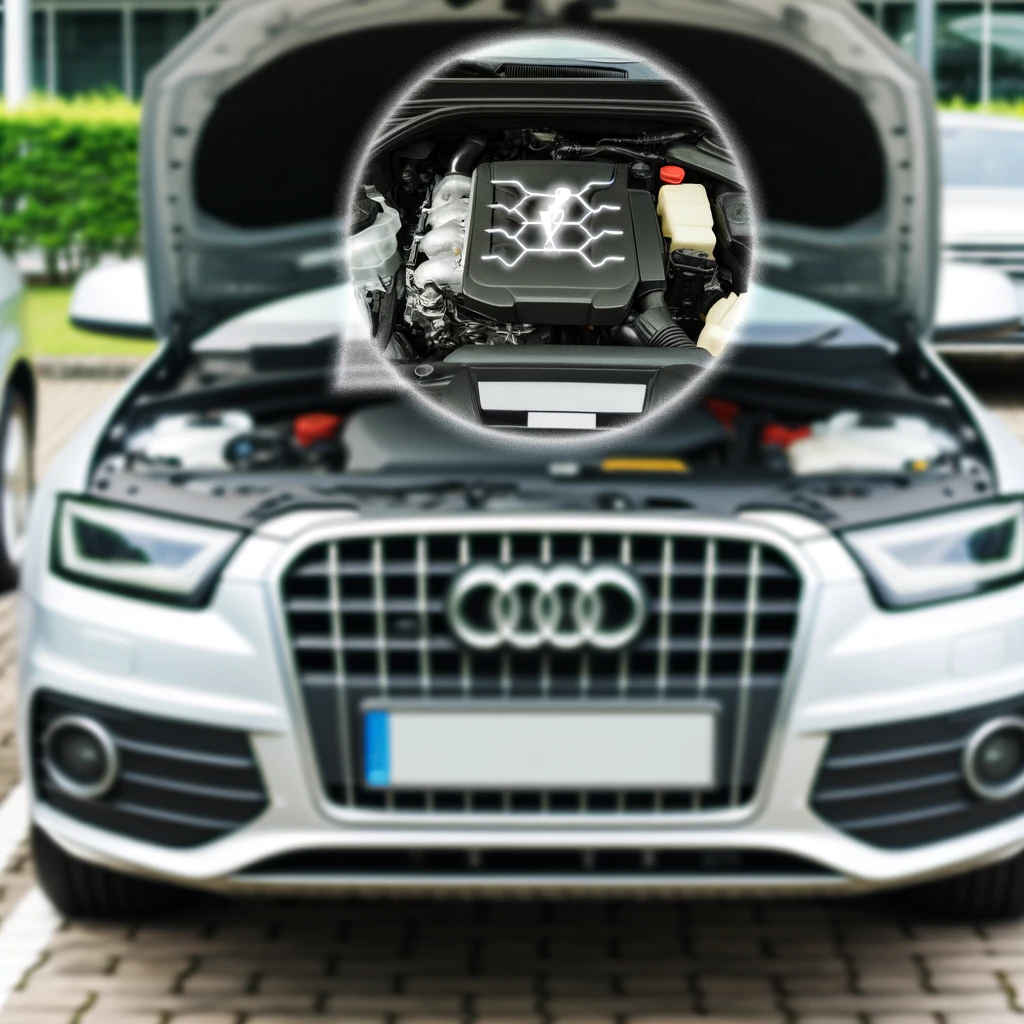
Common Audi Car Problems: Symptoms, Affected Models, and Repair Solutions
Audi vehicles are renowned for their sophisticated engineering, Quattro all-wheel-drive performance, and luxurious cabin technology. However, owners and prospective buyers frequently encounter specific recurring mechanical, electrical,...
Audi vehicles are renowned for their sophisticated engineering, Quattro all-wheel-drive performance, and luxurious cabin technology. However, owners and prospective buyers frequently encounter specific recurring mechanical, electrical, and drivetrain issues across various model generations. Understanding these common Audi car problems, their underlying causes, and practical repair solutions helps owners maintain vehicle longevity and make informed purchasing decisions.
Contents
Understanding Audi Reliability and Engineering Vulnerabilities
Audi designs high-performance passenger vehicles and crossovers featuring complex turbocharged direct-injection (TFSI) engines, dual-clutch (S-Tronic/DSG) transmissions, and advanced Multi Media Interface (MMI) electronics. While these technology suites deliver impressive driving dynamics and fuel efficiency, the high operational pressures, tightly packaged engine bays, and intricate electronic networks create distinct failure points as vehicles age.
Engineers at Audi periodically update engine generations and platform architecture to address design limitations. For example, transition from the EA888 Generation 1/2 engines to the Generation 3 platform solved several systemic issues, yet specific vulnerability patterns persist across different model eras. Recognizing whether a symptom stems from a known mechanical defect or routine wear-and-tear is essential for effective vehicle ownership.
Major Mechanical and Engine Problems
Excessive Engine Oil Consumption
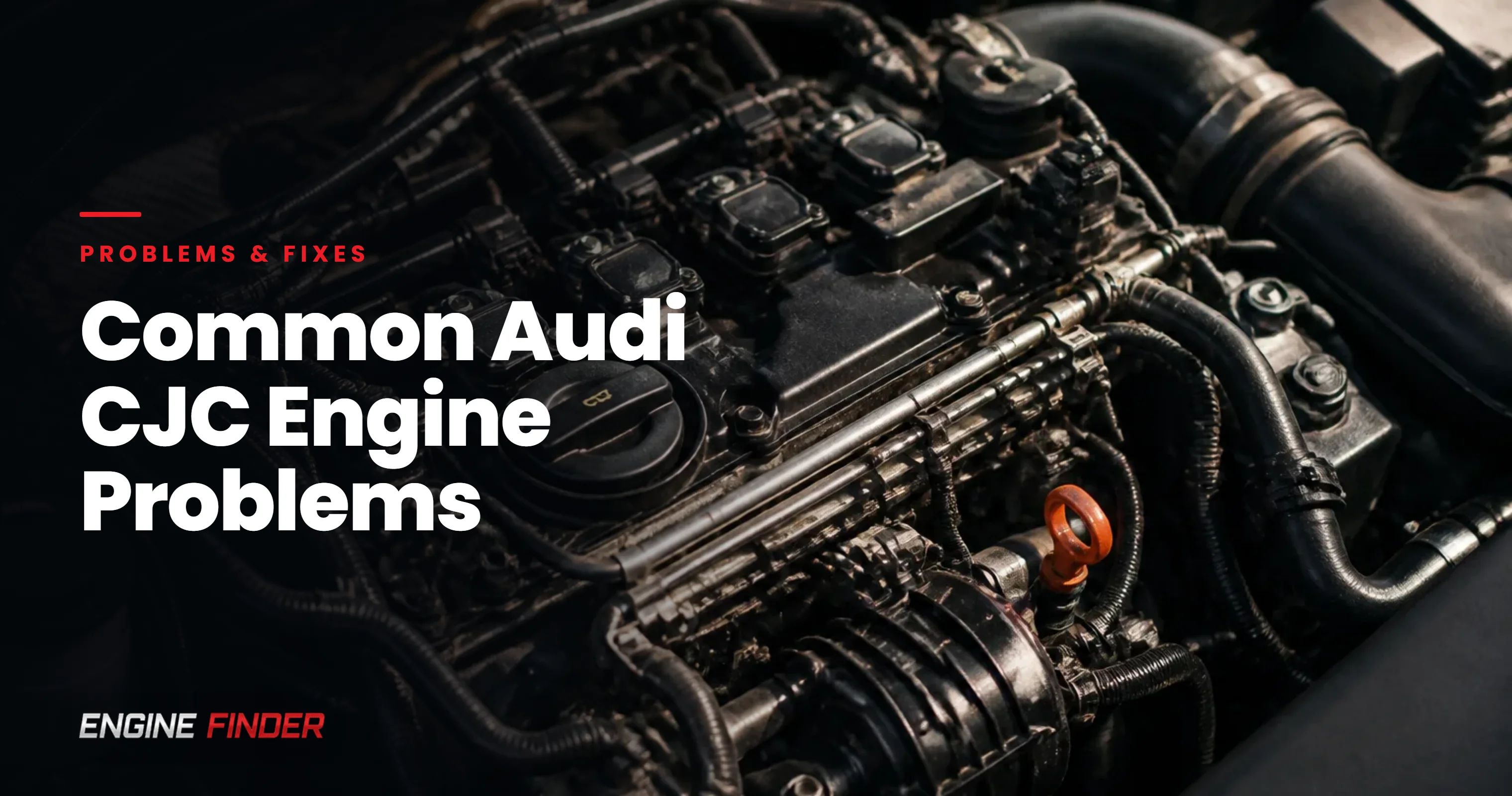
One of the most widely reported Audi car problems involves excessive oil consumption, particularly in the 2.0-liter TFSI four-cylinder engines (codes EA888 Gen 1 and Gen 2) produced between 2009 and 2017 across the A4, A5, A6, and Q5 models.
- Underlying Cause: The primary cause is low-tension piston rings installed at the factory to reduce internal engine friction and lower carbon emissions. Over time, oil control rings clog with carbon deposits, allowing engine oil to pass into the combustion chamber where it burns off during normal operation.
- Symptoms: Frequent low oil indicator warnings between scheduled oil changes, black soot accumulation around the tailpipes, foul exhaust smells, and fouled spark plugs causing engine misfires.
- Solution and Repair: Mild cases may respond to specialized engine flushes and shortened oil change intervals using high-grade synthetic oils meeting Audi/VW 502 00 or 504 00 specifications. Severe cases require replacing the pistons, wrist pins, and connecting rods with redesigned components—a labor-intensive overhaul costing between $3,500 and $6,000 depending on shop rates.
Timing Chain Tensioner Failure
Early EA888 2.0T engines and certain 3.2-liter V6 models use hydraulic timing chain tensioners that are prone to premature wear and structural breakdown.
- Hydraulic Pressure Drops / Tensioner Tooth Wear
- Timing Chain Loses Tension & Slips Teeth
- Valves Collide with Pistons (Interference Engine)
- Severe Internal Engine Damage
Because Audi TFSI engines feature an interference design, a slipped or broken timing chain allows the valves and pistons to collide, resulting in catastrophic engine destruction. Owners of 2008–2013 Audi models with 2.0T engines should inspect the tensioner part number via the lower timing cover inspection portal. Upgrading to the updated mechanical-latching tensioner design before failure occurs is critical preventive maintenance.
Carbon Buildup on Intake Valves
Because Audi TFSI and FSI engines use direct fuel injection, gasoline is sprayed directly into the combustion chamber rather than upstream into the intake ports.
While direct injection maximizes fuel atomization and power output, it prevents gasoline—which acts as a natural solvent—from washing over the intake valves. Recycled crankcase vapors from the Positive Crankcase Ventilation (PCV) system deposit oil droplets and airborne particles onto the hot valve stems, forming sticky carbon crusts over time.
- Symptoms: Rough idling, hesitation under acceleration, decreased fuel economy, cold-start misfires, and persistent engine misfire diagnostic fault codes (such as P0300 through P0304).
- Solution: Mechanics clean these deposits using walnut shell blasting. By removing the intake manifold and spraying fine walnut shell media into the intake ports under compressed air while rotating the crankshaft to ensure the valves remain closed, the carbon is safely stripped away without damaging the cylinder head. This service is typically required every 50,000 to 80,000 miles.
Water Pump and Thermostat Housing Leaks
Coolant leaks are common across both four-cylinder and six-cylinder Audi engines (including the 2.0T TFSI and 3.0T Supercharged/Turbocharged V6).
Audi utilizes composite plastic materials for the water pump housing and integrated thermostat assembly to reduce weight and production costs. Subjected to repeated heating and cooling cycles, these plastic housings warp, crack, or develop seal failures around the mating surfaces. Additionally, oil leaks from upper timing covers or valve cover gaskets can drip onto the plastic water pump body, accelerating material degradation.
Replacing the plastic water pump assembly with a unit featuring an upgraded aluminum body or improved gasket material prevents recurring coolant loss and engine overheating risks.
Transmission and Drivetrain Issues
S-Tronic Dual-Clutch (DSG) Mechatronic Unit Failures
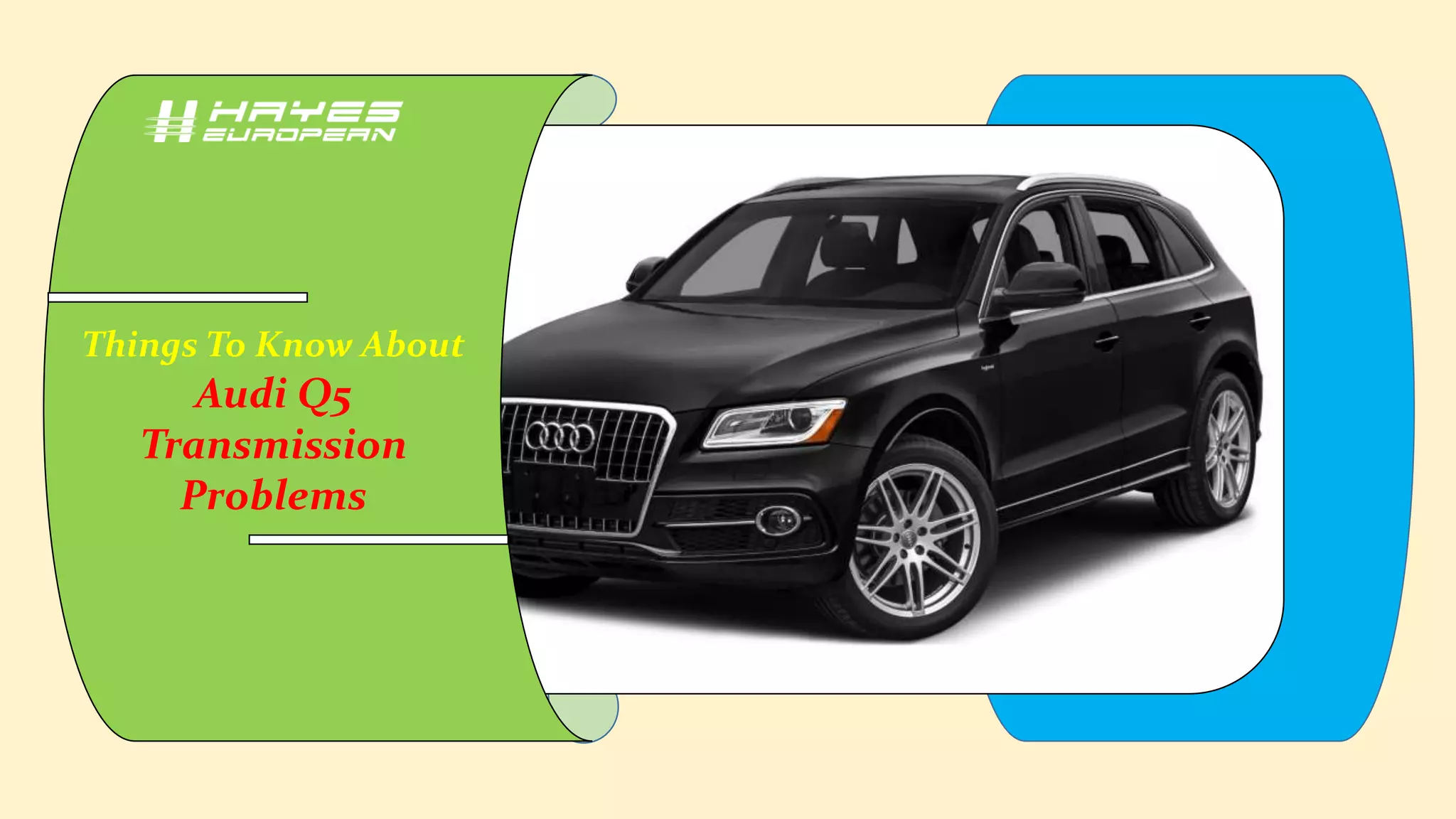
Audi's S-Tronic transmission (such as the DL501 7-speed longitudinal dual-clutch transmission) delivers rapid gear changes using electronically controlled hydraulic solenoids mounted inside a control module known as the Mechatronic unit.
- S-Tronic Transmission System
- Mechatronic Unit (Hydraulic Solenoids) linked to Dual-Clutch Assembly (Even & Odd Gear Sets)
- Heat & Debris Exposure
- Solenoid Burnout / PCB Failure resulting in Transmission Malfunction
Subjected to high operating temperatures and suspended fluid metal particles, the internal Printed Circuit Boards (PCBs) and hydraulic solenoids within the Mechatronic unit degrade.
Common indicators of Mechatronic failure include severe shuddering when launching from a stop, harsh downshifts, sudden loss of reverse gear, or dashboard error messages reading "Transmission Malfunction: You Can Continue Driving with Limitations." Replacing individual solenoid repair kits or rebuilding the Mechatronic circuit board is significantly more economical than replacing the entire gearbox.
Quattro Differential Fluid Contamination and Binding
While the Quattro all-wheel-drive system provides exceptional traction, models equipped with crown-gear center differentials or electronic sport differentials require strict fluid maintenance. Contaminated fluid or unserviced center differentials cause rotational binding, noticeable as a chatter or low-speed scrubbing noise when negotiating tight turns, such as parking maneuvers. Flushing the differential fluid with OEM-specified synthetic lubricants normally resolves binding symptoms.
Electrical and Control System Failures
Multi Media Interface (MMI) and Screen Glitches
Audi's central infotainment architecture (MMI) coordinates navigation, audio playback, vehicle drive settings, and climate adjustments through a central processing unit and high-speed optical fiber (MOST) bus loop.
- Display Screen Failure: Retractable MMI screens found in earlier A6, A7, and A8 models often fail due to worn internal plastic gears or broken wiring ribbons inside the mechanism.
- System Freezing and Reboots: Faulty control modules or corrupted software cause the system to freeze, lose Bluetooth pairing, or continuously reboot.
- Fiber-Optic Ring Interruptions: Because MMI components are linked in a series loop using fiber optics, a failure in a single peripheral component (such as the satellite radio receiver or amplifier) breaks the signal chain, causing the entire MMI display and audio system to shut down.
Parasitic Battery Drain
Unexplained battery depletion overnight is a frequent complaint among Audi owners. This usually occurs when dynamic control modules (such as the comfort control module, amplifier, or proximity door handle sensors) fail to transition into "sleep mode" after the vehicle is locked. Diagnosing parasitic drain requires connecting an amperage meter across the battery terminals and performing a fuse-pull testing sequence to isolate the offending module.
Suspension and Chassis Vulnerabilities
Adaptive Air Suspension Failures
High-end models—including the Audi A8, S6, S8, Q7, and Allroad variants—often feature Adaptive Air Suspension systems replacing standard coil springs. While air suspension delivers a smooth ride and adjustable ride height, key components typically wear out between 70,000 and 100,000 miles.
| Component | Failure Mechanism | Operational Impact | Repair Approach |
|---|---|---|---|
| Air Struts / Bags | Rubber bladder cracks and develops micro-perforations due to age and road debris. | Vehicle sags overnight on one or more corners; bottoming out over bumps. | Replace affected air strut assemblies in axle pairs. |
| Air Suspension Compressor | Runs continuously to compensate for leaking air bags, causing motor burnout. | System warning light illuminated; ride height height adjustment disabled. | Replace compressor pump and relay; repair air leaks first. |
| Valve Block | Internal solenoid valves stick or corrode, preventing proper air distribution. | Uneven ride height; vehicle stuck in dynamic or lift mode. | Replace pneumatic valve block and clear system fault codes. |
Front Control Arm Bushing Wear
Audi utilizes a multi-link front suspension layout incorporating upper and lower control arms to optimize steering precision and directional stability. The heavy front-end weight distribution of front-engine layouts places immense pressure on the rubber control arm bushings.
Over time, these rubber bushings crack, tear, or leak their internal hydraulic fluid. Symptoms include clunking noises over minor road imperfections, steering wheel shimmy during light braking, and uneven front tire edge wear. Replacing worn control arms with polyurethane or heavy-duty rubber bushings restores suspension geometry.
Audi Problem Matrix by Engine and Model Line
The following diagnostic reference table highlights persistent issues across major Audi engine configurations and vehicle series.
| Engine / Platform | Primary Problem Areas | Affected Models | Typical Symptoms | Cost Range (USD) |
|---|---|---|---|---|
| 2.0L TFSI (EA888 Gen 1/2) | High oil consumption, timing chain tensioner, water pump leak | A4, A5, Q5, TT (2009–2017) | Low oil warnings, engine misfires, cold start rattle, coolant loss | $800 – $5,500 |
| 3.0L V6 Supercharged | Thermostat sticking, PCV valve diaphragm failure, water pump | S4, S5, A6, A7, Q7 (2010–2018) | Engine overheating, whistling noise, low coolant, oil consumption | $700 – $2,200 |
| 3.2L V6 FSI | Carbon buildup, upper timing chain tensioner wear | A4, A5, A6, Q5 (2005–2012) | Rough idle, check engine light (P0300), loud startup clatter | $600 – $3,500 |
| 4.0L V8 Twin-Turbo | Turbocharger oil strainer screen clogging | S6, S7, A8, S8 (2013–2018) | Sudden turbocharger failure, loss of boost power, metallic whining | $3,000 – $8,000 |
| 7-Speed S-Tronic (DL501) | Mechatronic unit circuit board and solenoid degradation | S4, S5, A6, A7, S6 (2010–2016) | Harsh shifting, loss of reverse gear, transmission warning display | $1,500 – $4,500 |
| Adaptive Air Suspension | Rubber air bag dry rot, compressor failure | A8, Q7, S6, Allroad (All Years) | Corner sagging, rough ride quality, active height adjustment failure | $1,200 – $3,800 |
Diagnostic Best Practices and Preventive Maintenance
Preventing unexpected mechanical failures and keeping repair costs manageable requires adherence to specific diagnostic and maintenance routines tailored to European sports vehicles.
Recommended Maintenance Schedule
- Every 5,000–7,500 Miles:
- Full Synthetic Engine Oil & Filter Change
- Every 40,000 Miles:
- S-Tronic / DSG Fluid & Filter Renewal
- Spark Plugs & Ignition Coil Inspection
- Every 60,000–80,000 Miles:
- Intake Valve Walnut Shell Decarbonization
- Differential & Transfer Case Fluid Drain/Fill
- Water Pump & Thermostat Housing Inspection
Advanced Diagnostics with VCDS / OBD11
Standard generic OBD-II code readers often fail to access specialized sub-systems within Audi vehicle networks. To accurately diagnose electronic and mechanical issues, owners and technicians should use dedicated diagnostic software such as VCDS (VAG-COM Diagnostic System) or OBDEleven.
These specialized diagnostic systems communicate directly with proprietary Audi controller modules. They read manufacturer-specific diagnostic fault codes (DTCs), display live sensor values (such as timing chain stretch angle measured in degrees of phase adaptation), perform output tests on electronic actuators, and reset service intervals correctly.
Essential Preventive Practices
- Shortened Oil Drain Intervals: Although factory guidelines often suggest 10,000-mile oil change intervals, reducing this interval to 5,000–7,500 miles protects sensitive timing chain tensioners and turbocharger bearings from premature wear caused by oil breakdown.
- Regular Transmission Fluid Flushes: The dual-clutch fluid and internal filter in S-Tronic gearboxes must be changed every 40,000 miles. Neglecting fluid service leads to solenoid contamination inside the Mechatronic assembly.
- Proactive Cooling System Inspections: Visually inspect the underside of the intake manifold and thermostat housing during routine oil changes for dried pink coolant residue (G12/G13 fluid traces), which indicates early pump body weeping.
Frequently Asked Questions
Are Audi cars expensive to maintain compared to other brands?
Yes, Audi maintenance costs are generally higher than average mass-market brands due to specialized engineering, tight engine bay clearances requiring additional labor time, and the necessity of high-grade synthetic fluids and OEM-spec parts. However, staying proactive with scheduled fluid changes significantly lowers long-term ownership expenses.
How do I check if an Audi 2.0T has the defective timing chain tensioner?
Mechanics can inspect the physical tensioner version by removing a small rubber access plug located on the lower timing chain cover on the passenger side of the engine block. A visual check reveals whether the engine is fitted with the legacy spring-loaded ratchet tensioner or the updated, reliable mechanical clip design.
What causes an Audi engine to misfire on cold starts?
Cold-start misfires are most commonly caused by carbon deposit buildup on the intake valves, worn spark plugs, failing ignition coils, or fuel injector leakage. A diagnostic scan using VCDS helps isolate whether the misfire occurs on a single cylinder (coil/injector issue) or across multiple cylinders (carbon buildup or vacuum leak).
Can I drive my Audi with an S-Tronic transmission warning on the dash?
If the dashboard displays a yellow transmission warning allowing continued operation, you should drive directly to a service facility for diagnostics. However, if a red transmission warning appears indicating immediate stopping is required, pull over safely and turn off the vehicle immediately to prevent internal clutch hub or gear assembly damage.
How long do Audi air suspension components usually last?
Factory air suspension struts and compressor units typically function reliably for 70,000 to 100,000 miles. Environmental factors like freezing temperatures, salt exposure, and rough road surfaces accelerate rubber degradation in the air bladders, leading to premature air leakage.
Final Buyer and Owner Recommendations
When owning or considering a pre-owned Audi, success lies in thorough verification and proactive maintenance. Prospective buyers should always commission a comprehensive pre-purchase inspection (PPI) by an independent specialist who understands VAG (Volkswagen Auto Group) platforms. Ensure the specialist runs a complete system scan for passive diagnostic fault codes and checks the timing chain phase adaptation values.
For current owners, addressing minor signs—such as faint coolant smells, slight rough idling, or occasional transmission gear hesitations—before full component breakdown occurs saves thousands of dollars in secondary engine or gearbox damage. Maintaining detailed service records and sticking to strict fluid renewal intervals ensures your Audi delivers its signature performance, comfort, and safety across many years of driving.
Image Gallery