Why DoorDash Food Prices Are Higher Than In-Store
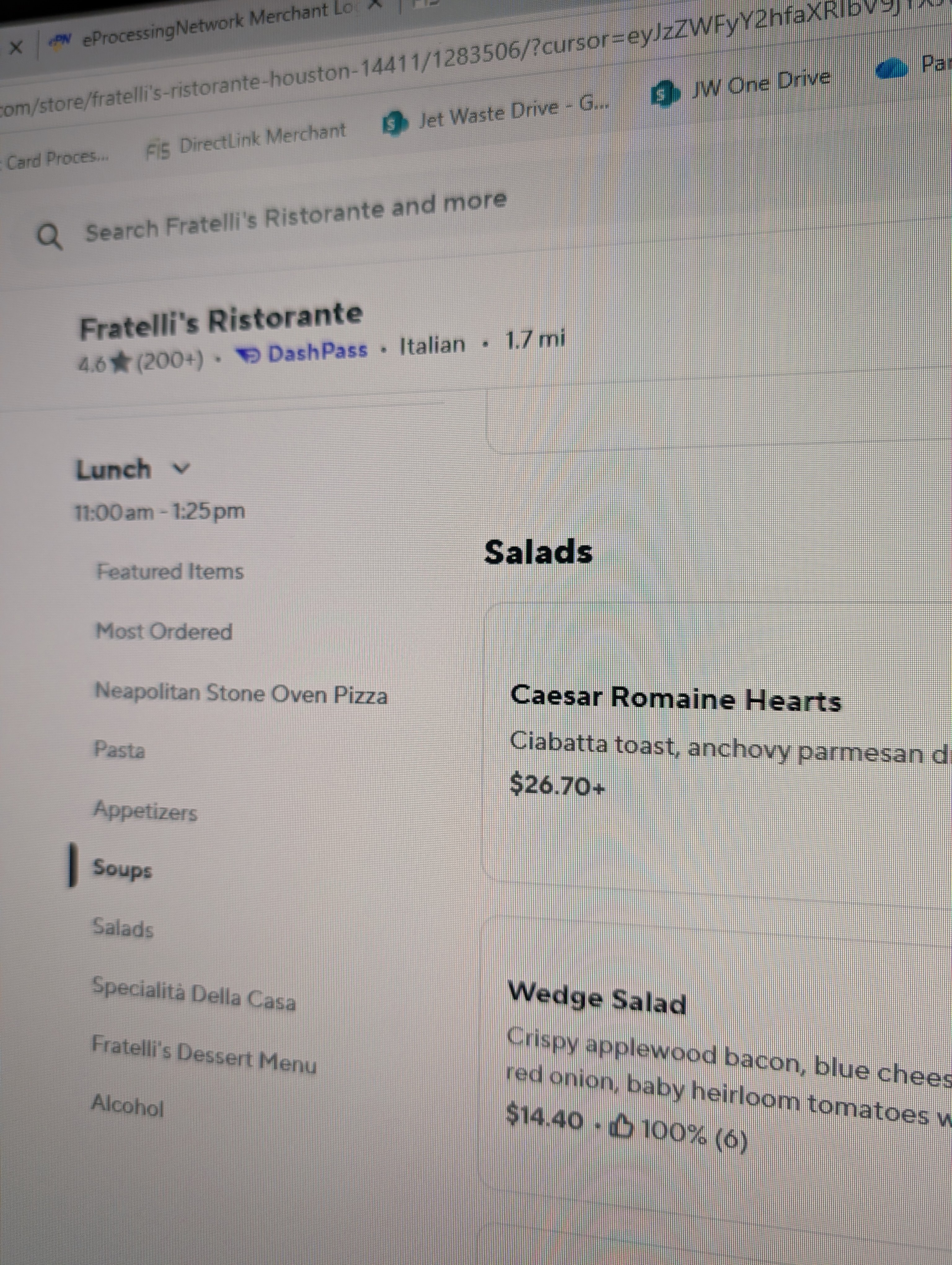
DoorDash food prices are frequently higher than in-store prices because restaurants independently increase their digital menu rates to offset the 15% to 30% commission fees charged by the platform. These markups, combined with service...
DoorDash food prices are frequently higher than in-store prices because restaurants independently increase their digital menu rates to offset the 15% to 30% commission fees charged by the platform. These markups, combined with service fees, delivery charges, and driver tips, typically result in a total cost that is 20% to 45% higher than dining in-person.
Contents
The Mechanics of Menu Inflation: Why Restaurants Charge More
When you browse the DoorDash app in 2026, you may notice that a burger priced at $12.00 on a physical menu costs $14.50 or $15.00 on the platform. This discrepancy is not a glitch; it is a strategic financial decision made by the merchant. Most restaurants operate on razor-thin profit margins, often between 3% and 6%. When a third-party delivery service like DoorDash takes a significant commission on every order, that profit margin disappears entirely or turns into a net loss for the business.
To protect their bottom line, merchants utilize the autonomy granted to them by DoorDash to set their own prices. While DoorDash provides guidelines, it does not mandate price parity between in-store and app menus. Consequently, restaurants often "bake" the commission costs into the item price. This allows the restaurant to maintain its margin while the consumer bears the cost of the convenience provided by the delivery infrastructure.
The Commission Tier System
DoorDash offers several partnership tiers for merchants, which directly influences how much a restaurant might mark up its food. In 2026, these tiers generally include:
- Basic Tier: Usually carries the lowest commission (around 15%) but limits the restaurant’s delivery radius and discoverability in the app.
- Plus Tier: A middle-ground commission (around 25%) that includes access to DashPass customers and increased visibility.
- Premier Tier: The highest commission (often 30%) which offers the largest delivery area and guarantees a certain number of orders or provides reimbursement for missing items.
A restaurant on the "Premier" tier is almost forced to raise prices by at least 20-30% just to break even compared to a walk-in customer.
A Comprehensive Breakdown of DoorDash Fees
Beyond the inflated base price of the food, several other line items contribute to the total cost. Understanding these fees is essential for consumers who want to audit their spending on the platform.
Service Fees
The service fee is a percentage-based charge that DoorDash applies to the subtotal of the order. This fee is designed to cover the operational costs of the platform, including technology maintenance, customer support, and insurance. In 2026, service fees typically range from 10% to 15% of the order subtotal, though they may vary based on the merchant’s specific agreement with DoorDash.
Delivery Fees
The delivery fee is a flat rate charged for the logistics of moving the food from the restaurant to your door. This fee varies significantly based on the distance between the customer and the merchant, the demand for drivers at the time (surge pricing), and any active promotions. While some "partner" restaurants offer $0 delivery fees to attract customers, this is often subsidized by higher menu prices or higher service fees elsewhere.
Regulatory and Response Fees
In many jurisdictions, local governments have implemented caps on the commissions that delivery platforms can charge restaurants to prevent exploitation. In response, DoorDash and its competitors often implement "Regulatory Response Fees" or "Small Business Fees" in those specific regions. These fees are passed directly to the consumer to recoup the revenue lost due to the government-mandated commission caps.
Small Order Fees
If your subtotal does not meet a specific threshold (usually $10.00 to $12.00), DoorDash applies a "Small Order Fee." This is intended to ensure that the delivery remains economically viable for the platform and the driver, as the commission on a $5.00 item is insufficient to cover the base costs of the logistics chain.
Price Comparison: In-Store vs. DoorDash (2026 Estimates)
The following table illustrates how a standard meal's cost escalates when moving from an in-store purchase to a DoorDash delivery.
| Expense Category | In-Store Price | DoorDash App Price | Difference % |
|---|---|---|---|
| Menu Subtotal (2 Burgers, 2 Fries) | $32.00 | $38.50 | +20.3% |
| Sales Tax (Estimated 8%) | $2.56 | $3.08 | +20.3% |
| Delivery Fee | N/A | $3.99 | N/A |
| Service Fee (15%) | N/A | $5.78 | N/A |
| Regulatory/Small Biz Fee | N/A | $2.00 | N/A |
| Driver Tip (Suggested 18%) | N/A | $6.93 | N/A |
| TOTAL COST | $34.56 | $60.28 | +74.4% |
Note: In-store customers may also tip for service, but the comparison assumes a standard counter-service or takeout scenario for the baseline.
The Impact of DashPass on Total Pricing
To mitigate the recurring costs of fees, many frequent users opt for DashPass, DoorDash's subscription service. For a monthly or annual fee, DashPass members receive $0 delivery fees and reduced service fees on eligible orders.
While DashPass can significantly reduce the "fee" portion of the bill, it does nothing to lower the "inflated menu price." The restaurant still sets the price of the burger at $14.50 even if the customer is a DashPass member. Therefore, even with a subscription, consumers are still paying a premium compared to walking into the restaurant and ordering from the physical menu. For the subscription to be mathematically beneficial, a user generally needs to order at least two to three times per month to cover the cost of the membership through fee savings.
Why Pickup Through the App Still Costs More
A common misconception is that selecting the "Pickup" option in the DoorDash app will revert the prices to the in-store rates. In reality, restaurants usually apply the same inflated digital menu prices to pickup orders placed through the app as they do for delivery orders.
The reason is simple: DoorDash still charges a commission on pickup orders (though it is typically lower than the delivery commission, often around 6% to 10%). Because the restaurant is still losing a portion of the sale to the platform, they maintain the higher digital price point. To get the true "in-store" price, customers must usually order directly through the restaurant's own website, their proprietary app, or in person.
Legal and Consumer Transparency Issues
The practice of hidden menu markups has faced scrutiny from consumer advocacy groups and legal entities. The primary criticism is a lack of transparency; many customers believe the "Delivery Fee" and "Service Fee" are the only premiums they are paying.
In response to this pressure, DoorDash has updated its interface to be more transparent. Many listings now include a disclaimer stating, "Prices may be higher than in-store." However, the specific dollar amount of the markup remains obscured unless the consumer manually compares the app prices against the restaurant's official website. According to the Federal Trade Commission (FTC), transparency in "junk fees" and hidden markups is a priority for consumer protection, leading to stricter disclosure requirements for delivery platforms as of 2026.
Strategies to Avoid High Delivery Premiums
If you want the convenience of DoorDash without the excessive price hike, consider these tactical approaches:
- Direct Ordering: Check if the restaurant has its own website or app. Many local eateries use white-label delivery services that charge lower fees or offer the actual in-store menu price.
- Compare Multiple Platforms: Prices for the same restaurant can vary between DoorDash, Uber Eats, and Grubhub depending on the specific commission deals each platform has negotiated with the merchant.
- Use Promo Codes Wisely: DoorDash frequently offers "40% off your next order" promotions. These are often the only times when the total cost of delivery drops below the cost of dining in-store.
- Audit the "Offers" Tab: Look for restaurants offering "Buy One, Get One" (BOGO) deals. These promotions are designed to offset the markup and provide actual value to the consumer.
- Check for "Price Match" Guarantees: Some delivery platforms have experimented with price-matching in-store menus, though this is rare and usually limited to specific national chains.
Frequently Asked Questions
Is it legal for DoorDash to charge more than the restaurant?
DoorDash itself does not typically set the food prices; the restaurants do. It is legal for a business to set different prices for different sales channels (e.g., in-store vs. online) as long as those prices are clearly displayed to the consumer before the purchase is finalized.
Why does my receipt from the restaurant show a lower price?
If your delivery bag contains a physical receipt from the restaurant’s internal Point of Sale (POS) system, it will often reflect the in-store price. The difference between that receipt and what you paid on the app represents the merchant markup and the platform's service fees.
Does the driver receive any of the menu markup?
No. The menu markup goes entirely to the restaurant to cover the commission fees. Drivers are paid via a base pay from DoorDash (derived from service/delivery fees) plus 100% of the customer's tip.
How can I tell if a restaurant has marked up its prices?
The most reliable method is to open the restaurant’s official website in a separate browser tab and compare the prices of three standard items against the DoorDash listing. If the prices differ, a markup is in effect.
Does DashPass eliminate the price difference?
No. DashPass only reduces or eliminates certain fees (delivery and service fees). It does not change the base price of the food items, which are set by the restaurant.
Summary of Next Actions
To minimize your spending, always perform a quick price comparison before ordering. If the markup exceeds 20%, consider picking up the food directly or using the restaurant's proprietary ordering system. While the convenience of DoorDash is significant, being an informed consumer in 2026 requires looking beyond the "Delivery Fee" to the underlying menu inflation.
Image Gallery