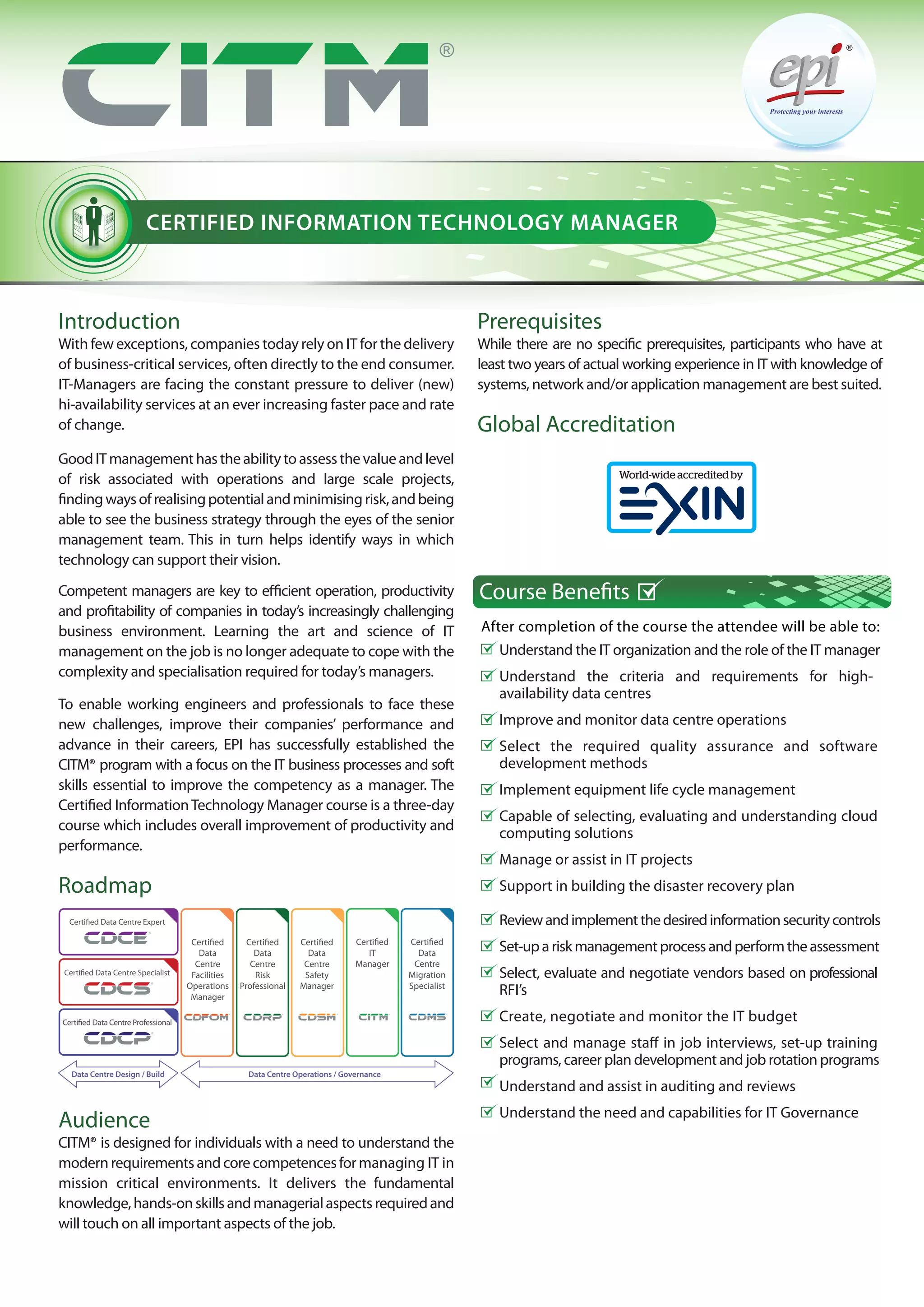
Essential Information Technology Manager Skills for Modern Enterprise Leadership
An information technology manager requires a balanced synthesis of technical proficiency, strategic planning, team leadership, financial budgeting, and risk mitigation. They bridge the gap between technical execution and enterprise str...
An information technology manager requires a balanced synthesis of technical proficiency, strategic planning, team leadership, financial budgeting, and risk mitigation. They bridge the gap between technical execution and enterprise strategy, ensuring infrastructure, software delivery, and cybersecurity align with organizational goals while empowering cross-functional engineering teams to operate efficiently.
Contents
Core Categories of IT Manager Skills
Succeeding as an Information Technology (IT) manager requires stepping beyond individual technical execution to master multi-disciplinary leadership. Modern IT infrastructure operates at the center of enterprise revenue generation, regulatory compliance, and operational efficiency. Consequently, an effective IT manager must cultivate competency across four primary functional domains.
Strategic Alignment and Business Acumen
An IT manager must translate high-level business goals into actionable technical roadmaps. Rather than evaluating software or infrastructure purely on technological merit, managers must measure technical investments against return on investment (ROI), total cost of ownership (TCO), and competitive advantage.
Business acumen enables IT managers to participate actively in executive strategy sessions. When business leaders plan to expand into new markets or streamline supply chain operations, the IT manager identifies the underlying digital requirements—such as application programming interface (API) integrations, scalable cloud architectures, or localized data compliance frameworks—and presents options in terms of business outcomes rather than technical jargon.
Technical Literacy and Architecture Oversight
While IT managers rarely spend their day writing production code or configuring firewalls, they require deep technical literacy to evaluate architectural proposals, assess technical debt, and make informed vendor selections.
A strong technical foundation allows managers to evaluate whether a proposed cloud migration model (such as rehosting versus refactoring) fits organizational capabilities. It also ensures they can ask probing questions during system outages, conduct rigorous vendor security assessments, and maintain credibility with senior engineers and architects. Technical domain knowledge typically spans cloud computing platforms, enterprise networking, database management systems, system architecture, and security operations.
Operational and Project Governance
Operational stability relies on standardized frameworks and consistent governance. IT managers oversee service delivery models, service level agreements (SLAs), and incident response protocols to maintain system uptime and user productivity.
Governance skills involve implementing established operational models, such as the IT Infrastructure Library (ITIL) framework, to structure change management, problem management, and service desk operations. Additionally, proficiency in modern project management approaches—including Agile, Scrum, Kanban, and traditional Waterfall methodologies—ensures technology initiatives deliver on schedule and within scope.
- IT Manager Skill Sets
- Strategic & Business
- ROI & TCO
- FinOps
- Alignment
- Technical & Operational
- Architecture
- Cyber Risk
- ITIL / SLA
- Leadership & Governance
- Mentorship
- Team Hiring
- Stakeholders
- Strategic & Business
People Management and Cross-Functional Leadership
The primary asset of any IT department is its talent. IT managers must excel at recruiting, mentoring, retaining, and managing diverse technical professionals, including systems administrators, cybersecurity analysts, network engineers, and software developers.
People leadership requires soft skills, such as empathy, active listening, conflict resolution, and career pathing. IT managers must create environment structures that reduce engineer burnout, promote psychological safety, and incentivize continuous learning. Furthermore, cross-functional leadership involves establishing strong relationships with peers in human resources, legal, finance, and operations to ensure smooth technical rollouts across department lines.
Technical Acumen vs. Strategic Leadership: Balancing the Spectrum
Transitioning from a senior technical role (such as senior systems engineer, developer, or network architect) to an IT management position represents a significant shift in responsibility. The primary challenge facing new managers is stepping back from direct technical execution to focus on organizational enablement.
- Individual Contributor (Hands-On Execution)
- Focus: Code, Architecture, Sysadmin Tasks
- Value Metric: Tickets closed, features shipped
- IT Manager (Strategic Enablement)
- Focus: Vision, Resource Allocation, Risk & Cost
- Value Metric: Team velocity, SLA uptime, Business ROI
When technical managers micromanage engineering tasks, they create operational bottlenecks and demoralize senior staff. Conversely, managers who lose touch with technical realities risk approving unviable project scopes or failing to account for critical software dependencies and security vulnerabilities.
| Responsibility Area | Individual Contributor (IC) Focus | IT Manager Focus |
|---|---|---|
| Primary Objective | Solves specific technical problems and builds solutions. | Aligns technical output with corporate business objectives. |
| Time Horizon | Focuses on immediate sprints, tickets, and quarterly tasks. | Plans multi-quarter strategies, annual budgets, and tech lifecycles. |
| Decision Making | Selects specific libraries, code patterns, and configurations. | Evaluates vendor SLAs, total cost of ownership, and resource allocation. |
| Communication | Uses detailed technical terminology with engineering peers. | Translates technical trade-offs into business impacts for executives. |
| Performance Metric | Measures code quality, ticket throughput, and uptime. | Tracks department retention, project ROI, and operational continuity. |
Achieving the right balance requires delegating operational control to team leads while maintaining technical oversight through structured reporting, key performance indicators (KPIs), and periodic architectural reviews.
Essential IT Manager Skills Matrix
The matrix below summarizes the core skills required for IT managers, along with their business impacts and primary evaluation tools:
| Skill Domain | Key Competencies | Primary Business Impact | Industry Frameworks & Tools |
|---|---|---|---|
| Cloud & Infrastructure | Hybrid cloud governance, infrastructure as code (IaC), vendor management | Optimizes operational agility and reduces infrastructure downtime | AWS, Azure, GCP, Terraform |
| Cybersecurity Management | Zero Trust architecture, identity access management (IAM), incident response | Mitigates breach risks and protects intellectual property | NIST Cybersecurity Framework, ISO/IEC 27001 |
| Financial Governance | Cloud cost management (FinOps), CAPEX/OPEX budgeting, SaaS licensing | Eliminates software sprawl and controls IT expenditures | FinOps Framework, ERP Financial Modules |
| Service Management | Incident response, change control, ticketing workflows, uptime tracking | Maintains operational continuity and improves end-user productivity | ITIL 4, ServiceNow, Jira Service Management |
| Strategic Leadership | Stakeholder management, vendor negotiation, team coaching | Aligns IT investments with enterprise growth and reduces turnover | OKR Framework, Agile/Scrum, PMP |
Critical Financial and Risk Management Competencies
Enterprise reliance on cloud software and modern infrastructure makes fiscal discipline and security management top priorities for technology leaders. Modern IT managers oversee significant capital expenditures (CAPEX) and operational expenditures (OPEX), requiring precise financial planning and proactive risk governance.
IT Budgeting, Procurement, and FinOps
Managing an IT budget extends beyond negotiating software renewal prices. Managers must account for initial implementation costs, internal labor, ongoing maintenance, training, and deprecation schedules.
- CAPEX vs. OPEX Management: Understanding the accounting mechanics between traditional capital hardware purchases (CAPEX) and cloud subscription models (OPEX) helps managers structure procurements that align with enterprise cash-flow targets.
- FinOps and Cloud Cost Optimization: Variable pricing models in cloud environments like Amazon Web Services (AWS) and Microsoft Azure require continuous financial governance. IT managers use FinOps practices to track instance utilization, right-size computing resources, eliminate unused cloud assets, and forecast monthly cloud expenditure accurately.
- Vendor and Contract Management: IT managers negotiate master service agreements (MSAs), statements of work (SOWs), and service level agreements (SLAs) with external suppliers. They monitor supplier performance against these baseline metrics to ensure contract compliance.
Cybersecurity Management and Compliance Strategy
Cybersecurity is no longer strictly the domain of a dedicated Chief Information Security Officer (CISO). IT managers oversee day-to-day security posture, ensuring engineering teams adhere to secure system baselines.
IT Governance & Risk Management
- Technical Safeguards
- Zero Trust & IAM
- EDR & Patching
- Disaster Recovery
- Regulatory Standards
- HIPAA / GDPR / CCPA
- SOC 2 Type II
- PCI-DSS
- Technical Safeguards
Risk Mitigation Frameworks: Managers implement risk management frameworks, such as the NIST Cybersecurity Framework or ISO/IEC 27001 standards, to identify vulnerabilities, protect critical systems, detect anomalies, and prepare incident recovery procedures.
Regulatory Compliance: Depending on the sector, IT systems must satisfy strict compliance mandates, such as the Health Insurance Portability and Accountability Act (HIPAA), General Data Protection Regulation (GDPR), California Consumer Privacy Act (CCPA), or Payment Card Industry Data Security Standard (PCI-DSS). IT managers establish operational controls to meet these audit requirements.
Disaster Recovery and Business Continuity: IT managers design, implement, and periodically test Disaster Recovery (DR) plans. This includes defining clear Recovery Time Objectives (RTO) and Recovery Point Objectives (RPO) to minimize data loss and downtime during system failures, ransomware attacks, or regional cloud outages.
Developing and Demonstrating IT Manager Competencies
Building leadership skills requires intentional professional development, practical application, and credentialing. Professionals transitioning from technical roles to management should use structured paths to build their business capabilities.
Recommended Certifications for Career Advancement
Industry-recognized certifications validate technical management capabilities and demonstrate commitment to global governance standards. Key programs include:
- Project Management Professional (PMP): Administered by the Project Management Institute, the PMP validates expertise in leading project teams, managing project lifecycles, and applying predictive and adaptive methodologies.
- Certified Information Security Manager (CISM): Offered by ISACA, CISM targets managers overseeing enterprise security programs, risk assessments, and compliance governance.
- ITIL 4 Foundation / Managing Professional: Focuses on standardizing IT service management workflows, aligning technical operations with business value, and optimizing end-user service delivery.
- Certified in the Governance of Enterprise IT (CGEIT): Focuses on alignment, resource optimization, and risk governance for senior technology leaders.
- AWS Certified Solutions Architect / Azure Solutions Architect Expert: While targeted at architects, holding top-tier cloud certifications helps managers oversee cloud transformation strategies.
Executive Education and Practical Leadership Experience
While certifications demonstrate specialized knowledge, formal business education—such as a Master of Business Administration (MBA) or Master of Science in Information Technology Management—provides broader executive skills. These programs cover corporate finance, strategic management, organizational behavior, and supply chain logistics.
For professionals currently in technical roles, practical exposure can be gained incrementally by:
- Leading cross-departmental technical initiatives as a technical project lead.
- Participating in annual budget preparation and vendor contract negotiations alongside current department managers.
- Mentoring junior engineers and supervising intern onboarding programs.
- Representing the IT team during cross-functional committee meetings with business operations, finance, and legal stakeholders.
Common Pitfalls in IT Management and How to Avoid Them
Even experienced technical professionals can run into leadership challenges when taking on IT management roles. Identifying these common failure modes early helps leaders adjust their management approach.
1. The Hands-On Trap (Failing to Delegate)
Former engineers often default to fixing technical problems themselves during operational outages or tight deadlines. While this resolves the immediate technical issue, it creates a systemic dependency on the manager, neglects broader management responsibilities, and undermines team ownership.
- Solution: Focus on coaching engineers through problem-solving frameworks rather than applying the solution yourself.
2. Over-Indexing on Technical Debt vs. Business Value
Technical managers may push to rebuild systems using new tools or clear legacy code that poses minimal business risk. Refactoring code without a clear business case drains limited department resources.
- Solution: Always tie technical debt remediation directly to business metrics, such as reducing system downtime costs, accelerating feature deployment speed, or improving security audit scores.
3. Siloed Operational Communication
Communicating with non-technical stakeholders using dense technical jargon alienates business partners and hurts department credibility.
- Solution: Reframe executive updates around operational risks, project delivery schedules, overall budget status, and direct customer impacts.
Frequently Asked Questions
What is the most important skill for an IT manager?
The single most critical skill is the ability to bridge technical requirements and business strategy. An effective IT manager translates technical concepts into clear business risks, costs, and strategic advantages, ensuring technology investments directly support enterprise goals.
Do IT managers need to know how to code?
While IT managers do not need to write production code daily, understanding software engineering principles, system design, and application lifecycles is highly beneficial. This technical foundation helps managers evaluate architectural proposals, set realistic timelines, and build credibility with their engineering teams.
How does an IT manager differ from an IT project manager?
An IT manager oversees people, operational budgets, system infrastructure, and ongoing department operations. In contrast, an IT project manager focuses on delivering specific technology initiatives within set time, scope, and budget constraints, without direct supervisory responsibility over department personnel.
Which certifications are best for aspiring IT managers?
The most valuable credentials include the Project Management Professional (PMP) for project execution, ITIL 4 for IT service delivery, and the Certified Information Security Manager (CISM) for security governance. Enterprise cloud architecture certifications from AWS, Microsoft, or Google also provide significant value.
How do IT managers manage cloud infrastructure costs effectively?
IT managers manage cloud spending by adopting FinOps frameworks, setting strict resource tagging policies, reviewing monthly usage reports, automated scaling rules, right-sizing underutilized compute assets, and leveraging reserved or spot instances for predictable workloads.
Next Steps for Aspiring and Current IT Managers
To build effective IT management capabilities, focus on practical actions that strengthen both business acumen and technical strategy:
- Conduct a Skill Gap Analysis: Assess your current competencies across technical architecture, financial management, project governance, and team leadership. Identify two target areas for improvement over the next 12 months.
- Pursue Targeted Credentials: Enroll in a structured certification program, such as PMP or ITIL 4, to formalize your operational governance and project leadership capabilities.
- Engage in Financial and Strategic Planning: Partner with your current department manager to review annual software license renewals, vendor contracts, and cloud infrastructure budgets.
- Establish Cross-Functional Relationships: Schedule regular check-ins with peers in non-technical departments (such as finance, sales operations, legal, and HR) to understand their operational challenges and identify how technology solutions can assist them.
Image Gallery