Navigating the Ink Business Credit Card: A Reference Overview
The Ink Business credit card portfolio by Chase comprises several distinct commercial lines tailored for self-employed individuals, small business owners, and corporate enterprises. These cards generally feature robust rewards structur...
The Ink Business credit card portfolio by Chase comprises several distinct commercial lines tailored for self-employed individuals, small business owners, and corporate enterprises. These cards generally feature robust rewards structures, substantial welcome offers, and comprehensive expense management tools designed to separate personal and business finances while maximizing return on everyday operational spending.
Contents
Choosing the right business credit card requires a structured approach to evaluation, weighing factors such as annual fees, reward redemption flexibility, introductory bonus thresholds, and specific category multipliers. This reference overview examines the core mechanics, eligibility requirements, card options, operational benefits, and potential pitfalls associated with the Chase Ink business lineup to help business owners make informed financial decisions.
Understanding the Chase Ink Business Portfolio
The Chase Ink lineup is built to cater to diverse business structures, ranging from freelancers and sole proprietors to large established corporations with multiple employees. Unlike personal credit cards, business credit cards report primarily to commercial credit bureaus, keeping commercial debt off personal credit reports under normal circumstances (though personal guarantees are almost universally required for approval).
The portfolio is segmented into options that focus on travel rewards, cash back, office supply purchases, telecommunications, and digital advertising. Understanding how these cards align with a company's cash flow and spending patterns is the first step toward maximizing their utility. Because rewards are typically earned in Chase Ultimate Rewards points, users have the flexibility to redeem points for cash back, statement credits, gift cards, or transfer them to a roster of airline and hotel loyalty programs if paired with an eligible premium travel card.
Key Card Variants in the Ink Family
The Chase Ink lineup traditionally features multiple distinct products, each engineered for specific purchasing behaviors. While card terms, bonuses, and specific earnings multipliers can evolve over time, the structural purpose of each card remains consistent.
Chase Ink Business Preferred
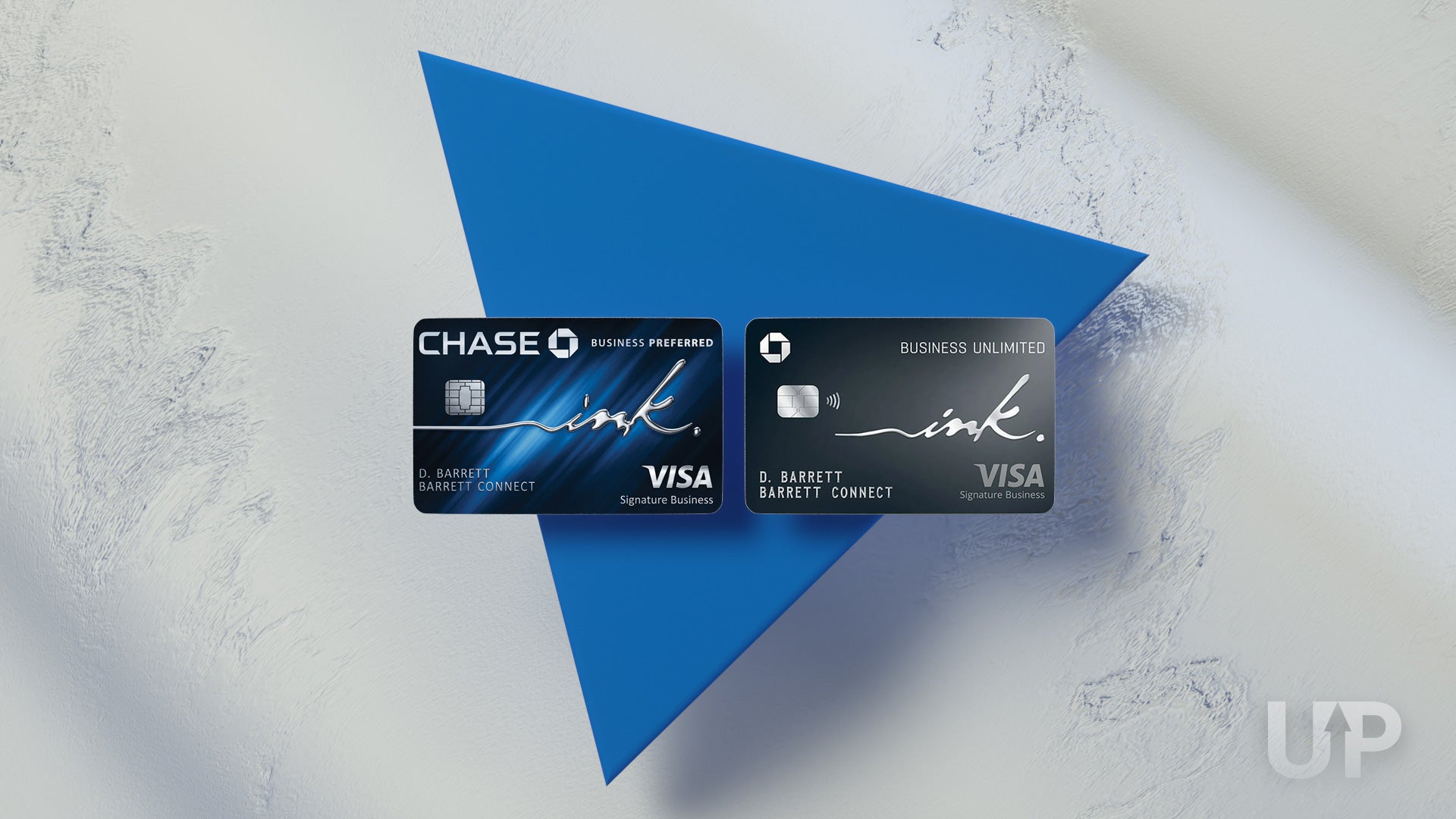
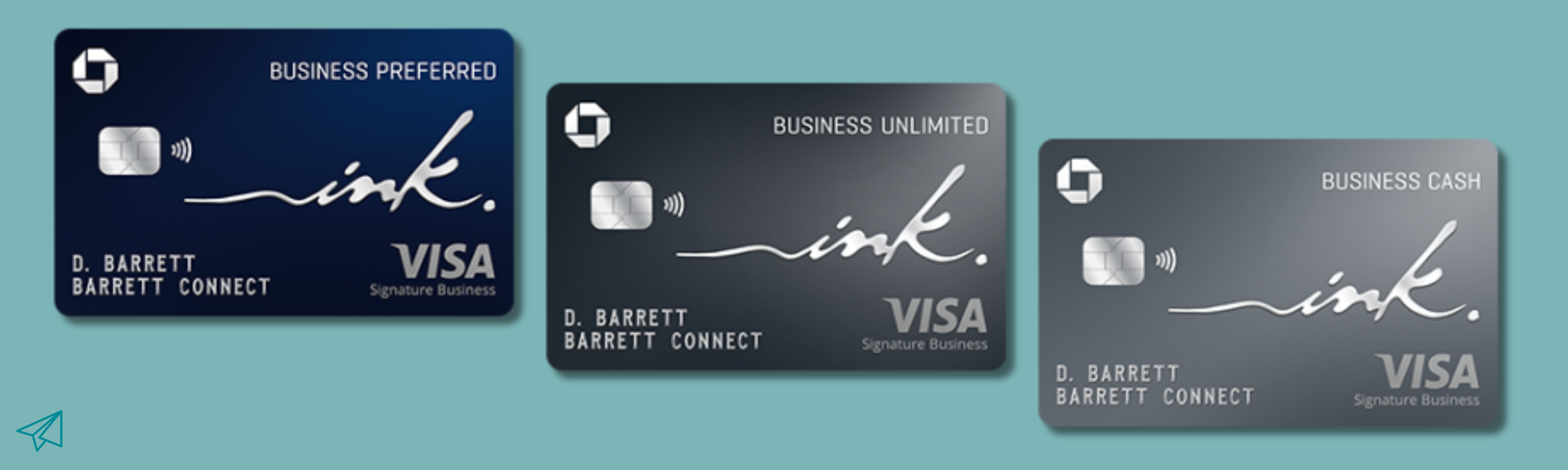
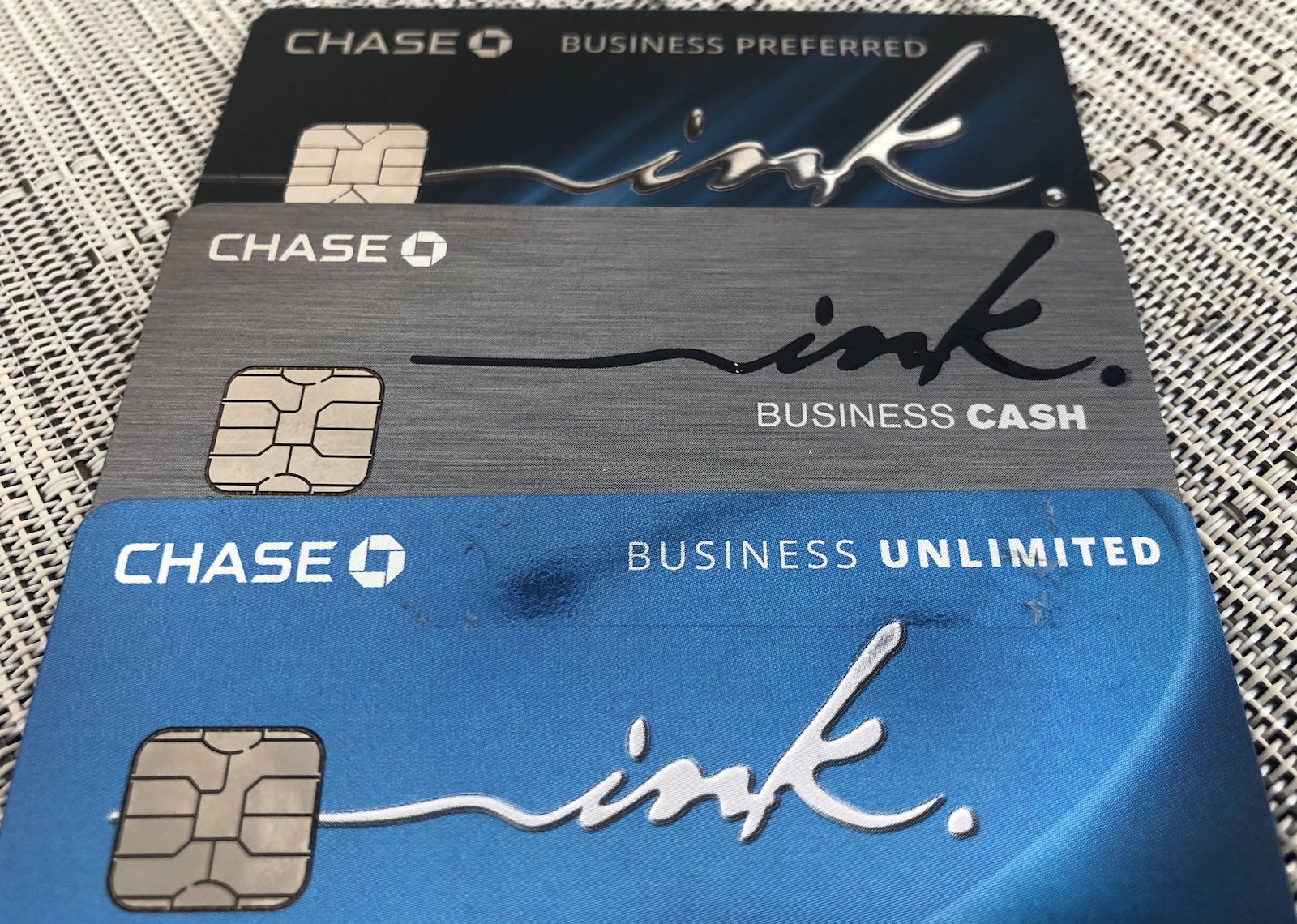
Positioned as the flagship travel and flex-rewards card of the lineup, the Ink Business Preferred is designed for businesses with significant spending in advertising, shipping, internet, cable, and phone services, as well as travel. It typically carries a moderate annual fee and features a high-value sign-up bonus for meeting initial spending requirements within the first few months of account opening. Points earned on this card carry a higher redemption value when booked through the Chase Travel portal or transferred to travel partners.
Chase Ink Business Cash
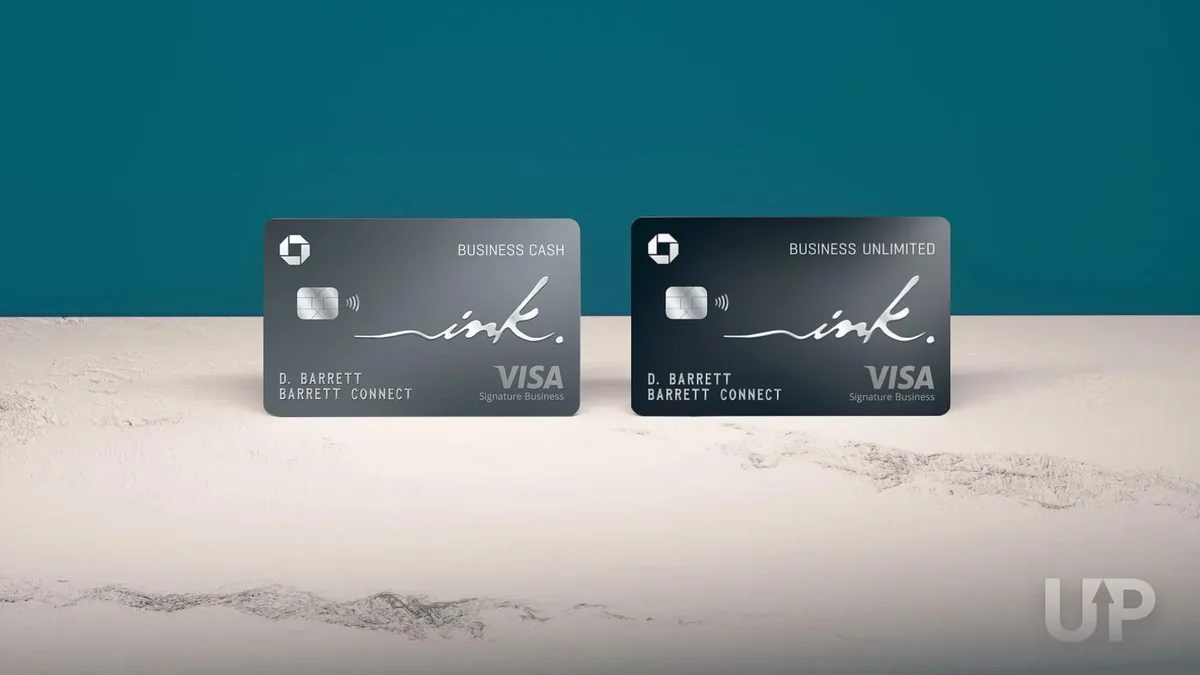
As a no-annual-fee option, the Ink Business Cash focuses on high-percentage cash back rewards in specific categories that many small businesses heavily utilize, such as office supply stores and internet, cable, and phone services. It provides tiered rewards that reward targeted spending up to specified annual caps, making it an efficient tool for businesses looking to minimize overhead costs while earning steady returns.
Chase Ink Business Unlimited
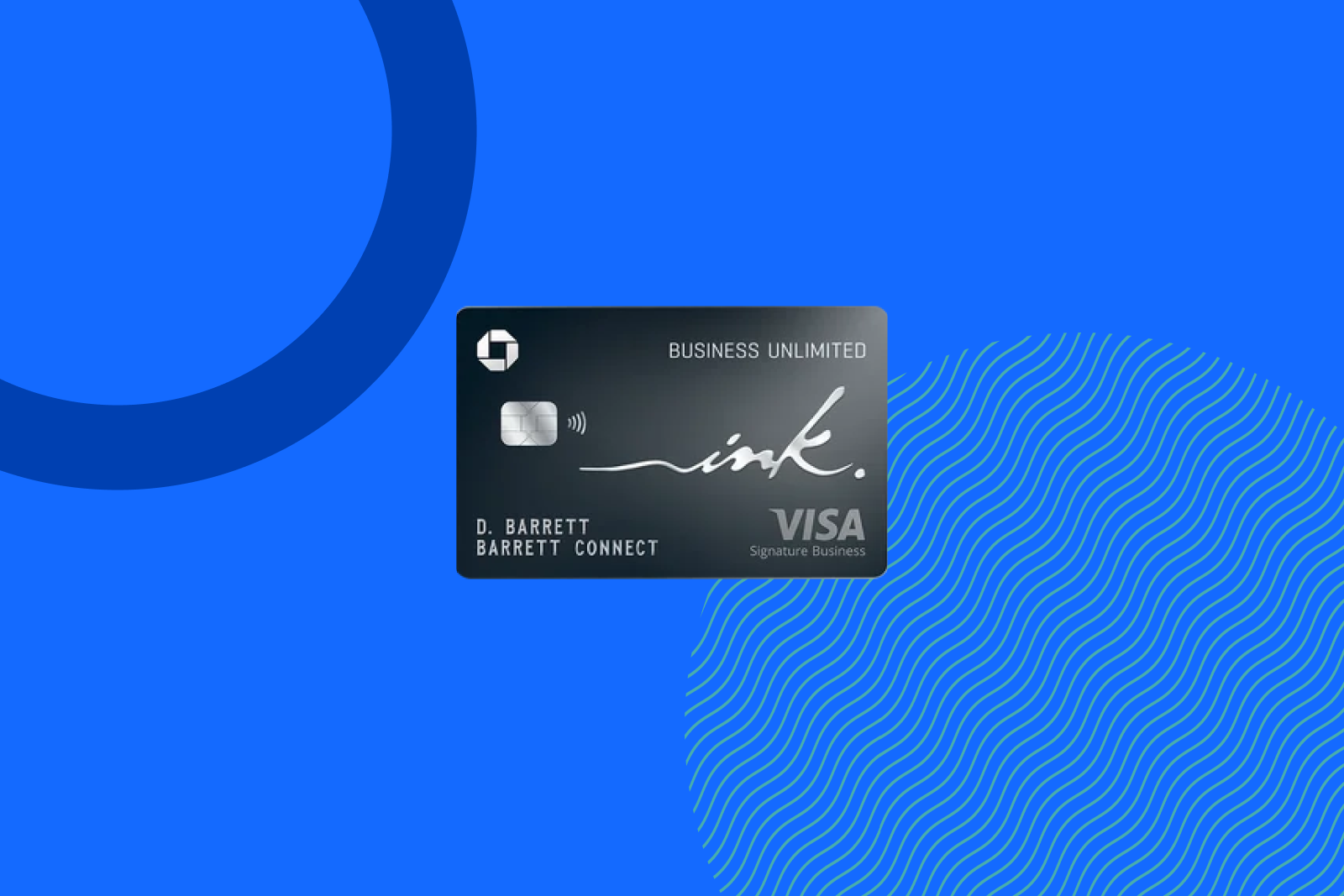
The Ink Business Unlimited is a flat-rate cash back card with no annual fee. It is engineered for simplicity, offering a fixed percentage back on every purchase regardless of the category. This makes it an ideal companion card for expenses that do not fall into bonus categories on other cards, ensuring that no business purchase goes unrewarded.
Core Features and Comparative Breakdown
To evaluate which card fits a specific business model, comparing their structural mechanics side-by-side helps clarify their practical value proposition.
| Card Name | Typical Annual Fee | Primary Bonus Categories | Best Suited For |
|---|---|---|---|
| Ink Business Preferred | Moderate Fee | Travel, Shipping, Internet/Cable/Phone, Advertising | Businesses with high ad spend, travel, and logistics costs |
| Ink Business Cash | $0 | Office Supplies, Internet/Cable/Phone | Businesses spending heavily on office tech and utilities |
| Ink Business Unlimited | $0 | Flat-rate on all purchases | Businesses wanting simple, non-tiered cash back rewards |
Eligibility Requirements and Application Considerations
Qualifying for a Chase Ink business credit card involves both general creditworthiness checks and specific institutional rules enforced by the issuer.
Who Qualifies as a Business?
You do not need a multi-million-dollar corporation to qualify for a business credit card. Sole proprietors, independent contractors, freelancers, gig workers, and side-hustle operators are all legally eligible to apply. When filling out an application, sole proprietors can typically use their own Social Security Number (SSN) as the business tax ID and their own legal name as the business name.
Issuer Rules to Keep in Mind
Applicants must navigate specific internal lending policies set by Chase. The most notable guideline is the 5/24 rule, which generally dictates that Chase will automatically deny any credit card application if the applicant has opened five or more personal or business credit cards across any bank in the previous 24 months. Additionally, applicants should maintain a strong personal credit score (typically in the good-to-excellent range, 700 or above) and demonstrate sufficient revenue to support the requested credit limit.
Expense Management and Operational Benefits
Beyond rewards and welcome offers, business credit cards serve vital administrative functions. Managing cash flow efficiently requires tools that integrate smoothly with modern accounting practices.
- Employee Cards: Most Ink cards allow business owners to issue employee cards at no additional cost. Owners can set individual spending limits for employees, helping to maintain strict budgetary control while still earning rewards on staff-generated expenses.
- Detailed Reporting: Chase provides annual summaries and categorized spending reports that can be exported directly into popular accounting software like QuickBooks, simplifying tax preparation and bookkeeping.
- Insurance and Protection: Depending on the specific card, business owners may receive complimentary primary or secondary rental car collision damage waiver insurance, purchase protection against theft or damage, and extended warranty protection on eligible items bought with the card.
Common Pitfalls and Best Practices
While business credit cards offer significant upside, mismanaging them can introduce financial and administrative risks.
- Mixing Personal and Business Finances: Always use the card exclusively for business transactions. Intermingling personal expenses complicates bookkeeping, makes tax audits more difficult, and can potentially weaken the legal liability protections associated with formal business entities like LLCs or corporations.
- Ignoring Minimum Spend Deadlines: Missing a welcome bonus threshold by a small margin due to poor timing can significantly reduce the return on opening a new account. Always align card applications with upcoming, planned business expenditures.
- Carrying Balances: High interest rates on business credit cards can quickly negate any rewards earned. Pay balances in full each month to avoid interest charges.
Frequently Asked Questions
Can a sole proprietor with no formal LLC apply for an Ink business card?
Yes. Sole proprietors, freelancers, and independent contractors are fully eligible to apply. You can use your own name as the business name and your Social Security Number as the tax identification number if you do not have an Employer Identification Number (EIN).
Does applying for an Ink business card hurt my personal credit?
The initial application typically results in a hard inquiry on your personal credit report, which can cause a minor, temporary drop in your personal score. However, once approved, the account balance and payment history generally do not report to your personal credit bureau files unless the account falls seriously delinquent or defaults.
Can I hold multiple Chase Ink cards at the same time?
Yes, it is possible to hold more than one Chase Ink card. Many business owners strategically combine cards—such as pairing the Ink Business Preferred for travel and advertising with the Ink Business Cash for office supplies—to maximize overall earnings.
How do Chase Ultimate Rewards points work across these cards?
Points earned on cash-back cards like the Ink Cash and Ink Unlimited can be converted into full travel rewards points if you also hold a card like the Ink Business Preferred or Chase Sapphire Preferred, allowing you to transfer those points to airline and hotel partner programs.
What happens if my business revenue is currently very low?
Approval is based on your overall credit profile, personal income, and any projected or existing business revenue. Even if your business is newly launched or generates modest revenue, you can still be approved based on your personal financial standing and credit history.
Next Steps for Business Owners
Before submitting an application, review your past 12 months of operational expenses to identify your highest spending categories. Match those expenditures against the reward structures of the Preferred, Cash, and Unlimited variants to determine which card will yield the highest return. Ensure your personal credit score is in good standing and verify that you meet institutional application guidelines before proceeding.
Image Gallery