Decoding the Hilary Duff Metamorphosis Photoshoot: Aesthetics, Concept, and Visual Legacy
The Hilary Duff Metamorphosis photoshoot, shot primarily by photographer Mark Liddell in 2003, served as the definitive visual blueprint for the singer's transition from Disney Channel star to mainstream pop-rock artist. Featuring laye...
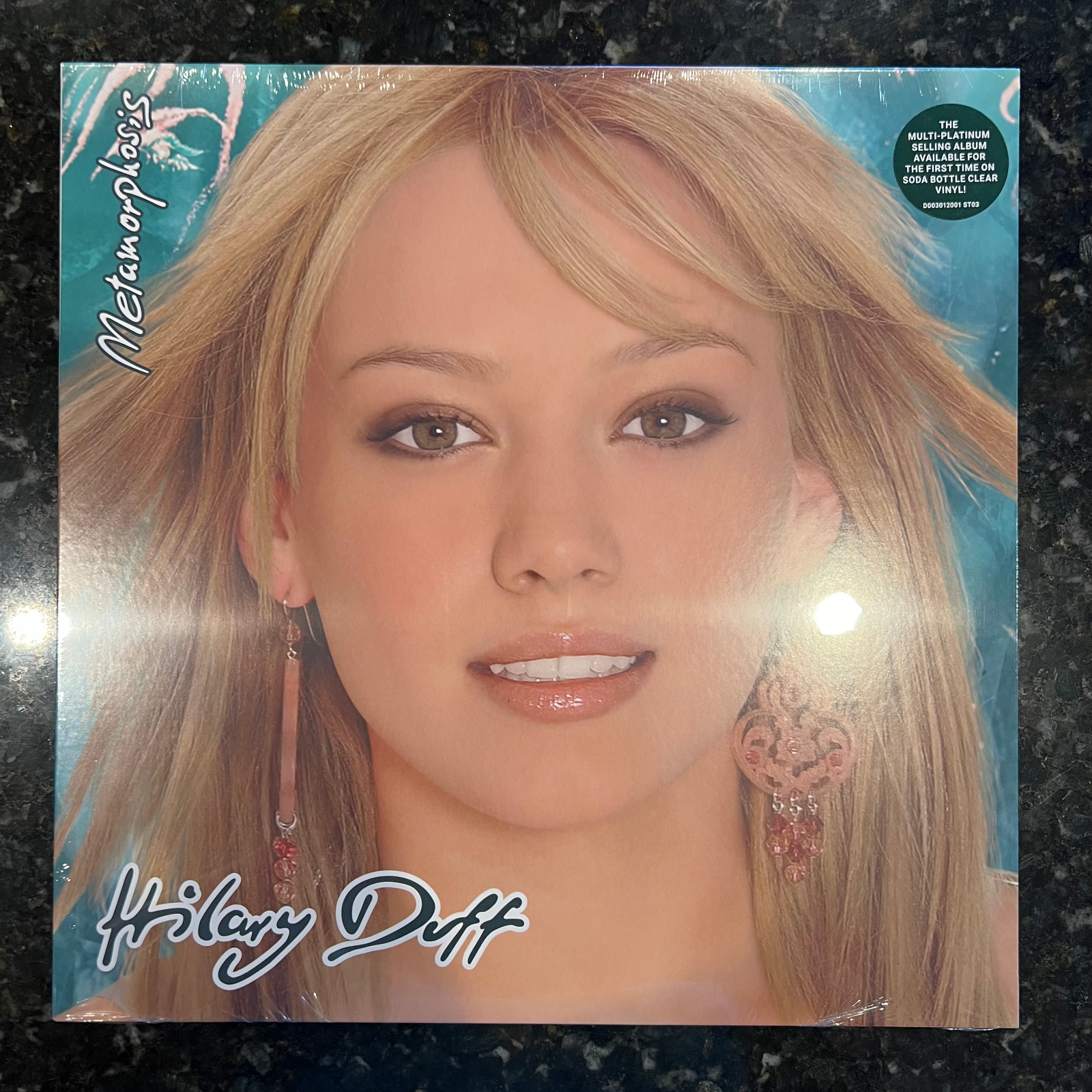
The Hilary Duff Metamorphosis photoshoot, shot primarily by photographer Mark Liddell in 2003, served as the definitive visual blueprint for the singer's transition from Disney Channel star to mainstream pop-rock artist. Featuring layered Y2K fashion, muted earth tones contrasted with bright pop lighting, and subtle butterfly visual motifs, the imagery established an accessible, edgy teen-pop aesthetic.
Contents
The Strategic Context Behind Metamorphosis (2003)
When Hollywood Records released Hilary Duff’s debut full-length studio album, Metamorphosis, on August 26, 2003, the project carried immense corporate and artistic weight. Duff was already a household name due to the massive success of Disney Channel's Lizzie McGuire. However, transitioning a child television star into a viable, long-term music recording artist required a total visual recalibration.
The primary challenge for the creative direction team was striking a delicate balance: the visual identity needed to feel significantly more mature than Lizzie McGuire without alienating her young core fanbase or leaning into the explicit sexualization that defined late-1990s and early-2000s teen pop stars.
The term Metamorphosis was chosen deliberately to reflect personal growth, artist evolution, and physical transformation. The accompanying album visual campaign—encompassing the front cover, liner notes booklet, and global promotional materials—had to execute this narrative instantly on retail shelves and in music magazines.
Deconstructing the Aesthetic: Wardrobe, Makeup, and Hair Styling
The visual identity of the Metamorphosis shoot is a quintessential representation of 2003 pop-rock culture. Rather than adopting high-fashion couture or hyper-polished dance-pop costumes, the styling grounded Duff in accessible, relatable youth fashion with a subtle pop-punk edge.
Wardrobe Architecture: Layered Soft-Grunge Meets Pop
The wardrobe selection avoided elaborate dresses in favor of casual, mix-and-match separates that reflected the era's rising female-led pop-rock movement (influenced heavily by artists like Avril Lavigne and Michelle Branch). Key styling components across the photographic session included:
- Layered Tank Tops: Combining vibrant inner camisoles with dark, low-cut outer tanks to create depth and contrast.
- Textured Denim and Leather: Low-rise denim jeans paired with leather wristbands, studded belts, and subtle metal jewelry.
- Distressed Graphics and Stripes: Graphic t-shirts with slightly frayed edges and thin-striped long-sleeve tops underneath sleeveless tees.
- Tactile Accessories: Fingerless gloves, layered silver chain necklaces, and simple charm bracelets, reinforcing a DIY garage-band aesthetic tailored for suburban teens.
Hair and Makeup Direction
The beauty direction played a pivotal role in distancing Duff from her television alter ego. While Lizzie McGuire featured crimped hair, glittery body spray, and colorful butterfly clips, the Metamorphosis shoot pivoted toward a sharper, more sophisticated aesthetic:
- Chunky Highlights and Texture: Duff’s blonde hair was styled with multi-tonal honey-blonde and brown lowlights, styled in piecey, textured waves with sharp side-swept bangs.
- Smoky Eyeliner: Makeup artists emphasized dark smudge-effect eyeliner along the waterline, paired with neutral lip gloss and clean, matte skin foundation.
- Muted Color Palette: The makeup relied on cool earthy tones—taupe, charcoal, and soft rose—to signal emotional depth and maturity.
Art Direction, Lighting, and Photography Mechanics
Photographer Mark Liddell, alongside Hollywood Records art director Enny Joo, crafted a distinct visual setting that felt both intimate and arena-ready.
- Visual Framing & Lighting
- Background: Muted Grays/Blues
- High-Key Key Light
- Subject: Hilary Duff
- Direct Soft Fill Light
- Foreground: Out-of-Focus Lens
- Rim Lighting for Hair Edge
- Background: Muted Grays/Blues
Studio Lighting and Lens Choices
The technical execution of the shoot relied on high-key lighting setups balanced by shadow play around the contours of the face and hair:
- Direct Soft Lighting: A large main softbox positioned close to the subject provided smooth key lighting across Duff's face, preserving a youthful complexion while minimizing harsh shadows.
- Rim Lighting for Hair Separation: Strong backlighting highlighted the multi-tonal streaks in her hair, creating a distinct separation between the subject and dark studio backdrops.
- Lens Compression: Moderate telephoto lenses (85mm to 105mm focal lengths) were utilized to compress the studio background, bringing intimate focus to her eye contact and facial expressions.
Color Grading and Composition
The post-production color grading of the official album booklet moved away from the neon saturation common in early 2000s teen pop photography. Instead, the images utilized a slightly desaturated palette with cool blue and slate gray shadows, juxtaposed against warm skin tones. Compositionally, Duff was frequently framed mid-torso or in close-up portraits, looking directly into the camera lens to build an authentic connection with the viewer.
Symbolic Motifs: The Butterfly and Transformation Narrative
Throughout the promotional photography, physical props and graphic overlays reinforced the theme of change. The butterfly—a classic visual symbol of transformation—was integrated with restraint.
Rather than using literal, childish butterfly motifs, the design team utilized abstract graphic overlays, subtle lighting patterns, and shadows that mimicked wing shapes. In several promotional stills, lens flares and backlighting created soft, shimmering ethereal halos around Duff, representing her emergence into independent stardom.
This visual metaphor extended into the album packaging itself. The liner notes features candid-style behind-the-scenes photography alongside formal portraiture, presenting Duff as a hard-working musician in rehearsals rather than just a manufactured studio talent.
Comparative Visual Analysis: Early 2000s Teen Pop Eras
To understand the specific impact of the Metamorphosis photoshoot, it is helpful to compare its visual components against contemporary pop releases of the late 1990s and early 2000s.
| Artist & Album | Release Year | Primary Visual Style | Key Aesthetic Elements | Creative Target Audience |
|---|---|---|---|---|
| Hilary DuffMetamorphosis | 2003 | Soft Pop-Rock / Y2K Suburban | Layered tanks, muted blue tones, smoky eyes, textured highlights | Tweens, young teens, mainstream pop fans |
| Britney Spears...Baby One More Time | 1999 | Bright Dance-Pop / Catholic School Uniform | Pastel backgrounds, braided hair, high-contrast studio lights | Broad mainstream pop, youth audience |
| Avril LavigneLet Go | 2002 | Street Pop-Punk / Skate Culture | Neckties, loose tank tops, dark eyeliner, urban street backdrop | Alternative youth, rock-leaning teens |
| Lindsay LohanSpeak | 2004 | Glam Pop-Rock / Industrial | Dark leather, metallic studio backgrounds, high-shine lips | Teen pop, celebrity lifestyle readers |
| Michelle BranchThe Spirit Room | 2001 | Acoustic Singer-Songwriter | Earth tones, natural lighting, acoustic guitar imagery | Alternative pop-rock listeners |
Recreating the 2003 Metamorphosis Aesthetic Today
For contemporary photographers, stylists, and creative directors aiming to capture the early-2000s pop-rock visual identity, the Metamorphosis shoot provides a clear technical roadmap.
Equipment and Studio Setup
- Camera & Lens: Full-frame camera paired with an 85mm f/1.8 or 70-200mm f/2.8 zoom lens shot at f/4 to maintain sharp focus across facial features while keeping backgrounds smooth.
- Key Light: Octabox placed 45 degrees off-axis from the model, elevated slightly above eye level.
- Hair/Rim Light: Medium strip box placed behind the subject opposite the key light to catch hair highlights.
- Background: Seamless paper background in slate gray, washed-out blue, or neutral beige.
Styling and Color Grading Rules
To recreate the visual mood accurately:
- Avoid Modern Glossy Highlighting: Keep skin coverage satin or semi-matte rather than ultra-dewy.
- Focus on Layered Textures: Combine cotton, denim, leather, and metal accessories within a single outfit.
- Color Balance: In digital post-processing, lower the global saturation by 10–15%, boost contrast slightly in the mid-tones, and push shadow tones toward cool cyan or navy.
Frequently Asked Questions
Who photographed the Hilary Duff Metamorphosis album photoshoot?
The primary album photography for Metamorphosis was captured by celebrity photographer Mark Liddell, with art direction led by Enny Joo for Hollywood Records.
Why was the photoshoot styled with a pop-rock edge instead of classic dance-pop outfits?
The creative team aimed to distinguish Hilary Duff from late-1990s dance-pop icons while maturing her image beyond Lizzie McGuire. Adopting a pop-rock aesthetic aligned her visually with popular early-2000s female instrumentalists and made her image relatable to teenage audiences.
Where was the Metamorphosis album cover shot?
The album cover and primary publicity stills were shot in studio facilities in Los Angeles, California, using custom seamless backgrounds, high-key lighting setups, and controlled studio environments.
What makeup products defined the Metamorphosis visual look?
The look was defined by smudged charcoal eyeliner along the lash lines, neutral nude-pink lip gloss, soft blush along the cheekbones, and a matte skin finish typical of early-2000s celebrity portrait photography.
How did the Metamorphosis photoshoot influence 2000s fashion trends?
The shoot popularized accessible suburban teen fashion, including layered tank tops, chunky multi-tonal hair highlights, low-rise denim, and fingerless accessories, making pop-star style easy for fans to replicate with off-the-rack clothing.
Strategic Summary and Creative Takeaways
The Metamorphosis photoshoot stands as a classic case study in image curation and artist re-branding. By avoiding extreme visual shifts and instead choosing an aesthetic grounded in soft pop-rock fashion, cohesive studio lighting, and clear visual symbolism, Hollywood Records successfully transitioned Hilary Duff into an international recording artist.
For modern image makers, the key takeaway from the Metamorphosis campaign is the power of visual restraint: aligning wardrobe, makeup, lighting, and symbolism directly with the underlying themes of the music creates an enduring pop-culture identity.
Image Gallery