What Is the Top Rated Shampoo for Hair Loss? A Science-Backed Guide
The top-rated shampoo for hair loss depends on the underlying cause of shedding, but Nizoral A-D (containing 1% ketoconazole) and Revita Hair Stimulating Shampoo consistently earn the highest clinical and consumer ratings. These formul...
The top-rated shampoo for hair loss depends on the underlying cause of shedding, but Nizoral A-D (containing 1% ketoconazole) and Revita Hair Stimulating Shampoo consistently earn the highest clinical and consumer ratings. These formulations target scalp inflammation, clear follicle-clogging sebum, and help reduce local dihydrotestosterone (DHT) levels on the scalp.
Contents
Disclaimer: This article is for informational purposes only and does not constitute medical advice. Hair loss can stem from hormonal, genetic, nutritional, or autoimmune factors. Consult a board-certified dermatologist for an accurate diagnosis and comprehensive treatment plan.
Understanding Hair Loss Shampoos: Expectations vs. Reality
Hair loss shampoos play an important supportive role in a comprehensive hair restoration regimen, but understanding their physical limitations is essential. Because shampoo is a rinse-off product that remains on the scalp for only three to five minutes, it cannot replace FDA-approved systemic or topical medications like oral finasteride or topical minoxidil for reversing advanced miniaturization.
Instead, top-rated hair loss shampoos work by optimizing the follicular microenvironment. They clear scalp debris, reduce surface microbes, calm micro-inflammation, and deliver active ingredients that attenuate local hormonal triggers.
- Scalp Cleansing: Removes sebum, DHT residue, and pollutants
- Microbe Suppression: Controls Malassezia yeast & inflammation
- Local DHT Inhibition: Delivers topical blockers (Ketoconazole)
- Circulation Support: Increases cutaneous blood flow (Caffeine)
When evaluating a hair thinning shampoo, dermatologists categorize hair loss into distinct clinical types:
- Androgenetic Alopecia (Pattern Baldness): Driven by genetic sensitivity to dihydrotestosterone (DHT), causing progressive follicle miniaturization. Shampoos targeting this condition require anti-androgenic or DHT-inhibiting agents.
- Seborrheic Dermatitis & Inflammatory Shedding: Excess sebum and fungal overgrowth trigger scalp erythema and scaling, forcing hair follicles prematurely into the telogen (resting/shedding) phase. Anti-fungal shampoos resolve this issue rapidly.
- Telogen Effluvium (Stress or Postpartum Shedding): Temporary, widespread shedding caused by physiological stress, illness, or nutritional deficits. Shampoos here focus on fiber fortification and gentle cleansing.
Key Active Ingredients Proven by Clinical Evidence
When reading product labels, user ratings matter less than ingredient concentrations. Dermatological research highlights several key compound categories:
1. Ketoconazole
Ketoconazole is an imidazole anti-fungal agent available in 1% over-the-counter (OTC) and 2% prescription strengths. Clinical studies show that ketoconazole reduces scalp population of Malassezia species while exerting a mild anti-androgenic effect. It disrupts local DHT binding to androgen receptors, helping reduce follicular miniaturization in male and female pattern hair loss.
2. Caffeine
Topical caffeine acts as a powerful stimulant for human hair follicles. It counteracts the suppressive effects of testosterone and DHT on keratinocyte proliferation. Research demonstrates that caffeine penetrates the hair follicle barrier within two minutes of application, enhancing follicular cell metabolism and extending the anagen (growth) phase.
3. Saw Palmetto (Serenoa repens)
Saw palmetto extract contains fatty acids and phytosterols that competitively inhibit 5-alpha-reductase, the enzyme responsible for converting testosterone into DHT. While oral saw palmetto is widely studied, botanical shampoos incorporating high-grade saw palmetto extract offer complementary topical support.
4. Salicylic Acid and Pyrithione Zinc
Salicylic acid acts as a keratolytic agent, dissolving dead skin cells and persistent sebum plugs surrounding the follicular infundibulum. Pyrithione zinc balances scalp microflora and reduces scaling. By maintaining an un-inflamed follicle opening, these compounds prevent scalp-driven telogen effluvium.
5. Niacinamide (Vitamin B3) and Biotin (Vitamin B7)
Niacinamide improves cutaneous microcirculation, enhancing blood flow and nutrient delivery to the dermal papilla cells. Biotin fortifies the hair shaft's structural keratin matrix, increasing elasticity and reducing shaft breakage, though topical biotin alone does not alter underlying genetic hair loss.
Analysis of the Top-Rated Shampoos for Hair Loss
Based on clinical trial data, dermatological recommendations, and long-term user satisfaction metrics, five specific shampoos stand out as top performers.
1. Nizoral A-D Anti-Dandruff Shampoo (Best Overall Clinical Rating)
Nizoral A-D remains the benchmark standard in hair preservation routines. Featuring 1% ketoconazole, it directly addresses both inflammatory scalp conditions and local androgen activity.
- Primary Mechanism: Anti-fungal clearing of Malassezia combined with local anti-DHT receptor competition.
- Pros: Backed by substantial dermatological literature; highly effective at resolving scalp itching, scaling, and inflammation; affordable and widely accessible.
- Cons: Can dry out the hair shaft if used daily; requires a hydrating conditioner on non-wash days.
- Ideal User: Individuals with pattern hair loss, oily scalps, or seborrheic dermatitis.
2. Revita High-Performance Hair Stimulating Shampoo (Best Multi-Active Formula)
Formulated by DS Laboratories, Revita combines ketoconazole, caffeine, apple polyphenol (procyanidin B2), copper peptides, and spin traps into a single vehicle designed to combat follicular aging.
- Primary Mechanism: Synergistic scalp stimulation, antioxidant protection, and anti-androgen delivery.
- Pros: Free of harsh sulfates; suitable for color-treated hair; incorporates multiple scientifically validated actives.
- Cons: Higher price point per ounce; requires strict adherence to a 5-minute contact window.
- Ideal User: Men and women seeking an advanced, all-in-one anti-thinning shampoo without harsh detergent sulfates.
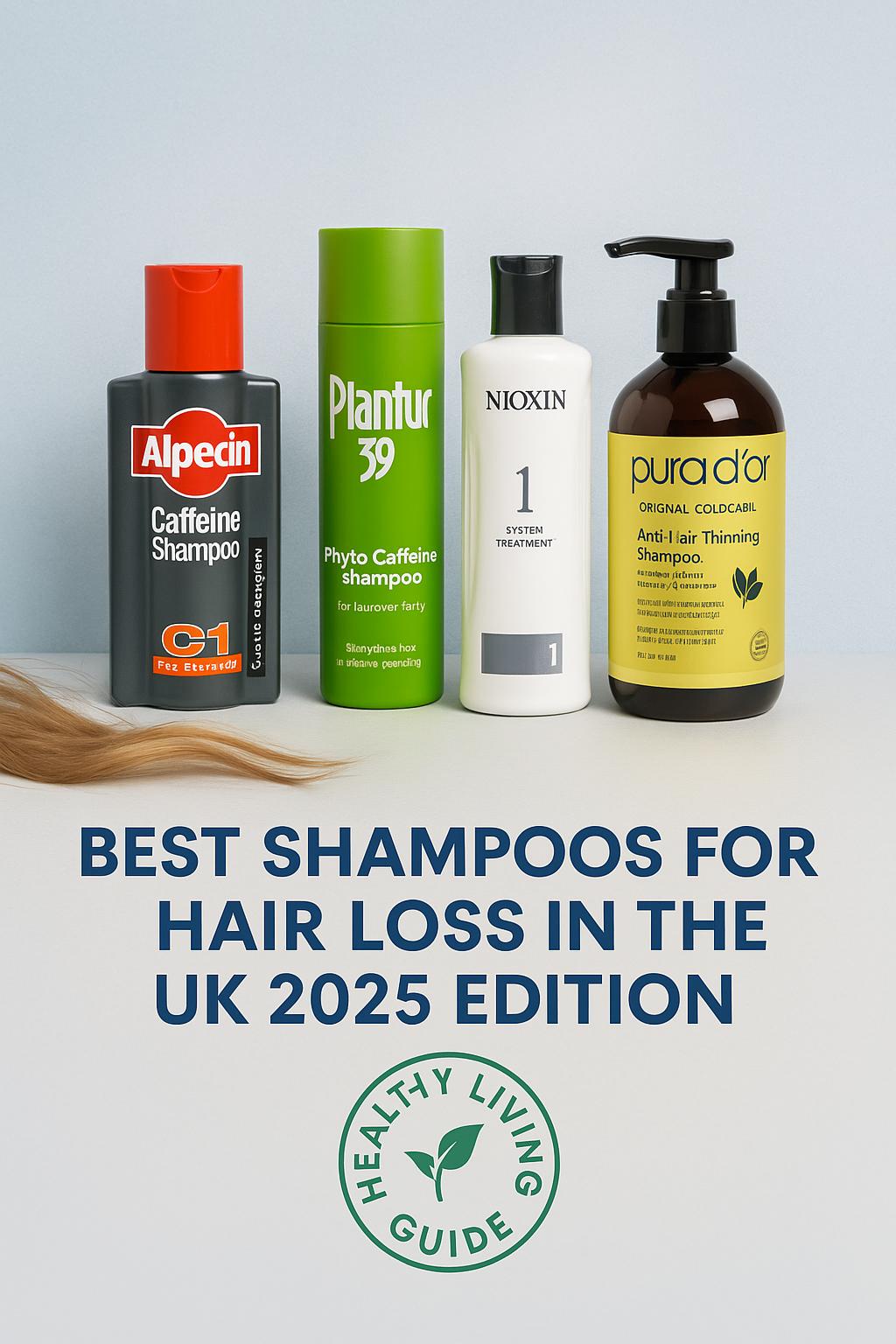
3. Pura D’or Original Gold Label Anti-Hair Thinning Shampoo (Best Natural/Botanical Rating)
Pura D’or Gold Label leads the herbal and organic hair care category. Its formula relies on a concentrated base of aloe vera combined with 17 key active botanical extracts, including saw palmetto, nettle leaf, pumpkin seed oil, and biotin.
- Primary Mechanism: Gentle scalp purifications combined with plant-derived 5-alpha-reductase inhibitors and hair-strengthening nutrients.
- Pros: Organic aloe base prevents scalp irritation; highly rated for reducing hair breakage; free of parabens, sulfates, and synthetic scents.
- Cons: Herbal scents may not appeal to all; botanical DHT blockers are generally less potent than ketoconazole.
- Ideal User: Individuals with sensitive scalps, mild thinning, or those who prefer natural, eco-friendly formulations.
4. Alpecin Caffeine Shampoo C1 (Best for Daily Energy & Circulation)
Originating in Germany, Alpecin C1 is one of the most popular caffeine-based anti-hair loss formulations globally. Designed specifically for daily use, it deposits caffeine directly into the scalp follicles within two minutes of contact.
- Primary Mechanism: Follicular energy stimulation and microvascular support via topical caffeine concentration.
- Pros: Inexpensive; easy daily routine integration; excellent for clearing scalp grease without over-drying.
- Cons: Contains sodium laureth sulfate, which can irritate extremely dry or sensitive scalps.
- Ideal User: Men in the early stages of androgenetic thinning seeking a simple, refreshing daily wash.
5. Neutrogena T/Sal Therapeutic Shampoo (Best for Scalp Psoriasis & Heavy Build-Up)
Neutrogena T/Sal features 3% salicylic acid without added fragrance, dyes, or preservatives. It is specifically formulated to clear crusty scalp build-up that chokes hair roots.
- Primary Mechanism: Intensive enzymatic and chemical exfoliation of stubborn scale and excessive sebum accumulation.
- Pros: Fragrance-free and hypoallergenic; rapidly removes heavy crusting; clears the path for leave-in topical serums (like minoxidil).
- Cons: Does not contain direct DHT blockers; requires pairing with a growth-stimulating serum.
- Ideal User: Individuals experiencing secondary hair shedding due to scalp psoriasis, severe dandruff, or heavy product accumulation.
Comparison of Top-Rated Hair Loss Shampoos
| Shampoo Name | Primary Active Ingredients | Target Scalp Condition | Key Mechanism | Best For | Price Level |
|---|---|---|---|---|---|
| Nizoral A-D | Ketoconazole 1% | Oily, Inflamed, Dandruff | Anti-fungal & Local Anti-DHT | Pattern Baldness & Seborrheic Dermatitis | $ (Budget) |
| Revita Shampoo | Ketoconazole, Caffeine, Copper Peptides | Aging, Thinning, Sensitive | Anti-DHT, Antioxidant, Stimulation | Comprehensive Anti-Thinning Care | $$$ (Premium) |
| Pura D'or Gold Label | Saw Palmetto, Nettle, Biotin, Argan Oil | Dry, Fragile, Weak Shafts | Botanical DHT Blocking & Fortification | Sensitive Scalp & Shaft Breakage | $$ (Mid-Range) |
| Alpecin Caffeine C1 | Caffeine, Niacin, Zinc PCA | Normal to Oily, Early Thinning | Microcirculation & Follicle Activation | Daily Follicle Stimulation | $ (Budget) |
| Neutrogena T/Sal | Salicylic Acid 3% | Scalp Psoriasis, Heavy Build-up | Keratolytic Exfoliation & Scalp Clearing | Scaling Build-up & Clogged Roots | $ (Budget) |
How to Choose the Right Hair Loss Shampoo
Choosing the correct shampoo requires matching active ingredients to your specific hair loss diagnosis and scalp environment:
- Identify Scalp Condition
- Oily, Flaky, Inflamed
- Ketoconazole 1% / Salicylic Acid
- e.g., Nizoral A-D / T/Sal
- Ketoconazole 1% / Salicylic Acid
- Dry, Sensitive, Fragile
- Aloe Base / Saw Palmetto / Sulfate-Free
- e.g., Pura D'or Gold Label
- Aloe Base / Saw Palmetto / Sulfate-Free
- Oily, Flaky, Inflamed
- For Androgenetic Alopecia (Hormonal Thinning): Prioritize shampoos containing Ketoconazole or Caffeine. These compounds actively interfere with local androgenic pathway signals on the scalp.
- For Seborrheic Dermatitis & Itchy Scalps: Look for Ketoconazole, Pyrithione Zinc, or Salicylic Acid. Reducing fungal overgrowth and scalp redness stops inflammatory telogen shedding.
- For Dry, Chemically Treated, or Brittle Hair: Select sulfate-free, aloe-based formulas rich in Biotin, Argan Oil, and Saw Palmetto. Sulfates can dry out damaged hair fibers, causing physical breakage that worsens thinning appearance.
Step-by-Step Guide: How to Use Hair Loss Shampoos Correctly
Using active hair loss shampoos improperly can significantly diminish their therapeutic efficacy. Follow this optimal application protocol:
Step 1: Pre-Rinse and Initial Cleanse
Rinse hair thoroughly with lukewarm water. If your scalp is particularly oily or has heavy styling product build-up, do a brief 30-second wash with a mild gentle shampoo first to strip surface grime.
Step 2: Apply and Lather the Active Shampoo
Dispense a nickel-to-quarter-sized amount of your active hair loss shampoo. Apply directly to the scalp rather than the ends of the hair. Massage gently using the pads of your fingers—never your fingernails—in small circular motions for 60 seconds to stimulate microcirculation.
Step 3: Observe the Contact Time Window (Crucial)
Allow the shampoo lather to sit on your scalp for 3 to 5 minutes before rinsing. Active agents like caffeine and ketoconazole require sustained contact time to penetrate the scalp stratum corneum and reach the follicular infundibulum.
Step 4: Rinse and Condition
Rinse hair thoroughly with cool to lukewarm water to remove all residual surfactant. Because therapeutic hair loss shampoos can be slightly drying, apply a moisturizing, weightless conditioner to the ends of the hair shaft (avoiding the immediate scalp root area).
- Pre-Rinse: Lukewarm water to open pores
- Target Scalp: Massage with finger pads (60 seconds)
- Wait Window: Leave on scalp for 3 to 5 minutes FULLY
- Cool Rinse: Remove all residue; condition hair ends only
Common Mistakes When Using Hair Loss Shampoos
Avoid these common pitfalls to ensure maximum scalp health and optimal treatment results:
- Rinsing Immediately: The single most common mistake is washing off active shampoos instantly. Ingredients like ketoconazole and caffeine cannot penetrate the scalp barrier in 15 seconds.
- Overwashing with Medicated Formulas: Using strong 1% or 2% ketoconazole shampoos seven days a week can cause severe scalp dryness, rebound oil production, and fiber brittleing. Limit medicated washes to 2–3 times per week, alternating with a hydrating sulfate-free wash.
- Expecting Shampoo Alone to Regrow Hair: Shampoos do not regrow dead hair follicles. Expecting a wash-off product to solve advanced pattern baldness without secondary clinical therapies leads to frustration.
- Neglecting Internal Factors: Hair loss can stem from thyroid dysfunction, low serum ferritin (iron), vitamin D deficiency, or severe stress. Relying entirely on topical shampoos while ignoring systemic blood work delays proper medical treatment.
Frequently Asked Questions
Can a hair loss shampoo completely cure genetic baldness?
No. Shampoo alone cannot cure genetic androgenetic alopecia. While top-rated shampoos containing ketoconazole or caffeine reduce local scalp DHT and clear inflammation, genetic hair loss is driven by internal systemic sensitivity. For long-term preservation and regrowth, shampoos should be paired with FDA-approved clinical therapies like topical minoxidil or oral finasteride under medical guidance.
How long does it take to see results from a hair loss shampoo?
Scalp health improvements—such as reduced itching, flaking, and oiliness—typically occur within 1 to 2 weeks. However, improvements in hair shedding rate and overall hair density require 3 to 6 months of consistent use, as hair growth cycles move slowly through anagen, catagen, and telogen phases.
Should I use a ketoconazole hair loss shampoo every day?
No. Ketoconazole shampoos are therapeutic treatments intended for use 2 to 3 times per week. Daily use can strip natural scalp oils, leading to dry, brittle hair fibers and potential scalp irritation. On non-medicated days, use a mild, hydrating, sulfate-free daily shampoo.
Is it safe to use hair loss shampoo alongside topical Minoxidil?
Yes. In fact, using a top-rated hair loss shampoo (especially one containing ketoconazole or salicylic acid) alongside topical minoxidil often improves overall results. Cleansing the scalp of excess sebum and dead skin cells allows topical minoxidil to penetrate the scalp surface more effectively.
Does Biotin shampoo actually make hair grow faster?
Topical biotin does not alter the genetic growth speed of hair roots. However, biotin absorbed into the outer cuticle helps strengthen the hair shaft structure, improving elasticity and reducing breakage. This makes hair appear thicker and fuller by preserving existing length.
Final Recommendation: Next Actions for Hair Preservation
If you are just beginning your hair restoration routine, start with a targeted approach:
- Assess Your Scalp: If your scalp is oily, itchy, or prone to flaking, select Nizoral A-D or Revita Shampoo to clear inflammation and reduce local DHT activity.
- Establish a Schedule: Use your primary therapeutic shampoo 2 to 3 times per week, allowing a strict 3- to 5-minute scalp contact time before rinsing.
- Consult a Professional: If hair shedding continues unabated for more than six weeks, schedule a consultation with a dermatologist. They can perform a scalp trichoscopy and order relevant blood panels to confirm your diagnosis and build a comprehensive treatment plan.
Editorial Category Metadata:
Image Gallery