Comprehensive Review and Ownership Guide for the 2013 Toyota RAV4 XLE
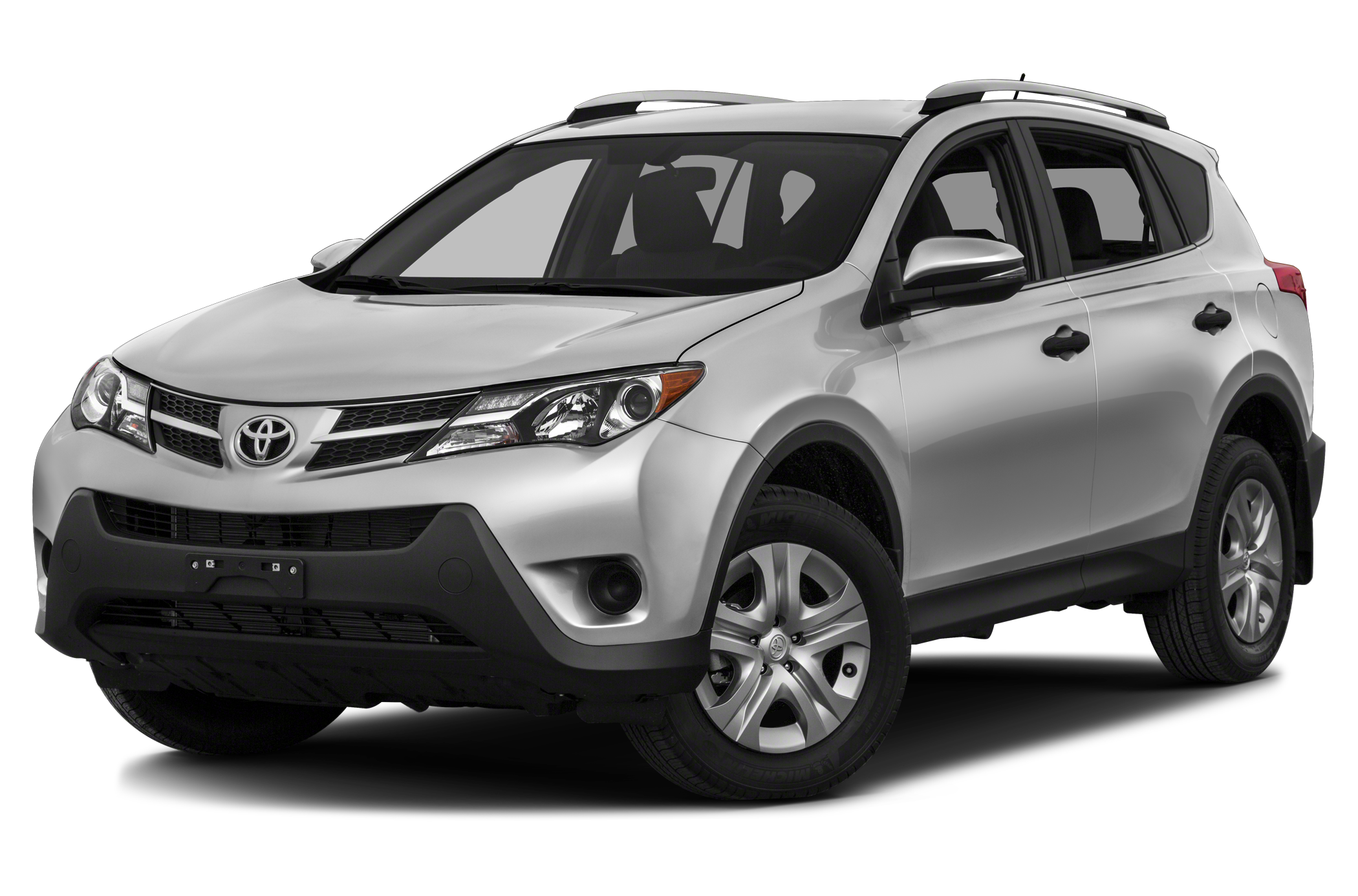
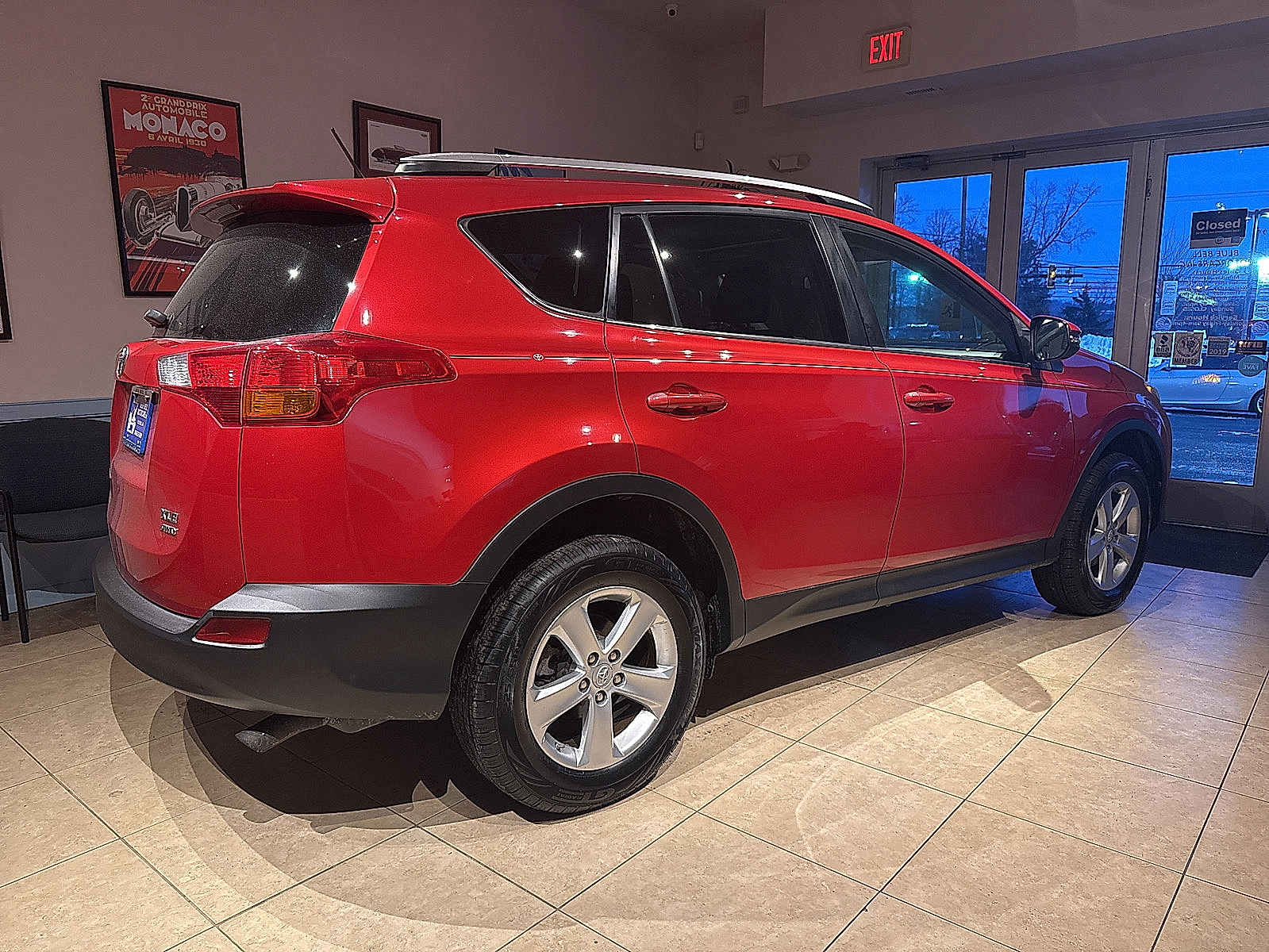
The 2013 Toyota RAV4 XLE represents the first model year of the fourth generation of Toyota's compact crossover SUV, featuring a redesigned exterior, a liftgate replacing the side-hinged door, and a refined interior. This comprehensive...
The 2013 Toyota RAV4 XLE represents the first model year of the fourth generation of Toyota's compact crossover SUV, featuring a redesigned exterior, a liftgate replacing the side-hinged door, and a refined interior. This comprehensive guide details technical specifications, long-term reliability metrics, ownership costs, and essential maintenance procedures for prospective buyers and current owners navigating the vehicle landscape in 2026.
Contents
Evolution and Core Engineering of the Fourth-Generation Compact SUV
The 2013 model year marked a significant pivot for the Toyota RAV4 lineup. Abandoning the previous generation's V6 engine option and rear-mounted spare tire, Toyota repositioned the vehicle toward sleek aerodynamics, improved fuel efficiency, and enhanced cabin ergonomics.
The XLE trim sits comfortably as the mid-tier option, bridging the gap between the base LE and the luxury-focused Limited trim. It introduced several standard conveniences that modern drivers expect, including dual-zone automatic climate control, fog lights, 17-inch alloy wheels, and a power moonroof.
Underneath the sheet metal, the chassis was engineered with high-strength steel to improve torsional rigidity while reducing overall weight. This structural integrity not only aids in collision safety but also provides a more planted, predictable driving dynamic compared to older iterations.
Powertrain Specifications and Performance Metrics
The mechanical backbone of the 2013 Toyota RAV4 XLE relies on a naturally aspirated four-cylinder engine paired with a traditional automatic transmission, steering clear of continuously variable transmissions (CVTs) used by many competitors during that era.
| Technical Parameter | Specification |
|---|---|
| Engine Type | 2.5L 4-Cylinder (2AR-FE) |
| Horsepower | 176 hp @ 6,000 RPM |
| Torque | 172 lb-ft @ 4,100 RPM |
| Transmission | 6-speed automatic with Sequential Shift |
| Drivetrain Options | Front-Wheel Drive (FWD) or Dynamic Torque Control All-Wheel Drive (AWD) |
| Fuel Economy (EPA Estimates) | 24 City / 31 Highway / 26 Combined (FWD); 22 City / 29 Highway / 25 Combined (AWD) |
| Towing Capacity | 1,500 lbs (when properly equipped) |
The 2.5-liter 2AR-FE engine is widely regarded by automotive technicians as a robust, low-maintenance powerplant. Utilizing a timing chain rather than a rubber timing belt, it reduces long-term service intervals. The 6-speed automatic transmission delivers crisp, reliable shifts, though drivers should note that highway passing power requires a heavy foot, as peak torque is delivered higher in the rev range.
Interior Ergonomics, Cargo Capacity, and Technology
Stepping inside the 2013 RAV4 XLE reveals a driver-centric cockpit defined by contrasting dashboard materials, clear analog gauges, and a 6.1-inch Entune infotainment touchscreen. While technology from 2013 lacks modern native smartphone integration like Apple CarPlay or Android Auto without aftermarket head unit replacements, the base system includes Bluetooth hands-free phone capability, audio streaming, and a USB port.
- Seating Comfort: The XLE features sport-bolstered cloth front bucket seats designed to reduce fatigue on long road trips. The driver seat includes 6-way manual adjustments, while the front passenger gets 4-way adjustments.
- Rear Passenger Space: Rear legroom measures 37.2 inches, offering adequate space for adults. The rear seats also feature a reclining mechanism and a 60/40 split-folding design.
- Cargo Volume: With the rear seats upright, the cargo area provides 38.4 cubic feet of space. Folding the second row flat expands the capacity to 73.4 cubic feet, aided by a low load floor made possible by relocating the spare tire underneath the cargo deck.
Safety Ratings and Structural Protection
Safety remains a paramount concern for families and commuters evaluating a pre-owned vehicle. The 2013 Toyota RAV4 performed strongly in crash safety evaluations conducted by major independent and federal organizations.
- Insurance Institute for Highway Safety (IIHS): The vehicle earned the organization's highest rating of "Good" in moderate overlap front, side, roof strength, and head restraint tests. However, it received a "Poor" rating in the early small overlap front test, which was a notoriously difficult benchmark introduced around that model year.
- National Highway Traffic Safety Administration (NHTSA): The RAV4 secured an overall 4-star safety rating out of a possible five stars, highlighting 4 stars in frontal crash tests, 5 stars in side crash evaluations, and 4 stars in rollover resistance.
- Active Safety Features: Standard equipment includes anti-lock disc brakes (ABS), traction control, stability control, electronic brake-force distribution, brake assist, and eight standard airbags, including a driver knee airbag and front passenger seat-cushion airbags.
Pros and Cons of Ownership
Evaluating the real-world advantages and drawbacks of the 2013 RAV4 XLE helps potential buyers align their expectations with ownership realities.
- Pros:
- Exceptional long-term reliability and mechanical longevity.
- Generous cargo room and a flat loading floor.
- Refined ride quality that absorbs road imperfections smoothly.
- Simple, tactile climate and audio controls that minimize driver distraction.
- Strong resale value relative to competitive compact SUVs of the same era.
- Cons:
- Engine noise can become intrusive under heavy acceleration.
- Lack of factory active driver-assist safety suites (such as lane keep assist or adaptive cruise control).
- Outdated infotainment interface by modern standards.
- Lower towing capacity compared to V6-equipped predecessors.
Comprehensive Maintenance Schedule and Common Issues
While the 2013 RAV4 XLE is mechanically durable, high mileage brings specific wear items that require attention to maintain peak performance.
Routine Service Intervals
- Every 5,000 Miles: Perform synthetic 0W-20 oil and filter changes, tire rotations, and multi-point inspections.
- Every 30,000 Miles: Replace engine air filters and cabin air filters; inspect brake pads, rotors, and fluid levels.
- Every 60,000 Miles: Inspect spark plugs, drive belts, suspension components, and differential fluid (for AWD models).
- Every 100,000 Miles: Replace spark plugs and flush the coolant system.
Known Technical Quirks and Remedies
- Oil Consumption: Early iterations of the 2AR-FE engine occasionally experience minor valve guide seal wear, though this is far less common than the older AZ-series engines. Regularly check oil levels between changes.
- Power Liftgate Malfunctions: Some owners report sluggishness or failure in the power liftgate struts due to motor wear or cold weather battery voltage drops. Lubricating hinges and replacing aging 12V batteries typically resolves these issues.
- Infotainment Glitches: The original Entune software can occasionally freeze or fail to pair with modern smartphones via Bluetooth. Updating the firmware via USB or upgrading to an aftermarket CarPlay-compatible head unit is a common remedy.
Frequently Asked Questions
Does the 2013 Toyota RAV4 XLE have a backup camera?
Yes, a rearview camera is standard equipment on the 2013 RAV4 XLE, displaying feeds directly on the 6.1-inch dashboard touchscreen. This feature aids significantly in tight parking situations and backing out of driveways.
What is the difference between the 2013 RAV4 LE, XLE, and Limited?
The LE is the entry-level model with steel wheels and basic amenities. The XLE adds alloy wheels, dual-zone climate control, fog lights, a power moonroof, and sport seats. The Limited adds leatherette upholstery, a power liftgate, push-button start, and an upgraded audio system.
Can the 2013 RAV4 XLE handle off-road driving?
While equipped with available All-Wheel Drive and a Lock Mode for low-speed traction, the RAV4 XLE is designed primarily for inclement weather and light gravel trails rather than heavy rock crawling, due to its modest ground clearance of 6.3 inches.
Is the 2013 RAV4 XLE fuel-efficient for daily commuting?
Yes, the front-wheel-drive variant delivers an EPA-estimated 24 mpg city and 31 mpg highway, making it an economical choice for urban and suburban highway commuters alike.
How many miles can a 2013 Toyota RAV4 XLE last?
With routine preventative maintenance, fluid changes, and timely replacement of wear items, the 2013 RAV4 routinely crosses the 200,000 to 250,000-mile threshold without major mechanical failures.
Securing Your Next Steps in Vehicle Selection
Navigating the pre-owned market requires careful inspection of service history records, verification of clean titles, and professional pre-purchase mechanical inspections. When evaluating a 2013 Toyota RAV4 XLE, prioritize examples with documented oil change histories and well-maintained suspension components. Schedule a comprehensive test drive today to evaluate ride comfort, transmission shift points, and electronics functionality firsthand.
Image Gallery