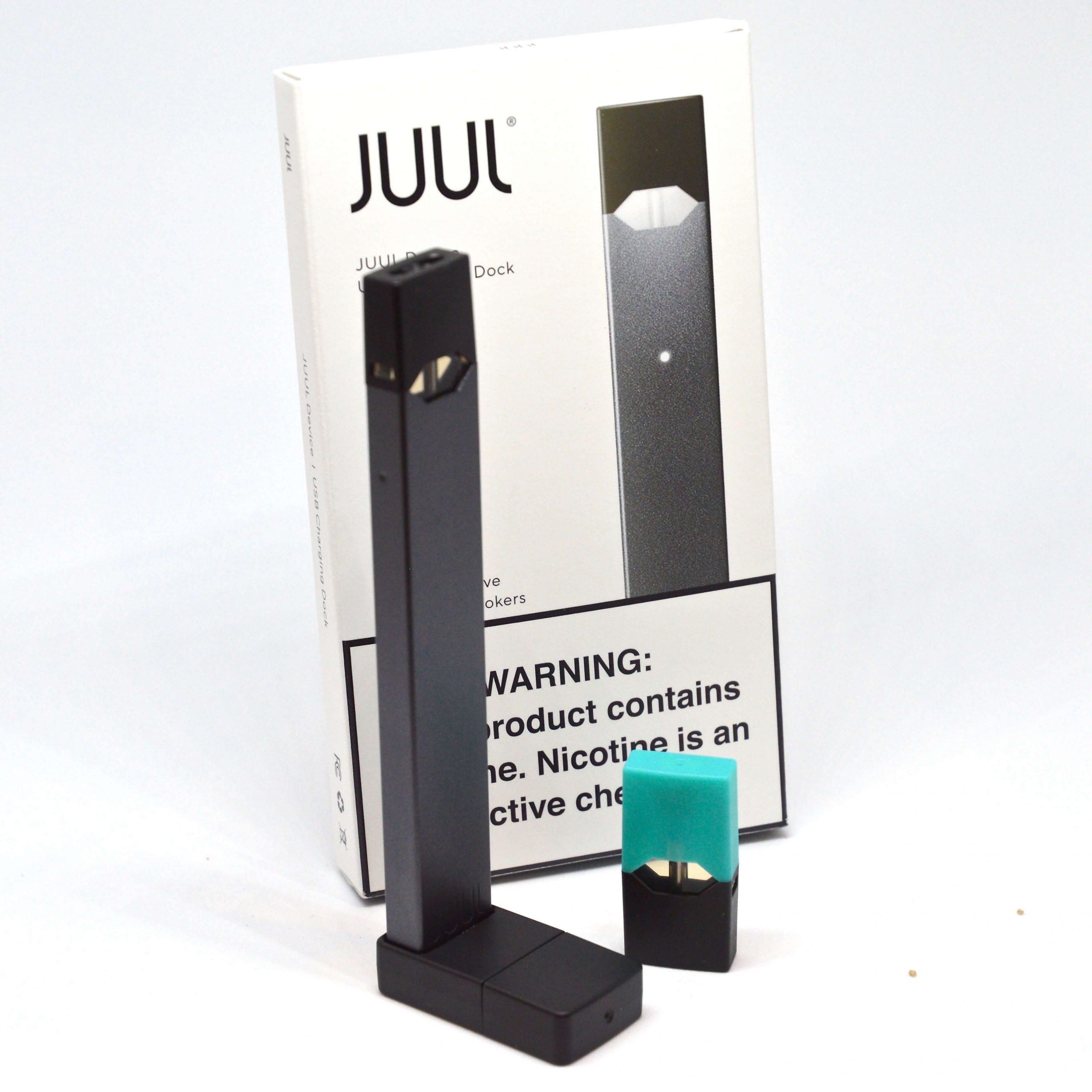
Juul Labs Net Worth Explained: Valuation, Litigation, and the 2026 Outlook
As of 2026, Juul Labs’ valuation is estimated to be between $500 million and $1.1 billion, representing a staggering 97% decline from its 2018 peak of $38 billion. This valuation reflects the company’s transition from a dominant market...
As of 2026, Juul Labs’ valuation is estimated to be between $500 million and $1.1 billion, representing a staggering 97% decline from its 2018 peak of $38 billion. This valuation reflects the company’s transition from a dominant market leader to a niche player navigating heavy regulatory oversight and multi-billion-dollar litigation settlements.
Contents
Understanding the "net worth" of Juul Labs—more accurately described as its enterprise valuation—requires looking past simple sales figures. For a private company that once controlled over 70% of the U.S. e-cigarette market, its current value is tied less to immediate profit and more to its remaining intellectual property, its ability to secure long-term FDA authorizations, and its successful navigation of debt restructuring.
The Meteoric Rise: The $38 Billion Peak
To understand Juul’s current financial standing, one must first look at the benchmark set in December 2018. At that time, Altria Group (the parent company of Philip Morris USA) invested $12.8 billion for a 35% stake in Juul Labs. This investment effectively valued the startup at $38 billion, making it one of the most valuable private companies in the world—surpassing the early valuations of giants like Airbnb and SpaceX.
During this period, Juul's net worth was driven by explosive growth. The company’s sleek, USB-like design and high-nicotine "salt" pods revolutionized the industry. Investors viewed Juul as the "iPhone of vaping," a disruptive technology poised to capture the trillion-dollar global tobacco market. Revenue was doubling year-over-year, and the company was expanding into dozens of international markets including the UK, Canada, and parts of Asia.
However, this valuation was built on a foundation that regulatory bodies would soon challenge. The high valuation assumed that Juul would maintain its massive market share without significant intervention from the Food and Drug Administration (FDA) or the legal system.
The Precipitous Decline: Regulatory and Legal Headwinds
The erosion of Juul's net worth began in earnest in 2019, driven by what the FDA termed a "youth vaping epidemic." The company faced a series of catastrophic events that systematically dismantled its market value:
- FDA Marketing Denial Orders (MDOs): The FDA’s scrutiny of Juul’s Premarket Tobacco Product Applications (PMTAs) created immense uncertainty. In 2022, the FDA issued a stay on Juul’s products, which, although later suspended for further review, signaled that the company’s primary revenue stream was at existential risk.
- Litigation Settlements: Juul faced thousands of lawsuits from school districts, states, and individuals. By late 2023, the company had agreed to pay nearly $3 billion in various settlements to resolve claims that it targeted minors and misrepresented the risks of its products. These settlements drained the company’s cash reserves and required significant new financing.
- Banning of Flavors: The elimination of popular flavors like mango and mint—which accounted for a vast majority of Juul’s sales—severely hampered its revenue-generating capacity.
By 2020, Altria had already begun writing down the value of its investment. By late 2022, Altria’s internal valuation of Juul had dropped to $450 million, a 96% decrease from its original investment price.
The Altria Divorce and the 2026 Private Landscape
A pivotal moment for Juul’s net worth occurred in early 2023 when Altria Group officially exited its stake in the company. Altria traded its minority investment for certain Juul intellectual property rights related to heated tobacco technology. This "divorce" was a double-edged sword for Juul’s valuation.
On one hand, it removed the financial backing of one of the world's largest tobacco companies. On the other, it freed Juul from non-compete agreements that had prevented it from seeking new partnerships or being acquired by other tobacco giants.
In 2026, Juul Labs operates as a leaner, highly specialized entity. Its net worth is no longer calculated by rapid expansion but by survival and stabilization. The company’s current valuation is supported by a smaller but loyal adult user base and its "Juul2" and "Juul3" (near-release) technologies, which include age-verification features designed to appease regulators.
Financial Comparison: Juul Labs Valuation Timeline
The following table outlines the estimated enterprise valuation of Juul Labs from its peak to its current 2026 status.
| Year | Estimated Valuation | Key Driver of Valuation Change |
|---|---|---|
| 2018 | $38 Billion | Altria Group’s $12.8B investment for a 35% stake. |
| 2019 | $24 Billion | Initial FDA crackdowns and removal of flavored pods. |
| 2020 | $10 Billion | Altria write-downs; rising youth-vaping litigation. |
| 2021 | $4 - $5 Billion | Market share loss to competitors like Vuse and disposables. |
| 2022 | < $1 Billion | FDA Marketing Denial Order (later stayed); bankruptcy fears. |
| 2023 | $700 Million | Altria exits stake; Juul settles major multi-state lawsuits. |
| 2024-25 | $500M - $900M | Debt restructuring; focus on next-gen hardware. |
| 2026 | $1.1 Billion | Stabilization via new PMTA submissions and international growth. |
Factors Influencing Juul's 2026 Net Worth
Several technical and economic factors determine the current $1.1 billion valuation. Understanding these is essential for anyone looking at the "net worth" of a high-risk tech-tobacco hybrid.
1. The PMTA Hurdle
Juul's value is almost entirely dependent on the FDA’s PMTA process. If the FDA grants a Marketing Granted Order (MGO) for Juul’s newest hardware, the company’s valuation could potentially triple overnight as it regains investor confidence. Conversely, a final denial would likely lead to a liquidation scenario, dropping the company's net worth to the value of its remaining patents.
2. Intellectual Property (IP) Portfolio
Even at its lowest points, Juul’s IP is valuable. The company holds hundreds of patents related to nicotine salt formulations and aerosol delivery systems. In the 2026 market, where nicotine alternatives (like pouches and synthetic nicotine) are surging, Juul’s delivery technology remains a significant asset that supports its billion-dollar floor.
3. Debt Restructuring and Private Equity
In late 2022 and 2023, Juul avoided bankruptcy through investments from early board members and private equity. These "bailouts" came with high interest rates and preferred equity structures. Therefore, the "net worth" available to original common shareholders is virtually zero; the current value is concentrated among the distressed-debt investors and late-stage financiers who kept the lights on.
4. Competitive Market Share
Juul no longer dominates the market. Competitors like Vuse (British American Tobacco) have taken the lead in the "closed-system" pod market, while thousands of "disposable" brands (often unregulated) have captured the remaining audience. Juul’s valuation in 2026 reflects its status as a "premium" brand with a shrinking, albeit more regulated, market slice.
The Founders’ Net Worth: A Cautionary Tale
The story of Juul Labs’ net worth is also the story of its founders, James Monsees and Adam Bowen. At the peak in 2018, both were briefly billionaires on paper. However, because their wealth was tied almost exclusively to Juul equity, the 97% decline in company value stripped them of their billionaire status. Their current individual net worths are estimated to be in the low millions, largely depending on how much secondary stock they sold during the 2018 Altria deal.
Frequently Asked Questions
Is Juul Labs currently a profitable company?
As of 2026, Juul Labs has reached a state of "fragile profitability" on an EBITDA basis. While the company has significantly reduced its headcount and marketing spend, its net income remains pressured by ongoing legal monitoring fees and the high costs of R&D for FDA compliance.
Can you buy stock in Juul Labs?
No, Juul Labs is a private company. Its shares are not traded on public exchanges like the NYSE or NASDAQ. While some secondary markets once allowed private share trading, the extreme volatility and legal risks have made these shares highly illiquid.
Who owns the majority of Juul Labs today?
Following Altria's exit in 2023, the majority ownership shifted toward early-stage investors (such as Tiger Global Management) and a group of board members who provided emergency funding in 2022, including Nicholas Pritzker and Riaz Valani.
How much did Juul pay in lawsuits?
Juul has committed to paying over $3 billion in settlements. This includes a $462 million settlement with six U.S. states in 2023, a $438.5 million settlement with 34 states in 2022, and a $1.2 billion settlement covering thousands of individual and school district cases.
Did Altria lose money on Juul?
Yes, Altria's investment is considered one of the most unsuccessful in corporate history. Altria invested $12.8 billion and eventually wrote the value of that investment down by over 95% before exiting the stake entirely in 2023.
Recommendation for Observers
For those tracking Juul Labs' net worth as a case study in corporate valuation, the primary metric to follow in the coming months is regulatory clearance. Juul’s value is no longer a factor of how many pods it can sell, but whether it is legally permitted to sell them.
Investors interested in this sector should focus on the broader "harm reduction" market, as Juul’s path has paved the way for more stringent—and expensive—entry requirements that now favor large, established tobacco companies over independent startups.
Image Gallery