How to Conduct a Secure and Legal Arrest Org Search in 2026
Performing an arrest org search involves navigating public record repositories to identify information regarding criminal justice filings, booking logs, and court status updates. As of 2026, these searches are facilitated primarily thr...
Performing an arrest org search involves navigating public record repositories to identify information regarding criminal justice filings, booking logs, and court status updates. As of 2026, these searches are facilitated primarily through official county sheriff databases, state departments of correction, and centralized court clerk portals, ensuring that users access verified, primary-source data while maintaining compliance with privacy and record-access regulations.
Contents
Understanding the Landscape of Public Criminal Records
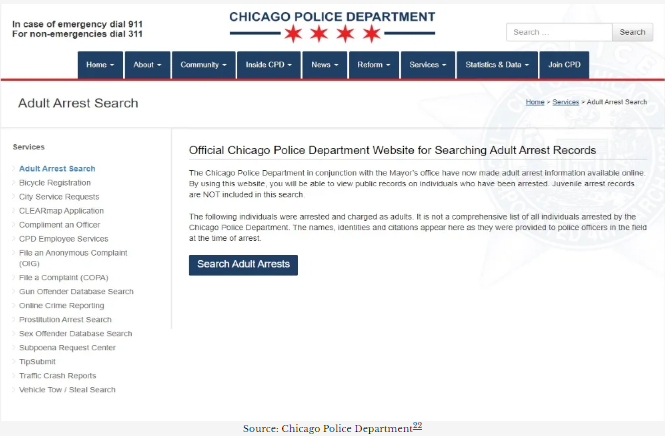
Accessing arrest information requires distinguishing between various types of data repositories. Arrest records are generally categorized as public information under open records acts, yet the accessibility of this data varies by jurisdiction. In 2026, most law enforcement agencies have modernized their digital infrastructure, allowing for real-time or near-real-time updates on booking status.
When conducting a search, it is critical to verify that you are accessing an official government-operated domain. Private third-party websites often aggregate this data but may lack the real-time synchronization required to ensure the information is current, accurate, or legally compliant. Official portals typically end in .gov, denoting a government entity that manages the primary database for a specific precinct, county, or state.
Essential Prerequisites for Accurate Record Searching
Before beginning your search, you must possess the minimum identifying information required by most database interfaces. Lacking these details often results in "no record found" errors, even if an arrest exists.
- Legal Full Name: Use the full legal name of the individual, including middle names if available.
- Date of Birth: This is the most critical filter to differentiate between individuals with identical names.
- Jurisdiction: You must identify the specific county or city where the arrest occurred, as criminal records are rarely centralized into a single national repository accessible to the public.
- Booking Number: If previously obtained, this unique identifier provides the most precise results.
Step-by-Step Guide to Official Repository Searches
To ensure the integrity of the data you retrieve, follow this standardized workflow for accessing law enforcement or court records.
- Identify the Jurisdiction: Determine the specific law enforcement agency (County Sheriff or City Police) that made the arrest.
- Access the Official Website: Navigate directly to the sheriff’s office website for that specific county. Look for tabs labeled "Inmate Search," "Booking Logs," or "Public Records."
- Accept Terms of Service: Most portals require you to acknowledge that the data is for informational purposes and should not be used to harass or violate the rights of the individual listed.
- Input Search Criteria: Enter the name and date of birth. Start with broad parameters if the exact spelling is uncertain, but narrow by date or facility if the initial search returns too many results.
- Review the Status: Note the status of the individual, such as "In Custody," "Released," or "Transferred to Court."
Comparison of Search Methodologies
Understanding the differences between types of searches will help you allocate your time effectively and ensure you are viewing the most reliable data available in the 2026 digital environment.
| Search Type | Data Source | Accuracy Level | Cost |
|---|---|---|---|
| Sheriff/County Portal | Local Law Enforcement | High (Real-Time) | Free |
| State DOC Database | Dept. of Corrections | Very High (Validated) | Free |
| Court Clerk Records | Local Judicial System | Highest (Legal Status) | Varies (Small Fees) |
| Third-Party Aggregators | Various Public Records | Low to Moderate | Paid Subscriptions |
Navigating Legal and Ethical Constraints
The use of information obtained through an arrest org search is subject to specific legal frameworks. In the United States, the Fair Credit Reporting Act (FCRA) limits how individuals and companies can use criminal record information for employment, housing, or credit decisions.
Legal Compliance and Usage Standards
Employment and Housing: If you are an employer or landlord, you cannot use raw search results from the internet to deny employment or housing without following formal screening processes. FCRA guidelines dictate that you must provide the subject with a copy of their report and an opportunity to dispute the accuracy of the information before taking adverse action.
Personal Information Integrity: Never utilize data retrieved from public search portals to engage in doxxing, harassment, or unauthorized publication of sensitive personal information. Official records are provided for transparency and safety purposes, not for the purpose of personal retribution or unauthorized background screening.
Technical Troubleshooting for Record Retrieval
If you are unable to locate an individual who you believe has been arrested, consider the following technical variables:
- Expungement or Sealing: If a record has been legally expunged or sealed by a court order, it will no longer appear in public-facing search results.
- Pending Data Entry: Following an arrest, it can take 24 to 48 hours for data to migrate from the field arrest reports to the centralized digital database.
- Alias Usage: If the individual was booked under an alias or a misspelled name, a standard search will fail. Searching by birth date alone, if the system permits, may reveal the record under a different legal name.
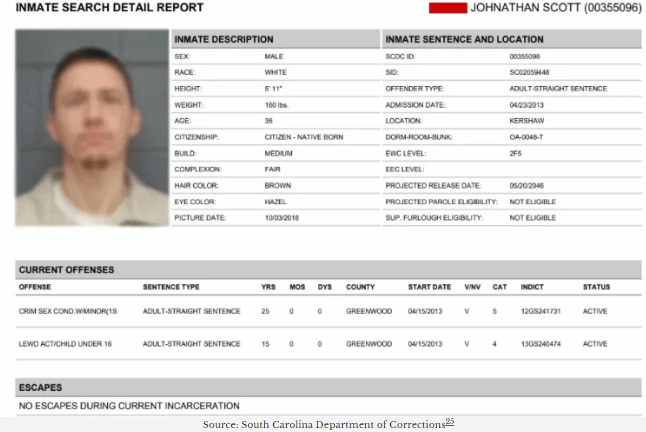
- Inter-Agency Transfers: An individual may have been transferred from a city jail to a county facility or from a local facility to a state prison. If the local search yields no results, check the state Department of Corrections website for that region.
Frequently Asked Questions
What is the difference between a booking log and a criminal record? A booking log shows individuals currently in custody or recently processed, whereas a criminal record represents a historical account of charges and convictions. Booking logs are transitory data, while criminal records are maintained by the court system.
Why does a search return no results for a known arrest? Results might be absent due to a delay in system updates, the record being sealed by the court, or the individual being held in a facility outside of your current search jurisdiction.
Are these searches free of charge? Most official sheriff and Department of Corrections websites provide basic search functions free of charge. However, some court clerk offices charge nominal fees for printing or accessing full, certified case files.
How often is the data on these portals updated? In 2026, most major county systems update their databases automatically every 15 to 30 minutes. Smaller rural jurisdictions may update their systems manually once or twice per business day.
Can I use these searches to run a background check for employment? No. Official background checks for employment must comply with the FCRA and be conducted by accredited consumer reporting agencies to ensure legal compliance and the accuracy of the data being reported.
Final Recommendations for Responsible Information Access
When performing an arrest org search, maintain the highest standard of verification. If you suspect an error exists in a public record, contact the Clerk of the Court in the jurisdiction where the record originated. They are the only body authorized to correct erroneous filings or provide clarification on the disposition of a case. For ongoing monitoring or professional needs, always utilize services that provide FCRA-compliant reporting to ensure the legal safety of your operations.
Image Gallery