Comprehensive Guide to Washington Boat Registration Fees and Requirements in 2026
In 2026, registering a boat in Washington requires paying a combination of a flat registration fee, variable watercraft excise tax (0.5% of the vessel's value), and several environmental surcharges. Most owners can expect to pay betwee...
In 2026, registering a boat in Washington requires paying a combination of a flat registration fee, variable watercraft excise tax (0.5% of the vessel's value), and several environmental surcharges. Most owners can expect to pay between $60 and $200 annually, though high-value vessels will incur higher costs due to the excise tax component.
Contents
Navigating the waters of the Pacific Northwest is a privilege that comes with specific administrative responsibilities. Whether you are a first-time boat owner or a long-time mariner renewing your decals for 2026, understanding the fee structure is essential for legal compliance and budgeting. The Washington State Department of Licensing (DOL) manages vessel registrations, and the revenue generated supports vital programs ranging from environmental protection to search and rescue operations.
Understanding the Components of Washington Boat Registration Costs
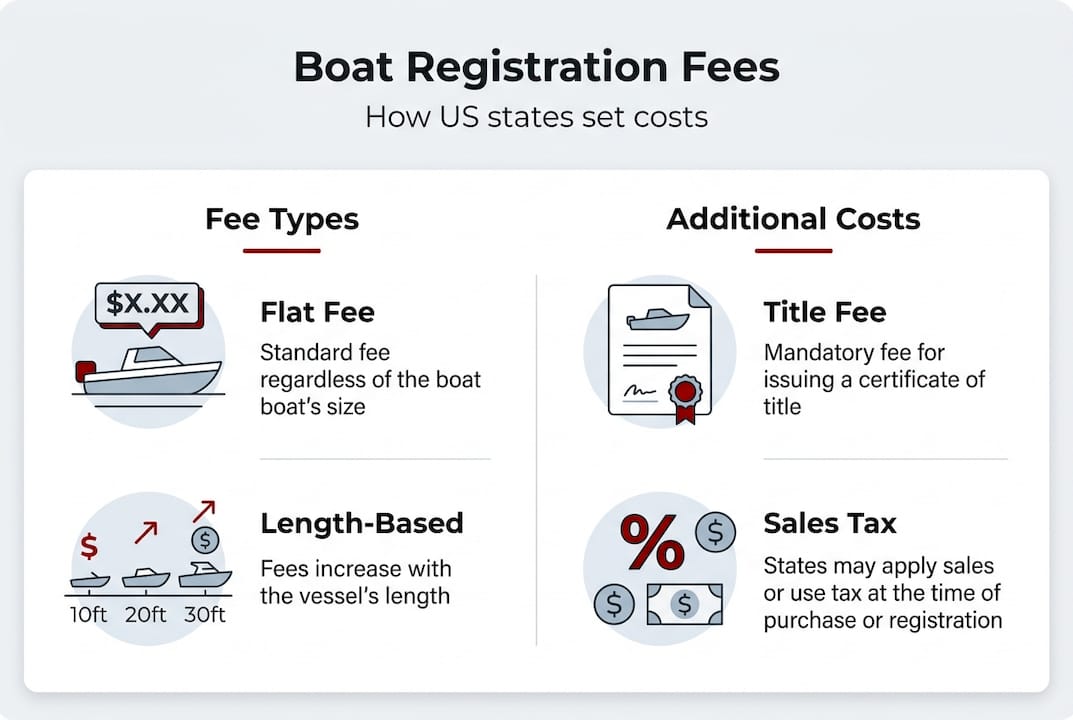
Washington does not utilize a single "flat rate" for boat registration. Instead, your total cost is an aggregate of several distinct fees, each allocated to different state funds. This modular approach ensures that larger, more expensive vessels contribute proportionally more to the state's infrastructure.
The Base Registration Fee
The base registration fee is the core cost of maintaining your vessel's record in the state database. In 2026, this fee remains relatively stable, serving as the foundation for your annual renewal. It covers the administrative overhead of processing the application and issuing the registration certificate and decals.
Watercraft Excise Tax
The most significant variable in your total bill is the Watercraft Excise Tax. Established under Revised Code of Washington (RCW) 82.49.030, this tax is calculated at 0.5% of the fair market value of the vessel. For a boat valued at $10,000, the excise tax would be $50. For a $100,000 yacht, the tax reaches $500. It is important to note that this tax is in lieu of personal property tax. If the calculated tax is less than $5, a minimum of $5 is usually applied.
Filing and Service Fees
When you visit a licensing office or a subagent to process your registration, you will encounter filing and service fees.
- Filing Fees: These are standard across the state and go toward the Department of Licensing's operational costs.
- Service Fees: If you choose to use a private subagent (a local vehicle/vessel licensing office that is not a county auditor's office), an additional service fee is applied. As of 2026, these fees compensate the subagent for their localized service and convenience.
Mandatory Environmental and Safety Surcharges
Washington’s unique ecosystem requires active management, and boaters are primary stakeholders in these efforts. Several surcharges are bundled into your registration to fund specific environmental initiatives.
Derelict Vessel Removal Fee
One of the most critical surcharges is the Derelict Vessel Removal Fee. This fund is used by the Department of Natural Resources (DNR) to remove abandoned or sunken vessels that pose a threat to navigation and the environment. Given the high cost of maritime salvage, this collective pool of funds is the only way the state can manage the hundreds of derelict boats that accumulate in the Puget Sound and inland waterways each year.
Invasive Species Surcharge
Aquatic invasive species, such as zebra mussels and certain aquatic plants, can devastate local biodiversity and clog hydroelectric and irrigation infrastructure. The Invasive Species fee funds inspection stations and educational programs. In 2026, these efforts are more critical than ever as the state works to prevent the spread of non-native species from neighboring regions.
Clean Solar and Puget Sound Protection
Depending on current legislative updates for the 2026 cycle, smaller fees may be diverted to Puget Sound health initiatives. These funds often support "clean marina" programs and the installation of pump-out stations, which are vital for maintaining the water quality necessary for Washington's shellfish industry and recreational activities.
Which Vessels Are Exempt from Registration?
Not every watercraft requires a registration and decals. Understanding these exemptions can save you from unnecessary administrative work, especially if you own small, non-motorized craft.
- Human-Powered Vessels: Canoes, kayaks, and rowboats that do not have a motor (gas or electric) are generally exempt from registration.
- Small Engines: Vessels under 16 feet in length with a motor of less than 10 horsepower, used exclusively on non-federal waters, are exempt.
- Military and Government Craft: Vessels owned by the United States government or the State of Washington are not subject to standard registration fees.
- Temporary Stay: Boats registered in another state or country that are in Washington for 60 days or less are typically exempt under "reciprocity" rules. However, if the stay exceeds 60 days, you may be required to obtain a permit or full registration.
- Documented Vessels: While vessels documented with the U.S. Coast Guard (USCG) do not display Washington registration numbers (WN numbers), they must still be registered with the state and display a current registration decal if they are used primarily in Washington waters.
Detailed Breakdown of 2026 Estimated Fees
The following table provides a breakdown of the typical costs associated with registering a mid-sized motorboat in Washington. Note that excise taxes vary based on the vessel's specific valuation.
| Fee Type | Estimated Cost (2026) | Frequency | Purpose |
|---|---|---|---|
| Registration Fee | $10.50 | Annual | State database maintenance |
| Watercraft Excise Tax | 0.5% of Value | Annual | General fund / Infrastructure |
| Derelict Vessel Fee | $3.00 - $5.00 | Annual | Abandoned boat removal |
| Invasive Species Fee | $2.00 | Annual | Ecosystem protection |
| Filing Fee | $4.50 | Per Transaction | Administrative processing |
| Service Fee | $15.00 | Per Transaction | Subagent convenience fee |
| Title Application | $26.50 | Once (Initial) | Legal proof of ownership |
| Title Transfer | $15.50 | Per Transfer | Recording change of ownership |
Note: These figures are estimates based on standard 2026 fee schedules and may vary slightly by county or specific vessel configuration.
The Registration and Renewal Process
Registering a boat in 2026 involves several steps, whether you are dealing with a brand-new vessel or a used one purchased from a private party.
Initial Registration
When you purchase a boat, you have 15 days to transfer the title and register it in your name. To do this, you must provide:
- The Current Title: Properly signed by the previous owner.
- A Bill of Sale: This document must include the purchase price, as the DOL uses this to calculate your initial excise tax.
- The Vessel Data: Length, year, make, and Hull Identification Number (HIN).
- Application for Title: A completed form TD-420-001 or similar state-approved documentation.
Annual Renewals
Washington boat registrations expire on June 30th of each year. Unlike vehicle registrations, which often expire on a rolling basis throughout the year, all boat decals are synchronized to the same cycle. You can renew online through the Washington DOL website, via mail, or in person. It is highly recommended to renew before the June deadline to avoid potential fines if you plan on being on the water for the July 4th holiday.
Common Mistakes and How to Avoid Penalties
Failing to adhere to Washington's boating laws can lead to significant fines and legal headaches.
- Undervaluation: Some buyers attempt to list a lower purchase price on the bill of sale to avoid excise tax. The DOL cross-references purchase prices with national valuation databases. If the price seems suspiciously low, they may require a "Declaration of Value" or charge tax based on the fair market value.
- Missing the 15-Day Window: Delaying your title transfer can result in monetary penalties. These penalties accrue over time, often capped at a specific maximum, but they are easily avoidable with prompt filing.
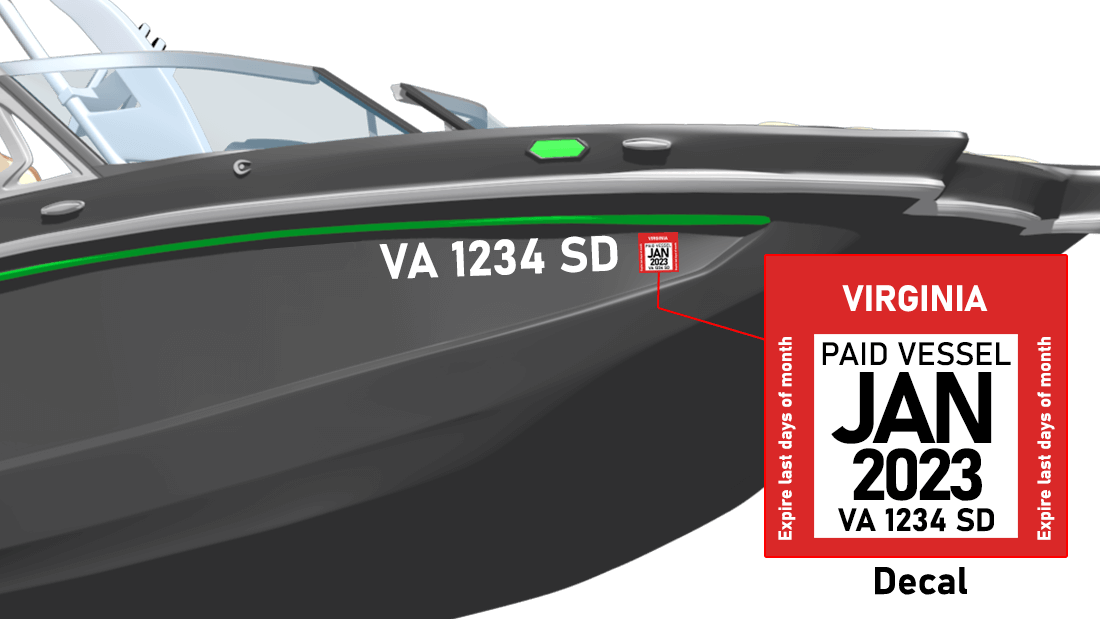
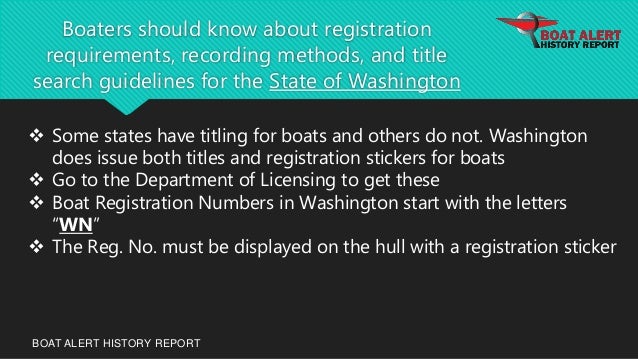
- Improper Decal Placement: Your 2026 decals must be placed on both sides of the bow, within six inches of the registration number. Improperly placed decals can be a reason for law enforcement to stop your vessel.
- Failing to Update Contact Info: If you move, you must update your address with the DOL within 10 days. This ensures you receive your renewal notices and avoids "undeliverable" issues with the post office.
Frequently Asked Questions
Do I have to pay sales tax and excise tax?
When you first purchase a boat, you pay Sales or Use Tax on the purchase price. The Watercraft Excise Tax is a separate annual tax that you pay every year you register the boat. In your first year of ownership, you will pay both, which can make the initial registration significantly more expensive than subsequent renewals.
What happens if I don't register my boat?
Operating an unregistered vessel in Washington is a civil infraction. You may be subject to fines, and law enforcement has the authority to prevent you from continuing your voyage until the boat is legally registered. Furthermore, if you are involved in an accident, an unregistered boat can complicate insurance claims and legal liability.
Can I get a refund on my excise tax if I sell the boat mid-year?
Generally, Washington does not offer pro-rated refunds for watercraft excise tax if a boat is sold or moved out of state before the registration expires on June 30th. The tax is paid for the privilege of using the state's waters for any portion of that registration year.
Are electric boats exempt from fees?
In 2026, while there are incentives for green energy, electric boats are still subject to registration and excise tax. The tax is based on the value of the vessel, regardless of the propulsion system. However, certain "clean energy" initiatives may offer credits or reduced fees for specific types of non-polluting commercial vessels.
How is the value of my boat determined for the excise tax?
The DOL typically uses the purchase price for the first year. For subsequent years, they use a depreciation schedule or recognized marine valuation guides (such as NADA or BUC) to determine the fair market value. If you believe your boat is worth significantly less due to damage or mechanical failure, you may be able to appeal the valuation with supporting documentation.
Final Recommendation for 2026 Boat Owners
To ensure a smooth boating season, calculate your expected excise tax early by taking 0.5% of your boat's current market value and adding approximately $50 to $75 for standard registration and filing fees. Always keep a digital or physical copy of your registration on board, as Washington law requires it to be available for inspection by marine law enforcement at all times. By staying ahead of the June 30th renewal deadline, you can enjoy the pristine waters of Washington without the stress of expired decals or administrative penalties.
Image Gallery