The Visual Narrative Behind the "They Not Like Us" Cover Art
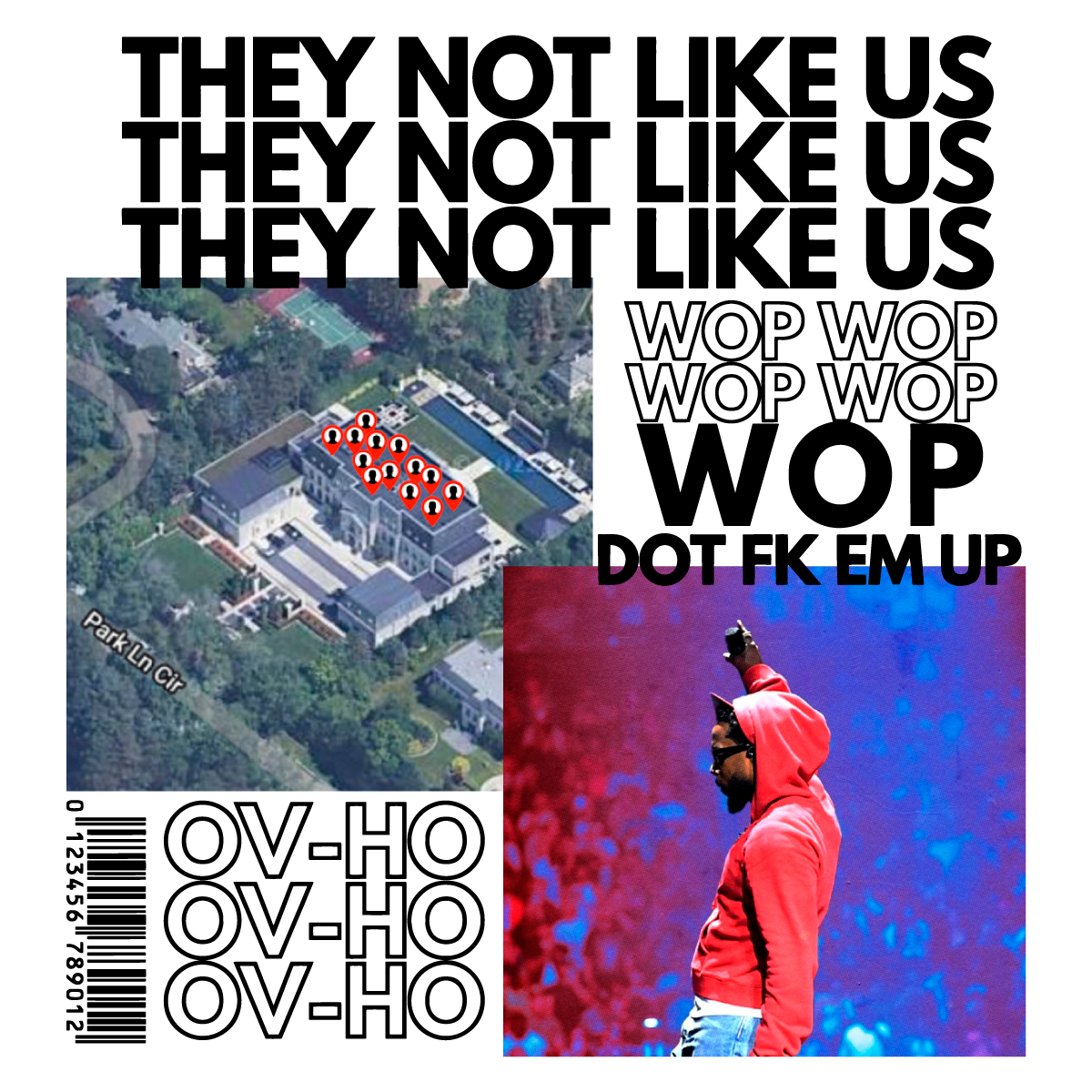
The cover art for Kendrick Lamar’s track "Not Like Us"—often colloquially referred to as the "they not like us" cover art—serves as a piece of pointed cultural commentary. Featuring a satellite view of a residential property marked wit...
The cover art for Kendrick Lamar’s track "Not Like Us"—often colloquially referred to as the "they not like us" cover art—serves as a piece of pointed cultural commentary. Featuring a satellite view of a residential property marked with registered sex offender icons, the imagery functions as a direct visual extension of the song’s lyrical content, utilizing cartographic data to reinforce the artist's narrative claims during a high-profile public feud.
Contents
Origins and Visual Composition
The image utilized for the "Not Like Us" cover art is a screenshot derived from Google Maps, specifically focusing on a property in Los Angeles. The visual aesthetic is intentionally stark and utilitarian. Unlike traditional hip-hop cover art, which often employs high-end photography, digital illustrations, or abstract graphic design, this choice leans into the "doxing" or investigative aesthetic that characterized the broader conflict.
By selecting a satellite view, the cover acts as a geographical anchor for the song’s themes. The inclusion of red icons—representative of a sex offender registry—serves as a stark, non-verbal accusation. The design choice stripped away typical artistic embellishment, forcing the viewer to engage directly with the location and the associated metadata, turning a simple digital map into a weaponized piece of communication.
The Role of Cartography in Modern Music Beefs
In the digital age, geography has become a central pillar of hip-hop rivalries. The use of satellite imagery in the "Not Like Us" cover art represents a shift from anecdotal lyrical disses to verifiable, digital-first "evidence." By placing a residential location at the center of the visual narrative, the artist effectively invited the audience to participate in the investigation, creating a decentralized process where fans could verify the location themselves using common web tools.
This approach transformed the cover art from a static image into an interactive element of the listening experience. It utilized the ubiquity of mapping software to create a sense of immediacy and real-world consequences, moving the discourse from the airwaves to the physical landscape.
Technical Execution and Visual Literacy
The effectiveness of the cover art relies on the viewer’s familiarity with digital maps. The red icons, while graphically simple, carry heavy social and legal connotations. When analyzed from a technical perspective, the image is a low-fidelity snapshot that prioritized raw information over artistic polish.
Visual Components Comparison
| Component | Function | Audience Impact |
|---|---|---|
| Satellite View | Geographical grounding | Establishes the real-world location of the subject |
| Registration Icons | Signifiers | Provides visual proof of the lyrical narrative |
| Color Palette | Contrast | Draws immediate focus to the marked property |
| Format | Digital Screenshot | Suggests authenticity and "off-the-cuff" investigation |
The technical simplicity of the cover art is its greatest asset. By eschewing professional studio production for a "found" digital object, the artwork gains a degree of perceived truthfulness. In the context of 2026 media consumption, where digital provenance is often questioned, the use of recognizable platform interfaces (like those found in public record search engines) bridges the gap between internet culture and traditional musical promotion.
Interpreting the Cultural Impact
The "Not Like Us" cover art is a notable case study in how visual branding can dictate the pace of a cultural moment. Because the image was tied to a specific location, it prompted a massive wave of internet sleuthing. The cover did not merely represent the song; it created a feedback loop where the listeners sought out the location online, thereby increasing the song's engagement metrics through search volume and social media sharing.
This strategy demonstrated that for modern viral hits, the cover art functions less like a decorative thumbnail and more like a tactical utility. It provided the "proof" the audience needed to justify the lyrical claims, effectively moving the needle from rumor to perceived reality in the eyes of the public.
Common Misconceptions Regarding the Artwork
Because of the rapid nature of the song’s release and the subsequent internet reaction, several misconceptions emerged.
- Artistic Intent: Some observers argued that the cover was an example of poor graphic design. However, this ignores the intentionality behind the "low-fidelity" look, which was meant to evoke the feeling of a leaked document rather than a curated promotional asset.
- Legal Provenance: There was significant debate regarding the legality of using such images. In the United States, public records—including sex offender registry information and satellite maps—are generally considered public domain and available for editorial use, though usage in a commercial context can sometimes trigger specific rights-of-publicity considerations.
- The "Map" Factor: The map view provided a sense of intimacy and scale that a standard portrait could not achieve. It suggested that the artist had intimate knowledge of the subject’s movements and surroundings, adding to the psychological weight of the track.
Frequently Asked Questions
Why did the artist choose a satellite map for the cover?
The satellite map was chosen to anchor the song’s lyrical claims to a specific physical location. It provided a sense of cold, clinical "truth" that aligned with the investigative tone of the lyrics, effectively turning a residential property into a focal point of public scrutiny.
Is the cover art considered public domain?
While satellite imagery is typically licensed under specific terms of service from the provider, the image used in the cover art falls under the category of transformative commentary. It is important to note that using such images for commercial purposes in a music release can be complex regarding copyright and privacy laws, often requiring legal clearance for professional distribution.
How did the cover art affect the song's performance?
The cover art acted as a catalyst for viral engagement. By incorporating "investigative" visual elements, it encouraged listeners to participate in the conversation, leading to high levels of social media interaction and search traffic, which directly supported the track's reach and longevity.
Can anyone use this type of imagery for their own cover art?
While anyone can screenshot public mapping data, doing so for a commercial product involves risks. Beyond copyright issues regarding the map service's data, there are significant considerations regarding defamation, invasion of privacy, and the use of an individual’s property in a disparaging manner, which could lead to legal action.
Is the location shown on the cover still relevant in 2026?
The location remains a historical fixture of the cultural event surrounding the 2024–2026 music discourse. While the public interest in the specific property has naturally waned over time, the imagery remains archived as a primary document of the period’s most significant artistic rivalry.
Next Actions for Creators
For artists or designers looking to emulate this style, the primary takeaway is the power of "visual evidence." If you are crafting art that aims to tell a narrative story, consider how you can incorporate external data—such as maps, documents, or public records—into your design to deepen the connection between the audio and the listener. However, always ensure that your use of third-party images or data is legally permissible and adheres to the terms of service of the original providers to avoid potential litigation or platform takedowns.
Image Gallery