The Influence of Celebrity Culture on Halloween: How Icons Shape the Spooky Season
Celebrities shape Halloween by dictating annual costume trends, driving multi-billion dollar retail cycles, and transforming a single night into a month-long media event. Through high-budget reveals and exclusive parties, figures like...
Celebrities shape Halloween by dictating annual costume trends, driving multi-billion dollar retail cycles, and transforming a single night into a month-long media event. Through high-budget reveals and exclusive parties, figures like Heidi Klum and the Kardashian-Jenner family influence consumer behavior, social media aesthetics, and the global pop-culture narrative each October.
Contents
The Evolution of the Celebrity "Reveal" Culture
In the early 2000s, Halloween was largely a community-focused holiday centered on trick-or-treating and local parties. However, as we stand in 2026, the landscape has shifted entirely toward a digital-first "reveal" culture. Celebrities have moved beyond merely attending parties; they now treat Halloween as a major production, comparable to a film premiere or a brand launch.
The "reveal" refers to the highly choreographed unveiling of a costume on platforms like Instagram and TikTok. These are no longer simple snapshots taken in a living room. Modern celebrity reveals involve professional photography, high-end videography, custom-built sets, and post-production editing. This shift has extended the "Halloween season" significantly. While October 31st remains the climax, the buildup often begins in late September, with celebrities teasing themes and collaborating with designers to build anticipation. This prolonged engagement helps sustain interest in the celebrity’s personal brand, keeping them relevant during a peak period of digital consumption.
Heidi Klum: The Benchmark of Prosthetic Excellence
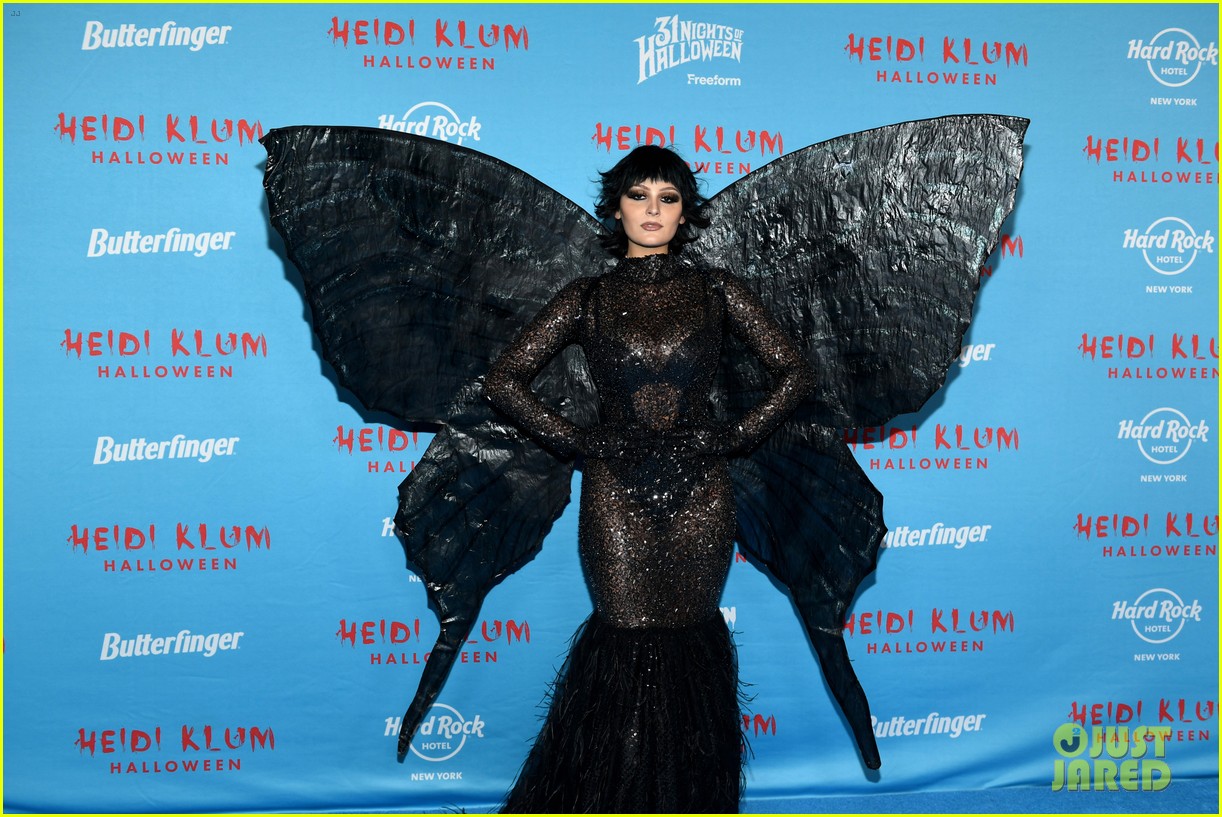
No discussion of celebrity influence on Halloween is complete without Heidi Klum. Since her first annual party in 2000, she has fundamentally changed the expectations for what a costume can be. Klum moved the needle from "store-bought fashion" to "cinematic art." Her commitment to the craft—often spending 12 to 14 hours in the makeup chair—has popularized the use of professional-grade prosthetics and special effects (SFX) among the general public.
The Technical Complexity of Klum’s Costumes
Klum’s influence is grounded in the technicality of her transformations. By hiring Oscar-winning makeup artists and structural engineers (such as those she employed for her 2022 "giant worm" costume or her 2023 "peacock" ensemble), she showcased that Halloween could be a medium for high-concept performance art.
In 2026, this legacy has trickled down to the average consumer. The demand for liquid latex, spirit gum, and foam latex prosthetics has surged at retailers like Spirit Halloween and specialty shops. Klum didn't just wear costumes; she popularized the SFX workflow, which includes:
- Life Casting: Creating a mold of the body or face to ensure a perfect fit for prosthetics.
- Sculpting and Molding: Designing custom pieces that move naturally with the skin.
- Airbrushing: Using specialized paints to create realistic textures, from scales to aged skin.
The Kardashian-Jenner "Era" Strategy and Fast Fashion
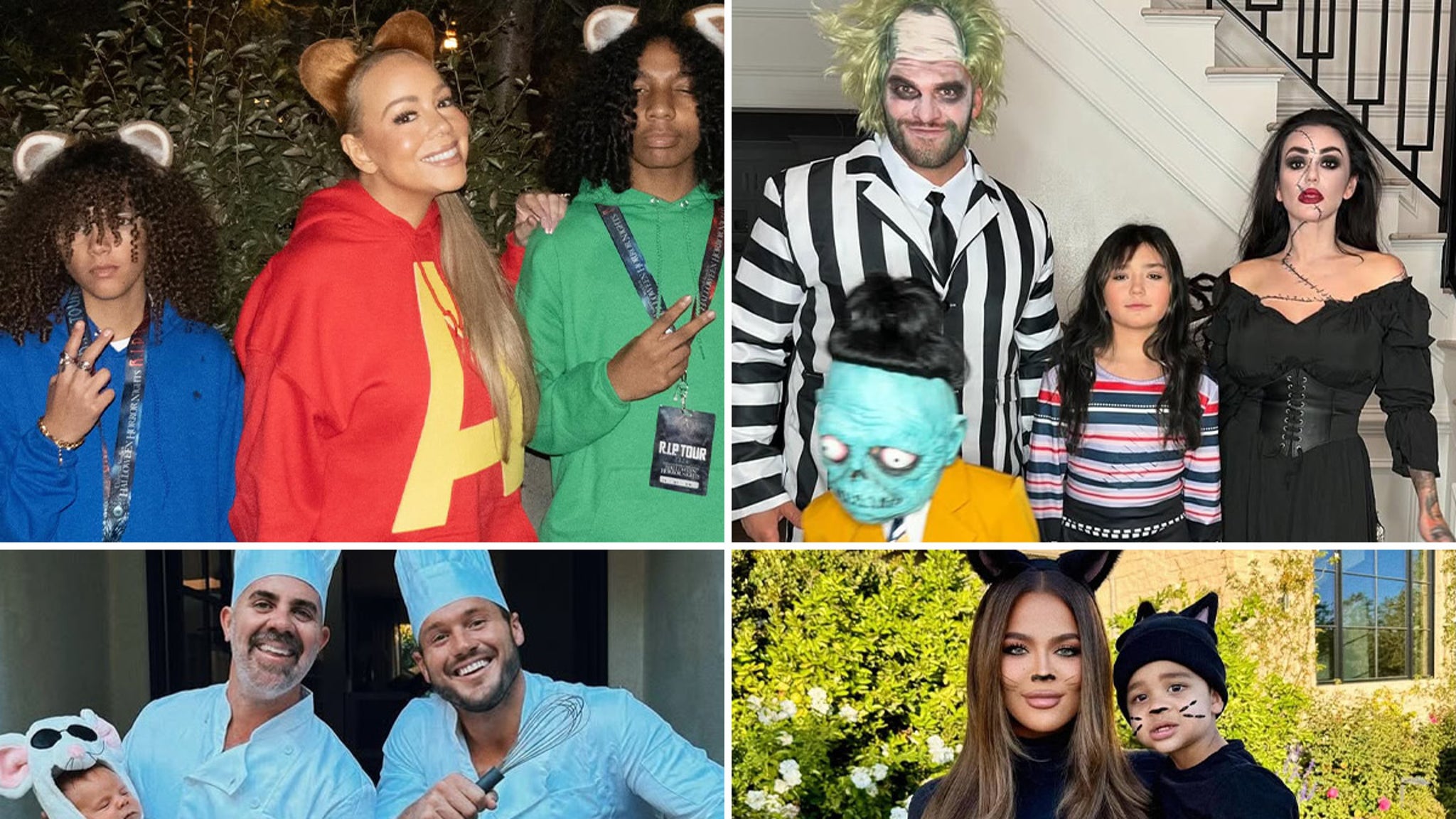
While Heidi Klum focuses on the technical "wow" factor, the Kardashian-Jenner family has mastered the volume and aesthetic trend-setting side of Halloween. Their strategy often involves "era" costumes—dressing up as iconic pop culture figures from the 1990s or 2000s—and doing so across multiple events.
The Kardashians shape the night through sheer frequency. It is not uncommon for Kim or Kylie to showcase five or six distinct costumes over the course of the week. This "look-book" approach creates a massive ripple effect in the fast-fashion industry. Within 24 to 48 hours of a Kardashian posting a costume, retailers like Fashion Nova and Shein often have "inspired-by" pieces listed on their sites.
This creates a cycle where celebrity choice directly dictates what millions of people wear three days later. If a celebrity chooses a "vintage Thierry Mugler" look or a specific "Disney Villain" aesthetic, that color palette and silhouette will dominate the sales charts for the remainder of the season.
Market Dynamics: From Red Carpets to Retail Shelves
The economic impact of celebrity Halloween choices is measurable and massive. According to the National Retail Federation, Halloween spending has consistently hovered over $11.5 billion annually in the mid-2020s, with a significant portion of that spending attributed to "pop culture-inspired" costumes.
Celebrity Influence on Retail Categories
| Influence Type | Key Celebrity Example | Primary Market Impact | Retail Response |
|---|---|---|---|
| High-Concept / SFX | Heidi Klum | Surge in professional makeup sales | Stocking liquid latex and body paint |
| Archive Fashion | Kim Kardashian | Demand for vintage-look silhouettes | Fast-fashion replicas of 90s/00s icons |
| Group Themes | The Jenner Sisters | Multi-person costume sales | Pre-packaged "Squad" costume sets |
| Horror Legacy | Jamie Lee Curtis | Stability in classic slasher merchandise | Annual "Halloween" franchise licensing |
Celebrities also shape the night through lucrative brand partnerships. In 2026, it is common to see stars collaborating with candy brands, alcohol companies, and streaming services to "host" digital Halloween experiences. This commercialization ensures that Halloween is not just a holiday, but a key fiscal quarter for lifestyle brands.
The Role of Professional Creative Teams
Behind every viral celebrity costume is a team of unsung heroes who technically "shape the night." The rise of the Halloween Stylist is a relatively new phenomenon in the 2020s. These professionals specialize in sourcing rare materials, securing licensing for intellectual property (IP), and managing the logistics of complex costumes.
These teams often include:
- Creative Directors: To conceptualize the "vibe" and ensure it aligns with the celebrity’s brand.
- SFX Artists: To handle the physical transformation.
- Lighting and Set Designers: To create the environment for the social media reveal.
- Publicists: To coordinate the timing of the post for maximum engagement across different time zones.
This professionalization has raised the bar for everyone. The average consumer now has access to tutorials and tools that were once exclusive to Hollywood sets, largely because celebrities have demystified the process through "get ready with me" (GRWM) videos.
Legacy Icons and the Monetization of Nostalgia
While modern influencers dominate social media, legacy icons like Cassandra Peterson (Elvira, Mistress of the Dark) and Jamie Lee Curtis continue to shape the night through "Spooky Season" longevity. These celebrities represent the institutional memory of the holiday.
Elvira, for instance, has successfully transformed a character into a multi-decade brand. Her influence is felt in the perennial popularity of the "Goth-glam" aesthetic. In 2026, her brand remains a staple in licensing, proving that a well-defined celebrity persona can provide a permanent blueprint for Halloween celebrations. This "Legacy Influence" provides a stabilizing force against the more fleeting, trend-based costumes of the younger generation.
Sustainability and the Critique of Celebrity Excess
As we move through 2026, a counter-trend has emerged: the critique of "Halloween waste." Celebrities often wear custom-made pieces once and then discard them, contributing to the environmental footprint of the holiday. This has led some stars to pivot toward "reclaimed" or "vintage" Halloween looks.
Sustainable celebrity influence now involves:
- Costume Archiving: Highlighting that costumes are kept in a permanent collection.
- Upcycling Challenges: Encouraging fans to create high-end looks from thrifted materials.
- Digital Costumes: Some celebrities have even experimented with AR (Augmented Reality) filters as costumes, shaping the night in a purely virtual sense.
Frequently Asked Questions
Why is Heidi Klum called the "Queen of Halloween"?
Heidi Klum earned this title by hosting an exclusive, high-profile Halloween party every year since 2000 and consistently wearing the most elaborate, technically difficult costumes in the world. Her commitment to total transformation set a new standard for celebrity engagement with the holiday.
How do celebrity costumes affect the economy?
Celebrity costumes drive immediate trends in the fast-fashion and beauty industries. When a celebrity goes viral, retailers see a spike in searches for similar items, leading to millions of dollars in sales for specific fabrics, accessories, and makeup kits.
Do celebrities get paid to wear certain costumes?
In many cases, yes. High-profile celebrities often have "partnerships" with movie studios to promote upcoming films or with luxury brands to showcase specific archival pieces. These are strategic marketing moves disguised as holiday fun.
How has social media changed the way celebrities celebrate Halloween?
Social media has turned Halloween into a visual competition. The focus has shifted from the party itself to the "digital reveal." This requires professional photography and sets, making the holiday a major media event that generates billions of impressions.
What is the most influential celebrity costume of all time?
While subjective, Heidi Klum’s 2022 "Worm" and Kim Kardashian’s 2021 "Balenciaga Met Gala" (often repurposed for Halloween) are frequently cited as costumes that fundamentally shifted public discourse and inspired countless memes and recreations.
Practical Recommendation for Readers
If you want to emulate the way celebrities shape the night without a Hollywood budget, focus on the "Reveal" Strategy. Instead of buying a generic, low-quality costume, invest in one high-quality focal point—such as a professional-grade prosthetic or a piece of vintage clothing—and document the process. Celebrities have taught us that the story of the costume is often as influential as the costume itself. Utilize lighting and creative editing on your mobile device to elevate your presentation, and remember that Halloween in 2026 is as much about the digital footprint as it is about the physical event.
Image Gallery