Understanding Why Seong Gi-hun (456) Returned to the Game
Seong Gi-hun, referred to as player 456, returned to the Squid Game not out of a desire for further bloodshed, but as a desperate, moral, and vengeful act to dismantle the organization from within. Having witnessed the systemic exploit...
Seong Gi-hun, referred to as player 456, returned to the Squid Game not out of a desire for further bloodshed, but as a desperate, moral, and vengeful act to dismantle the organization from within. Having witnessed the systemic exploitation of vulnerable individuals, his return was driven by a commitment to expose the perpetrators and prevent future atrocities, rather than a pursuit of personal wealth.
Contents
The Psychological Burden of Survival
To understand the return of player 456, one must first analyze the profound psychological impact the initial competition had on his psyche. Upon winning the prize money, Gi-hun did not immediately re-enter the world as a triumphant victor. Instead, he descended into a state of deep mourning and existential paralysis. The trauma of the "Glass Bridge" and the final confrontation with his childhood friend, Cho Sang-woo, left him with a hollow victory that felt more like a condemnation.
The transition from the sterile, brutal environment of the island to the mundane reality of his civilian life created a cognitive dissonance that he could not resolve. In the eyes of society, he was a billionaire, yet internally, he felt like a murderer. This guilt, compounded by the death of his mother, effectively stripped away his will to live a conventional life. His return to the game was an extension of his inability to integrate back into a reality that continued to function while the horrors of the island remained hidden.
The Catalyst for Intervention: The Death of Oh Il-nam
The pivotal turning point in Gi-hun’s decision-making process was the revelation concerning Oh Il-nam (player 001). For much of his journey, Gi-hun viewed the elderly man as a mentor, a moral compass, and a fellow victim. Discovering that Il-nam was actually the creator and host of the games fundamentally shifted Gi-hun’s perception of reality.
This betrayal served as the final push. It transformed his grief into a focused, albeit dangerous, purpose. When he confronted Il-nam on his deathbed, the cold, detached rationalization provided by the founder of the game highlighted the absolute moral bankruptcy of the organization. Gi-hun realized that the system was not an accident; it was a curated spectacle for the ultra-wealthy. His return was not a mistake or a relapse into gambling addiction—it was an act of tactical subversion. He recognized that the only way to gain proximity to the upper echelons of the organization was to move through the established channels of the game itself.
Socioeconomic Vulnerability and the Illusion of Choice
A critical aspect of the Squid Game universe is its reliance on the desperation of its participants. The recruitment process specifically targets individuals drowning in debt, lacking social mobility, or facing life-altering financial crises. Gi-hun represents the average citizen who has been failed by traditional economic structures.
His return to the game highlights the cyclical nature of poverty and the desperation it breeds. While the show frames the choice to return as a personal decision, it is deeply rooted in the structural failures of the society the participants come from. By returning, Gi-hun is not merely a contestant; he becomes a symbol of the exploited class attempting to storm the castle of the elite. This duality—the desperate debtor and the righteous avenger—is central to his character arc.
Comparison of Motivations for Participation
| Factor | First Participation | Return to the Game |
|---|---|---|
| Primary Driver | Immediate financial survival | Ideological opposition/Revenge |
| View of the Game | A potential solution to debt | A corrupt system to be destroyed |
| Personal Stake | Providing for daughter/mother | Moral accountability/Justice |
| State of Mind | Desperation and ignorance | Resolve and traumatic awareness |
The Mechanics of Resistance
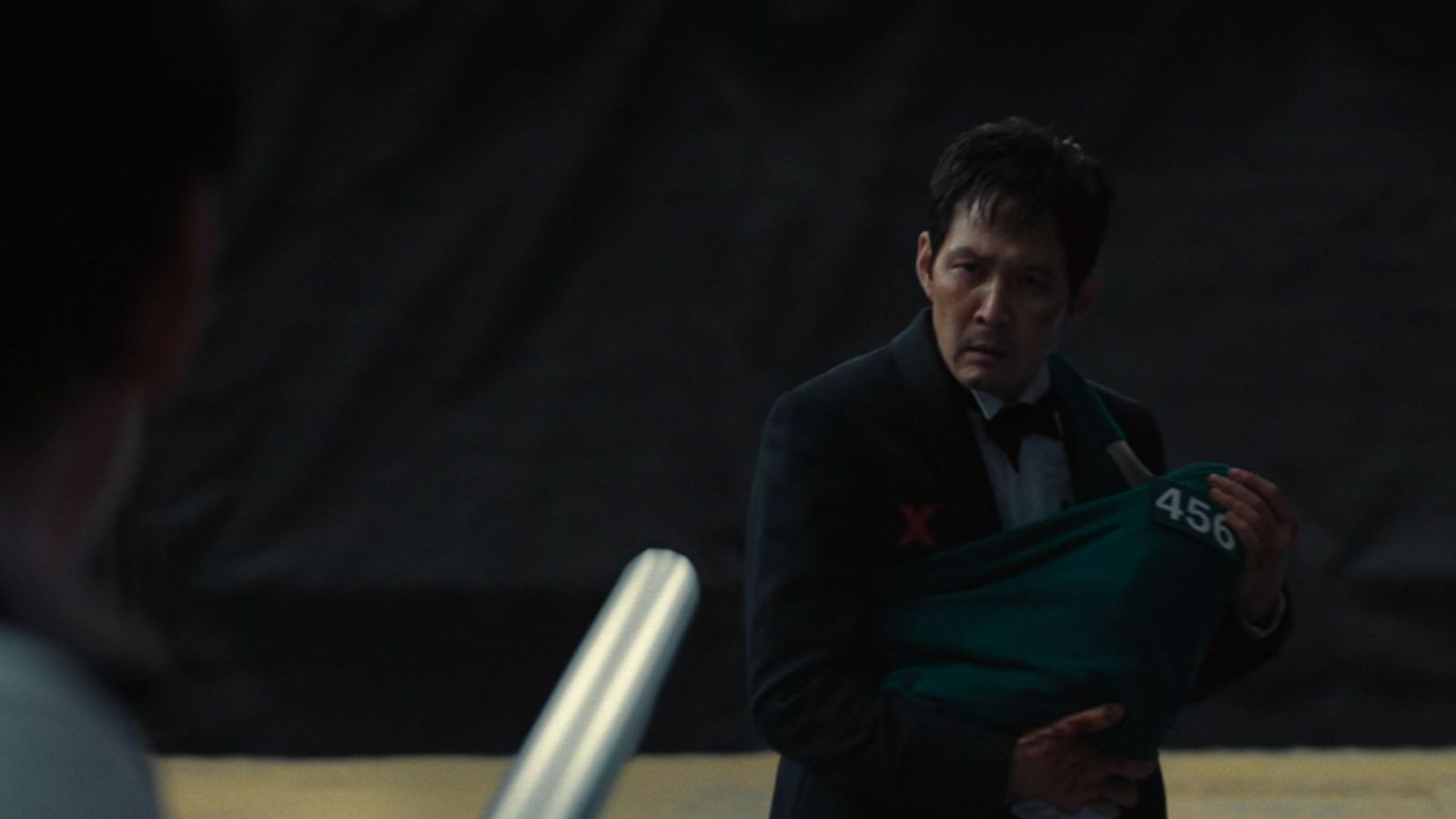
Unlike the other players, who are motivated by the life-changing sum of money, Gi-hun’s second entry is characterized by a "spy-like" mentality. He has evolved from a reactive player into a proactive antagonist against the Front Man and the VIPs. His strategy involves using the game’s own rigid rules against it.
His return suggests a transition into a deeper narrative phase where the focus shifts from the visceral horror of the games to a thriller-style investigation into the organization’s logistics, leadership, and funding. He understands that simply winning is not enough; he must expose the truth to the world, an objective that requires him to stay alive long enough to navigate the high-stakes environment of the competition once more.
Frequently Asked Questions
Did Seong Gi-hun enter the game again because he needed more money?
No. While the prize money is the game's primary lure for most, Gi-hun returned with the specific intent of stopping the organization. His actions toward the end of the first season indicate that his focus had shifted entirely toward justice and accountability rather than personal enrichment.
Why didn't he just go to the police?
Gi-hun attempted to report the games to the authorities after his initial win, but he was met with skepticism and indifference. The scale and reach of the organization, which involves powerful elites and international participants, make it nearly impossible to dismantle through standard law enforcement channels.
Is Gi-hun's return considered a form of heroism?
That is a matter of perspective. While he is fighting a corrupt system, his methods involve re-entering a site of human suffering. Whether this qualifies as heroism or a descent into madness is a core theme that the narrative continues to challenge as the character’s moral compromises grow.
Does the Front Man know why Gi-hun returned?
The Front Man is highly observant and monitors all contestants. While he may not know the full extent of Gi-hun’s plans, he is likely aware that Gi-hun is no longer the same passive participant he was in the first game. This mutual awareness sets the stage for their eventual confrontation.
Could anyone else have sabotaged the game?
While other survivors might have had the desire to dismantle the game, none possessed the specific proximity or the direct line of communication to the founder that Gi-hun achieved through his final interactions with Oh Il-nam. His position is unique because he is a winner who survived long enough to witness the inner mechanics of the operation.
Strategic Outlook and Conclusion
Seong Gi-hun’s return to the game in 2026 is the culmination of a transformation from a passive victim of capitalistic exploitation to an active agent of retribution. His journey serves as a commentary on the limits of justice within a system that profits from human suffering.
For viewers and analysts of the series, the core takeaway is clear: Gi-hun is not playing to win; he is playing to finish. The next actions in his arc involve bridging the gap between his knowledge of the organization and the global exposure required to dismantle it. His path remains fraught with peril, but it is the only viable path to meaningful change. As he continues to navigate the labyrinthine structure of the competition, his ultimate success will depend on his ability to maintain his humanity while operating within the most inhumane environment imaginable.
Image Gallery