How New Artists and Singers Rise in the Music Industry: Navigating the 2026 Landscape
In 2026, new artists and singers rise by leveraging a hybrid model of algorithmic visibility and direct-to-fan engagement. Success requires mastering short-form content ecosystems, utilizing AI-driven production tools, and securing mul...
In 2026, new artists and singers rise by leveraging a hybrid model of algorithmic visibility and direct-to-fan engagement. Success requires mastering short-form content ecosystems, utilizing AI-driven production tools, and securing multi-channel revenue streams beyond streaming, such as sync licensing, digital collectibles, and high-engagement live experiences that bypass traditional gatekeepers.
Contents
The Shift from Gatekeeping to Algorithmic Discovery
The traditional path to musical stardom once relied almost exclusively on A&R (Artists and Repertoire) scouts from major labels who acted as the ultimate gatekeepers. As we navigate the industry in 2026, this dynamic has shifted toward a "data-first" discovery model. Labels now rarely sign artists based on potential alone; they sign "proof of concept." This means a singer must already have a measurable footprint on platforms like TikTok, Reels, and emerging spatial audio social networks before receiving professional backing.
Algorithmic literacy has become as important as vocal talent. The "rise" of a new artist typically begins with a viral moment—often a hook or a specific sound bite—that triggers a platform's recommendation engine. However, the 2026 landscape emphasizes the transition from a "viral hit" to a "sustainable career." Artists achieve this by converting passive scrollers into active community members through Discord servers, gated fan clubs, and interactive live streams. The goal is no longer just to get a million plays, but to identify the 1,000 "true fans" who will sustain the artist’s financial ecosystem.
Essential Production Standards and Technical Requirements
The technical barrier for entry has lowered, but the standard for "broadcast quality" has risen. In 2026, a new artist cannot simply upload a raw demo and expect professional results. The industry now demands high-fidelity audio, often optimized for spatial audio formats (like Dolby Atmos) which have become the standard for premium streaming tiers.
AI-Assisted Production and Ethics
Most rising singers now utilize AI-assisted tools for mixing, mastering, and even melodic assistance. Tools that once required a professional engineer are now integrated into affordable Digital Audio Workstations (DAWs). However, the rise in 2026 also involves navigating the legalities of AI. Artists must ensure their vocal models are protected and that they are not infringing on existing copyrights through generative processes. Authenticity remains a high-value currency; while AI helps with the "polish," the core emotional delivery must remain human to resonate with modern audiences who are increasingly skeptical of fully synthetic content.
Distribution and Metadata
The logistical "rise" of an artist involves professional distribution. Services like DistroKid, UnitedMasters, and TuneCore remain vital, but in 2026, the focus has shifted to metadata precision. Correct tagging of genres, moods, and contributors is essential for placement in curated editorial playlists. Without precise ISRC (International Standard Recording Code) and ISWC (International Standard Musical Work Code) management, artists lose out on significant mechanical and performance royalties.
Building a Multi-Channel Revenue and Marketing Strategy
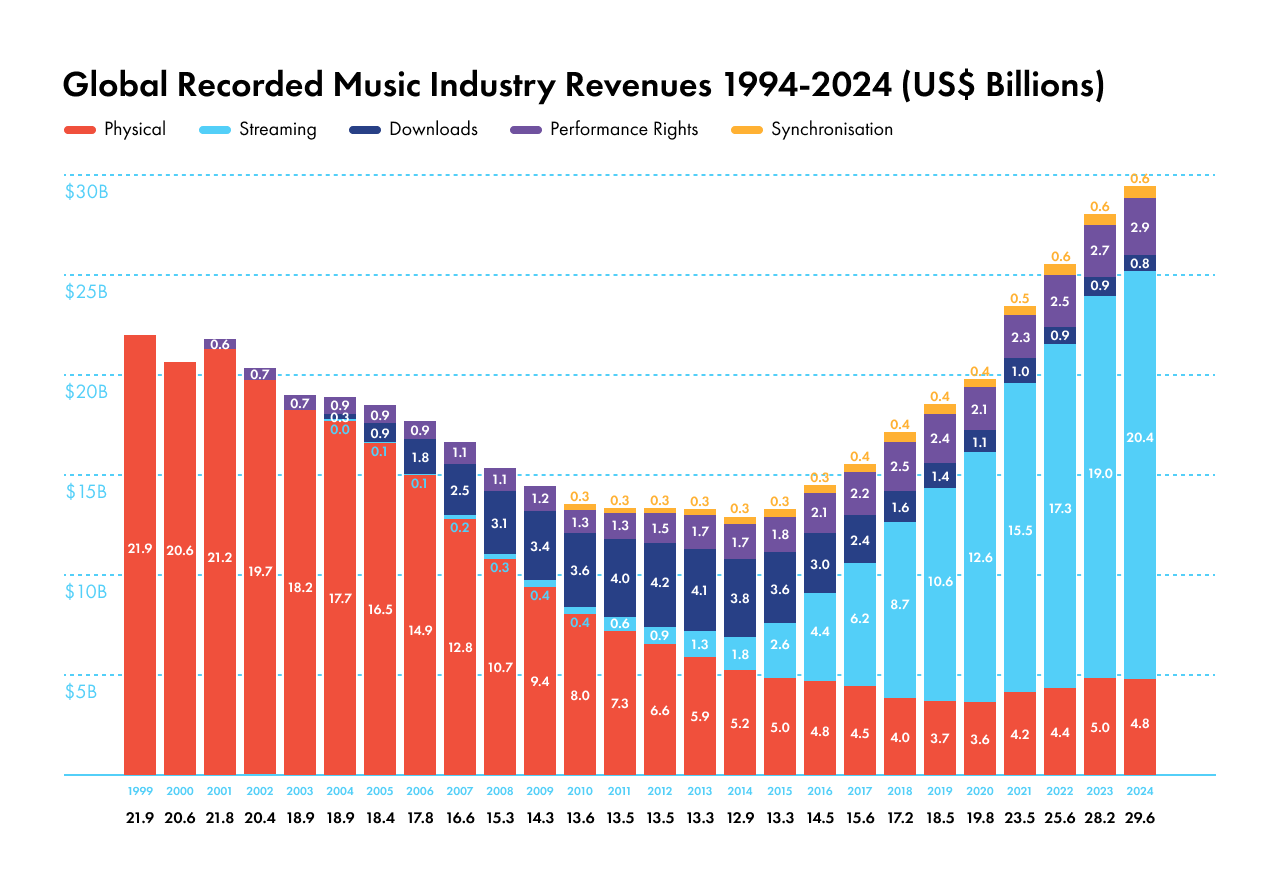
Relying solely on streaming revenue is a common mistake for emerging artists. In 2026, streaming payouts remain a secondary or tertiary income source for most rising stars. To truly "rise" and sustain a career, singers must diversify their business model from day one.
- Sync Licensing: Placing music in films, television shows, video games, and advertisements remains the most lucrative "fast track" for new artists. A single "sync" can provide more capital than millions of streams and offers massive cross-promotional exposure.
- Social Commerce: Integrated shopping features on social platforms allow artists to sell physical merchandise, limited edition vinyl, and digital assets directly within their video content.
- The "Live" Experience: Even in a digital-heavy era, live performance is where the most significant fan bonding occurs. New artists in 2026 are utilizing hybrid touring models—combining small-venue physical tours with high-production virtual reality (VR) concerts to reach a global audience simultaneously.
| Career Aspect | Traditional Model (Pre-2020) | Modern Hybrid Model (2026) |
|---|---|---|
| Primary Discovery | Radio & Label Scouting | Algorithmic Social Feed & Data Analytics |
| Production Cost | High (Studio focused) | Variable (Home-studio + AI-mastering) |
| Marketing | Top-down (PR, Billboards) | Bottom-up (Community-led, Viral loops) |
| Revenue Focus | Record Sales & Physical Media | Sync, Live Events, & Direct-to-Fan |
| Creative Control | Often limited by Label | High (Independent or Partnership-based) |
| Key Metric | Chart Position | Engagement Rate & Retention |
Legal and Administrative Foundations
The administrative side of the music industry is where many promising careers stall. Rising singers must treat their music as a business entity. This involves registering with Performance Rights Organizations (PROs) such as ASCAP, BMI, or SESAC in the United States, or PRS for Music in the UK.
In 2026, legal literacy regarding "split sheets" (documents defining who owns what percentage of a song) is non-negotiable. With the prevalence of remote collaborations and multi-producer tracks, clear documentation prevents legal battles that can freeze an artist's assets just as they begin to gain traction. Furthermore, understanding the difference between "Master Rights" (the actual recording) and "Publishing Rights" (the underlying composition) is critical for long-term wealth building. Many rising artists now opt for "distribution deals" or "label services" contracts rather than traditional 360 deals, allowing them to retain ownership of their masters while paying for specific marketing and distribution assistance.
The Role of Data Analytics in Career Growth
Successful singers in 2026 function as much as data analysts as they do performers. Platforms like Spotify for Artists and Apple Music for Artists provide real-time geographic and demographic data. A rising artist uses this information to:
- Target Tour Stops: Only booking shows in cities where data shows a high density of listeners.
- Refine Content: Analyzing which parts of a song are most skipped or shared to inform future songwriting.
- Ad Targeting: Running micro-targeted social media ads to specific audiences who listen to similar "anchor artists."
By identifying "lookalike audiences," artists can spend their limited marketing budgets with surgical precision, ensuring that every dollar spent contributes to a higher "Return on Effort" (ROE).
Common Pitfalls for New Artists
Despite the accessibility of the 2026 music market, many artists fail due to avoidable errors. Over-saturation is the biggest threat; with over 150,000 tracks uploaded to streaming services daily, "good" music is no longer enough.
- The "One-Hit" Trap: Focusing entirely on a viral hook without having a full EP or a follow-up strategy ready.
- Neglecting Email Lists: Algorithms change, and platforms die. Artists who do not "own" their audience data via email or SMS lists are vulnerable to platform shifts.
- Burnout and Mental Health: The pressure to be a "24/7 content creator" often leads to creative exhaustion. Successful rising artists in 2026 are those who build a small team early to handle administrative and social media tasks, allowing them to remain focused on the art.
Frequently Asked Questions
How much does it cost for a new singer to launch a professional single in 2026? While costs vary, a professional-grade launch typically ranges from $1,500 to $5,000. This includes high-quality production/mixing ($500-$2,000), basic visual assets or a "visualizer" video ($300-$1,000), distribution fees ($20-$100), and a targeted social media marketing budget ($500-$2,000).
Is a record label still necessary to rise in the music industry? No, a record label is no longer a prerequisite for success, but it serves a different purpose than it used to. Labels now act more like venture capital firms and high-level marketing agencies. Many artists choose to stay independent to keep 100% of their earnings, while others sign "partnership deals" once they have enough leverage to dictate their own terms.
What platform is most important for artist discovery in 2026? While short-form video platforms remain the primary engine for initial discovery, "niche-aggregators" and community platforms like Discord and specialized music discovery apps have become more important for building a loyal fan base. Success usually comes from a "cross-pollination" strategy across 3-4 platforms.
How do new singers protect their music from AI unauthorized use? In 2026, artists use digital watermarking and blockchain-based registration to prove authorship. Additionally, many countries have updated their copyright laws to require opt-in consent for training AI models on an artist's voice or likeness. It is crucial to work with distributors who offer "AI-shielding" services.
How long does it typically take for a new artist to see a financial return? The "break-even" point for new artists has moved. Most singers do not see a significant profit for the first 18 to 36 months. This period is dedicated to building a catalog and a fan base. Financial sustainability usually arrives when the artist can leverage their "back catalog" (older songs) to fund new releases.
Practical Recommendation for Emerging Artists
If you are an aspiring singer in 2026, your first step should not be "getting signed." Instead, focus on Building a Minimum Viable Community (MVC). Release consistently—even if it is just "work-in-progress" snippets—on social platforms to find your core audience. Simultaneously, ensure your legal "house" is in order by registering with a PRO and using a professional distributor. Treat your career as a tech startup: iterate quickly, watch your data, and prioritize fan ownership over mere view counts.
Disclaimer: This article provides industry analysis and educational information. It does not constitute legal, financial, or professional career advice. Music industry contracts and copyright laws are subject to jurisdictional variations; consult with a qualified entertainment attorney before signing any binding agreements.
Image Gallery